Water engineering contractor tackles over-deep areas in the Port of Antwerp
Text Joris Hendrickx Beeld Herbosch-Kiere
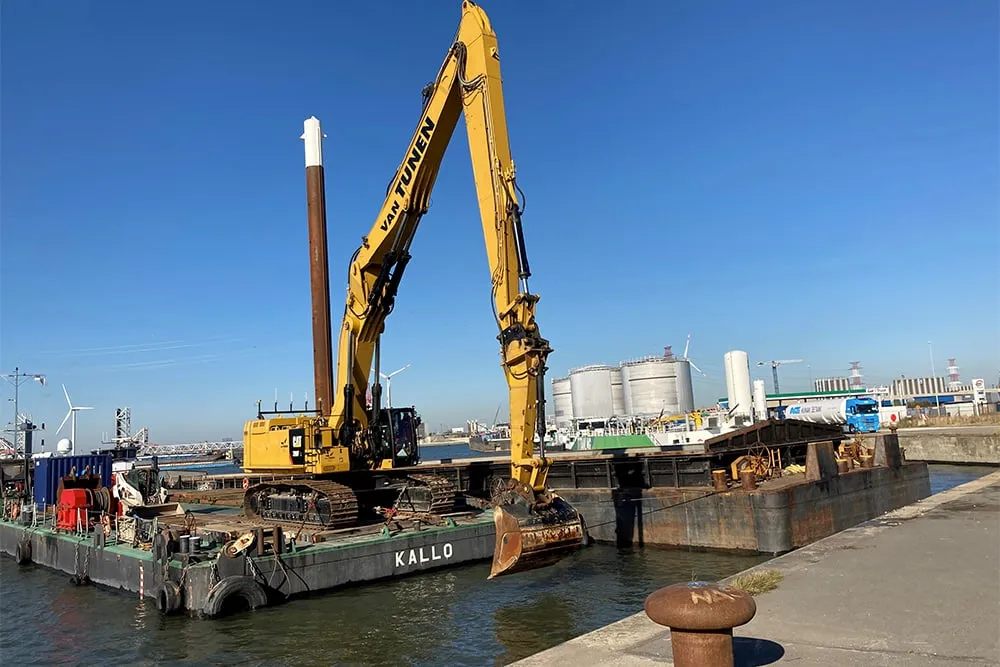
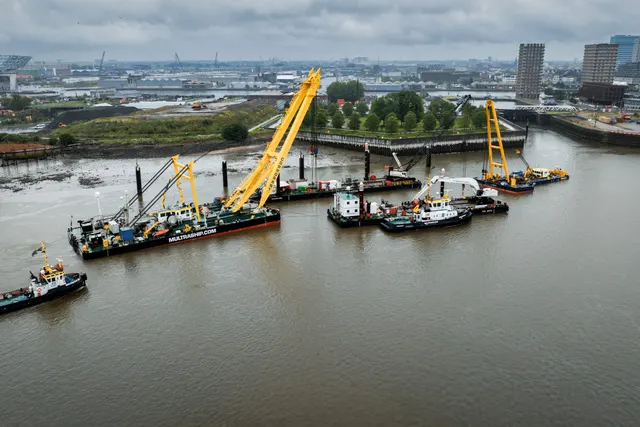
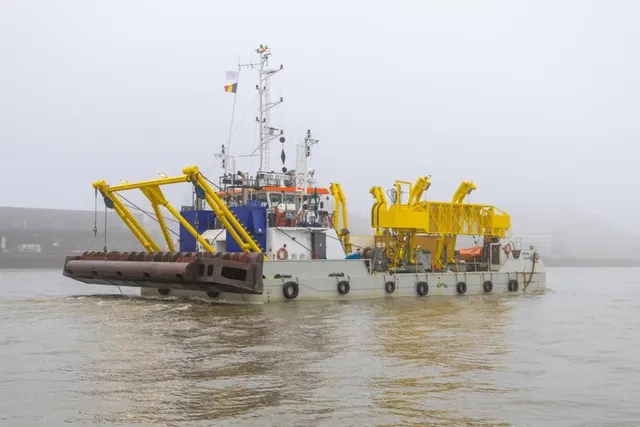
The Port of Antwerp is one of Europe’s most important logistics hubs. To ensure smooth operations, its infrastructure must be continually maintained and improved. A key aspect of this is filling so-called over-deep areas: parts of the waterway that have become too deep through erosion or the propeller wash of ships. Jan Maes and Ernest Baele of water engineering contractor Herbosch-Kiere, which is responsible for this work, talk about what it involves.
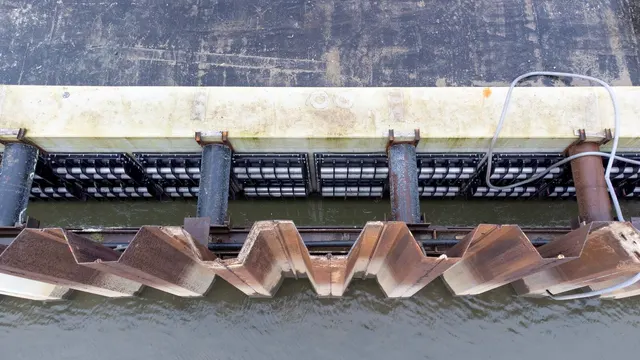
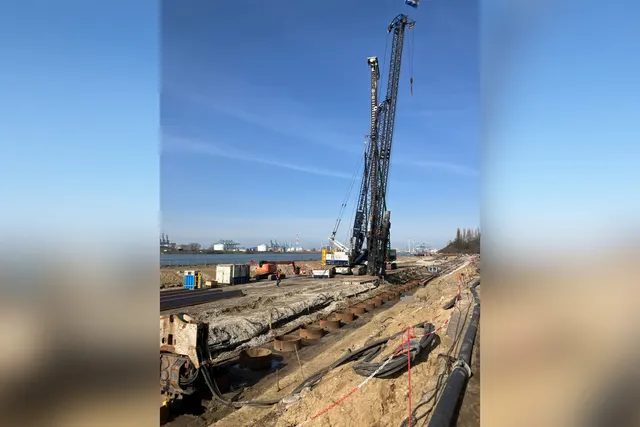
Over-deep areas can cause serious problems for the stability of quay walls, which in turn can threaten the safety of the port. Jan Maes explains: “As a responsible steward, the port wants to fill these over-deep areas as quickly as possible. Addressing these areas is essential to prevent the port’s infrastructure from being weakened, which could lead to dangerous situations and high repair costs.”
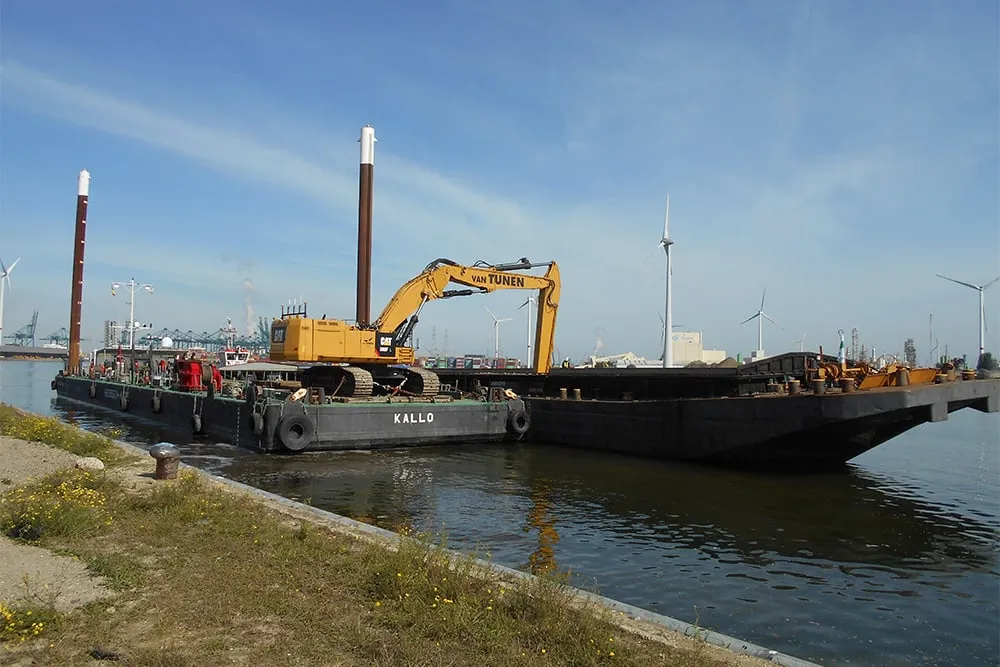
The process: steel slag and colloidal concrete
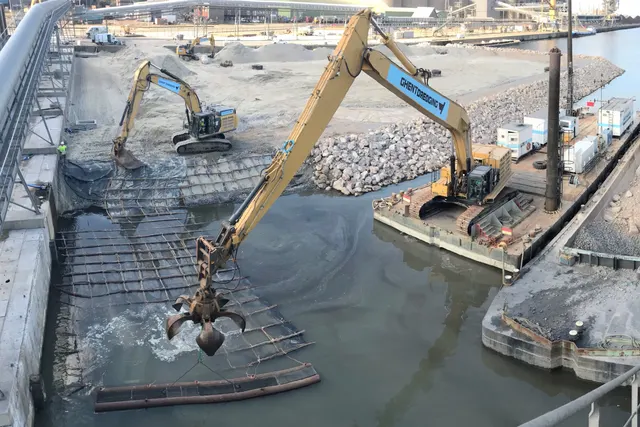
“We use two materials to restore the over-deep areas,” says Jan Maes. “First, we fill them with steel slag, then add a 0.5-metre finishing layer of rubble stone. This layer is then grouted with colloidal concrete.”
“Colloidal concrete contains additives that prevent it from segregating,” Ernest Baele adds. “This is important because the concrete must retain its strength and integrity, even underwater. Using this concrete helps keep the quay walls stable and protected from the forces of the water.”
“We work at depths ranging from 5 to 20 metres,” Jan Maes explains. “The exact depth depends on the construction of the quay walls and their location within the port. This requires careful planning and precision to ensure the work is effective and safeguards the port.”
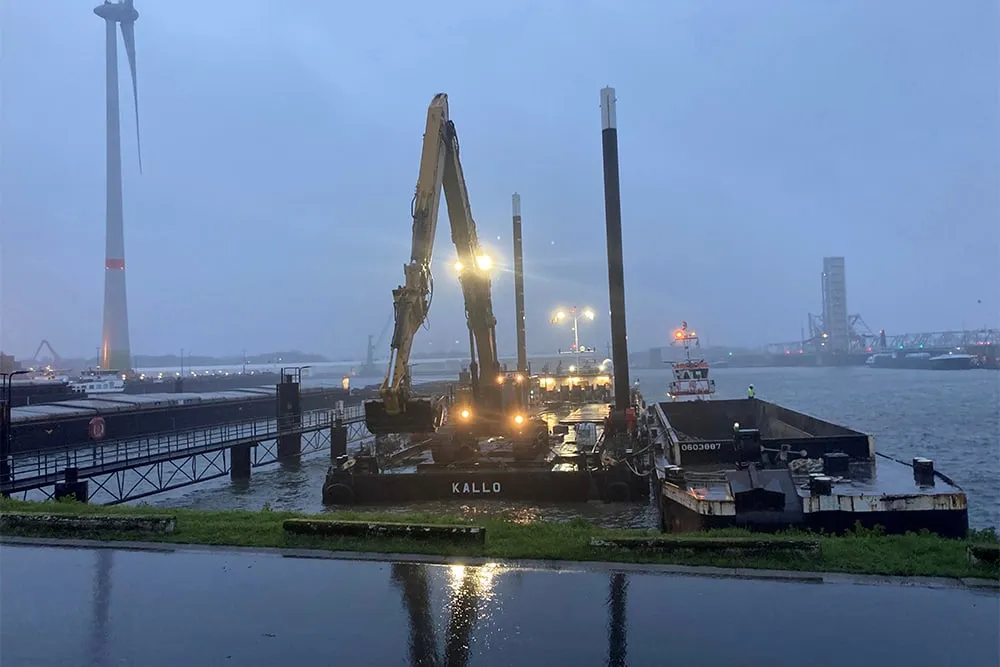
Ongoing monitoring and maintenance
The filling work is covered by a framework contract that can be renewed each year, for a maximum term of four years. This means a package of work is drawn up annually based on the monitoring carried out by the port authority. “They monitor the condition of the quays and water depths throughout the year,” Ernest Baele explains. “Based on that, they draw up an inventory of the most urgent cases and share it with us.”
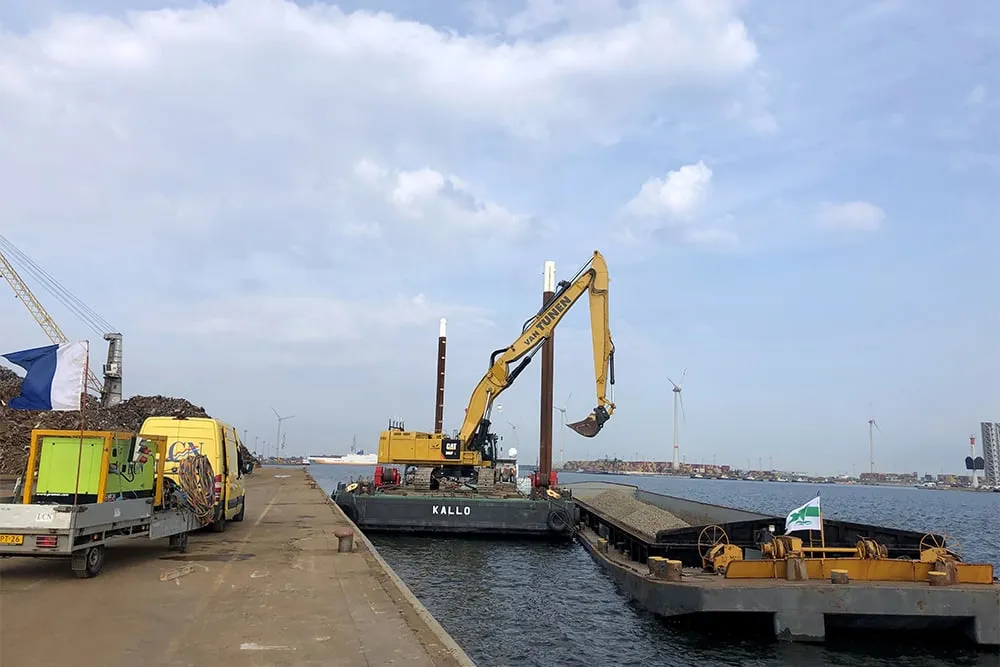
Ready to mobilise quickly, including in Zeebrugge and other ports
Although the current package of work focuses on the Port of Antwerp, Herbosch-Kiere’s activities could potentially be extended to the port of Zeebrugge. Jan Maes says: “The two ports have merged and therefore work very closely together. The contract therefore also provides for a possible extension to work in Zeebrugge. Herbosch-Kiere is known for its flexibility and ability to respond quickly to urgent situations, not only in Antwerp but also in other ports such as Zeebrugge and even Dunkirk. So if an urgent issue arises, we can act quickly.”
Een zakelijke vraag aan Herbosch-Kiere? Get in touch
Companies in this story
Keep following this
Get an email when a new story is published. No account needed.
- ThemeStrengthening waterways and coastlines
- SubjectHydraulic engineering
- CompanyHerbosch-Kiere