Sewerage & underground infrastructure
Total Cost of Ownership broadens the perspective on asset management
Text and images Pipelife Belgium nv
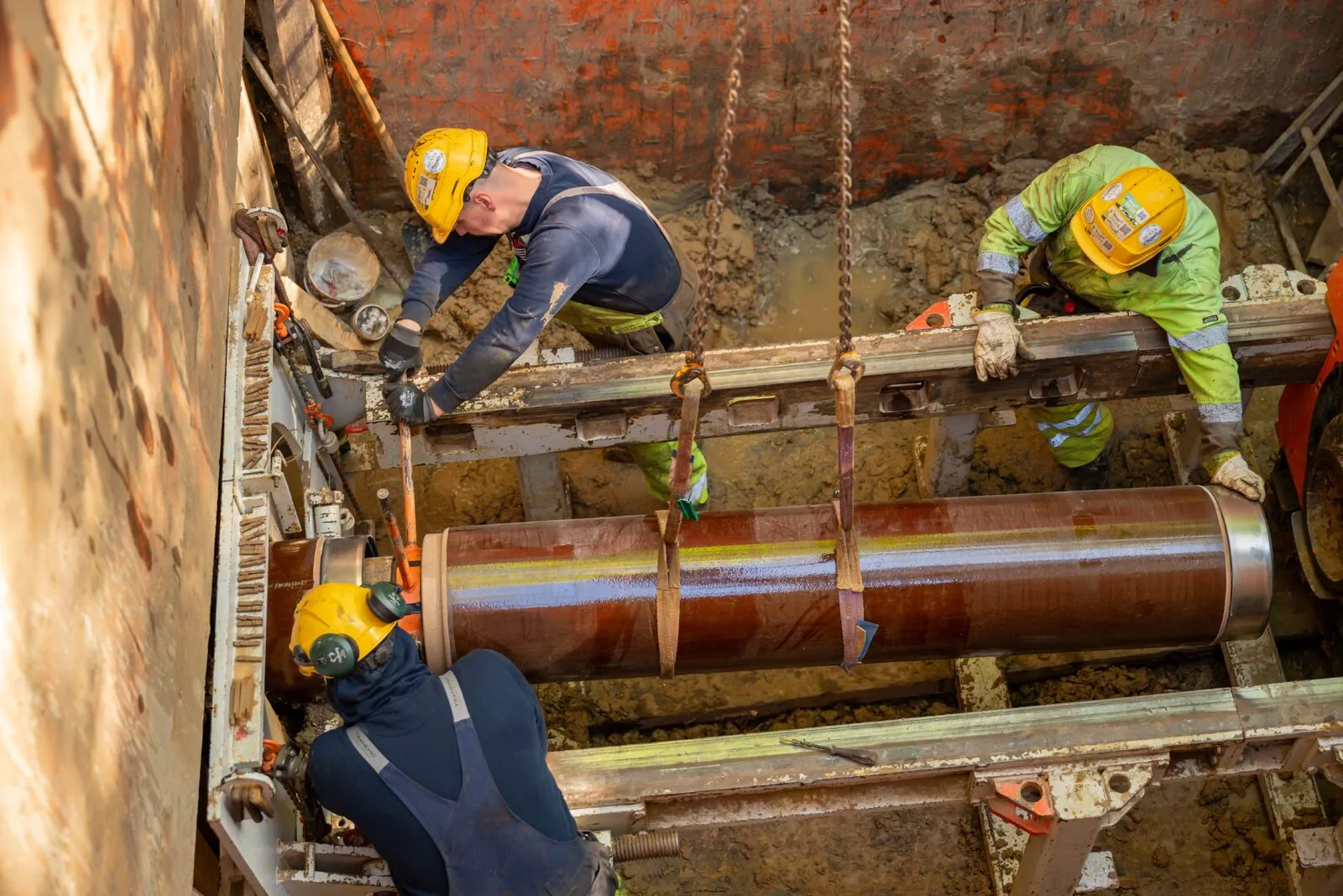
When sewer infrastructure is constructed, the initial investment cost receives a great deal of attention. Understandably so: budgets are limited and projects must be delivered within the available funding. Yet the construction price tells only part of the story. A solution that is cheaper today may ultimately cost more over its entire service life.
A sewer system is built to serve for decades. However, material choices and investment decisions are often assessed at a single point in time: purchase and installation. For infrastructure with a long operational life, a broader perspective is needed. It is not just the initial investment that matters, but also what comes after.
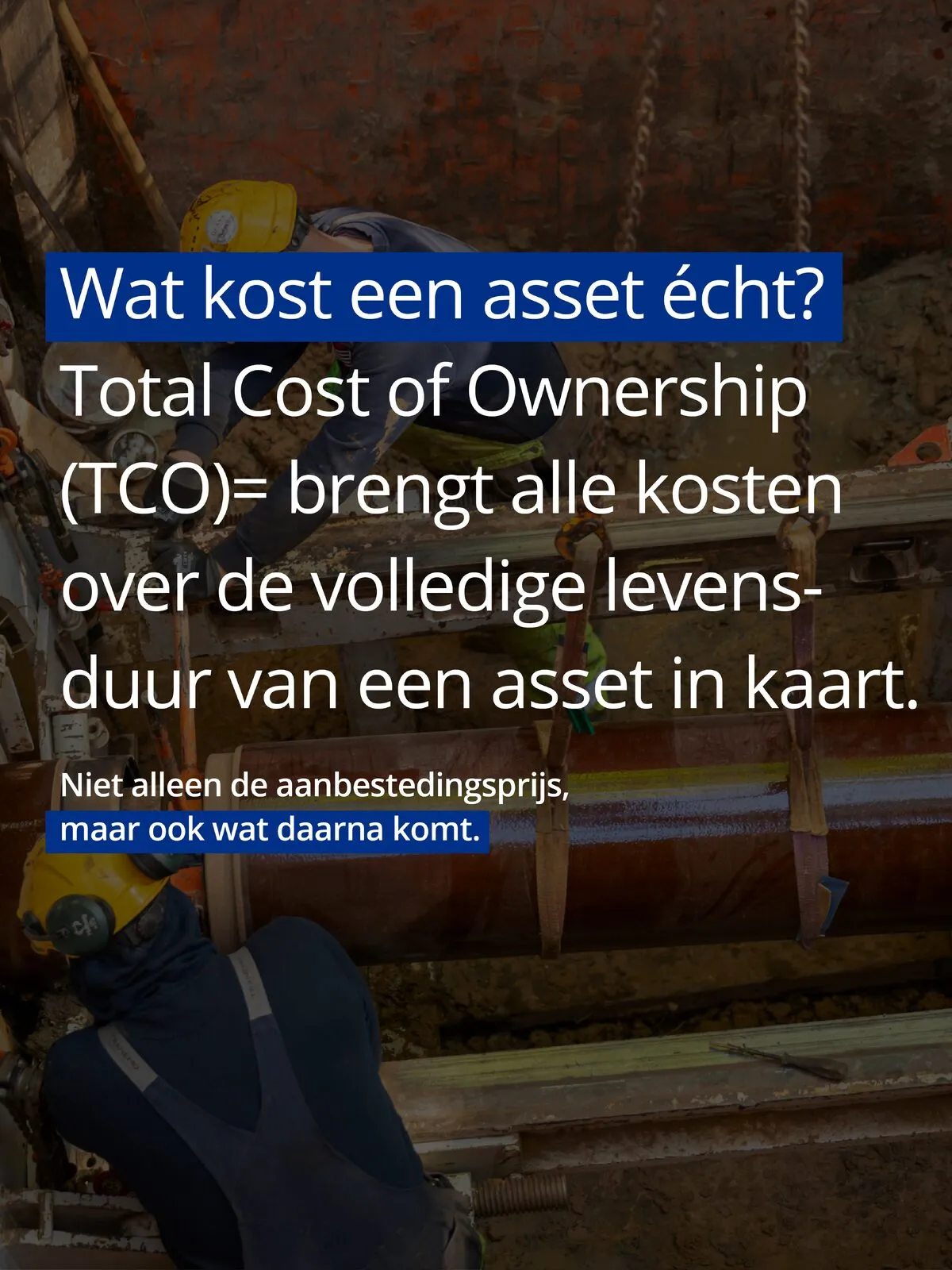
What does an asset really cost?
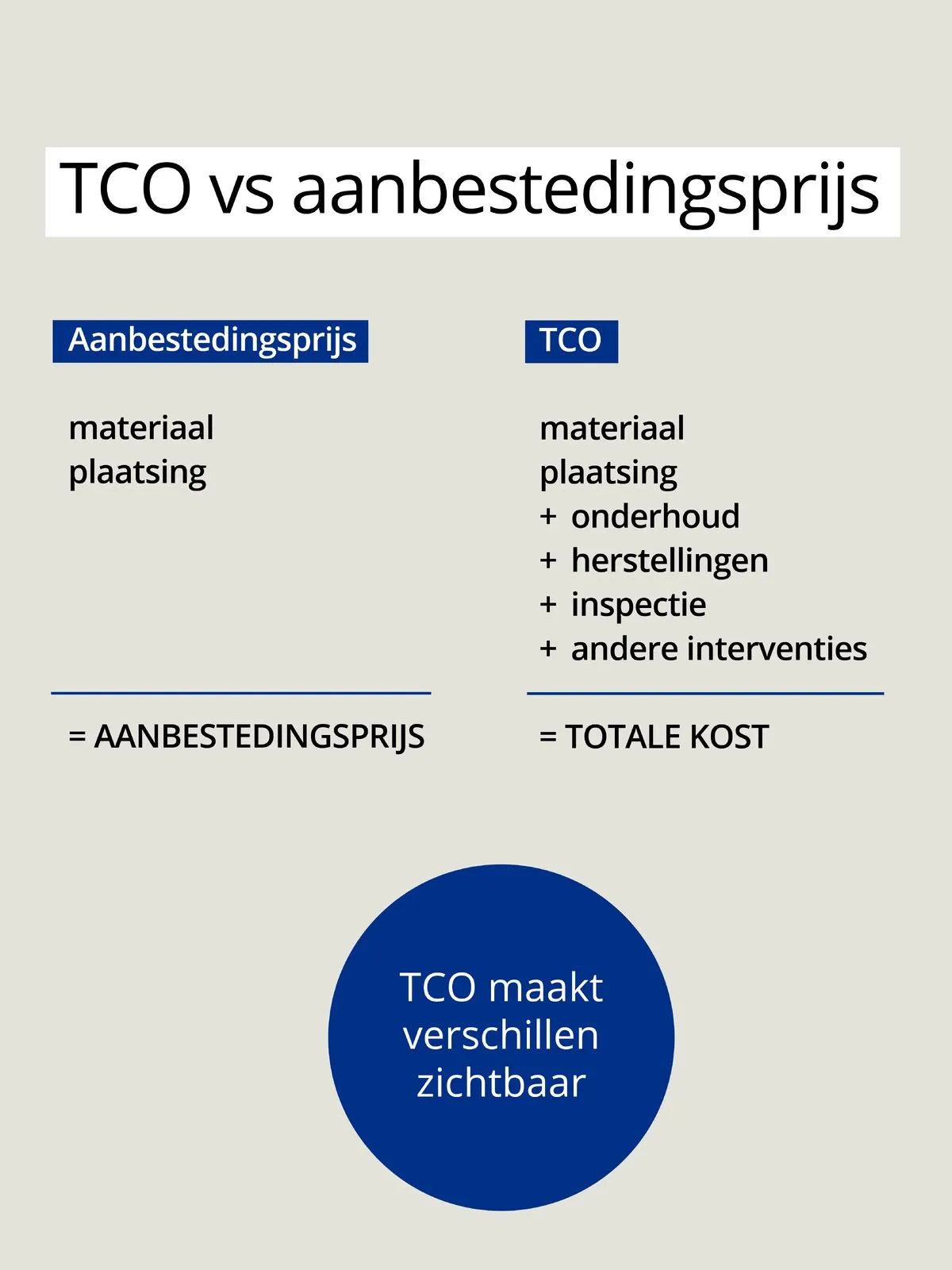
Total Cost of Ownership (TCO) maps the total cost of an asset over its operational life. In addition to purchase and installation, this calculation can include inspections, maintenance, repairs, interventions and any replacements.
The key question therefore shifts from “Which solution costs the least today?” to “Which solution makes the most financial sense over its entire service life?”
For example, a product with a lower purchase price may require more frequent maintenance or interventions. A shorter service life may also mean that replacement is needed within the same period. In both cases, the original purchase price says little about the final cost.
From purchase price to management strategy
TCO is therefore a valuable tool in asset management. By making costs over the entire service life visible, it gives sewer operators a broader basis for weighing up investments. This helps them set priorities, assess risks and better align maintenance and replacement strategies.
This approach is particularly relevant to sewer infrastructure. Its service life is long, interventions are often complex, and an intervention involves more than the direct repair cost alone. Accessibility, traffic disruption and the impact on the surrounding area can also affect total costs over the period of use.
A longer-term view of material choice
Vitrified clay illustrates how a higher initial investment can translate into a favourable Total Cost of Ownership over a longer period. Thanks to properties such as high mechanical strength, chemical resistance and a long service life, the material is suited to sewer infrastructure that must remain operational for many decades.
If a pipe requires less maintenance and fewer interventions during this period, and the risk of premature replacement remains limited, this has a positive effect on total life-cycle costs. The purchase price is then just one element in a much broader economic assessment.
Value over the entire service life
The challenge for the sewer sector therefore goes beyond finding the cheapest solution at tender stage. It is about choosing a system that offers the best balance between investment, performance and management costs over its entire service life.
TCO makes this trade-off clear and puts the initial investment into perspective. It gives operators a better basis for directing available budgets where they will have the greatest impact. Because with infrastructure that remains underground for decades, the true cost only becomes clear when time is taken into account.
Question about this story? Ask your question
Keep following this
Get an email when a new story is published. No account needed.
- ThemeRenewing pipelines and sewers
- SubjectSewerage & underground infrastructure