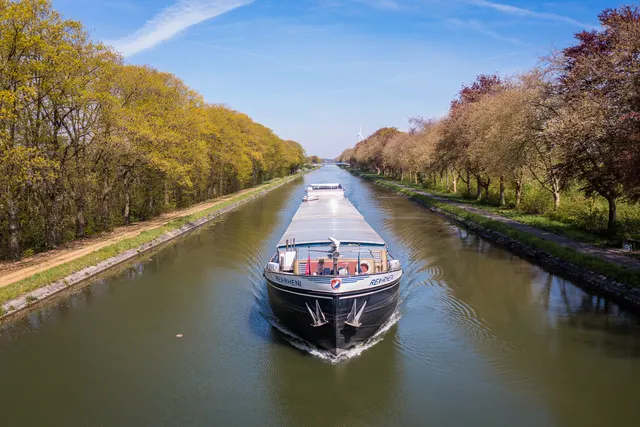
Inland shipping remains firmly established in Flanders
Text and images De Vlaamse Waterweg nv
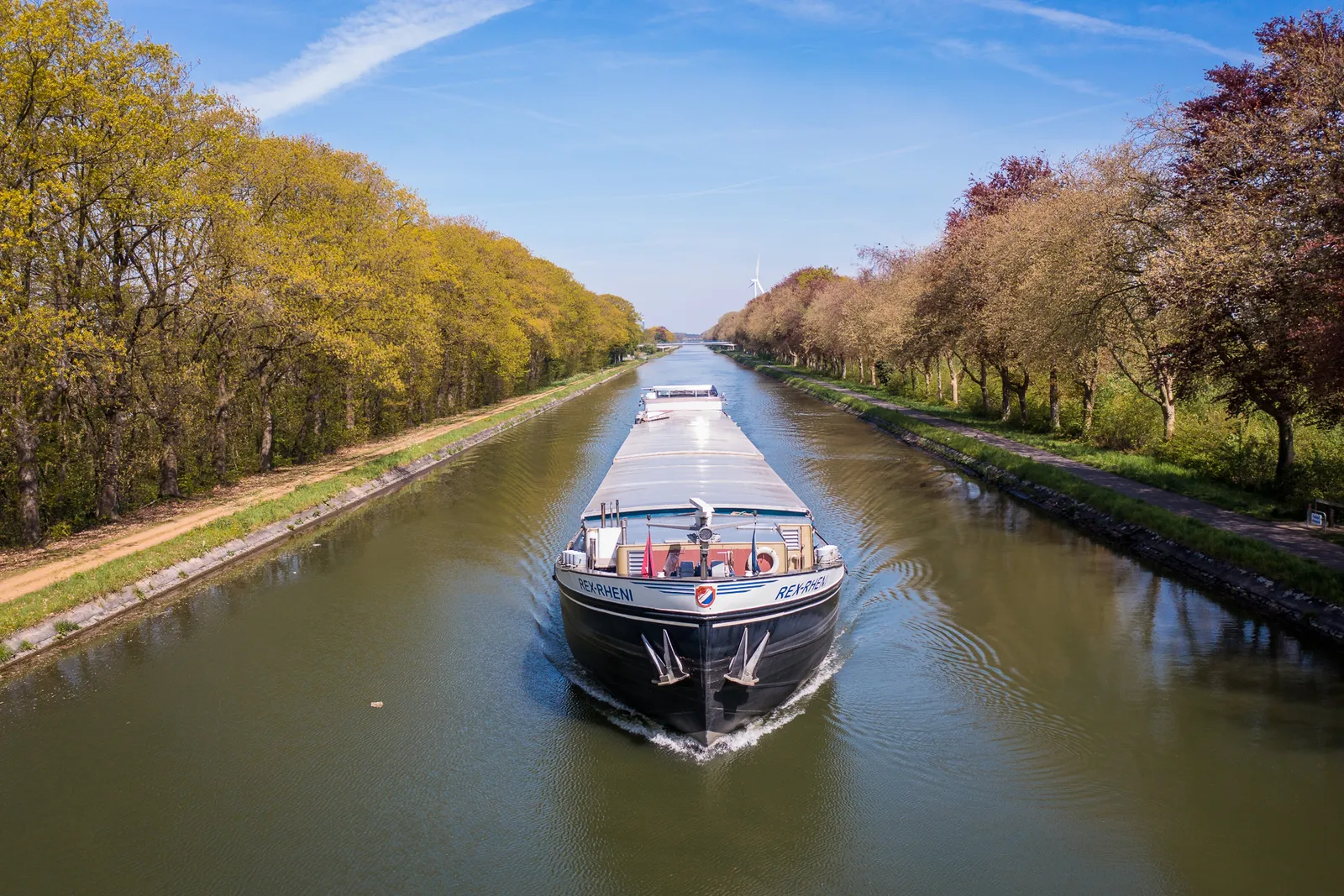
Despite a challenging year for the economy, Flanders’ waterways ended 2025 with stable traffic volumes and clear signs of growth in several cargo groups. A total of 66.2 million tonnes of goods were carried on Flanders’ waterways in 2025, a slight increase of 0.33% on 2024. Tonne-kilometres made particularly strong progress (+3.30%), an important indicator of longer journeys and efficient transport.
“Inland shipping has once again confirmed its role as a reliable and sustainable mode of transport, crucial to the Flemish economy and the modal shift. The 2025 figures show just how robust and forward-looking inland shipping is. With stable traffic volumes, growth in regional flows and major investment in our waterways network, we remain ready to meet tomorrow’s logistical challenges. Flanders is firmly committed to sustainable mobility, and inland shipping is one of its most powerful levers”, says Flemish Minister for Mobility and Public Works Annick De Ridder.
Tentative recovery and stabilisation
Following an exceptional year in 2024, when the prolonged closure of the Dutch Julianakanaal led to a temporary, sharp rise in diversion traffic through Flanders, inland shipping saw a decline in the fourth quarter of 2025 compared with the same period in 2024. However, tonnage figures for 2025 are clearly higher than in 2023 and are in line with the normal traffic trend of recent years.
Filip Boelaert, Chief Executive Officer of De Vlaamse Waterweg nv, is particularly pleased to end 2025 with stable, strong figures: “These figures show not only the resilience of our waterways, but above all the strength of the people who keep the inland shipping sector running every day. My sincere thanks go to inland shipping businesses, skippers and, of course, our dedicated staff. Through our shared commitment and professionalism, we continue to build a robust, sustainable and forward-looking inland shipping sector. Only by working together can we keep Flanders connected and make it stronger.”
Container traffic stable in 2025
Container traffic stabilised in 2025, despite a slight decline in the final quarter. A total of 693,904 TEU was carried over the year (-0.34%), showing that the sector is becoming more resilient and less vulnerable to temporary market disruptions. This stability once again highlights the structural role of inland shipping in Flanders’ logistics chain.
Regional traffic continues to grow
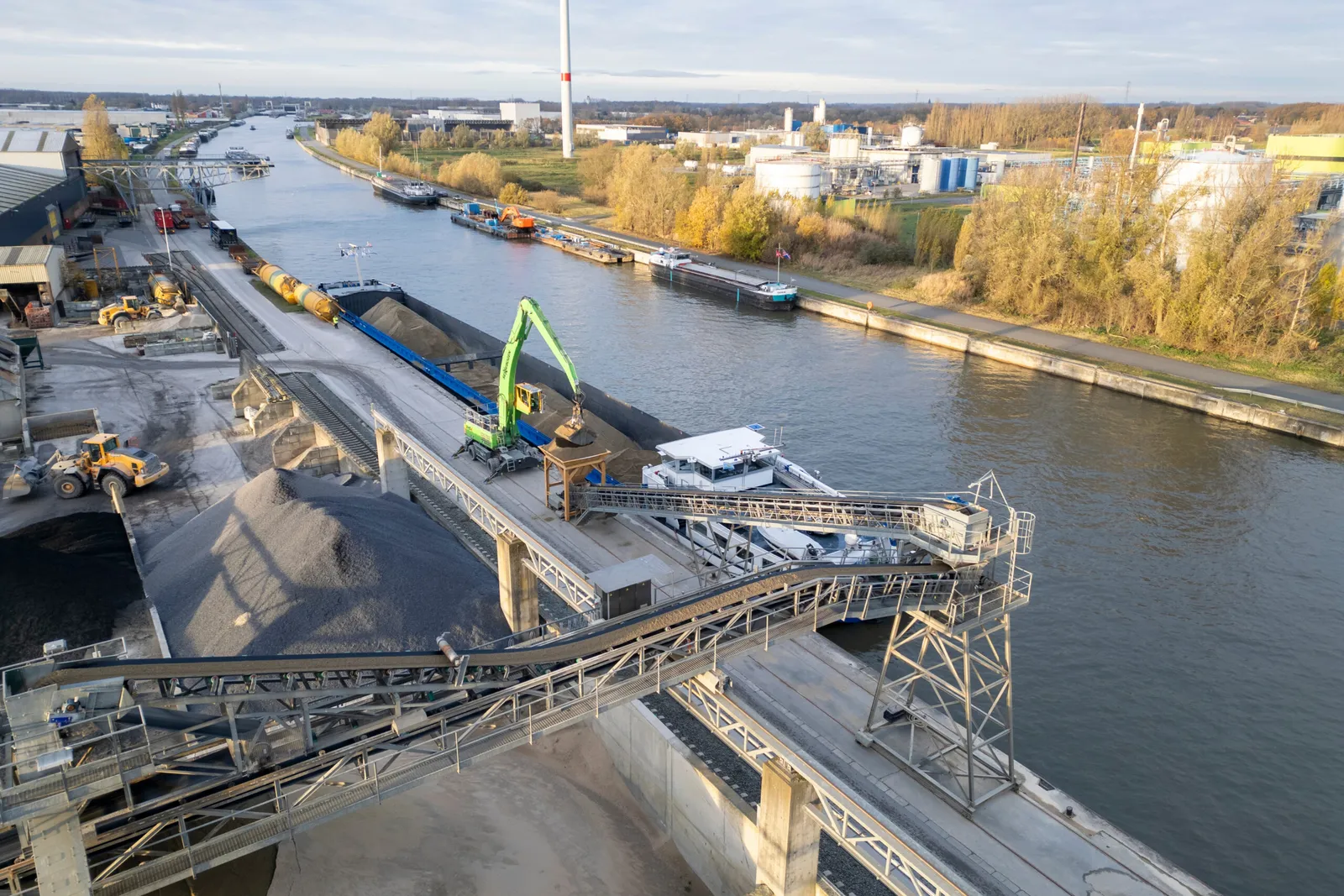
Traffic loaded and unloaded in Flanders remains one of the strongest pillars of the inland shipping network. In 2025, the number of unloadings rose by 0.36% and the number of loadings by 4.32%. This trend shows that Flemish companies are making increasing use of waterways in their logistics operations.
Strong recovery in some economic sectors
Several economic sectors saw a notable recovery in 2025. Traffic in foodstuffs and animal feed rose by 9.43%, agricultural products grew by 5% and the transport of solid fuels increased by 7.31%. Petroleum products also saw a slight rise of 1.61%. Minerals and construction materials stabilised, while declines in fertilisers, ores and miscellaneous goods eased as the market returned to normal following the exceptional disruptions of 2024.
Seine-Scheldt corridor and Albert Canal strengthen their position in 2025
The Seine-Scheldt corridor grew by 6.38%, confirming its strategic importance as a major logistics artery. The Albert Canal also recorded an increase of 1.12% and remains an essential transport route for both bulk and container traffic. By contrast, the ABC route saw a decline of 10.50%, largely due to the exceptional diversion traffic in 2024 and temporary closures, such as on the Canal du Centre and as a result of the Oosterweel works. Particularly notable was the strong year-on-year increase in container traffic on the Seine-Scheldt route: growth of 18.41% makes this corridor an increasingly important hub for inland container shipping.
“More freight transported by water is the best and fastest way to reduce the number of lorries and cut CO2 emissions in Flanders”, says Maxim Veys, Chair of the Board of Directors of De Vlaamse Waterweg nv. “Growth on the Seine-Scheldt corridor and the Albert Canal proves that our targeted investment in the main waterways is paying off. By increasing capacity, removing bottlenecks and improving reliability, we are creating corridors ready to meet tomorrow’s logistical challenges. These figures make it clear: where we invest, inland shipping grows and Flanders strengthens its position as a sustainable logistics hub.”
Ports confirm the crucial role of Flanders’ waterways
In the ports, Flanders’ waterways are reaffirming their role as a crucial link in the logistics chain. North Sea Port recorded 67 million tonnes of seaborne cargo throughput (+0.4%), with growth in dry and liquid bulk and stable ro/ro traffic. Container throughput rose by 7.8%. Inland shipping volumes there did, however, fall by 4.3% following the exceptionally strong year of 2024. At Port of Antwerp-Bruges, total throughput continued to decline slightly, but volumes remained in line with previous years. Container traffic remained stable, underlining the resilience of the logistics chain.
Question about this story? Ask your question
Keep following this
Get an email when a new story is published. No account needed.
- ThemeStrengthening waterways and coastlines
- SubjectHydraulic engineering