Geotextiles: the ideal solution for temporary site roads
Text Niels Rouvrois Beeld Beaulieu Technical Textiles
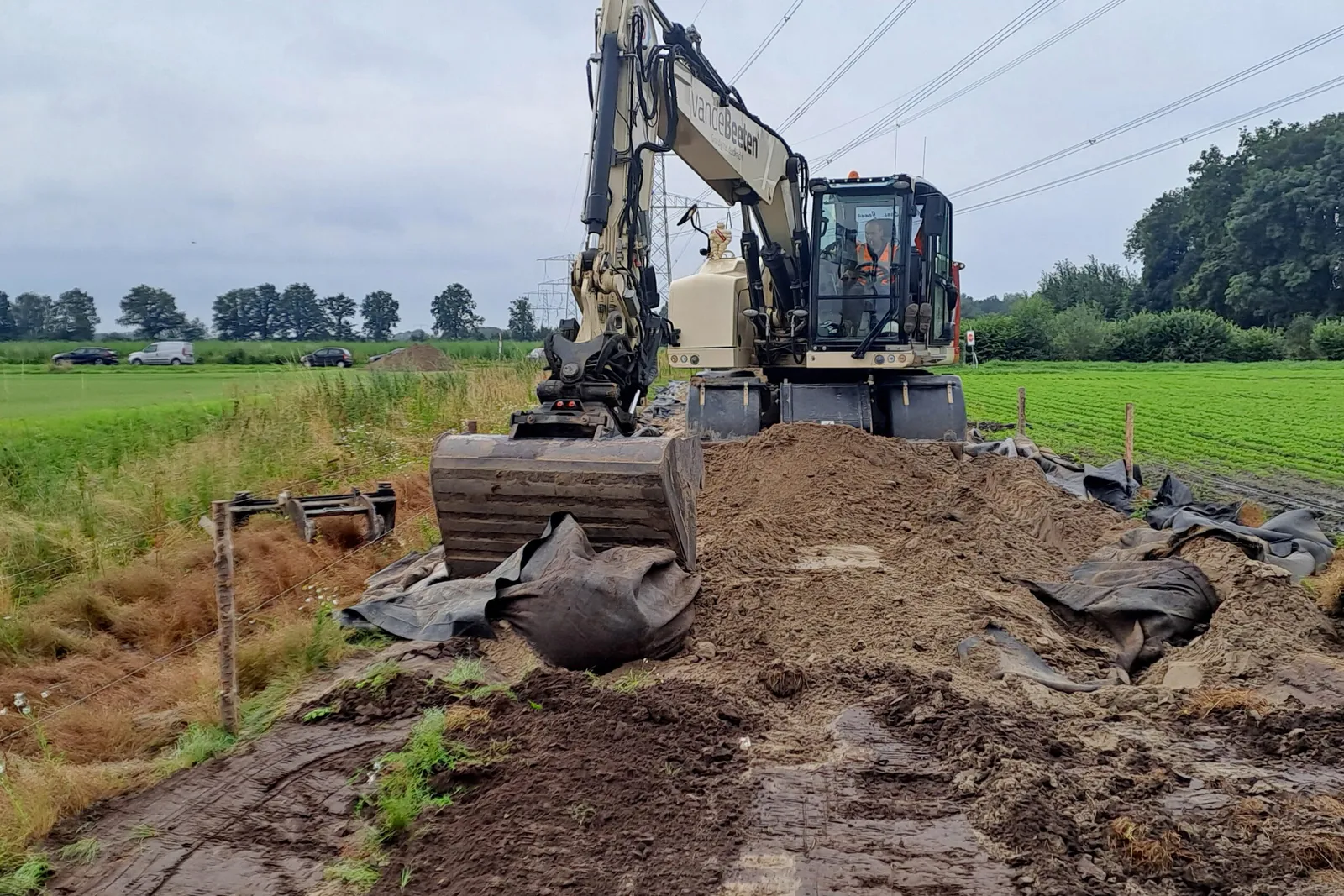
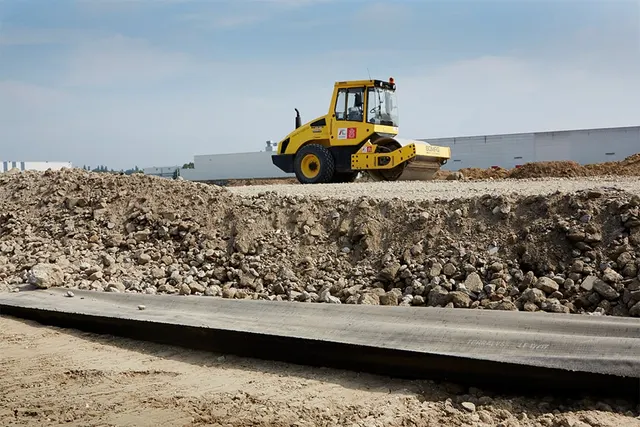
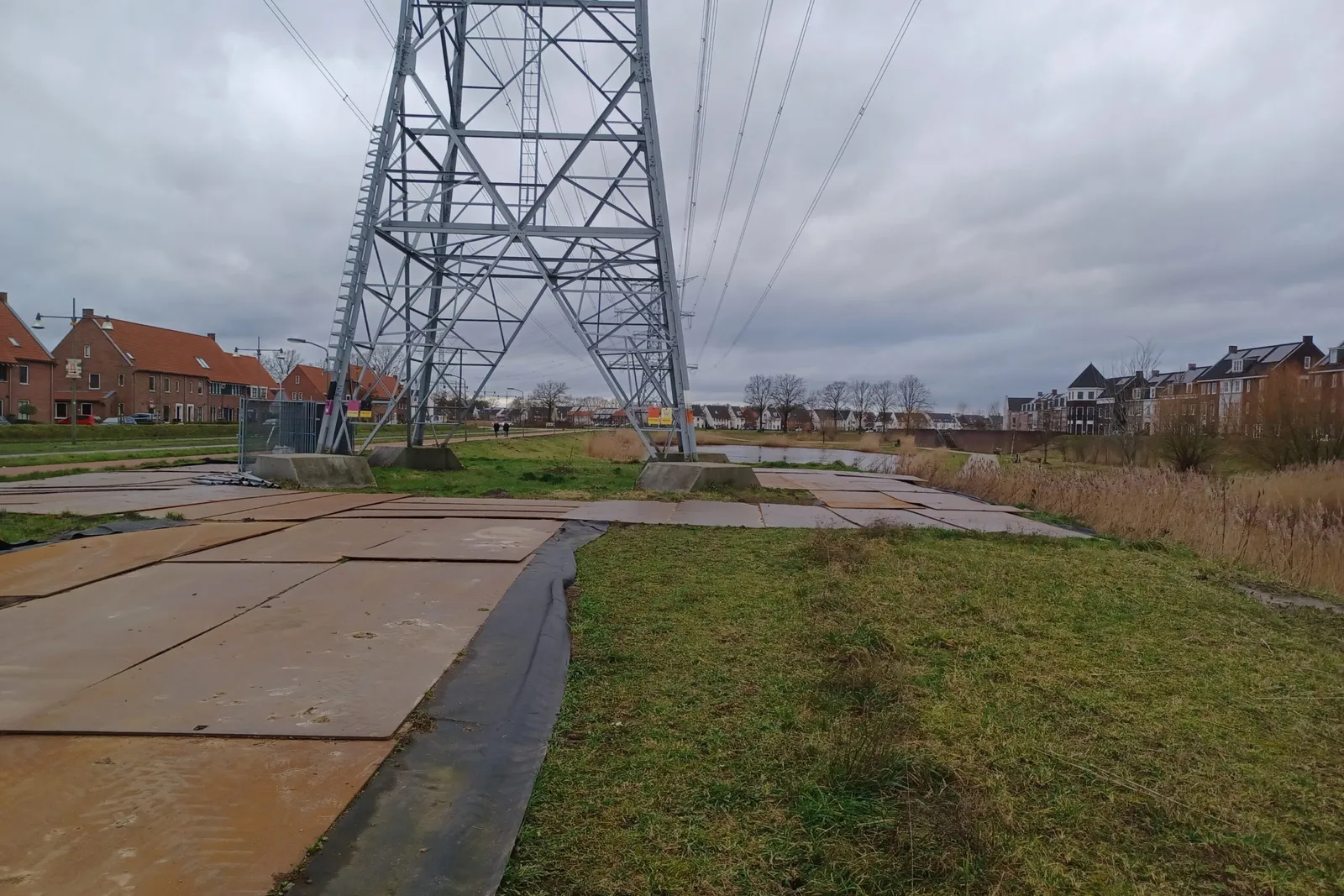
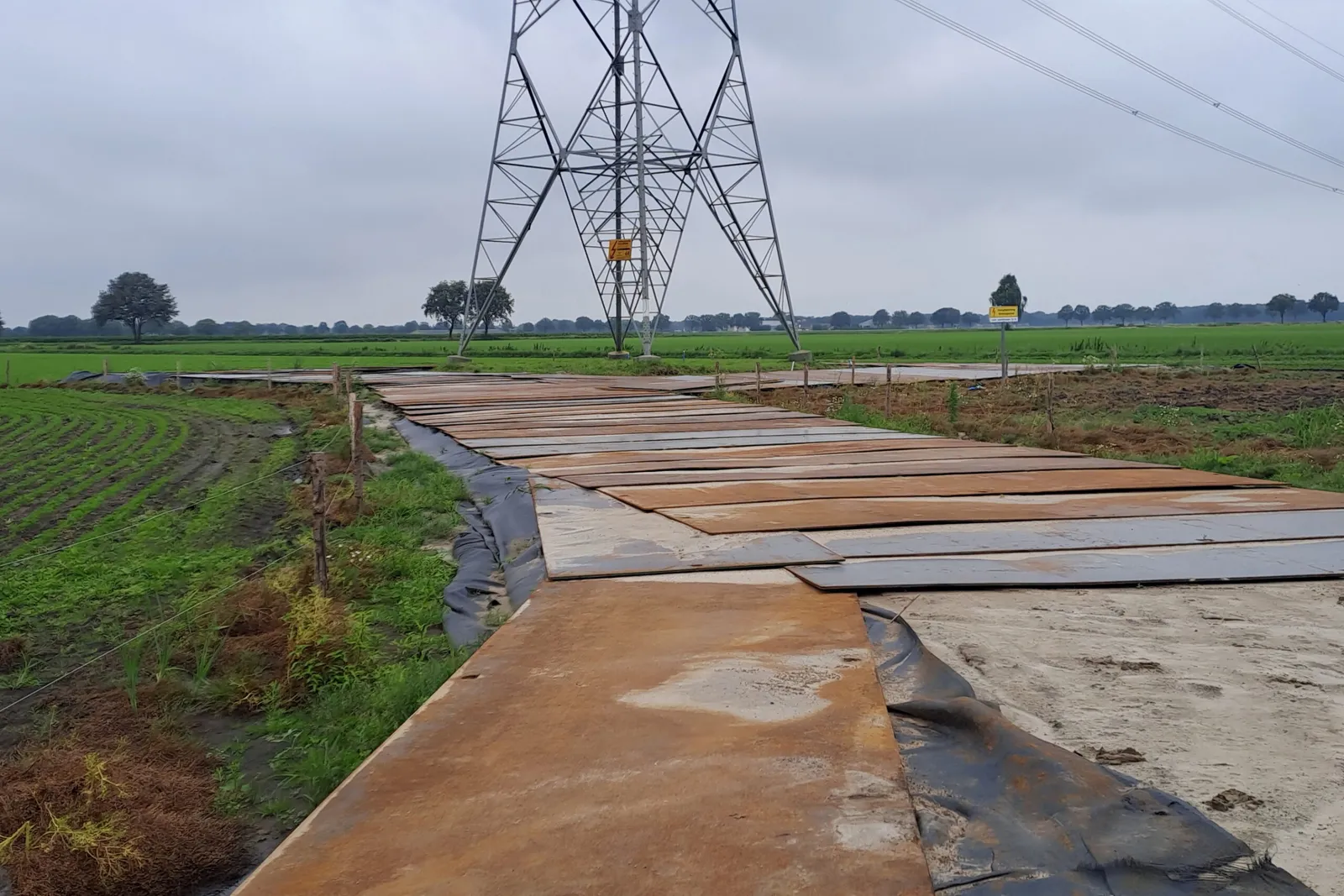
The global energy transition presents major infrastructure challenges. Building new wind turbines, strengthening the electricity grid, underground or overhead … Belgium and the surrounding countries have numerous major energy projects in the pipeline. For many of these projects, geotextiles provide the foundation for temporary site roads giving access to hard-to-reach locations such as farmland and woodland. “They prevent gravel from mixing with the ground below and provide the stability needed. This makes it possible to transport heavy materials and equipment without difficulty,” says Francis Denoo, sales manager at Beaulieu Technical Textiles.
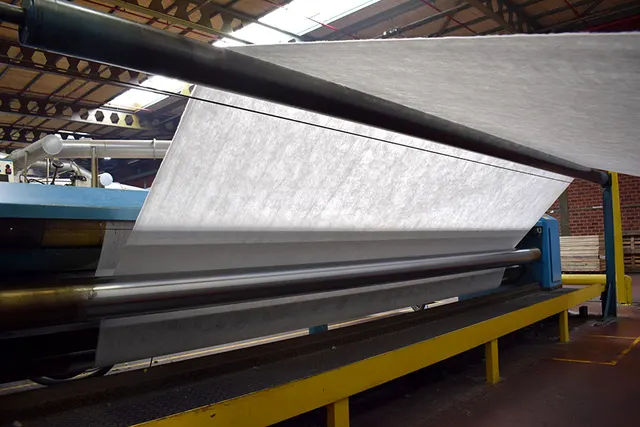
Beaulieu Technical Textiles, part of Beaulieu International Group, has long been a renowned global name in geotextile solutions. It is no surprise that geotextiles are becoming increasingly established in the infrastructure sector. Their sustainability credentials, both in terms of environmental impact and service life, are undeniable. Beaulieu’s woven geotextiles have one of the lowest carbon footprints in the sector. This makes them one of the most sustainable solutions for civil engineering projects, particularly compared with conventional materials. The use of polypropylene, a lightweight and recyclable material, helps significantly reduce environmental impact. Production is also optimised by avoiding fossil fuels and using electricity generated largely by solar panels.
Recycling and reuse
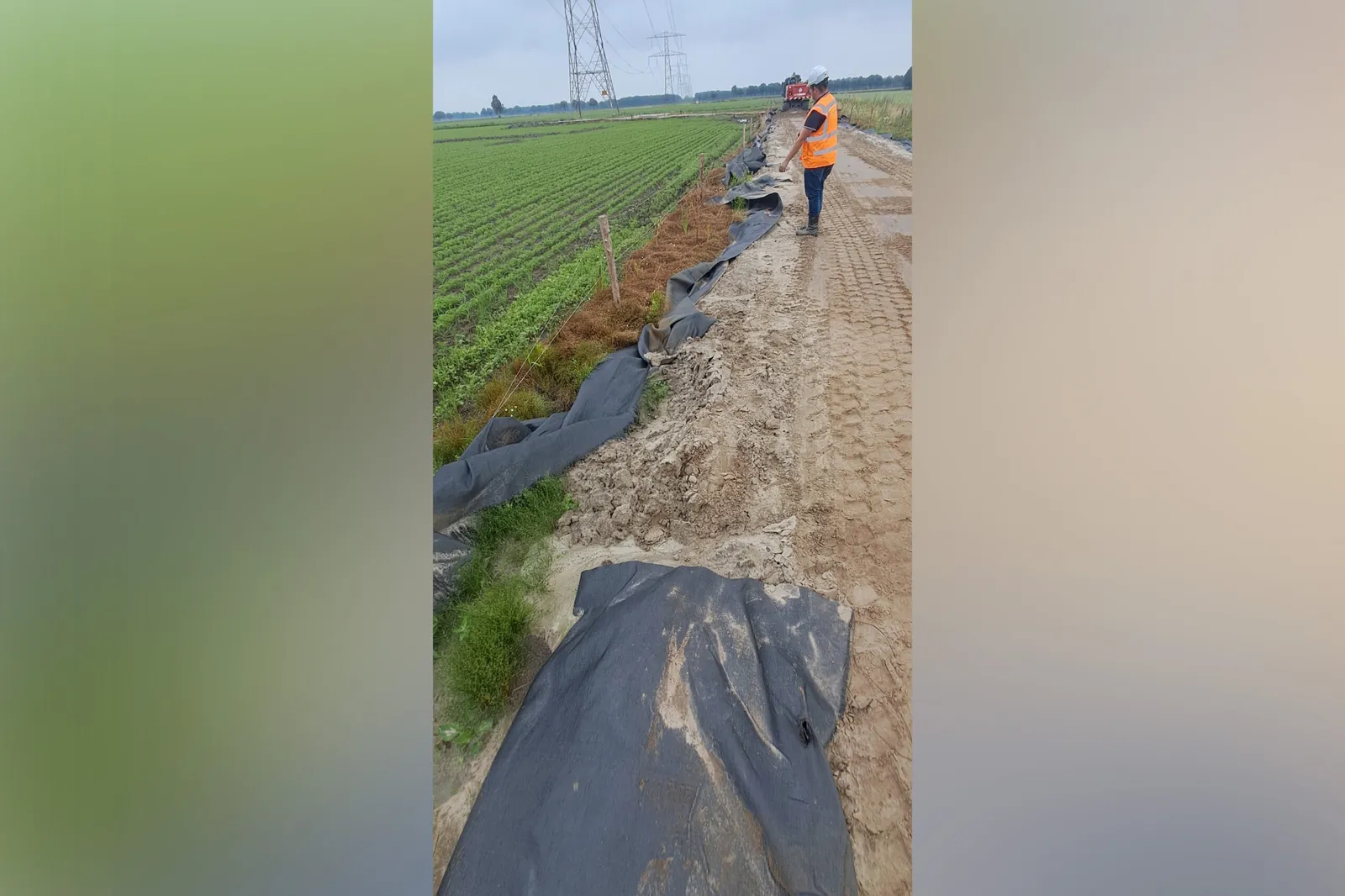
Beaulieu Technical Textiles’ own recycling line, or that of partners in its ecosystem, ensures that all waste is reused. Reuse is crucial in temporary applications such as site roads. Although the material is generally designed to last for a hundred years, it is often used for just one year in these applications. This calls for specific solutions for removal and reuse. Francis Denoo says: “When the geotextile is removed, contaminants such as clay and soil residue often remain on the fabric. This makes it difficult to reuse directly for the same application. That is why our initial focus is on recycling.”
At present, mechanical recycling is used predominantly. The geotextile is washed, shredded and regranulated. “Ideally, we would use the granulate in new geotextiles, but regulations do not yet allow this, or do not allow it sufficiently. As an alternative, the granules can be used in other applications, such as PP shuttering sheets for concrete formwork or agrotextiles,” says Francis Denoo. “But we are actively looking for ways to reuse as much of the granulate as possible in the same application. At laboratory scale, for example, we have already processed 50 m² of geotextile and woven it again into a usable fabric.”
Industrial scale
Scaling up these circular processes to an industrial level is the challenge now facing Beaulieu Technical Textiles. Francis Denoo says: “We are currently exploring ways to recycle around 600,000 m² of Terralys LF60/60 that will be removed from a site this year for reuse. We are building an ecosystem involving all the partners. We, the distributor, contractor, earthworks contractor and recycling companies all need to be aligned to recycle as efficiently as possible. The fabric needs to leave the site as clean as possible. However, there are still many uncertainties: what regulations apply to transporting the fabrics? What actually counts as waste? At what point, and after what treatments, is it no longer considered waste? For example, you cannot simply load used geotextile onto a lorry and cross the Belgian border without a certificate.”
These issues are now being fully mapped out and addressed. The first industrial-scale results in processing and recycling are expected in the second half of 2025. Francis Denoo says: “Another important point, of course, is the business model behind it. Recycling is a very difficult sector to operate in today because recycled material is quite expensive. We need to keep a close eye on that too.”
Outlook
With demand for sustainable infrastructure growing in Belgium, the Netherlands and Germany, geotextiles remain indispensable in 2025. “Major projects are in the pipeline, including the construction of 1,100 kilometres of high-voltage lines in the Netherlands. Geotextiles will undoubtedly play an important role in this mammoth project. Although challenges remain around recycling and regulation, the positive trend towards circular infrastructure projects is firmly under way,” concludes Francis Denoo.
Een zakelijke vraag aan Beaulieu Technical Textiles? Get in touch
Companies in this story

Keep following this
Get an email when a new story is published. No account needed.
- ThemeMaterials with a lower environmental impact
- SubjectGeotextiles
- CompanyBeaulieu Technical Textiles