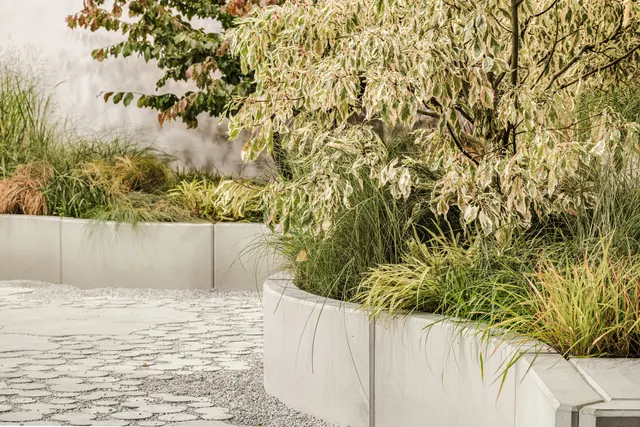
Environmental data should inform substrate choices
Text Joris Hendrickx Beeld Acterra
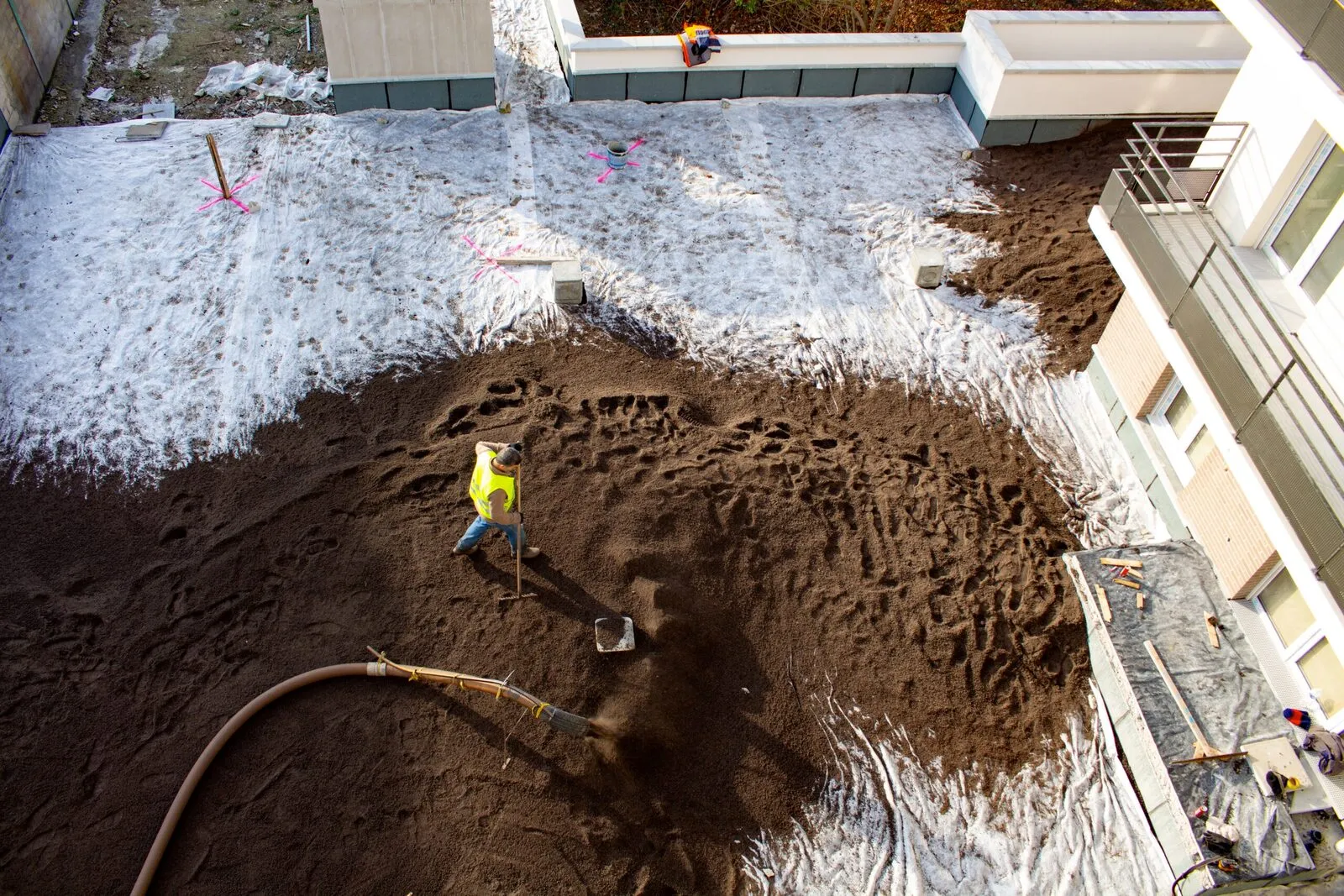
The environmental impact of construction materials such as substrates is becoming easier to measure. Yet this data still plays little part in tenders and purchasing decisions. Bart Geerts, managing director of substrate producer Acterra, believes this means an important opportunity is being missed. He is calling for CO₂ emissions and other environmental performance indicators to be taken into account when selecting materials.
A pioneer in environmental transparency
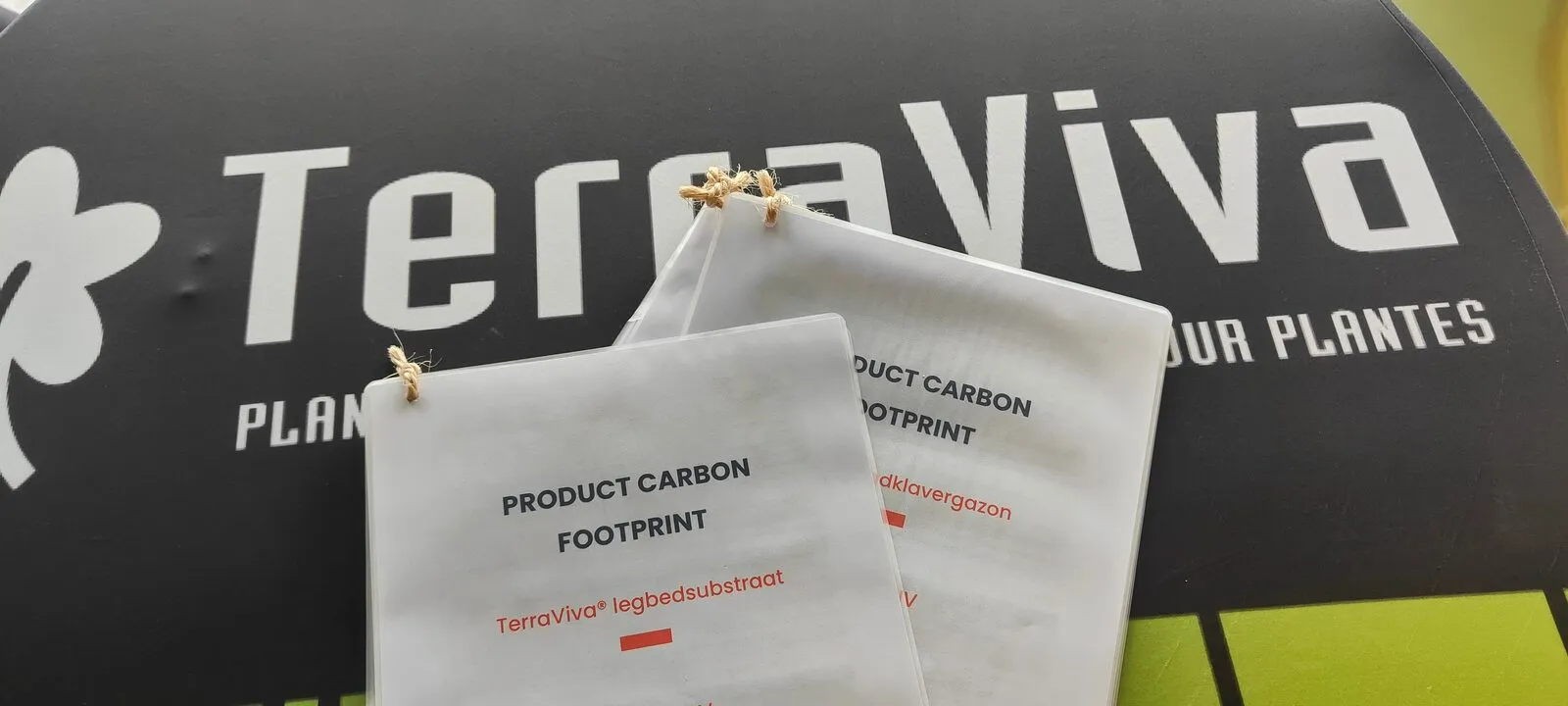
Acterra has been producing substrates under the TerraViva® brand for around twenty years. Geerts has noticed growing attention to their climate impact, particularly over the past five years. The company therefore had the CO2 impact calculated for most of its substrates. “These figures make it possible to compare materials objectively,” says Geerts. “Yet we find that in Flanders, even when prices are the same, people do not automatically choose the product with the lowest impact.”
The producer of roof garden substrates has nevertheless become the first in Belgium to obtain an official B-EPD (Environmental Product Declaration), specifically for its revivA roof garden substrate. As a pioneer in sustainability, Acterra now has fully transparent, independent and validated environmental data on the CO2 impact, raw materials, energy use and life cycle of the substrates it uses.
From data to real impact
According to Geerts, the Netherlands shows how such environmental performance can play a clear role in tenders. The Environmental Cost Indicator, or MKI, translates a product’s environmental burden into a monetary value. For certain tenders, environmental performance can account for up to 30 per cent of the selection criteria. “This gives companies a clear incentive to offer more sustainable solutions,” says Geerts.
“But even without such explicit environmental requirements, contractors can use the data to support more sustainable material choices in their tenders. This gives the end client insight into the impact,” says Geerts. Acterra also considers what happens at the end of a product’s life. For its roof garden substrates, the company can offer a 20-year take-back guarantee. Once taken back, up to 90% of the material can be reused in new substrate. This has a positive effect on the life cycle assessment (LCA) of the substrate supplied.
For Geerts, the next step is therefore to make better use of the environmental data available. “The challenge now is to incorporate it systematically into specifications and tenders, encouraging the whole sector to develop and apply more sustainable solutions. Knowing the environmental impact gives our customers a commercial advantage, but this is still not being used enough.”
Question about this story? Ask your question
Keep following this
Get an email when a new story is published. No account needed.
- ThemeMaterials with a lower environmental impact
- SubjectPublic space