Sewerage & underground infrastructure
Less disruption, greater efficiency: why rigid foam is a strong alternative to flowable concrete
Text Joris Hendrickx Beeld ALV
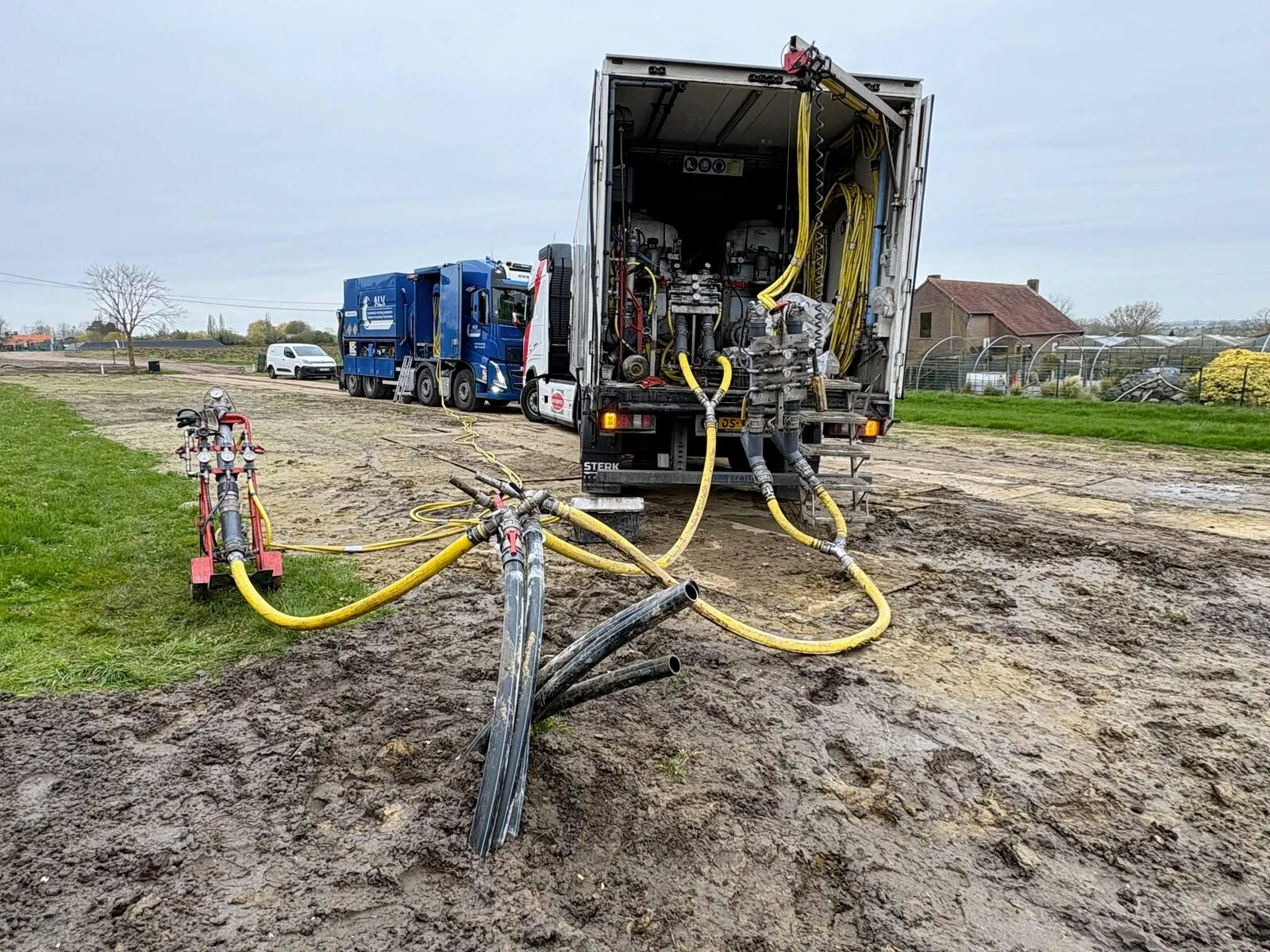
In Belgium, redundant pipes, ducts and tunnels are still often filled with flowable concrete. But an alternative is rapidly gaining ground. According to Johnny Fonteyne, managing director of ALV, Benefil, a load-bearing rigid foam, offers significant advantages in terms of speed, logistics and minimising disruption. Major infrastructure projects such as the Oosterweel connection and the R4 have already shown that this technique readily meets expectations.
Less transport, less disruption
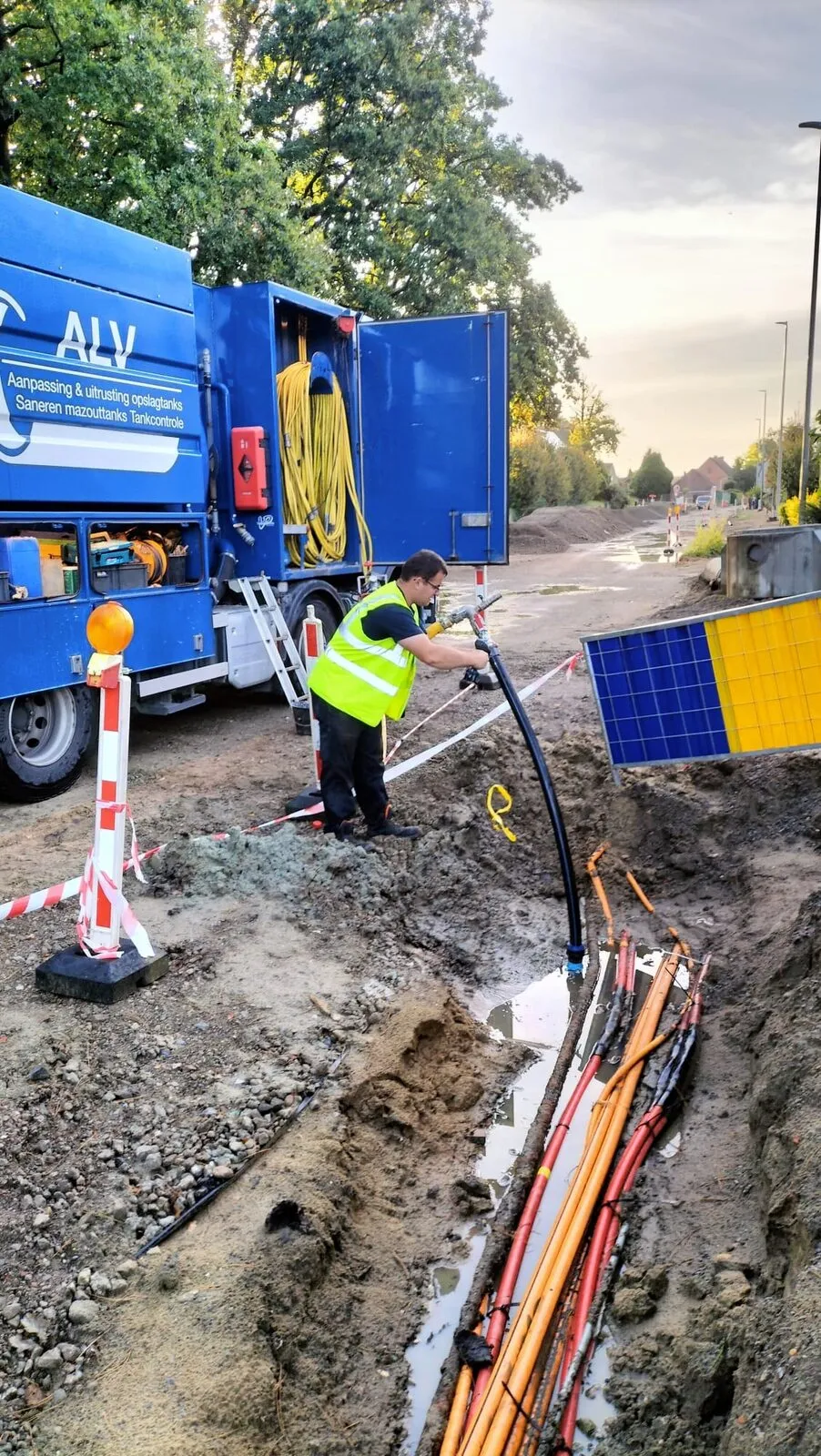
"The biggest gains come from logistics and material savings," says Johnny Fonteyne. "One lorry can fill up to around 200 cubic metres. The same volume of flowable concrete would require a whole convoy of mixer trucks."
That difference has a direct impact on site. Less transport means less disruption to traffic, lower emissions and smoother delivery. This is a major advantage, particularly at busy sites or in urban areas. According to Fonteyne, this efficiency makes the product especially suitable for filling redundant sewers, pipes and other underground infrastructure.
Proven on major infrastructure projects
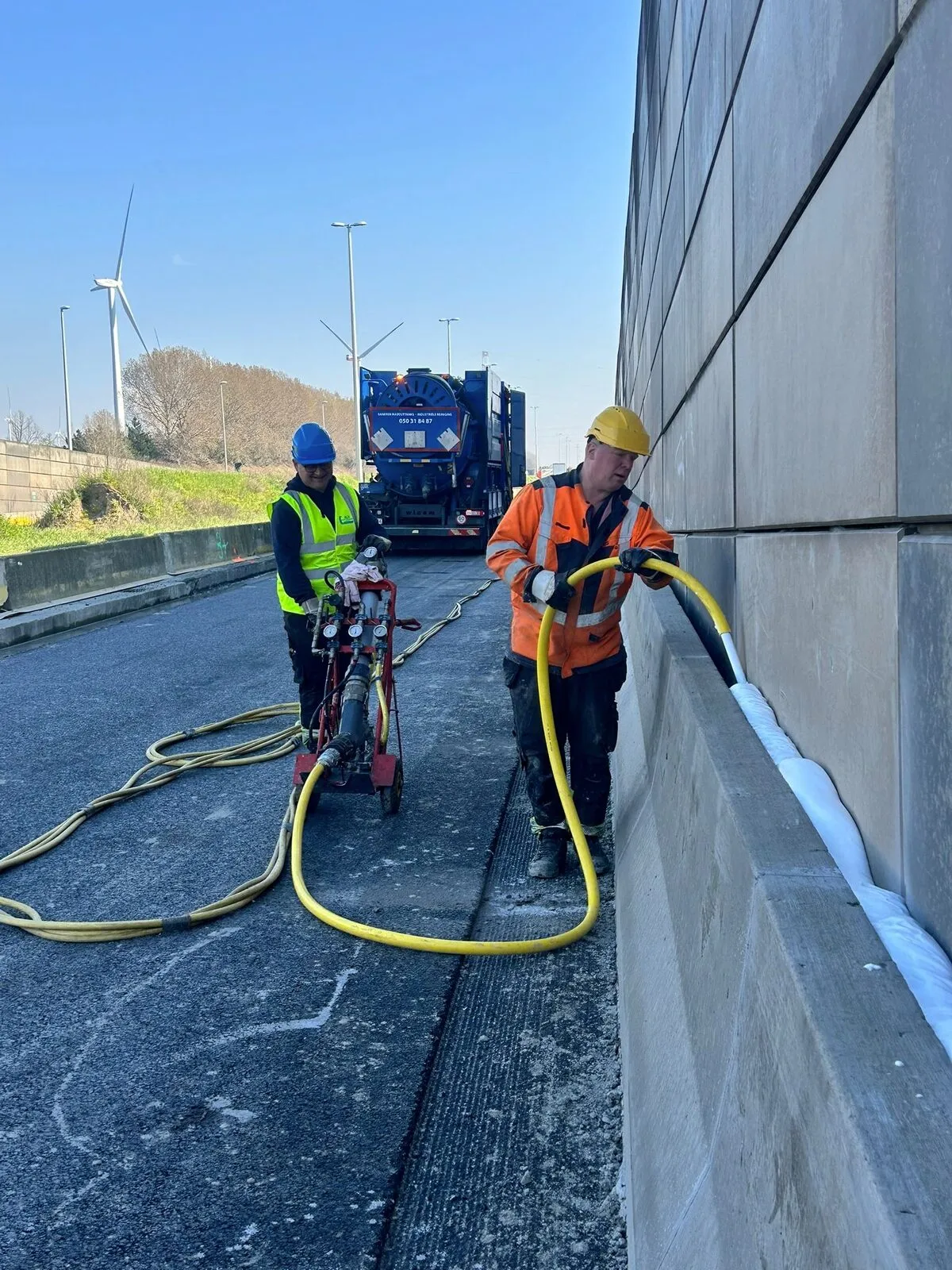
ALV has already used Benefil on several major projects. “For the Oosterweel connection, around ten service ducts beneath the Albert Canal were completely filled around existing cables. This created a stable base that enabled further works to proceed. The filling itself took about half a day,” says Fonteyne.
Benefil was also used on the R4. There, ALV filled a tunnel, two culverts beneath a railway, a smaller culvert beneath the R4, redundant sewers and a water main. According to Fonteyne, these practical examples show that rigid foam can be used for a wide range of applications in road and infrastructure construction.
Sufficient load-bearing capacity for infrastructure
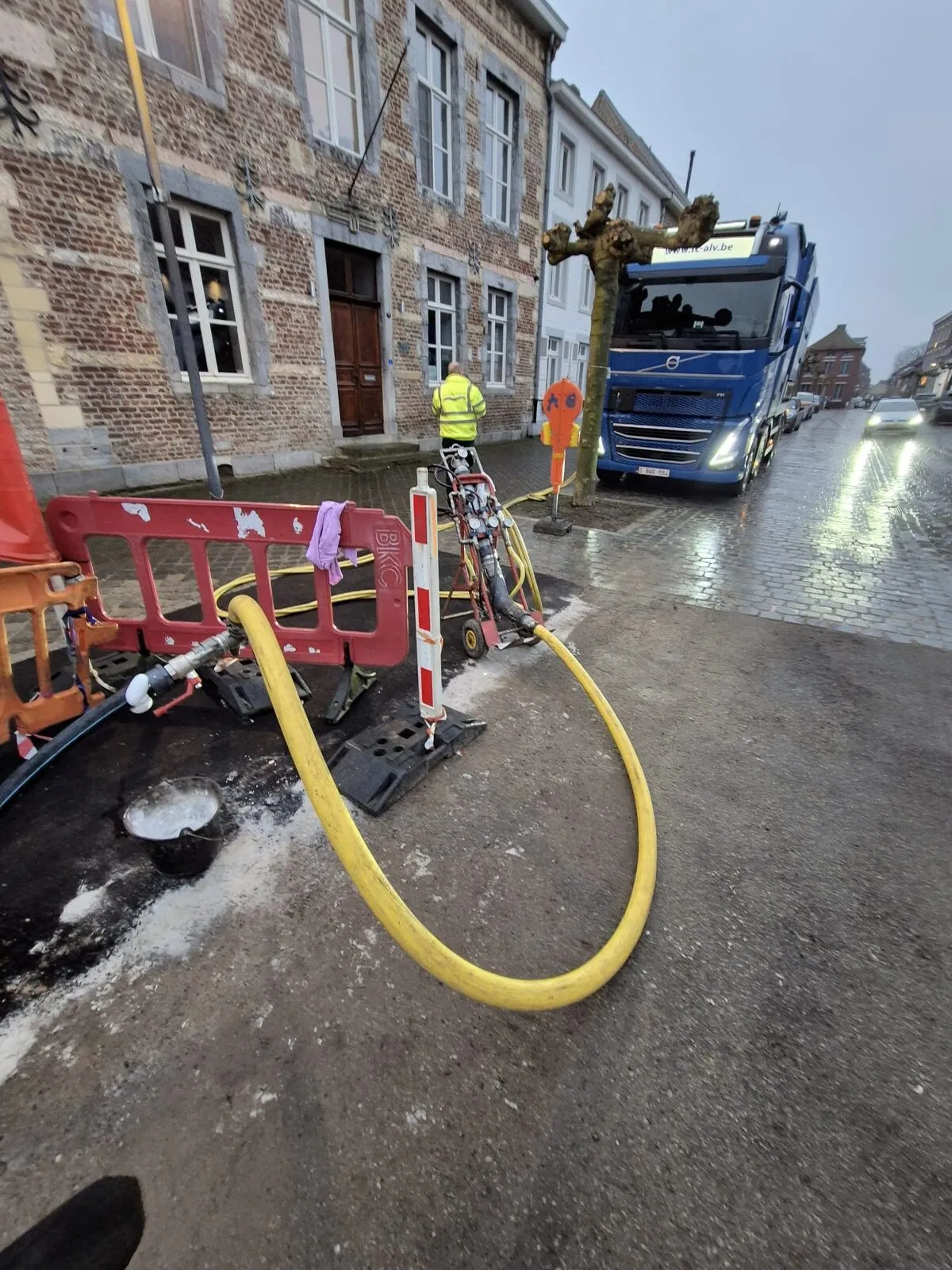
One question that often comes up is load-bearing capacity. Fonteyne understands the concern, but sees little reason for doubt. "Benefil can bear around 15 tonnes per square metre. That is more than sufficient for most roadworks and structures."
However, Belgian specifications still often prescribe flowable concrete as standard. As a result, the alternative does not always get the chance to be assessed objectively. According to Fonteyne, the challenge lies not in the execution, but in how projects are prepared.

Time for a different perspective
More and more contractors now have experience with Benefil rigid foam. Companies such as Besix, Stadsbader, Casteleyn, Aquaenergia, Aquafin and Viabuild are already using the material. "But design consultancies also need to be convinced," Fonteyne concludes. "Once the product is included in specifications more often, its use will grow naturally. In the Netherlands, it is already used much more widely."
He believes that is the key to the future. Practical experience shows that Benefil is fast, efficient and reliable. The priority now is to ensure that this experience is systematically shared with designers and specification writers, so that innovative solutions are given a full place more often in infrastructure projects.
Een zakelijke vraag aan ALV bvba? Get in touch
Companies in this story

Keep following this
Get an email when a new story is published. No account needed.
- SubjectSewerage & underground infrastructure
- CompanyALV bvba
- CompanyViabuild