Concrete as the foundation for climate-resilient cities
Text and images Febelcem
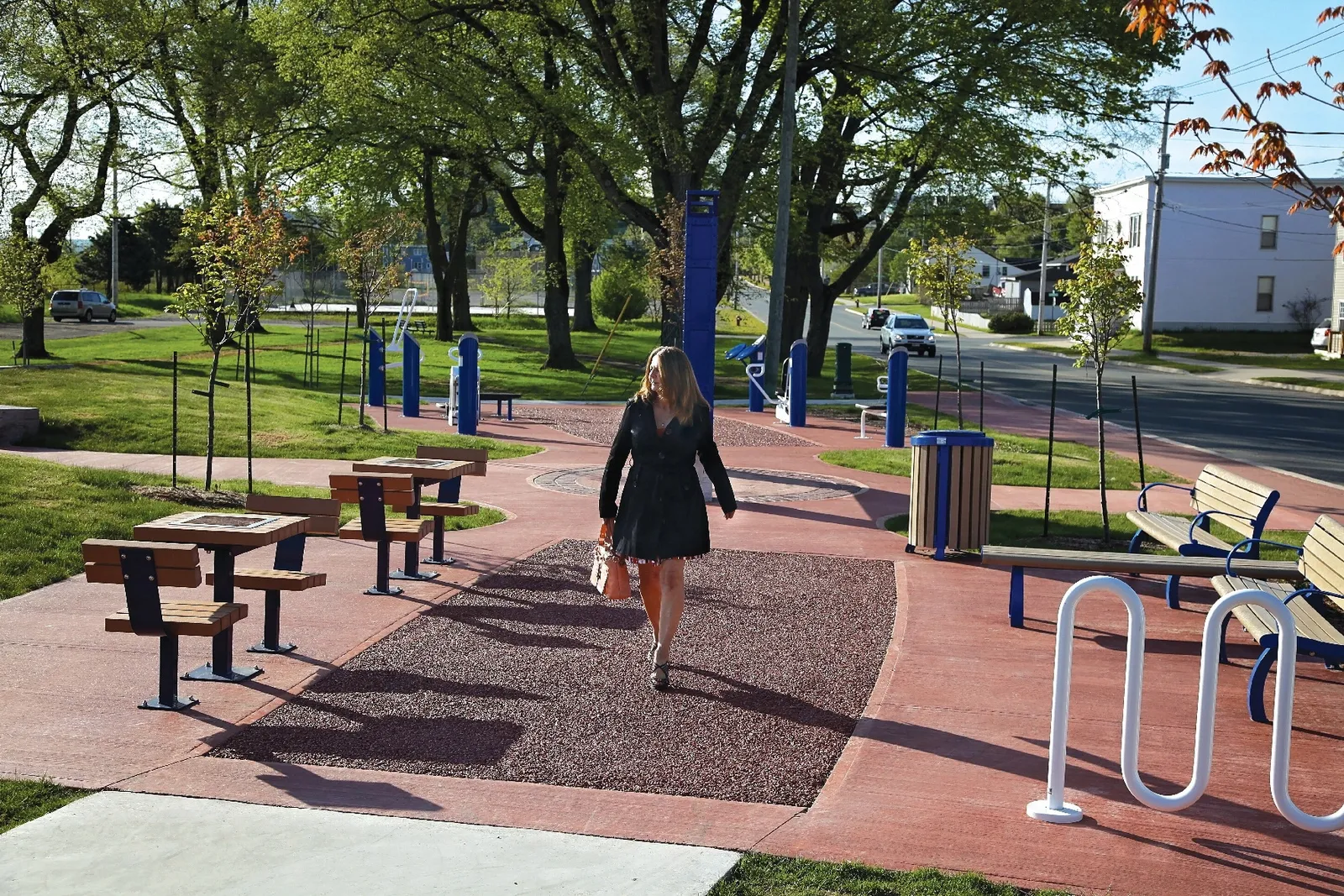
What if we stopped seeing water management as a challenge and started seeing it as an opportunity? Water infiltration is increasingly being given a creative role in public spaces. By capturing and managing rainwater intelligently, we can not only address climate challenges but also enhance the quality of the urban environment. Squares, streets and parks become greener, more attractive and more pleasant when water is an integral part of the design.
More and more cities and municipalities are choosing not to drain rainwater away as quickly as possible, but to capture and reuse it on site, integrating it visibly into the environment. This shift is necessary. Climate change is bringing more intense rainfall and longer periods of drought. At the same time, urbanisation is increasing the amount of impermeable surface. As a result, less water can seep into the ground, leading to falling groundwater levels and a greater risk of both flooding and water shortages.
Restoring the natural water cycle
The key lies in restoring the natural water balance. Rainwater is captured as close as possible to where it falls, temporarily stored and, where possible, allowed to infiltrate into the ground. This reduces pressure on the sewer system while replenishing groundwater, which is crucial during dry periods.
There are several techniques for achieving this: infiltration ditches and pits, rainwater tanks and larger retention basins. Green roofs also play a part by temporarily retaining water and releasing it gradually. Permeable paving is also becoming increasingly important: it allows water to pass through, after which it is stored locally or slowly infiltrates into the ground.
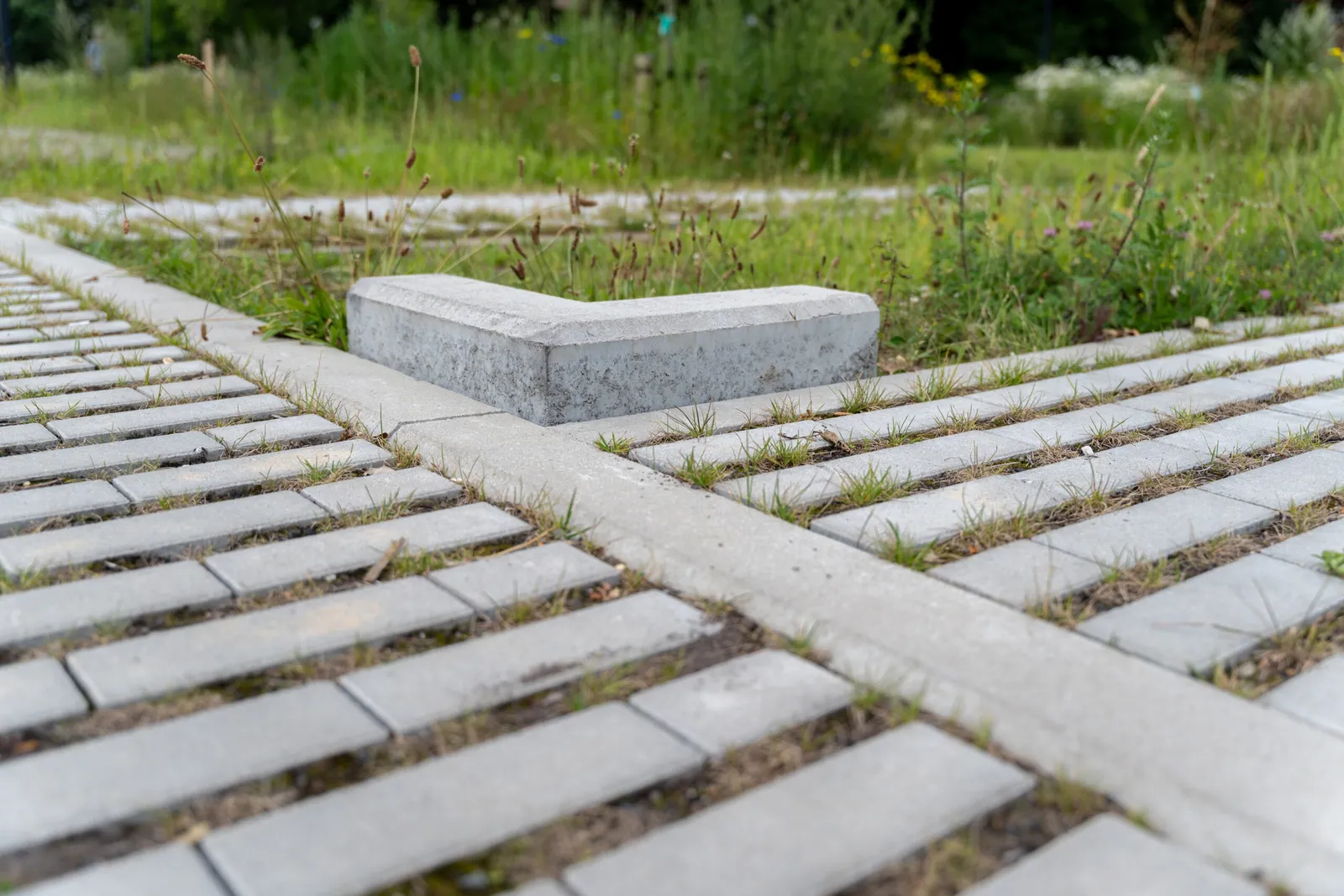
At street level, too, we are seeing more and more innovative applications. Cities are creating green streets where conventional paving is replaced with porous materials such as grass concrete pavers, permeable concrete paving blocks or in-situ cast porous concrete paving. Rainwater infiltrates on site, easing the burden on the sewer system while creating more green space and a more pleasant living environment.
Water as part of the landscape
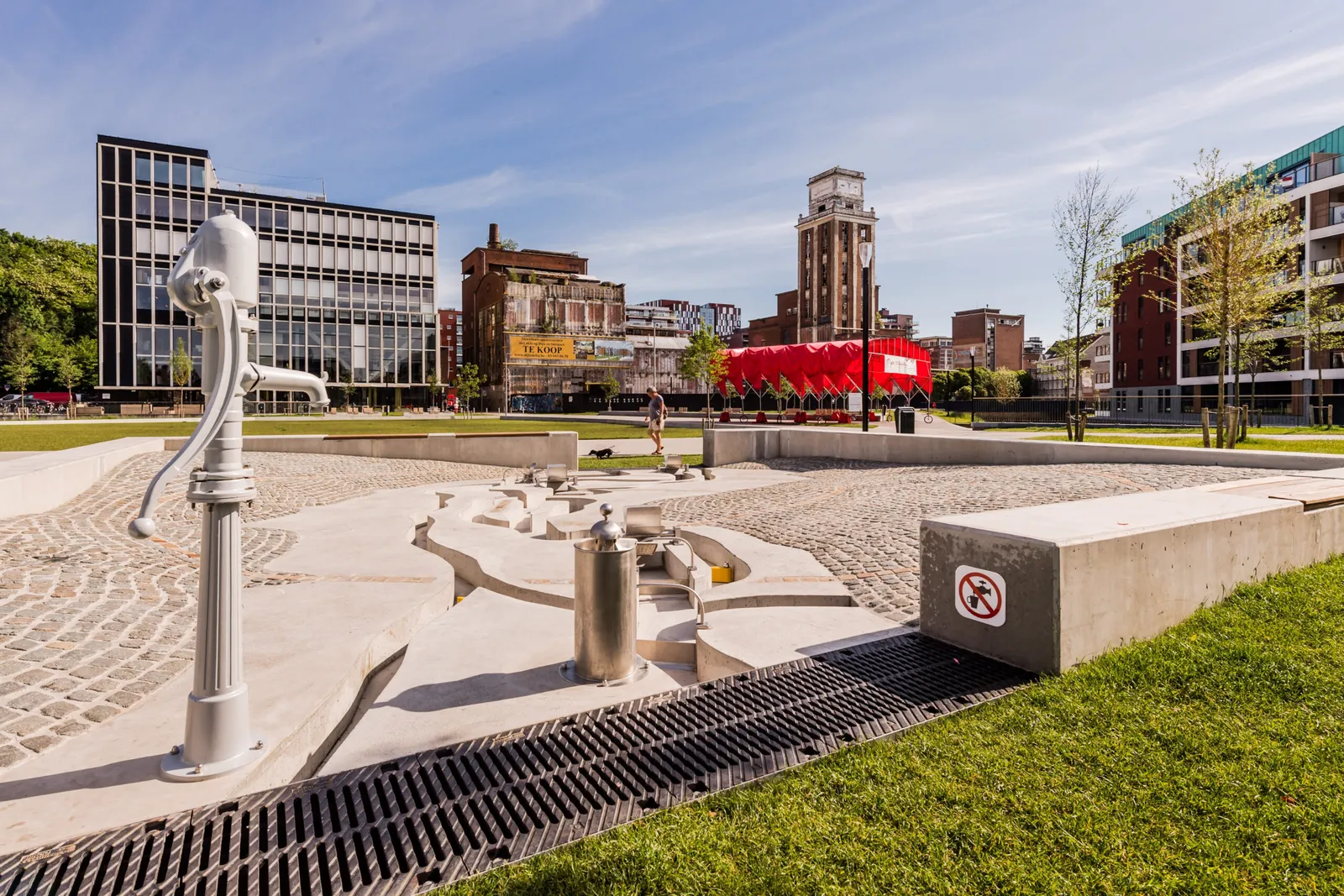
These technical solutions are increasingly being combined with a focus on spatial quality. At Sluispark in Leuven, water is a visible part of the design. Seating steps and robust banks ensure safety and accessibility, while a fish pass enhances ecological value. Thanks to a subtly designed concrete slab, the water playground echoes the contours of the landscape and invites interaction. Water thus becomes an element that both shapes the space and enriches the experience.
Innovation underground
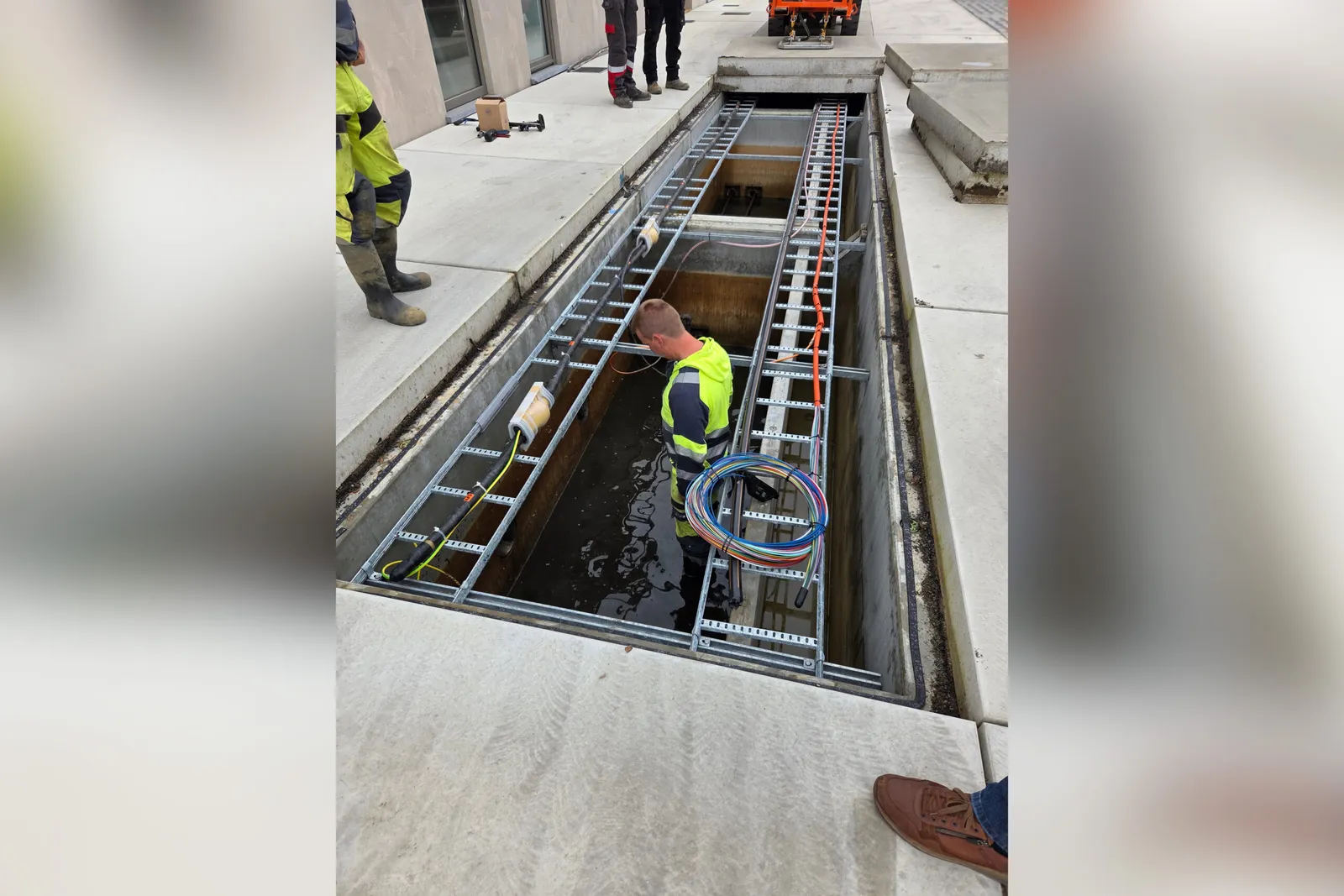
There are also opportunities for innovation underground. At ‘De slimme straat’ in Wiekevorst, modular concrete storage chambers temporarily store rainwater beneath the road surface. This captures large volumes of water without taking up extra space. The water is then released gradually or allowed to infiltrate into the ground. Utility pipes and a tree planting pit are even integrated into the same structure. The result is a multifunctional system that combines water management, infrastructure and greening in a limited area.
Concrete, the material of choice
Choosing the right material is crucial. Concrete is particularly well suited to water management applications, not only for storage but also for transporting and treating water. Thanks to its structural strength, durability and long service life, it can withstand heavy loads and prolonged exposure to moisture with ease. This makes it a reliable solution for both above-ground and underground infrastructure.
Water as a valuable resource
A clear shift in mindset runs through all these developments: water is no longer seen as a by-product to be drained away as quickly as possible, but as a valuable resource. Managing it intelligently and integrating it visibly creates a system that contributes to the quality of public spaces.
The future of urban water management lies in an integrated approach that brings together engineering, design and ecology. By giving water a central place in public spaces, we are building cities that are better equipped to withstand extreme weather and more pleasant places to live.
Question about this story? Ask your question
Keep following this
Get an email when a new story is published. No account needed.
- ThemeSpace for water and green infrastructure
- SubjectConcrete