“Working near water is not without risks”
Text Niels Rouvrois Beeld RelyOn
As a specialist in safety and survival training, emergency response and crisis management, RelyOn supports and trains companies in safety. More and more construction companies are recognising that being prepared is everything. Risk management and training for working in confined spaces are becoming increasingly important, and awareness of safety when working by or on the water is also growing. “Don’t hesitate to bring in the necessary expertise, because an accident can exact a very high toll, both physically and emotionally,” says Roel Proesmans, senior instructor and consultant at RelyOn.
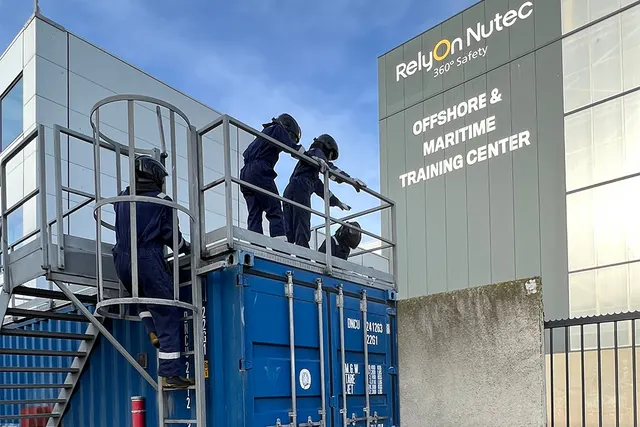
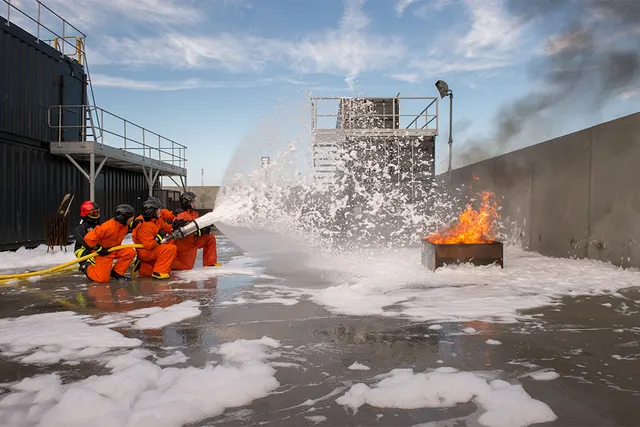
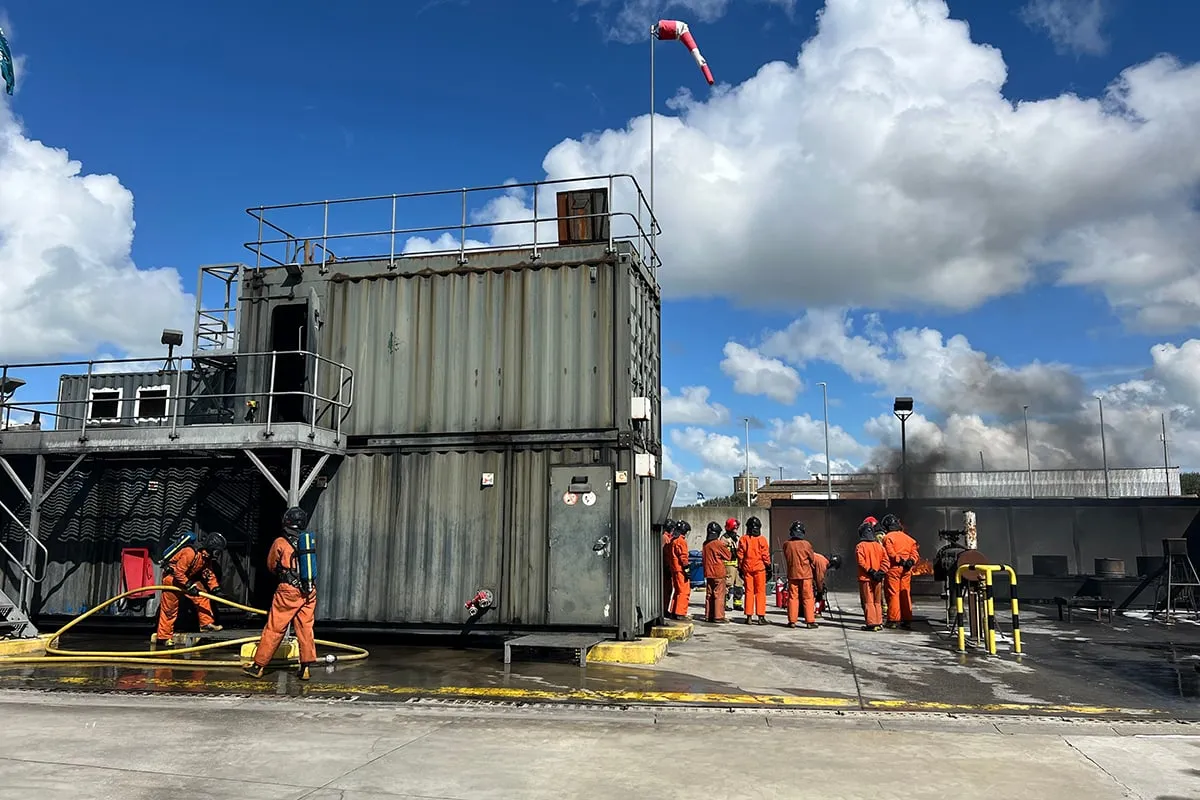
RelyOn is an international provider specialising in training for a range of industries. In Central Europe, RelyOn has training centres in Oostende, Rotterdam, Amsterdam, Bremerhaven and Gdansk. Professionals from companies and emergency services are trained to prevent and respond to incidents in a realistic environment, using every kind of incident scenario. This includes the ‘Working safely near water’ course.
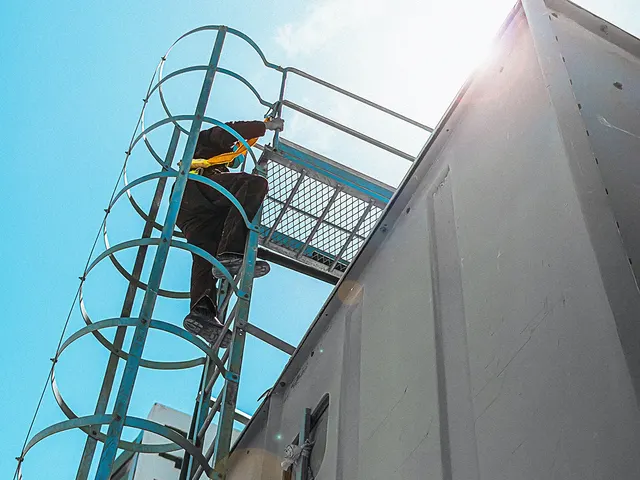
Quay walls, canal bridges, locks … infrastructure works are carried out by and on the water all year round. And they are not without their dangers. “It all starts with a detailed risk assessment,” says Roel Proesmans. “You must always identify and assess the specific hazards. Near water, these typically include hypothermia, slipping, exposure to hazardous substances, drowning and disorientation … A lot can go wrong. RelyOn acts as a specialist partner, helping employers and employees to protect themselves as effectively as possible against these hazards, through both training and consultancy.”
Controlled environment
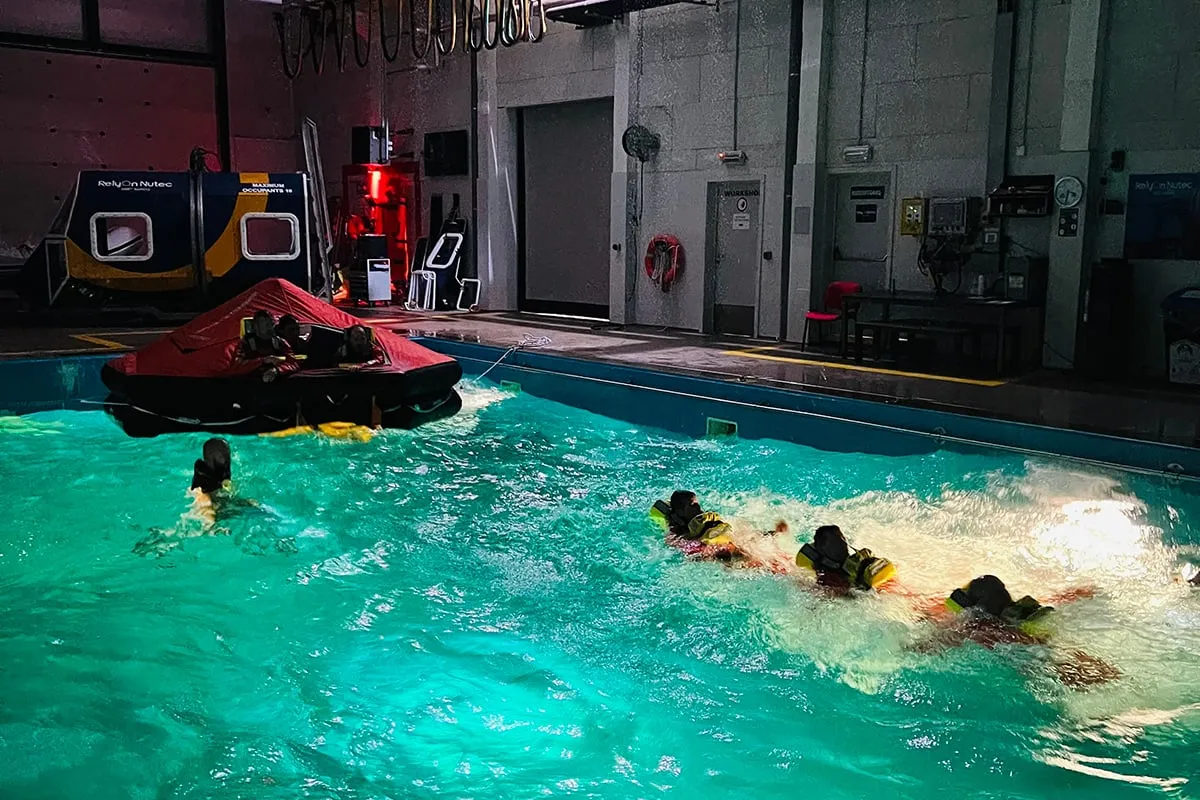
The training is generally delivered in a controlled environment that is safe for both instructors and clients. Roel Proesmans: “We have a swimming pool where we can simulate all kinds of dangerous situations: waves, rain, wind, lightning … We focus on self-rescue, but also cover rescuing colleagues. For example, we explain the principles of CPR using an AED. Every course begins with a theory session, as well as the practical training, during which we discuss the responsibilities of both the employer and the employee. Neither the General Regulations for Labour Protection (ARAB) nor the Codex on Well-being at Work lays down every detail, but employers are expected to exercise their duty of care: they must provide their employees with proper training and create a safe working environment.”
Complacency must go
Safety is a constant focus in the construction sector, but there is still significant progress to be made. Roel Proesmans: “There is still a degree of complacency about safety, with people thinking: ‘It’ll be fine’ or ‘We’ve been working this way for ten years’. But something can happen the very next day because of inadequate protection. Working near water also brings a number of specific hazards. I’m still sometimes surprised by how casually people treat safety. Much of it comes down to inadequate equipment. Working near water requires highly specialised personal protective equipment. Think of insulating clothing, dry suits and a lifejacket with a minimum buoyancy of 275N to protect against hypothermia or prevent skin contact … We also provide the latest guidance on equipment and procedures.”
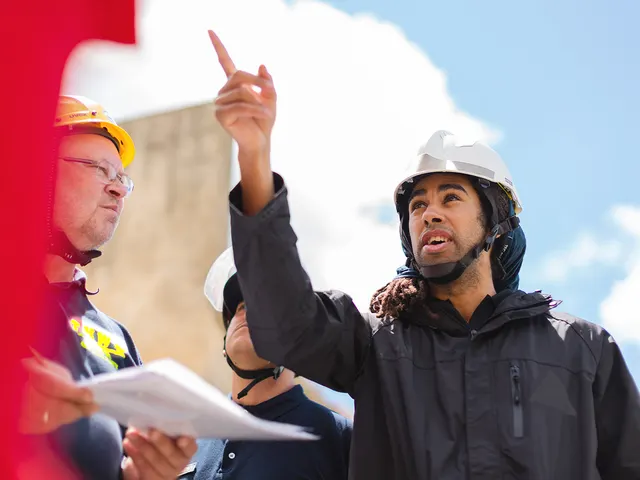
As well as providing tailor-made training, RelyOn also acts as a consultant at project level, offering general advice or carrying out audits. Roel Proesmans: “We visit the site to assess the situation, and here too, the whole process starts with a risk assessment. On that basis, we can advise the safety advisers, who may not always have specialist knowledge. We carry out a thorough assessment not only of the work procedures, but also of the surroundings. Where should warning signs be placed? Which footpaths and towpaths need to be closed?”
Serious consequences
As mentioned earlier, every employer has a duty of care to protect their staff as effectively as possible. The importance of appropriate education and training should therefore not be underestimated. Roel Proesmans: “As an employer, you are responsible for the health and hygiene of your employees in the workplace. An accident can happen in an instant, and if it is caused by a failure in safety policy, it can result not only in serious physical and emotional harm, but also significant reputational damage for the company. There is also the psychological impact on colleagues who witness the accident, are unable to help and are left traumatised. The consequences can be extremely serious.”
Confined spaces
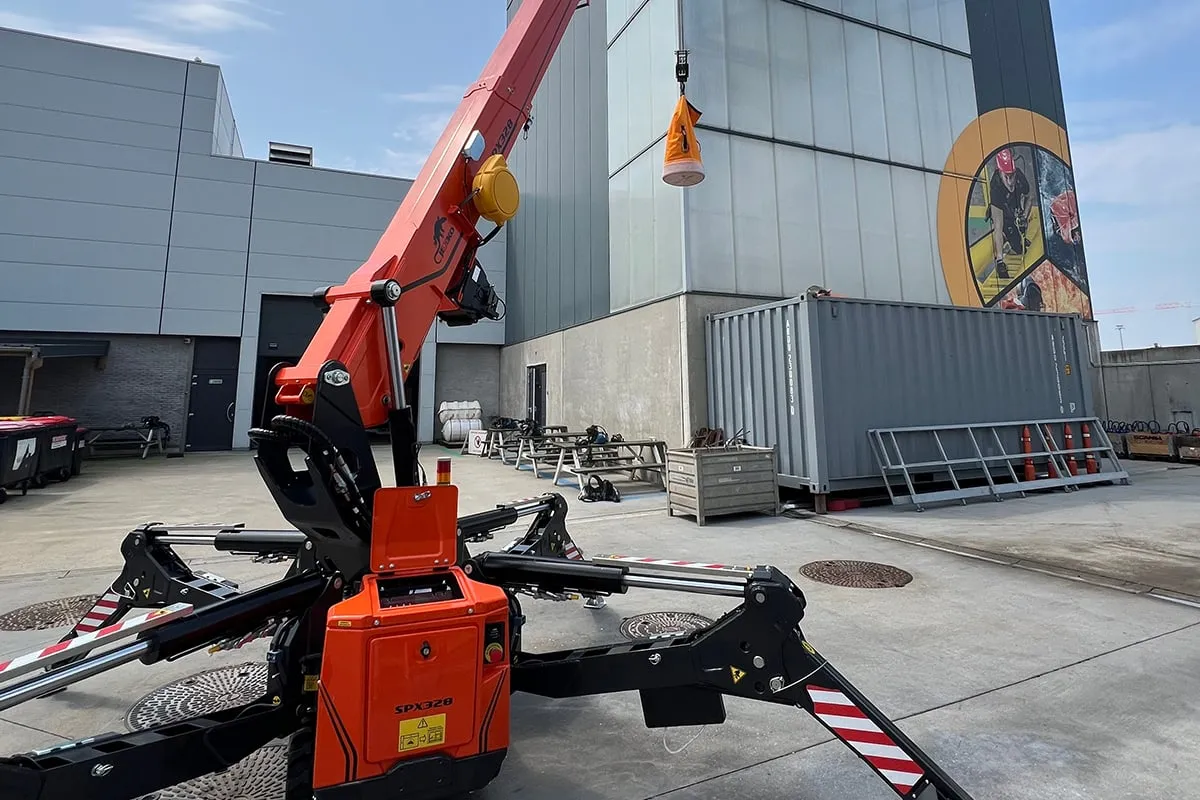
With its extensive range of safety courses, RelyOn serves virtually the entire infrastructure sector. Risk management and training for working in confined spaces, as well as training for tower crane users, are among the company’s core activities. Its accreditation by Aquafin and strategic alliance with, among others, Constructiv are proof of this. One example is the safety watch course for entry into Aquafin sewer and wastewater treatment plant infrastructure. To ensure safe working conditions, Aquafin prescribes minimum safety measures. Contractors, engineering firms, cleaning companies and Aquafin staff who need to enter the sewer system or a wastewater treatment plant as part of their work, or who perform the role of safety watch, are therefore required to complete a training course. They may only start work after completing and passing the course.
Een zakelijke vraag aan RelyOn Belgium? Get in touch
Companies in this story
Keep following this
Get an email when a new story is published. No account needed.
- SubjectPeople & training
- CompanyRelyOn Belgium