









Summer 2026 exposes the vulnerability of European infrastructure
Text Joris Hendrickx Beeld Cristina Deidda (VUB)
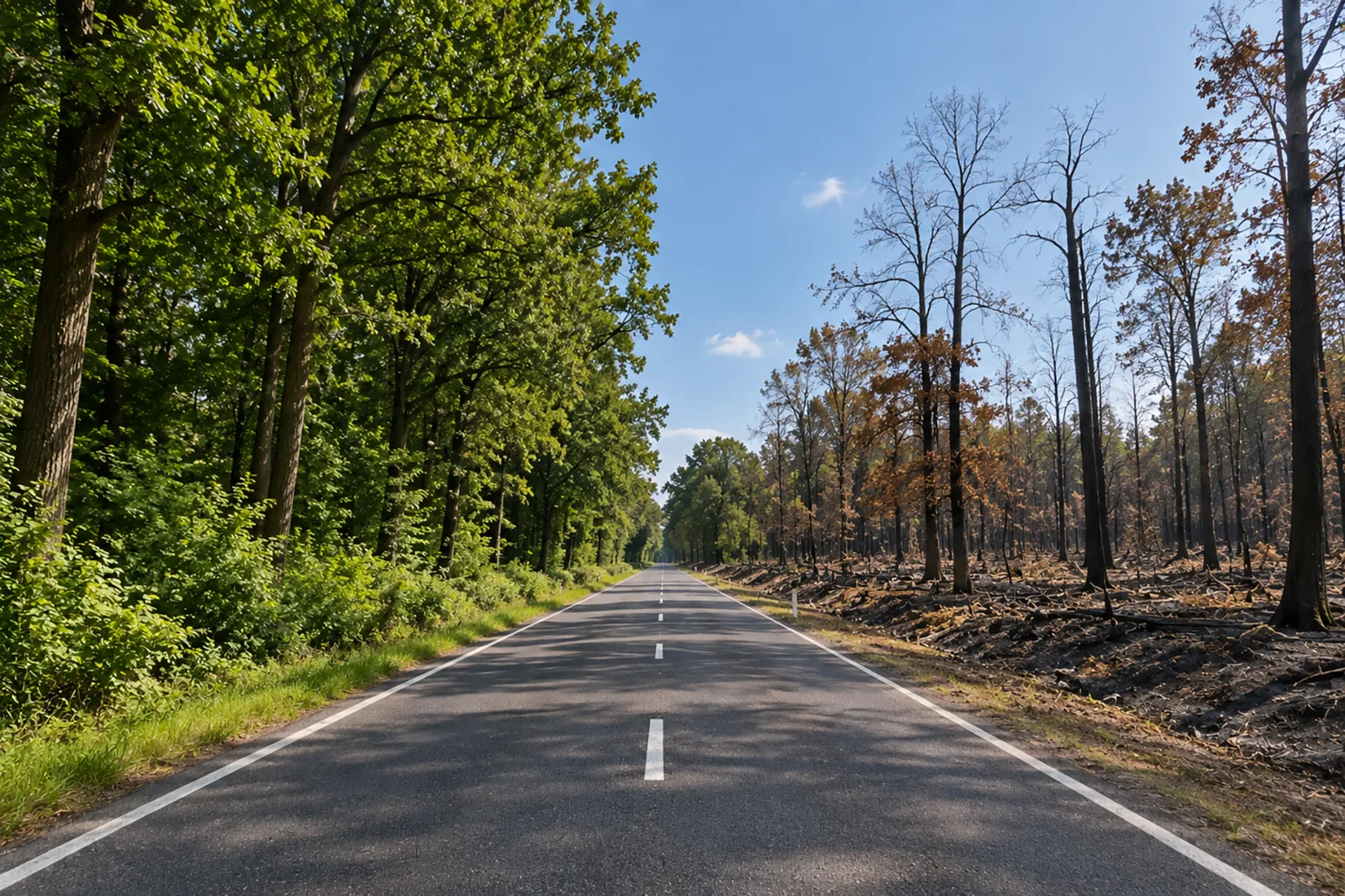
VUB study analyses the impact of climate change on infrastructure
The hot, dry summer that has gripped Europe in recent months has brought a growing problem into sharp focus. Our roads, railways and waterways are not adequately prepared for a rapidly changing climate. Prolonged heat and drought are placing increasing pressure on materials and water systems. A new European study led by Vrije Universiteit Brussel (VUB) highlights this vulnerability. Without additional measures, extreme weather is likely to disrupt the operation of our transport infrastructure more frequently.
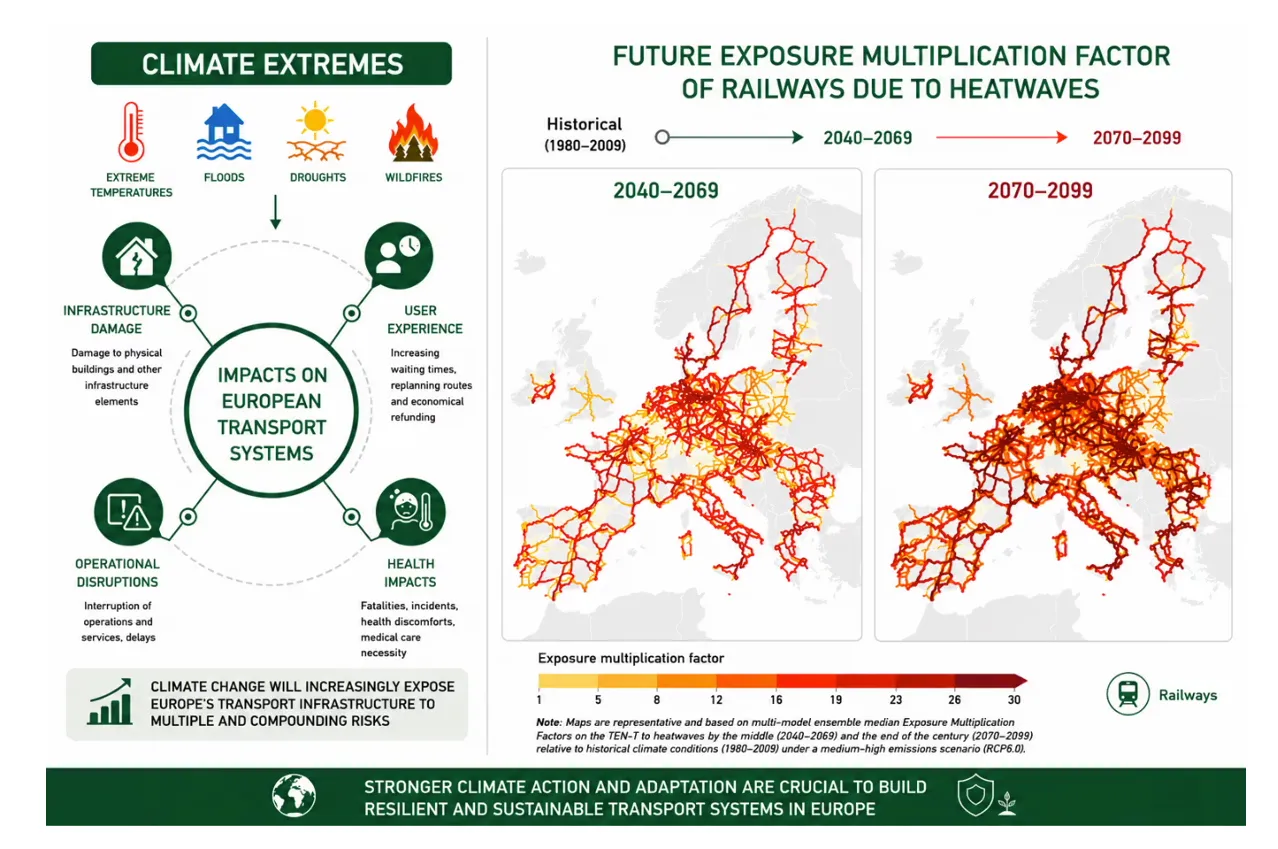
Heat is becoming an ever greater challenge
Researchers analysed climate risks for the Trans-European Transport Network (TEN-T). This European network includes major roads, railways, ports, airports and inland waterways. They examined exposure to heatwaves, drought, river floods and wildfires. The figures for heat are particularly striking. Under medium-to-high emissions scenarios, exposure rises sharply. Compared with historical conditions, some parts of the network could experience heatwaves 20 times more often by the middle of this century.
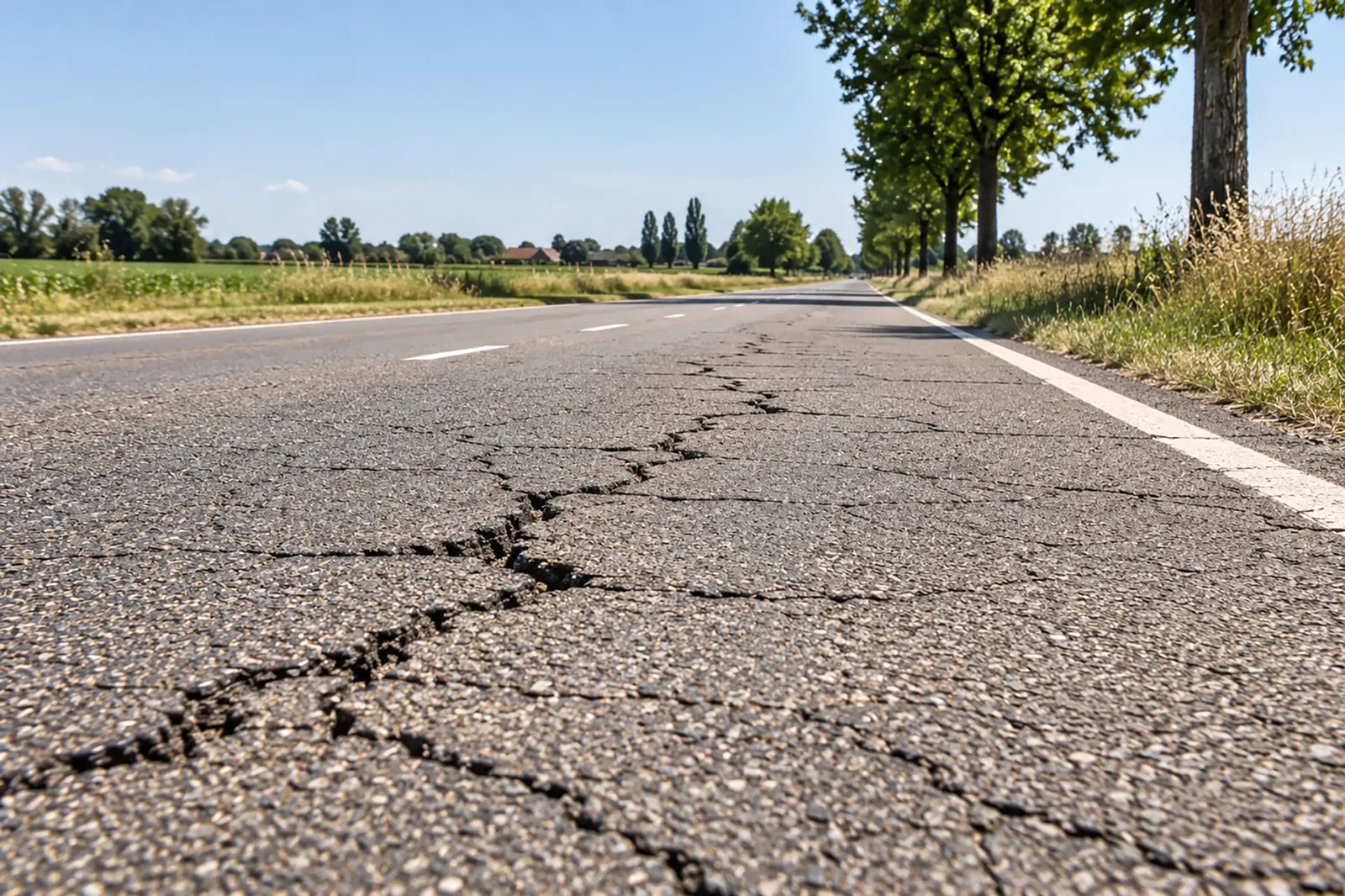
This is a key concern for road construction. High temperatures affect asphalt and other materials. Road surfaces can deform and rails can expand. Road signs and other infrastructure components are also put under severe strain. Roads and railways in some regions are also likely to face wildfires much more frequently, particularly in the Mediterranean region. This summer has offered a preview of the conditions infrastructure managers can expect to encounter more often.
Drought also affects water engineering
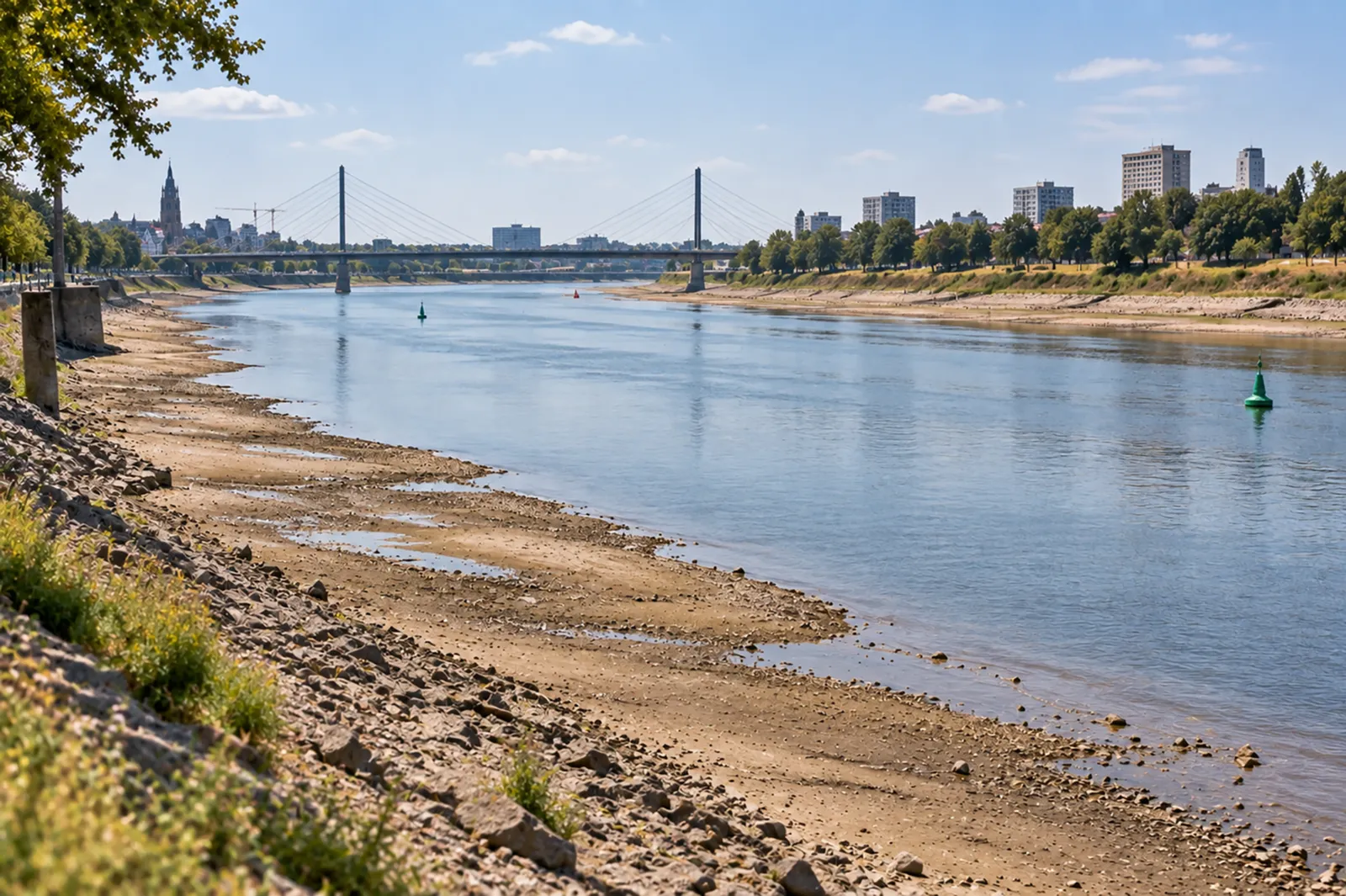
Alongside heat, prolonged drought poses a growing risk. Managers and users of European inland waterways are among those most affected. Low river levels reduce available draught, forcing vessels to carry less cargo. The dry summer of 2018 already demonstrated the economic consequences. Water levels in the Rhine fell sharply, disrupting shipping and causing economic losses of €2.4 billion in Germany alone. This summer, too, persistent drought led to historically low water levels.
According to the study, by the middle of this century more than half of Europe’s inland waterways could face drought for the first time. This affects not only inland shipping. Ports, logistics companies and industrial sites also depend on reliable waterways.
This makes robust water-level monitoring systems increasingly important for water engineering. Retaining water for longer and distributing it more intelligently are becoming ever more important. This also applies in Flanders, where drought and waterlogging are alternating ever more rapidly.
Preparing for more than drought
The dry conditions this summer must not divert attention from the other side of the climate challenge. A warmer atmosphere also increases the risk of intense rainfall. Infrastructure managers therefore need to prepare for both water shortages and floods. The floods of 2021 made this vulnerability painfully clear. Belgium, Germany and the Netherlands were hit by severe rainfall. Roads and railways were damaged and connections were disrupted. The new study therefore highlights the importance of considering multiple risks at the same time. By the end of this century, exposure to river floods could increase locally by up to eightfold.
Climate-resilient construction becomes a prerequisite
This presents a clear challenge for clients, designers and contractors. New infrastructure must do more than meet today’s conditions. Designs need to account for extreme events that may occur over their entire service life. This calls for heat-resistant materials, robust foundations and sufficient space for water. Maintenance also deserves greater attention. Timely intervention extends service life and reduces vulnerability during extreme conditions.
At the same time, the research shows that reducing emissions makes a major difference. Ambitious climate policy significantly lowers future exposure to heat and drought. The hot, dry summer of 2026 reinforces a message that is becoming ever more urgent for the civil engineering sector: climate-resilient infrastructure is not a challenge for the future. It belongs in every design, specification and investment plan today.
Question about this story? Ask your question
Keep following this
Get an email when a new story is published. No account needed.
- ThemeStrengthening waterways and coastlines
- SubjectGeneral







