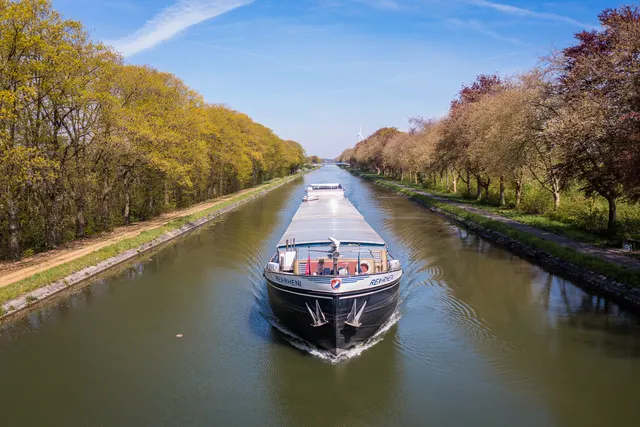
Belgium’s water paradox: hidden water risks call for an integrated approach
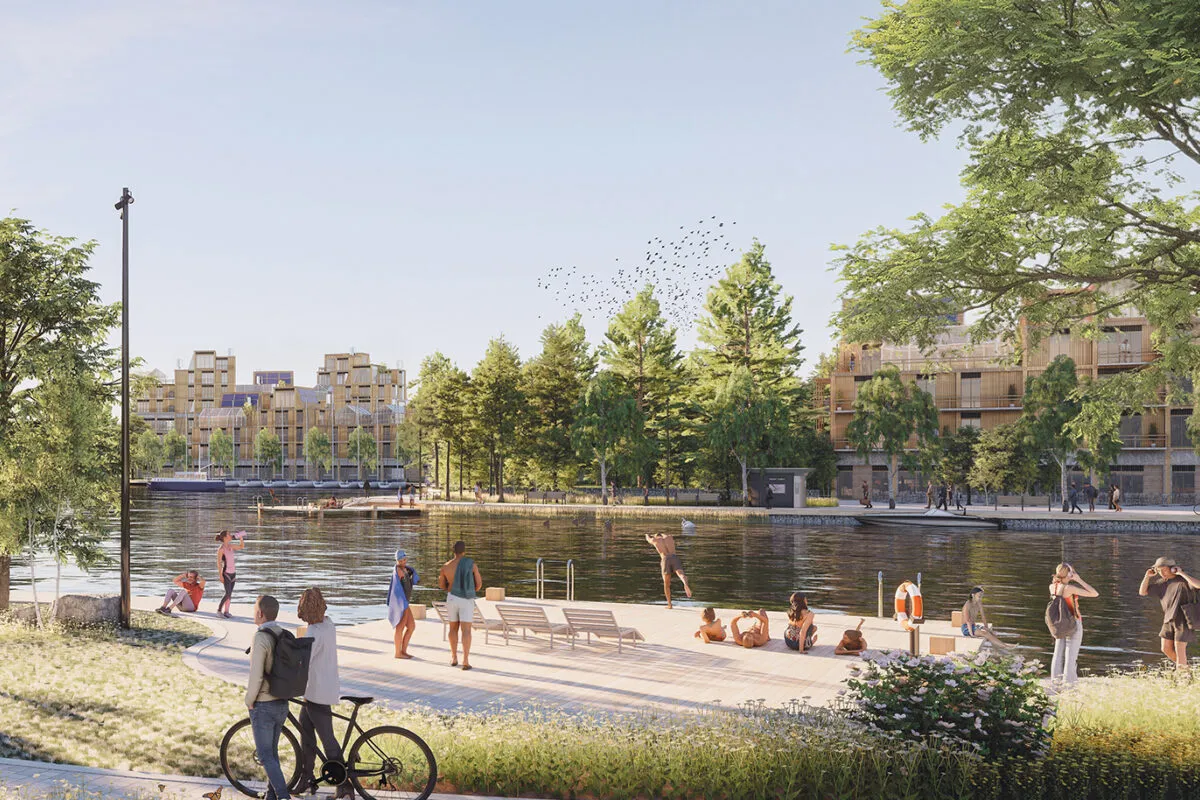
Belgium is known for its wet, grey weather, yet it ranks among the European countries with the highest levels of water stress. Although it rains for around 200 days a year on average, Belgium ranks 18th out of 25 European countries facing extreme water stress. This is according to a new analysis by Sweco, which warns of hidden water risks arising from the combination of drought, flooding and water pollution.
Noémi Van Bogaert
Water expert and co-author
“Water challenges do not exist in isolation, but are closely interconnected. An integrated systems approach is essential to manage risks and make water systems sustainable and fit for the future.”
The heart of the problem lies not so much in rainfall as in water management. Flanders in particular, with its dense network of small waterways and limited number of major watercourses, has a vulnerable system. Historically, the water system was designed to drain water quickly to prevent flooding. Today, that approach is at odds with a context in which industrial activity, high population density and intensive agriculture place heavy demands on water resources, while climate change is bringing increasingly prolonged periods of drought.
Across Europe, around 20% of the land area and 30% of the population face water stress each year. At the same time, 32% of groundwater is under pressure from diffuse pollution from agriculture, industry and households, while micropollutants such as pharmaceuticals and PFAS are found in almost all water bodies. Belgium is no exception.
From drainage to circular, resilient water management
Antwerp is one example in Belgium, where urbanisation and groundwater abstraction are causing low groundwater levels, drought and salinisation. As part of Flanders’ Blue Deal, a circular water network was developed to bring treated water from the Schijn river back into the city. After treatment to remove nutrients and micropollutants such as PFAS and pesticides, the water is used for groundwater recharge and irrigation of urban green spaces. The possibility of reusing this water as greywater in large public buildings is also being explored.
Advanced treatment to tackle micropollutants
Flanders is also making significant progress in water quality. The first full-scale quaternary treatment plant was recently commissioned in Aartselaar. It removes persistent substances such as pharmaceutical residues, pesticides and PFAS from wastewater, and serves as a pilot project for future applications in Flanders. The plant improves water quality in waterways including the Grote Struisbeek, while also creating opportunities for future water reuse.
Investing in water pays off
The analysis also highlights a growing gap between the actual long-term costs of water and the costs reflected in tariffs and investment decisions today. Ageing infrastructure, stricter regulations and climate risks call for targeted investment. Adding advanced treatment to remove micropollutants would increase water costs for households by around 6% on average, a modest rise compared with the societal costs of doing nothing.
Six actions for a water-resilient Belgium
To strengthen water systems, Sweco proposes 6 practical actions:
- Make water risk assessments standard practice
- Develop long-term water strategies for cities and municipalities
- Invest in the timely renewal of ageing infrastructure
- Prioritise resilience in water management
- Explicitly factor water risks into credit, investment and insurance frameworks
- Promote smart land use and nature-based solutions
Projects in Antwerp and Aarschot, among other places, show that this approach works in Belgium, provided water is no longer addressed sector by sector, but holistically.
Read more in the report Too much, too little, too polluted, Taking on Europe’s water challenges.
Question about this story? Ask your question
Keep following this
Get an email when a new story is published. No account needed.
- SubjectHydraulic engineering