Multi-million-euro investment prepares railways for a digital future
Text Joris Hendrickx Beeld Infrabel
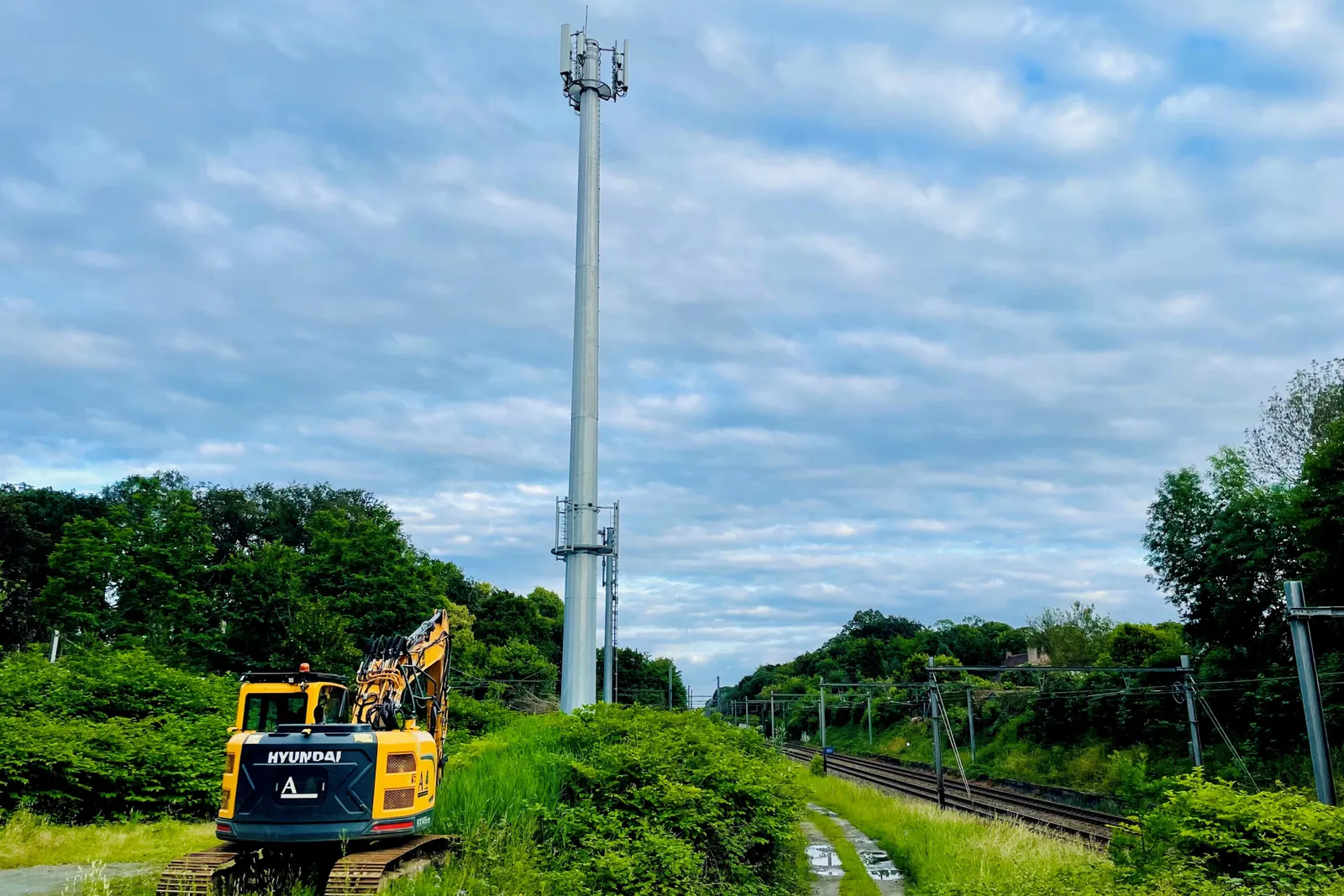
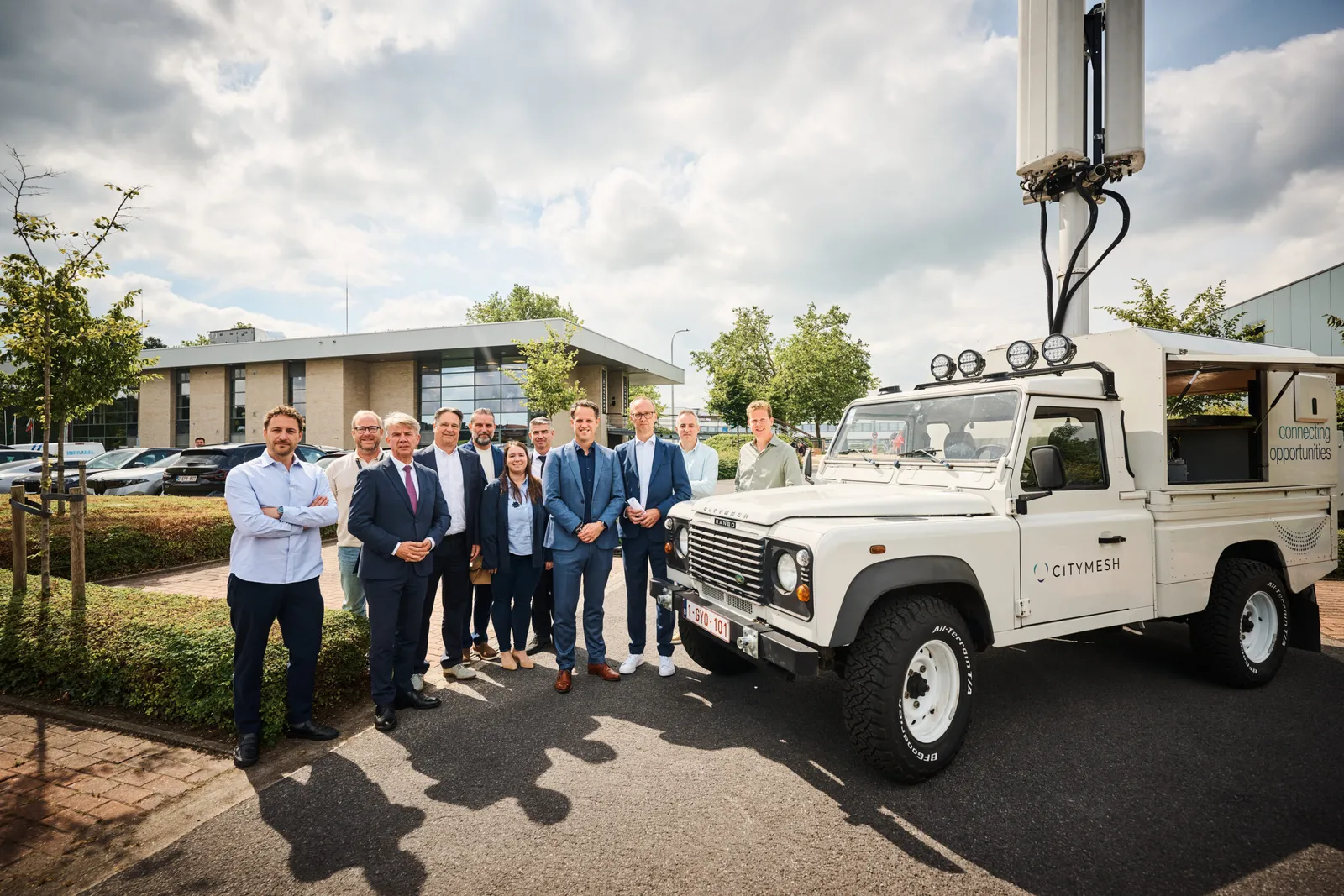
Infrabel is investing more than €4 million in modernising its railway communications. West Flanders telecoms company Citymesh will modernise 150 so-called ‘GSM-R sites’ and prepare them for the move to 5G. These telecoms installations, designed specifically for railways, enable signal boxes and trains to communicate directly and safely with one another. The partnership provides the foundation for tomorrow’s digital rail infrastructure.
Dedicated communications network, vital for safe train operations
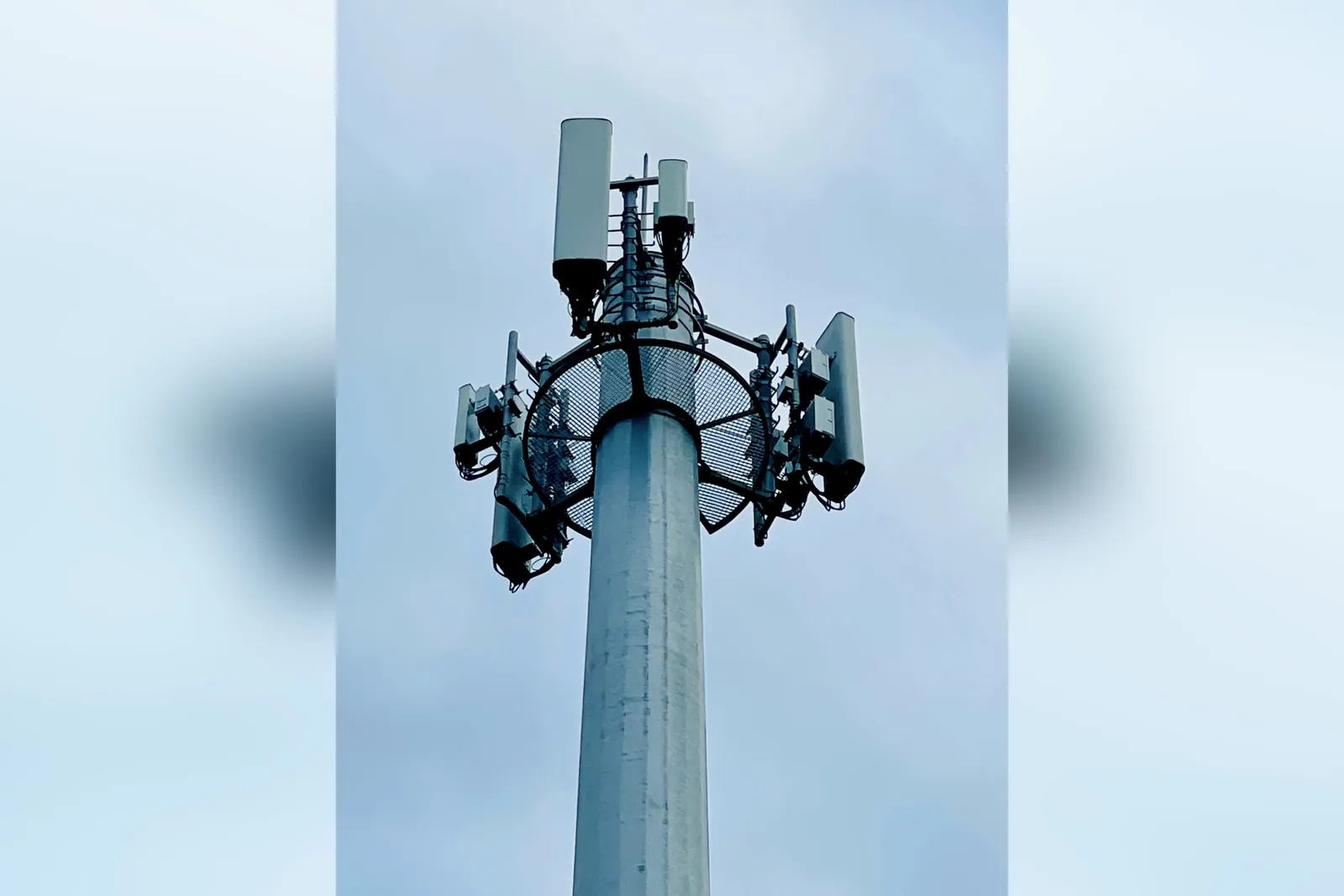
Belgium’s railways have their own dedicated communications network: GSM-R (Global System for Mobile Communications, Railway). This closed system, based on 2G technology, is used for all critical (safety-related) communications between train drivers and signal boxes, including emergency calls and the control of trains via the European Train Control System (ETCS).
Although GSM-R is extremely reliable and robust, the technology is on the brink of a major upgrade. A high-performance communications network is vital. Further modernisation and reinforcement are essential to ensure punctuality and robust train operations.
From GSM-R to FRMCS: ready for the next generation
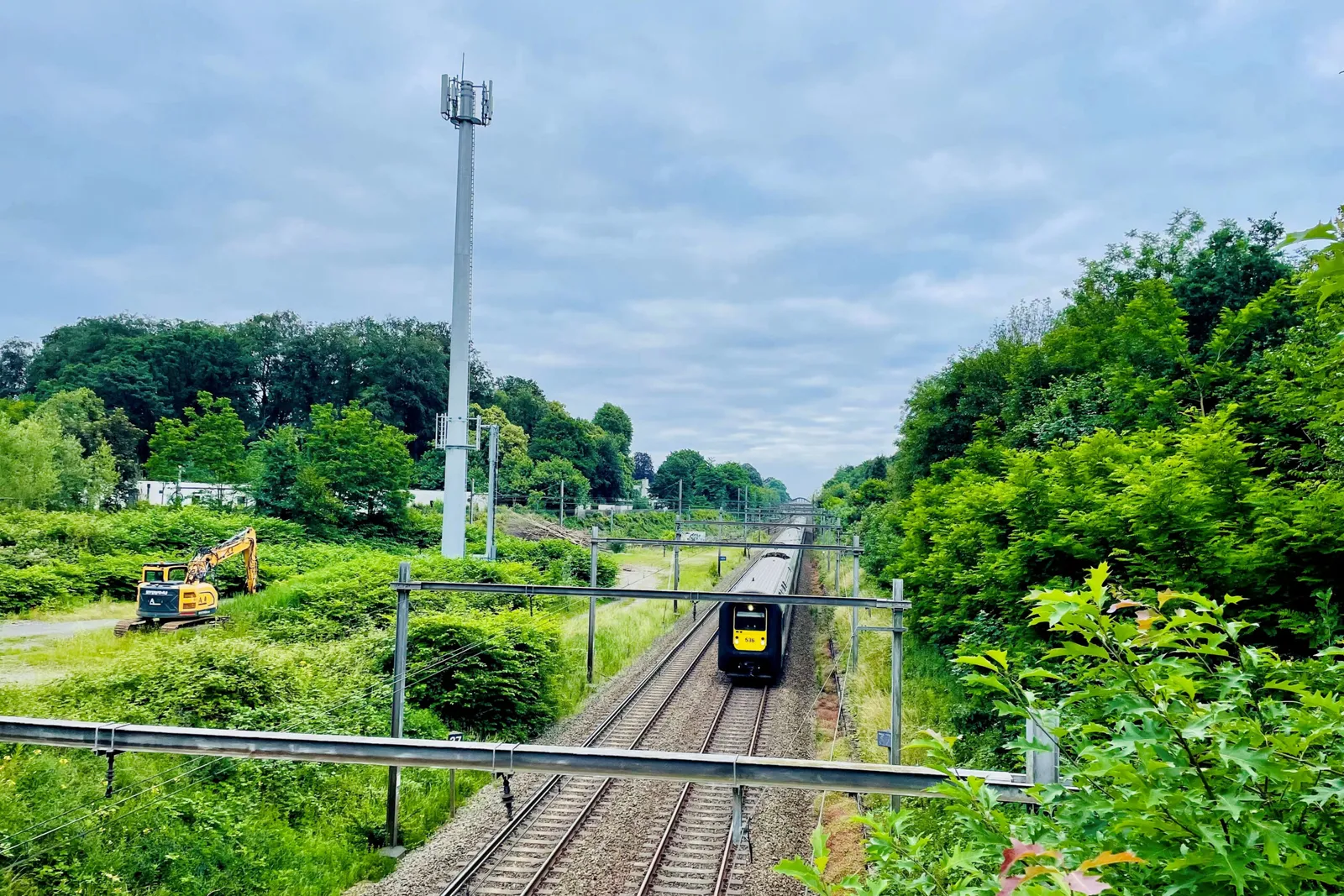
Belgium has a total of 650 GSM-R masts covering the entire rail network. Around 450, or two-thirds of the total, have already been modernised. Infrabel is now modernising the remaining 150 GSM-R sites. The installations will also be fitted with new radio equipment and prepared for the arrival of FRMCS (Future Railway Mobile Communication System). FRMCS is the future international standard for railway communications and will gradually replace the current GSM-R network. Roll-out in Belgium is planned between 2030 and 2035.
This new technology will enable a genuine digital leap forward. While GSM-R mainly supports voice communications, FRMCS will enable fast, continuous and data-rich communications. This is a prerequisite for innovative applications such as upgrades to the European Train Control System (ETCS). It will also make it possible to operate trains using so-called ‘moving blocks’, whereby trains continuously transmit their exact position and speed, and the system automatically calculates the safe distance from other trains.
5G as the foundation for railway digitalisation
A high-performance 5G network is a crucial prerequisite for FRMCS. The move to 5G is therefore a key step in the further digitalisation of Belgium’s railways. 5G will enable much larger volumes of data to be exchanged more quickly and reliably. This paves the way for increased capacity on the rail network and even higher levels of safety.
Peter Franken, deputy CIO at Infrabel: “With this investment, we are modernising a crucial part of our rail network. Reliable communications are essential for safe and smooth train operations. By investing today in preparations for FRMCS and 5G, we are getting Belgium’s railways ready for the future, with greater capacity, enhanced safety and scope for innovation.”
Investment with economic impact
The contract, worth more than €4.2 million over five years, was awarded to Citymesh Integrator NV following a competitive process. The investment will support local employment, make full use of Belgian technological expertise and, finally, firmly anchor innovation in Belgium.
A necessary leap forward
With this investment, Infrabel is taking an important step towards modernising its infrastructure. By investing today in the transition from GSM-R to FRMCS and 5G, it is preparing the rail network for a future in which digitalisation, safety and capacity are central.
Question about this story? Ask your question
Keep following this
Get an email when a new story is published. No account needed.
- SubjectRail engineering