Trees, biomass and a better environment
Text Kris Vandekerckhove Beeld Vandervelden Bosbouw
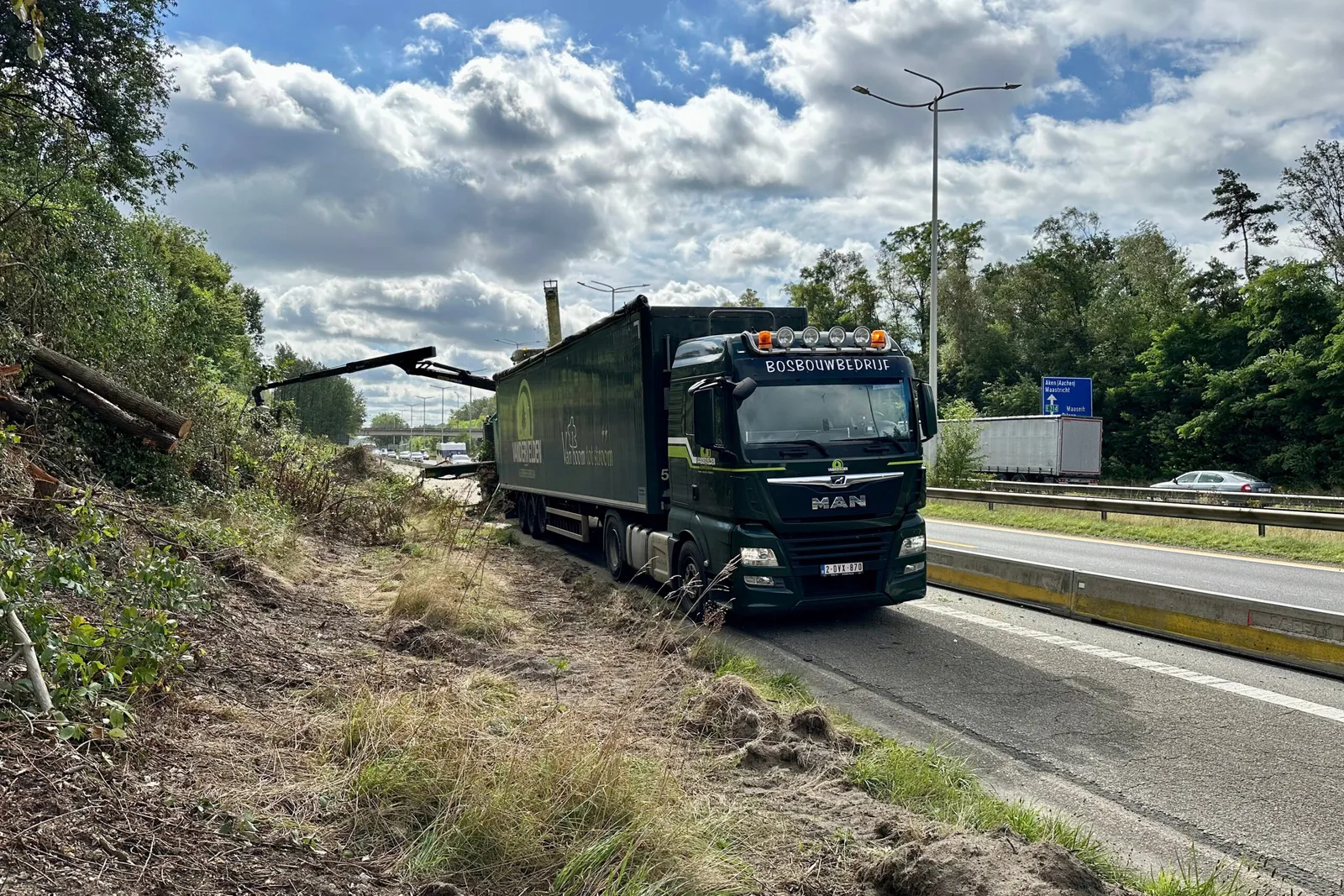
Over the years, forestry company Vandervelden from Hamont-Achel has grown into a versatile, sustainable operator in nature management, forestry and tree processing. Founded in 1991 by brothers Gerard and Paul Vandervelden, the company is known for its wide range of services that contribute to the circular economy and the environment.
Vandervelden bv is an important partner not only for fellow businesses in the green sector, nature organisations, and federal and local authorities, but also for the road construction and housebuilding sectors. With around 47 employees working on a daily basis, Vandervelden offers a comprehensive range of services relating to trees and nature.
Expertise in timber streams
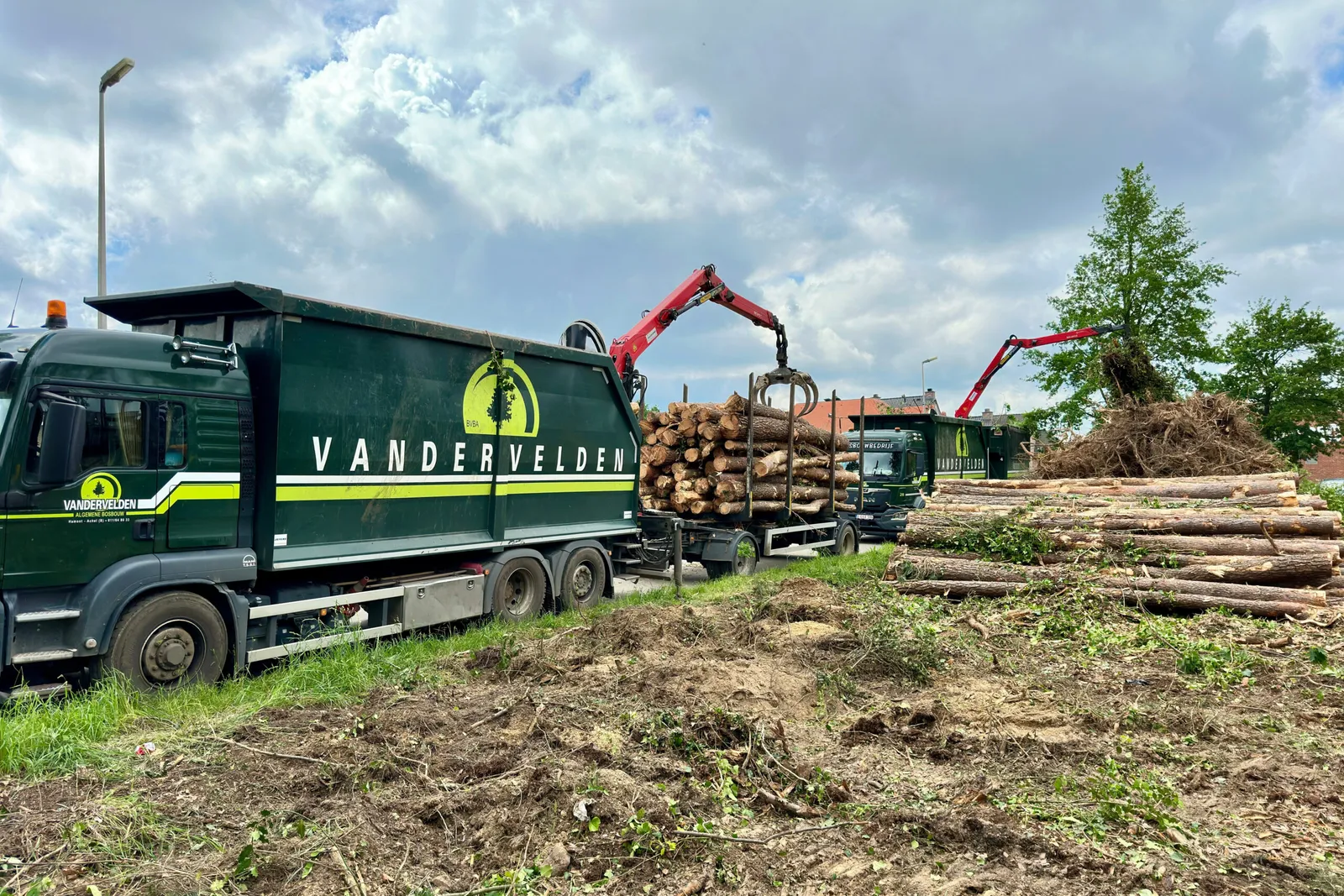
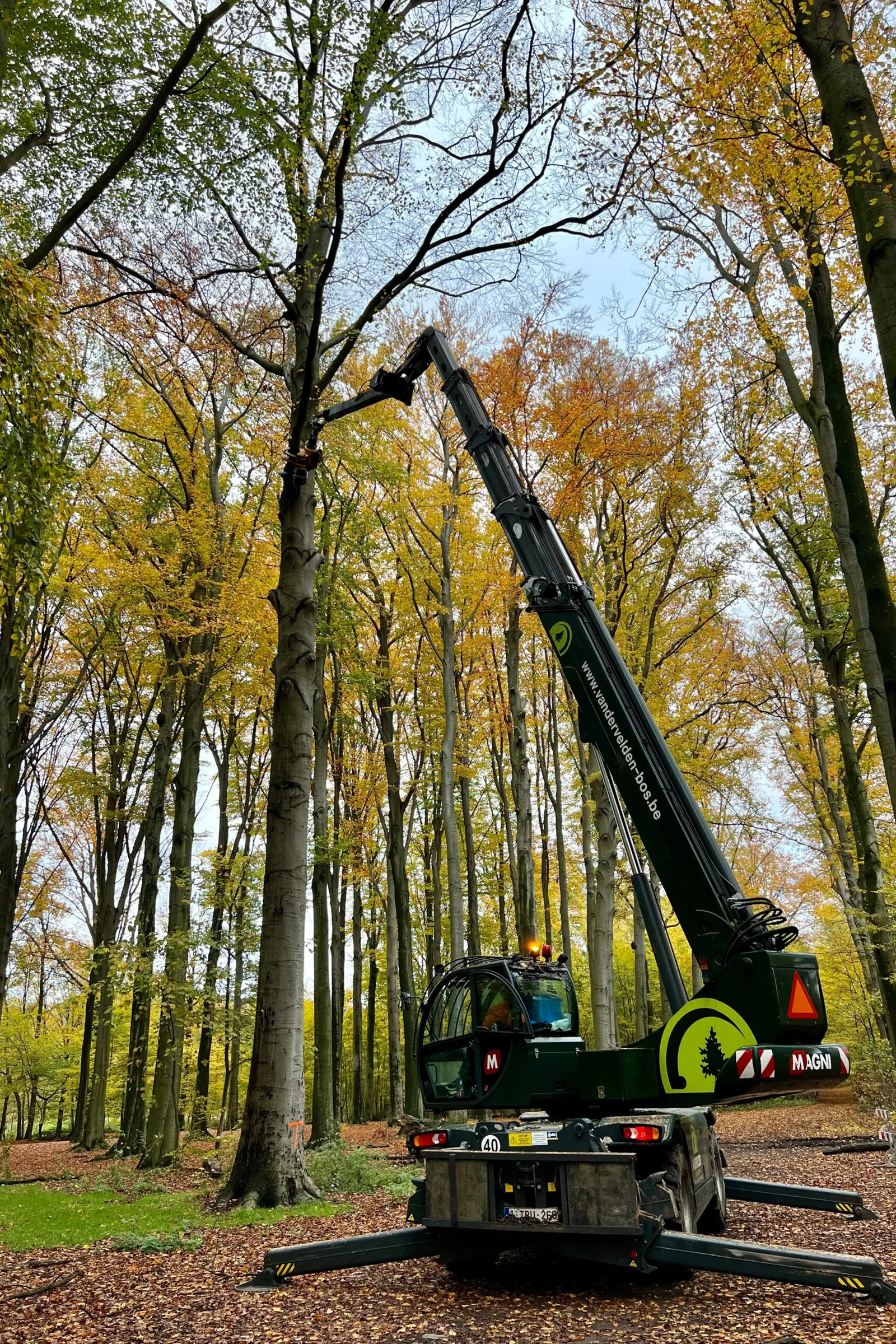
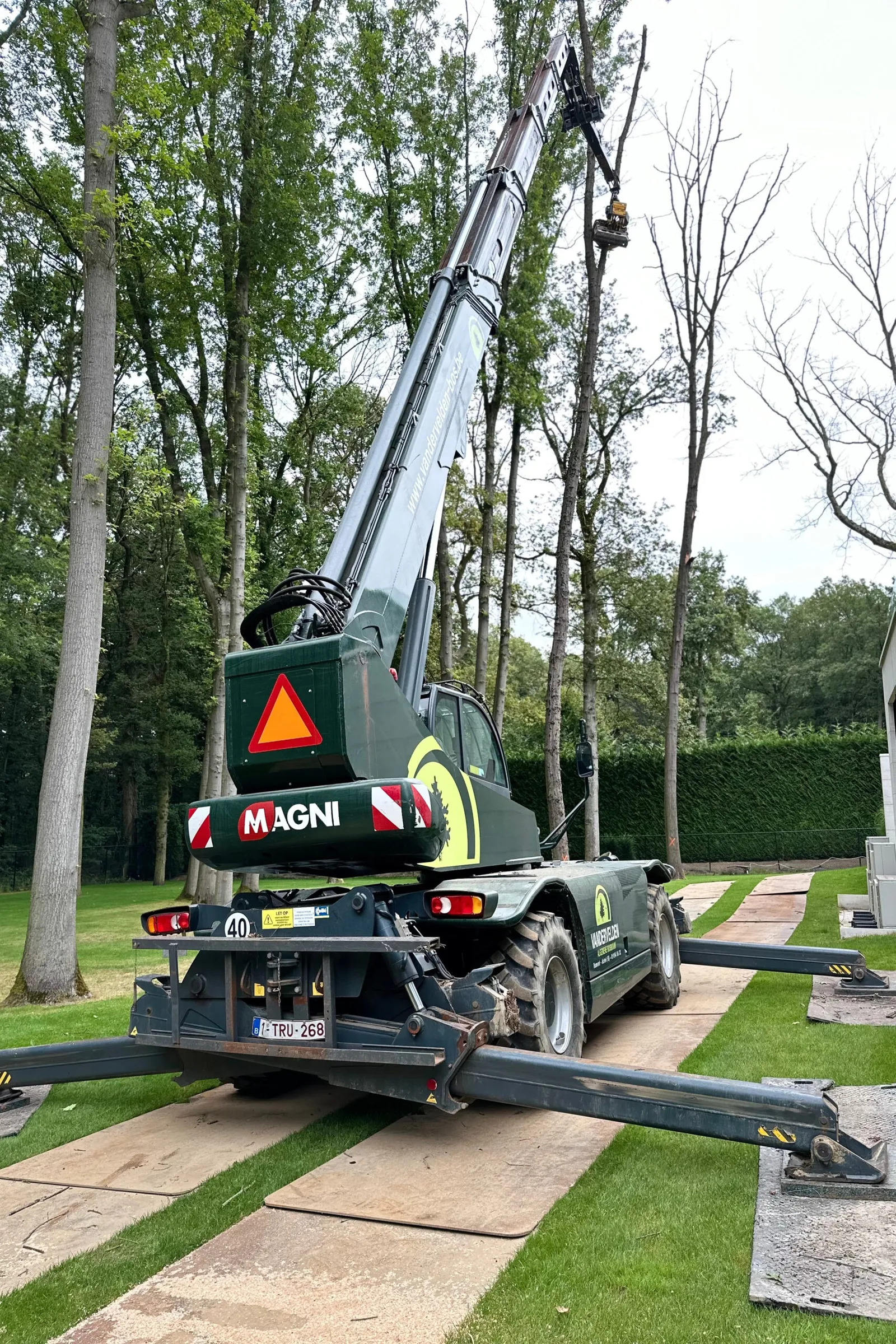
A key part of the company’s services is accepting all timber and green waste streams. Vandervelden specialises in felling trees professionally, even in hard-to-reach locations. This highlights its ability to work in a range of settings and its commitment to environmental protection and nature conservation.
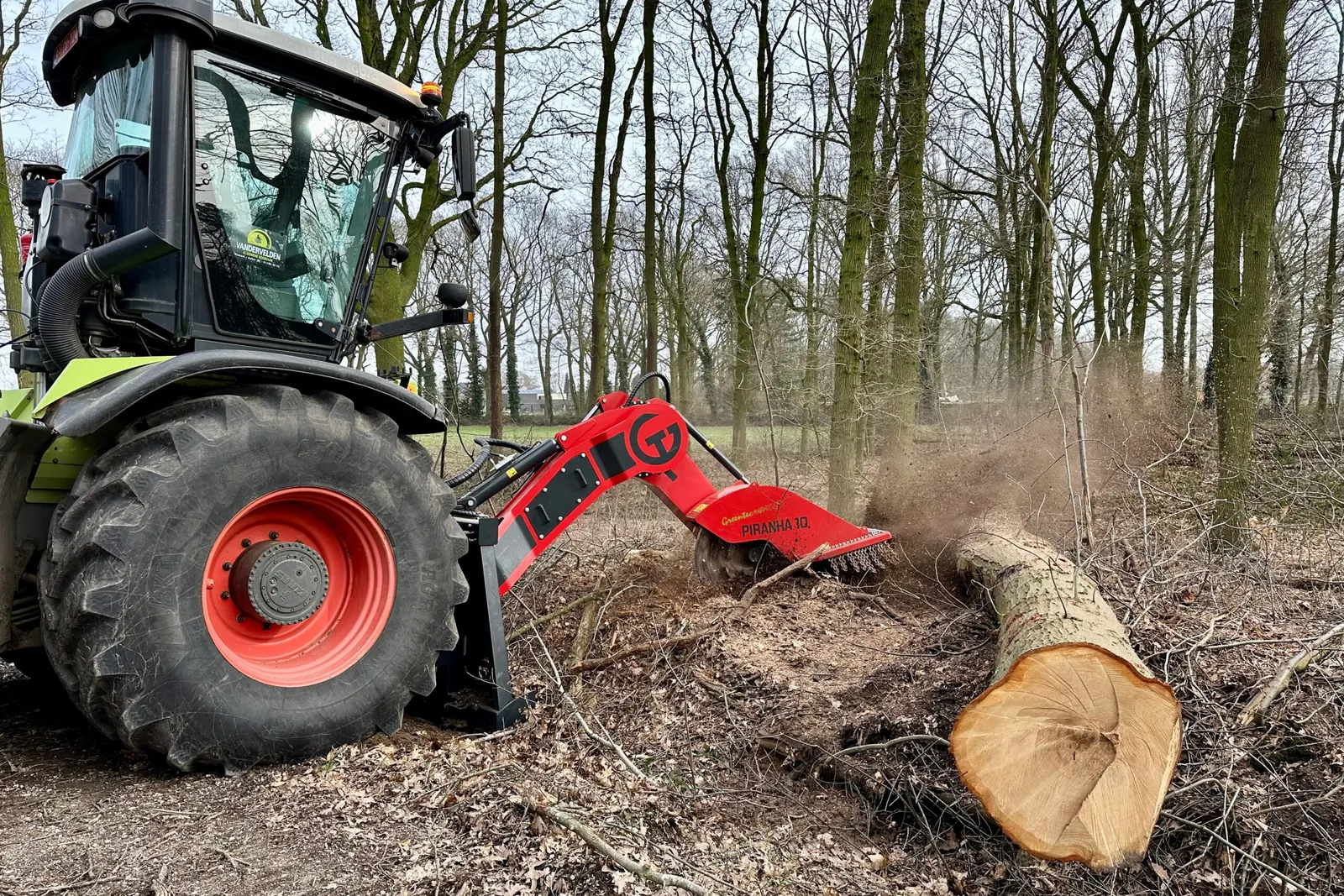
The journey from tree to energy is further enhanced by the techniques Vandervelden uses to process timber. Chipping trunks and branches, and shredding stumps and green waste, are essential steps in processing these streams sustainably in line with the cascade principle set out in European legislation. These methods help reduce waste and promote sustainability.
Tailored nature management
Vandervelden also carries out sod-cutting and nature-focused earthworks. These nature management measures involve removing vegetation and the top layer of soil, known as the humus layer. The aim is to encourage or restore the growth of specific flora and fauna. Sod-cutting is primarily intended to reduce nutrient levels in the soil, which is important in areas where the soil has become too nutrient-rich, for example as a result of atmospheric deposition or previous land use. Removing the nutrient-rich topsoil restores or improves growing conditions for certain plants and animals. These are often species that thrive in nutrient-poor soils, such as certain heather species, rare grasses or distinctive insect species. These activities are crucial to restoring and maintaining natural habitats and contribute to biodiversity. In addition, all materials produced are put to use in sustainable residual streams such as potting soil, biofilters, wood fibres and biomass.
Sustainable paths, protected nature
Installing fences, amphibian guidance barriers, field gates and kissing gates are examples of how Vandervelden helps protect wildlife and its habitat. Another specialised service is the construction of boardwalks, which improve access to natural areas without damaging the vegetation beneath. Boardwalks are paths built in wet, difficult-to-access areas such as marshes, wet woodland and heathland, or across other waterlogged locations. They are made from wooden planks or round logs laid above the ground or water. This construction allows visitors to walk along the path without getting wet and to enjoy the natural surroundings.
CIRCULAR ECONOMY
Paul Vandervelden, one of the directors, stresses the importance of a circular economy and the company’s commitment to working with as little waste as possible. The versatility and expertise Vandervelden has built up over the years enable it to offer a complete journey from tree to energy. This means every tree is fully processed into raw materials for sawmills, the particleboard industry and wood-fibre producers, with only a residual fraction finding its way into biomass.
Question about this story? Ask your question
Keep following this
Get an email when a new story is published. No account needed.
- SubjectYearbook