Sewerage & underground infrastructure
Water policy that works: from vision to action on the ground
Text Joris Hendrickx Beeld VLARIO

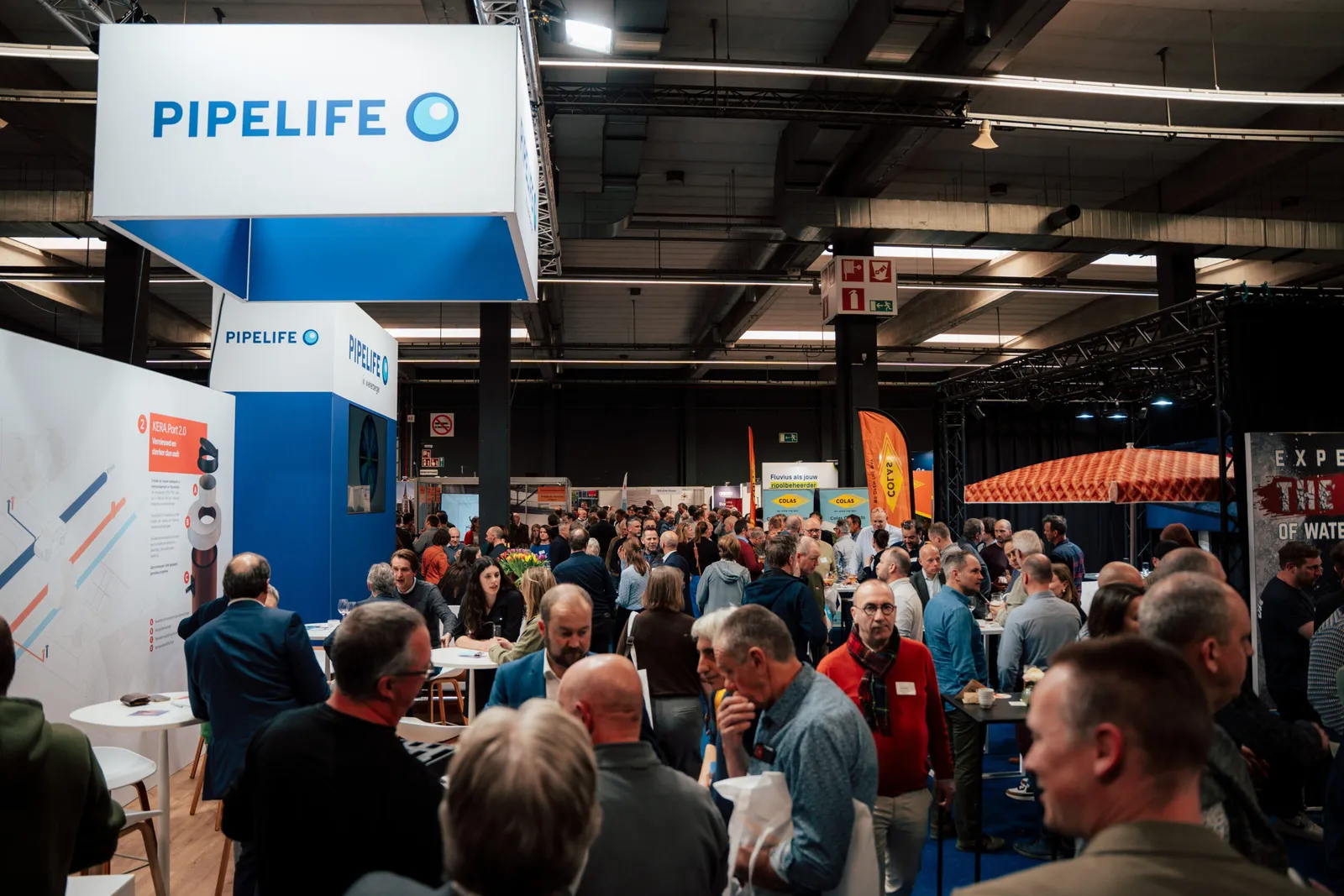
A strong water policy requires clear choices, collaboration and targeted investment. That was made clear at VLARIO-dag 2026 at Antwerp Expo. More than 1,200 stormwater and wastewater management experts shared insights into a sustainable, climate-resilient future in which water matters more than ever.
Ambitions remain, but the focus and approach are shifting
Flemish Minister Jo Brouns opened the day with a clear message: a resilient living environment requires sustained investment. Significant funding is already going to water projects through the Local Pact and the Blue Deal. However, resources remain limited. The focus is therefore shifting to strategic areas and local collaboration. Brouns also called for faster permitting and less rigid rules. European targets remain in place, but must be socially and economically achievable.
Local authorities under pressure
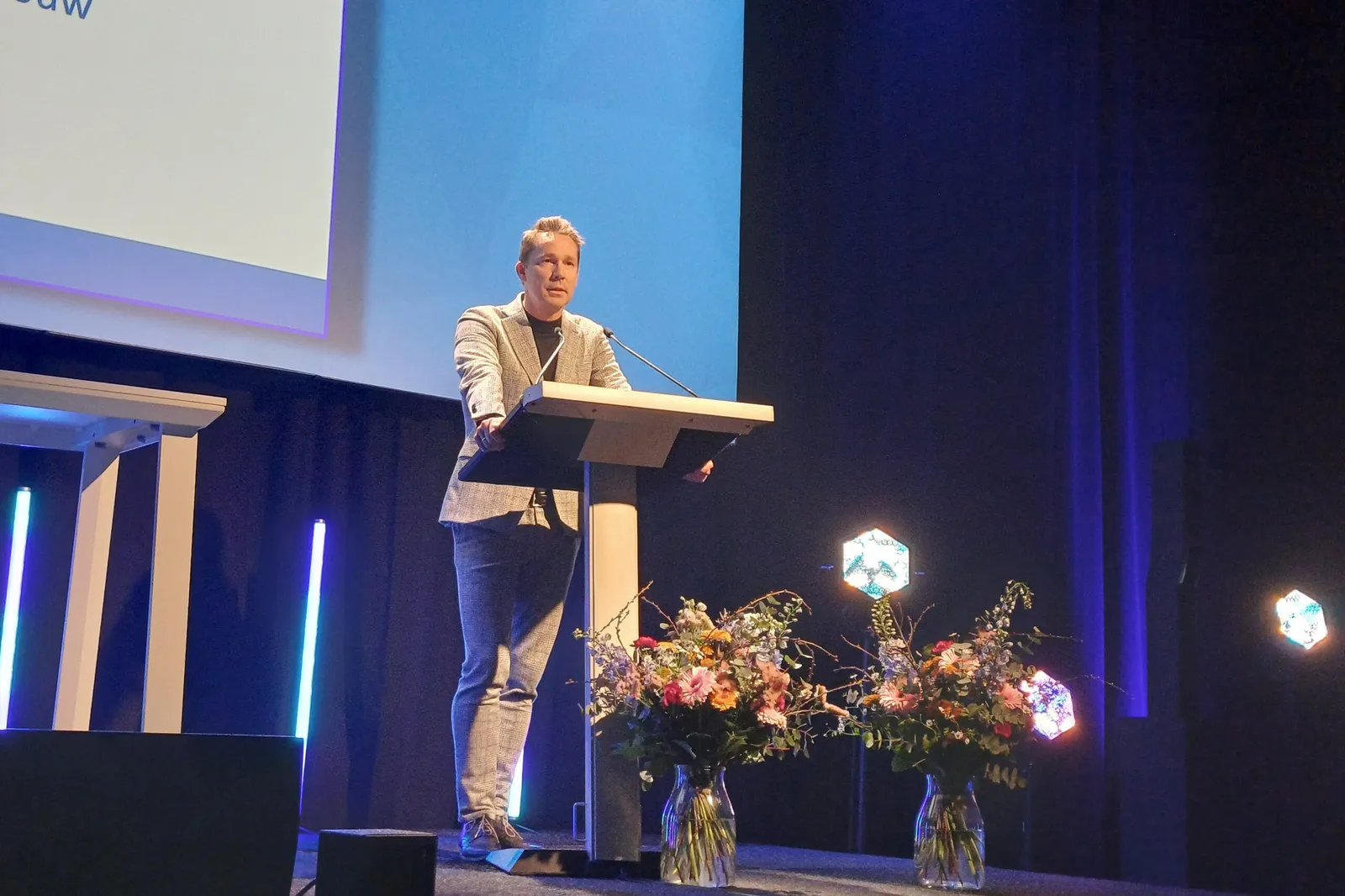
Tom Hofman, managing director of Sint-Lievens-Houtem, outlined the reality facing local authorities. Municipalities invest mainly in sewerage and sanitation. They lack the time and resources to develop a separate policy on depaving and infiltration. These measures are often linked to other projects out of necessity. Hofman also highlighted additional obstacles, including complex dossiers and restrictive regulations. He called for more tailored support for rural municipalities, decentralised treatment and stronger collaboration with farmers.
Tensions and shared goals
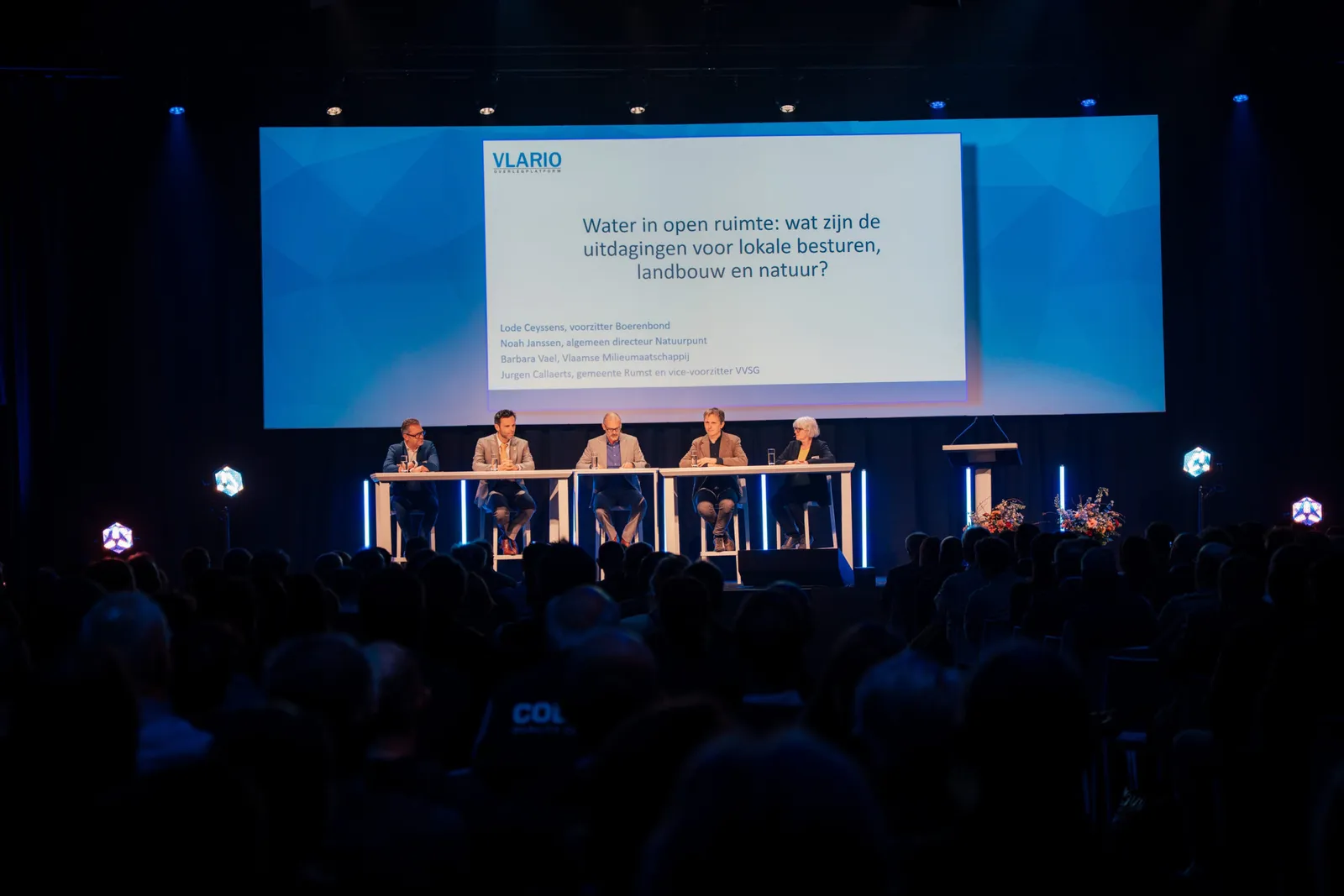
During the panel discussion, Boerenbond, Natuurpunt, VMM and VVSG addressed the water management challenges facing local authorities, agriculture and nature. VMM, VVSG and Natuurpunt said that an accurate ditch map is the basis for sound policy. Boerenbond remains critical, warning of a major impact on farming businesses. There was greater agreement on pollution: every sector shares responsibility.
Boerenbond highlighted the effect of sewer overflows and untreated discharges on monitoring networks and called for further dialogue. Natuurpunt emphasised the damage caused to nature areas by polluted floodwater and urged progress on both manure policy and the management of sewer overflows. VVSG called for an area-based approach, while VMM pointed to the WFD targets, which require targeted solutions.
VVSG wants municipalities to have a clear coordinating role and better alignment with Flemish initiatives. Boerenbond called for support and incentives to ensure agriculture retains a lasting place in the landscape. Natuurpunt urged the rapid creation of robust nature areas in river valleys. VMM stressed that climate change requires urgent action.
The debate revealed broad agreement on the need to work on the entire water system. However, tension remains between acting quickly and providing long-term certainty and involvement for all stakeholders, particularly in areas where spatial planning choices have yet to be made.
From problem to solution
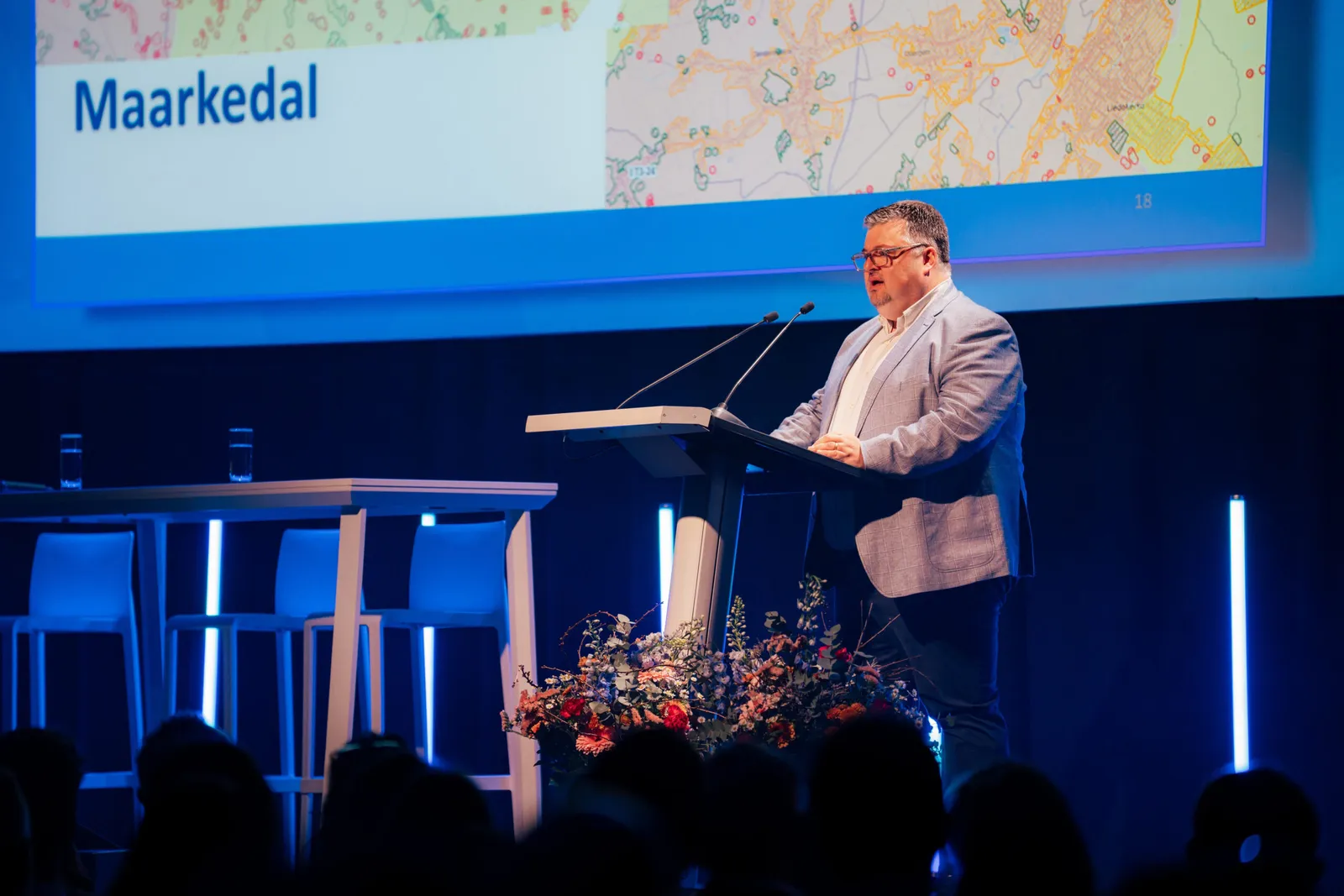
Sarah Garré (ILVO-Plant) emphasised that drought and flooding are increasingly occurring at the same time. Local authorities play a key role in retaining water and making agriculture more climate-resilient. Her advice: start with the local context, work together and provide ongoing support to tackle both drought and flooding.
Raf Bellers (Fluvius) focused on sewerage management. Sensors and data make it possible to monitor sewer overflows more effectively, helping to target investment more precisely. Municipalities play a key role by keeping rainwater out of the sewer system, working with sewer managers during redevelopment and investing where the impact will be greatest.
Hanne Vandewaerde (Regionale Landschappen) showed how an area-based collaborative approach pays off. Her central message: local government is indispensable. By pooling people and resources, working in a complementary way and involving a wide range of stakeholders, municipalities can serve the collective interest in water and make their surroundings more resilient.
Towards water security in Flanders
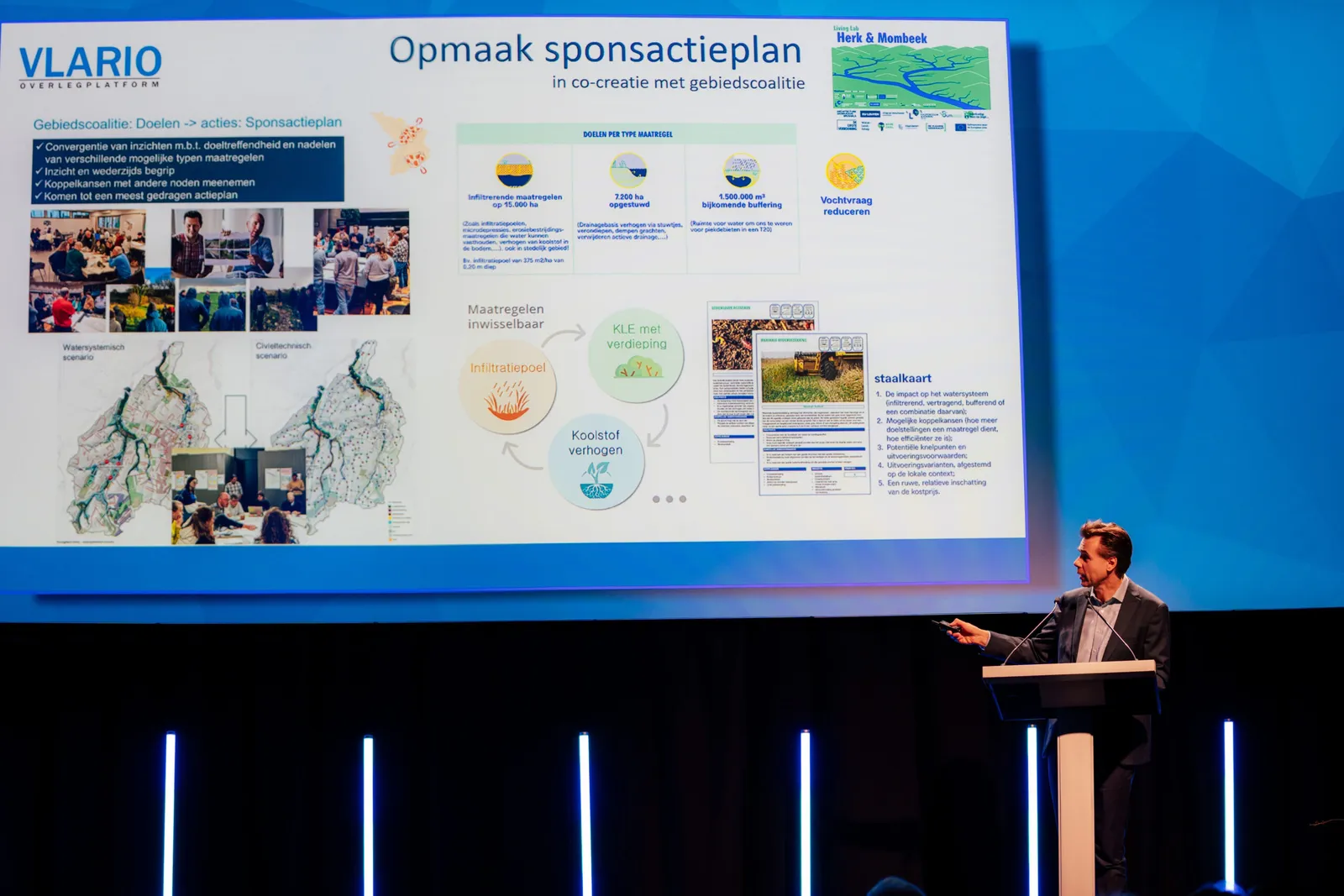
Patrick Willems (KU Leuven and VLARIO) outlined how local authorities can become water-resilient by setting clear water security targets. A robust water system, he said, combines limits on flood and drought risks with a resilient society. Smart sponge measures upstream increase water storage capacity. His conclusion: we know the solutions; now large-scale implementation, vision and structural direction are needed to make Flanders water-secure.
Question about this story? Ask your question
Keep following this
Get an email when a new story is published. No account needed.
- ThemeRenewing pipelines and sewers
- SubjectSewerage & underground infrastructure