Sewerage & underground infrastructure
Recycled material in PVC sewer pipes mandatory from 2027: have you already built up stock?
Text and images Dyka Plastics Nv
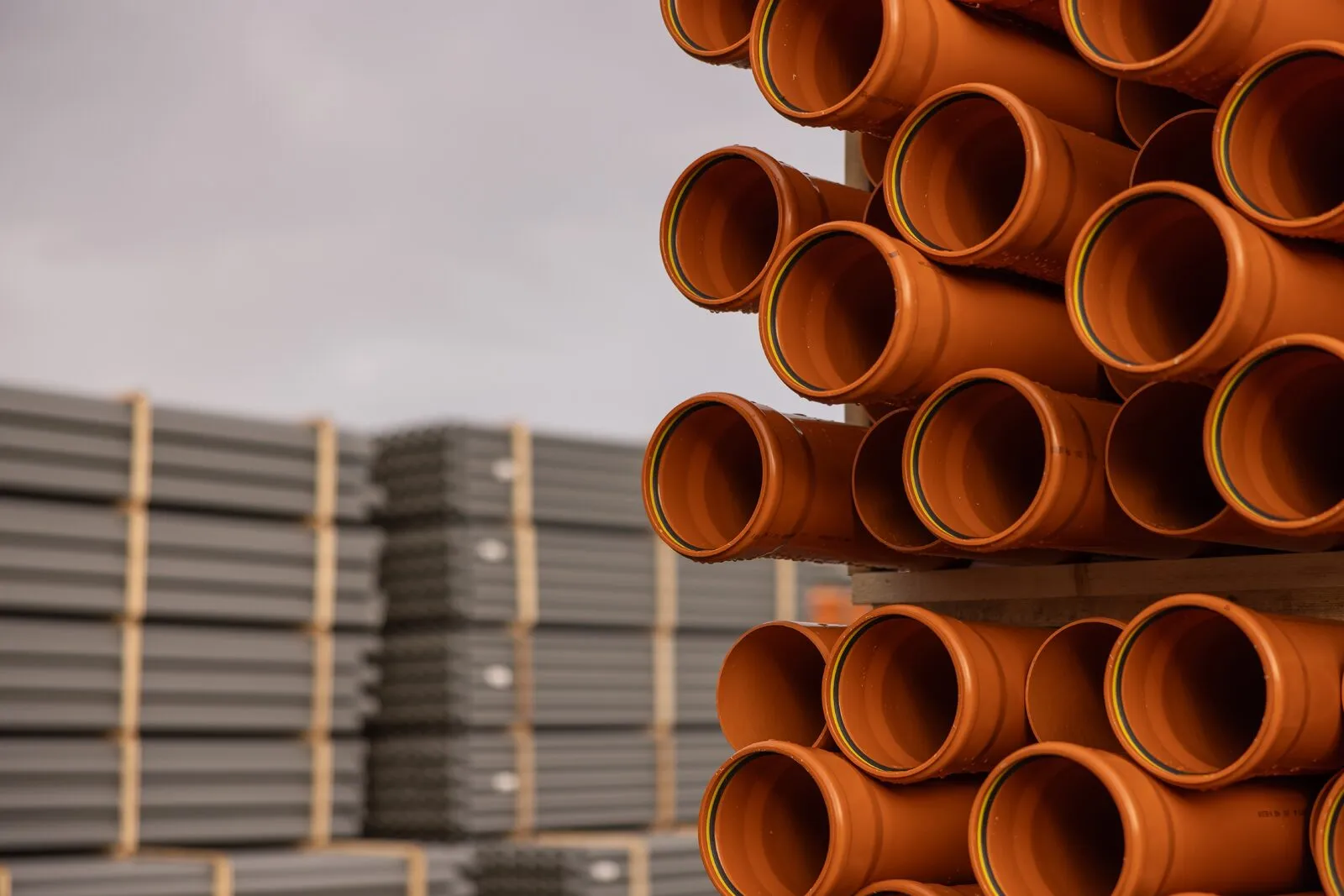
The sewerage sector is facing a major change. From 1 January 2027, underground, non-pressure PVC pipes for rainwater and wastewater will have to meet new requirements for the use of recycled raw materials. A significant proportion of the recycled material used must come from previously used PVC pipes. This makes circularity a concrete requirement for public infrastructure projects. However, few manufacturers are currently ready to meet these conditions. Even fewer have the necessary BENOR certification. DYKA België is currently the only manufacturer able to supply the Flemish sewerage sector with a BENOR-certified pipe that meets these future requirements.
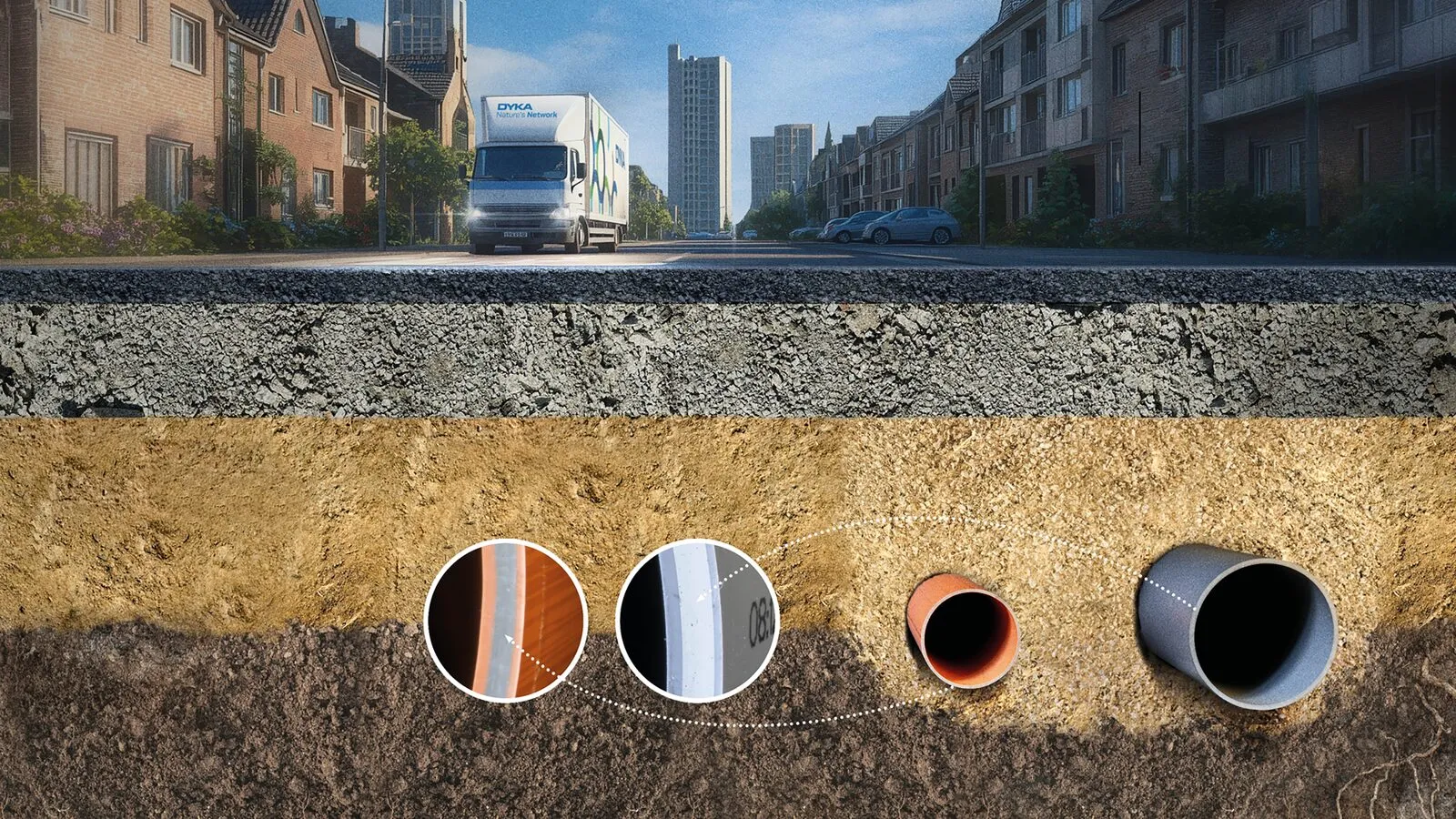
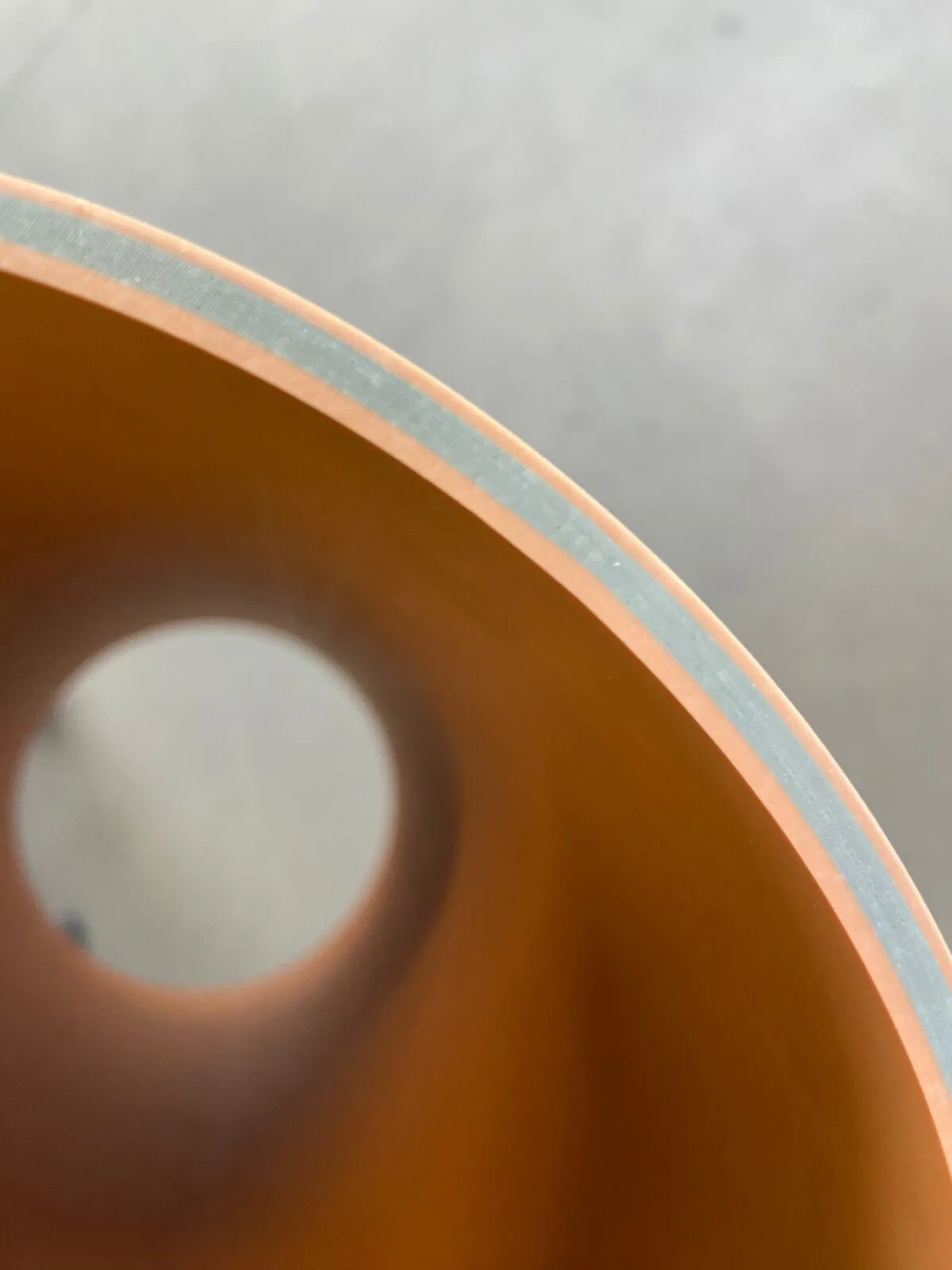
To meet the new regulations, DYKA has developed the new Ultra-3. It is a three-layer, non-foamed PVC pipe with BENOR certification, designed specifically for the Flemish market. With this development, DYKA is responding to future requirements for circular sewerage systems.
“It’s technically quite challenging because we’re moving from solid-wall to three-layer construction, allowing us to use recycled material without any loss in quality or ease of use,” says Frank Timmermans, Sales Director at DYKA België. “We’re currently the only company able to produce this pipe in accordance with the BENOR label, and it meets standards NBN EN 13476-2 and PTV 1011.”
Recycled material makes for a more sustainable and circular pipe
The change has been welcomed by the sector. Using recycled raw materials reduces the need for virgin raw materials, directly helping to lower environmental impact. The move to PVC sewer pipes containing recycled material marks an important step towards a more sustainable and circular construction sector.
“Using recycled material means you need less raw material, which immediately makes the pipe more sustainable. But because at least 5% of the pipe must consist of post-consumer recycled material from previously used PVC pipes and fittings, the project is circular too. DYKA has been collecting used pipes at its branches for years, using containers supplied by Polyconnect, a project by Essenscia. We’re continuing to encourage our customers to do the same, so that we can use even more recycled material in our pipes in the future,” says Timmermans.
2027 is fast approaching
Although the regulations are already in place, the market does not yet seem fully aware of their impact.
“We’ve noticed that customers aren’t thinking about it yet, but it becomes mandatory in January 2027. That doesn’t leave much time,” says Timmermans. “Given the demand, and the fact that we’re currently the only supplier, we’re already advising our customers to place their orders.”
At the same time, it calls for contractors, engineering consultancies and clients to prepare in good time. With 1 January 2027 in sight, it is important for the sector to consider now the availability of compliant products and the impact this will have on future projects.
Question about this story? Ask your question
Keep following this
Get an email when a new story is published. No account needed.
- ThemeRenewing pipelines and sewers
- SubjectSewerage & underground infrastructure