









Sewerage & underground infrastructure
More sustainable infrastructure projects start with The One
Text and images Pipelife
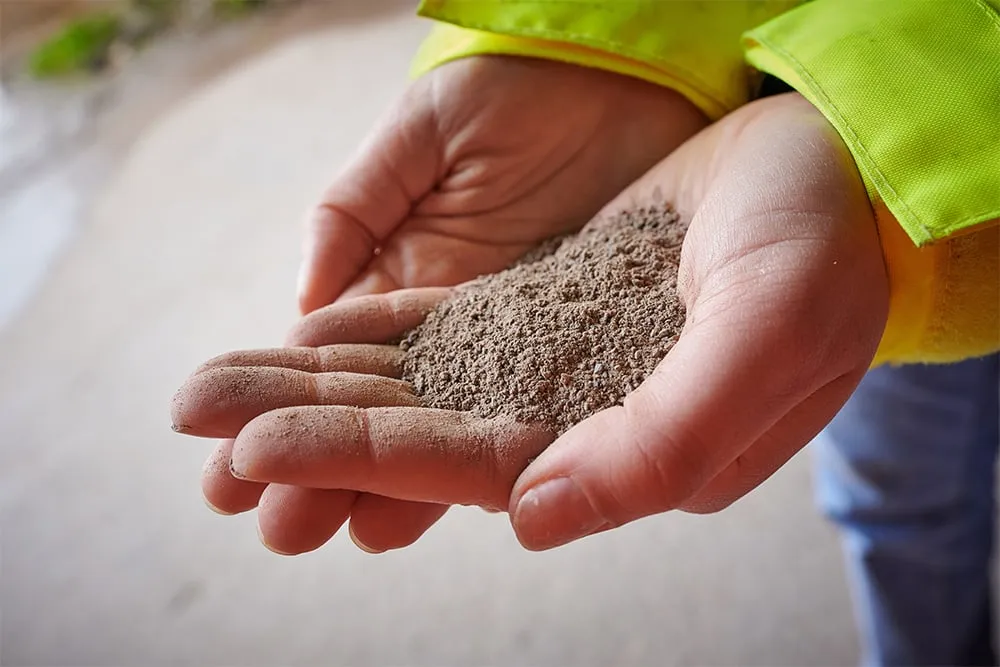
When choosing sewerage systems, the material plays a crucial role in both performance and sustainability. We take a closer look at the material behind The One, better known as the Keramo vitrified clay pipe, which contains just three natural ingredients: clay, chamotte and water. Thanks to this unique composition, our The One vitrified clay pipe offers both environmental and technical benefits for your projects.
THREE NATURAL RAW MATERIALS
The success of a vitrified clay pipe starts with the simplicity of its materials. The pipe is made from clay, chamotte (recycled ceramic material) and water. Choosing these purely natural raw materials means there is no need for harmful chemical additives.
These raw materials also ensure that the product retains its quality over time. Its mechanical properties are maintained without deterioration, and the product does not deform due to creep or other influences. As a result, a vitrified clay pipe retains its full environmental benefits throughout its life, from production to the end of its service life.
Because a vitrified clay pipe is made entirely from natural materials, it has no negative impact on the soil. The pipes do not age or lose their structure or quality, even after more than a century of use. This means they can remain in the ground without harmful effects, even after their service life has ended.
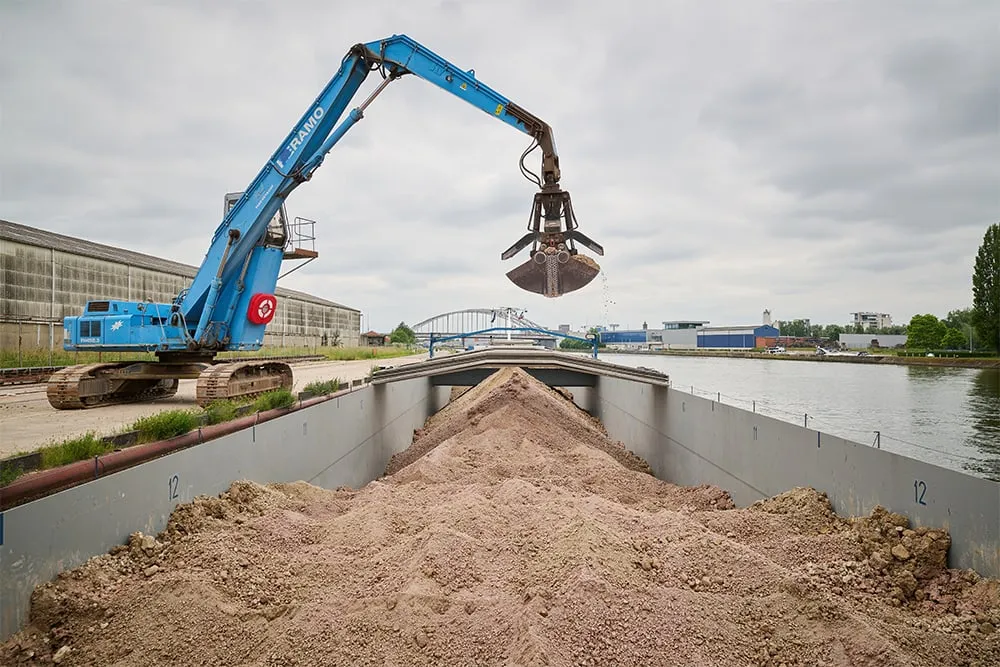
Clay is a widely available and virtually inexhaustible raw material, and the main raw material used to make vitrified clay pipes. Sourcing it in Western Europe, close to the Pipelife factory in Hasselt, significantly reduces the environmental footprint. To further minimise its environmental impact, Pipelife opts for the most sustainable transport method: shipping. Transporting clay by ship rather than by lorry cuts transport emissions by no less than 73 %.
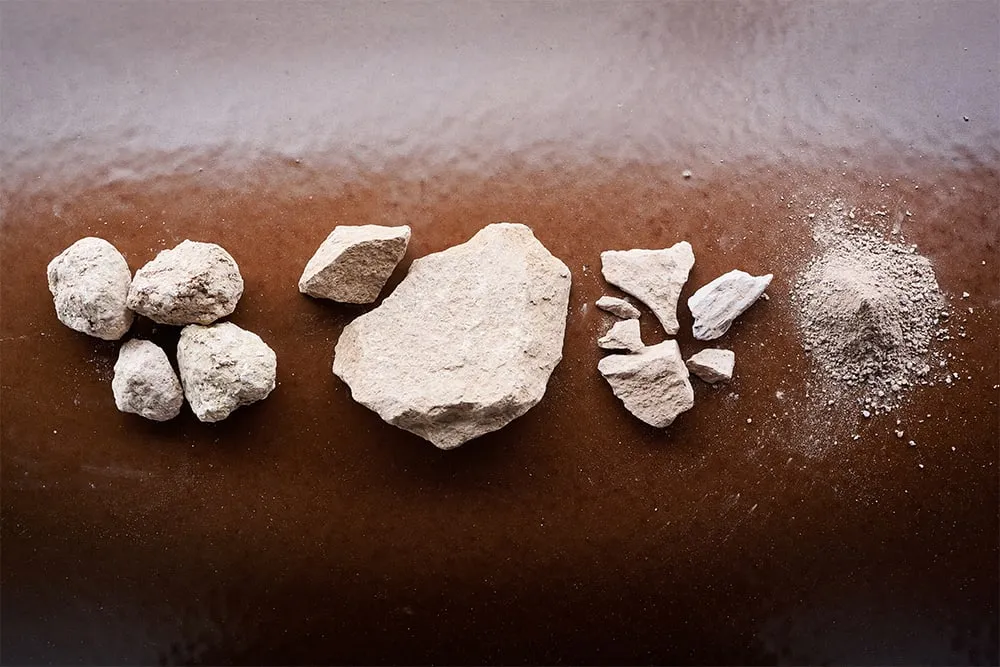
Chamotte, the second basic material, is made by recycling ceramic material. This means that all our vitrified clay products contain more than 30% recycled material. This contributes to an efficient circular economy, in which waste is minimised and raw materials are reused. This not only reduces waste, but using recycled materials also means fewer new raw materials are needed. What is more, a vitrified clay pipe is fully recyclable, meaning that at the end of its service life it can be reused as chamotte in the production process, without any loss of quality.
Very little water needs to be added, as the clay already contains sufficient moisture. Wherever possible, Pipelife uses locally sourced water. During the drying and firing of the pipes, the excess water evaporates, without releasing pollutants or causing pollution, enters the atmosphere and returns to Earth as precipitation, ready to be used again. This keeps both the air and the water clean and free from pollution.
SIMPLE PRODUCTION, BIG IMPACT
With no chemical additives, refining steps, intermediates or complex secondary processes, the impact of production is limited and easy to communicate transparently. Other materials often require many more processing steps, resulting in a greater environmental impact and less transparency about the effects of those intermediate steps. A vitrified clay pipe avoids this, making it not only more environmentally friendly but also a more sustainable choice for sewerage systems.
THE FUTURE OF INFRASTRUCTURE
In a world where sustainability is becoming increasingly important, a vitrified clay pipe shows how natural materials and smart production methods can work together to provide an environmentally friendly and efficient solution for sewerage systems.
By using natural raw materials and a highly circular production process, vitrified clay pipes offer a sustainable sewerage solution. The use of locally sourced clay, recycled chamotte and water-efficient processes makes the Keramo vitrified clay pipe a smart choice for environmentally friendly infrastructure. Looking for more information on how and why a vitrified clay pipe can make your projects more environmentally friendly? Find out more at www.pipelife.be/TheOne
Question about this story? Ask your question
Keep following this
Get an email when a new story is published. No account needed.
- ThemeRenewing pipelines and sewers
- SubjectSewerage & underground infrastructure







