DCA demonstrates its added value on complex infrastructure project in Vorselaar
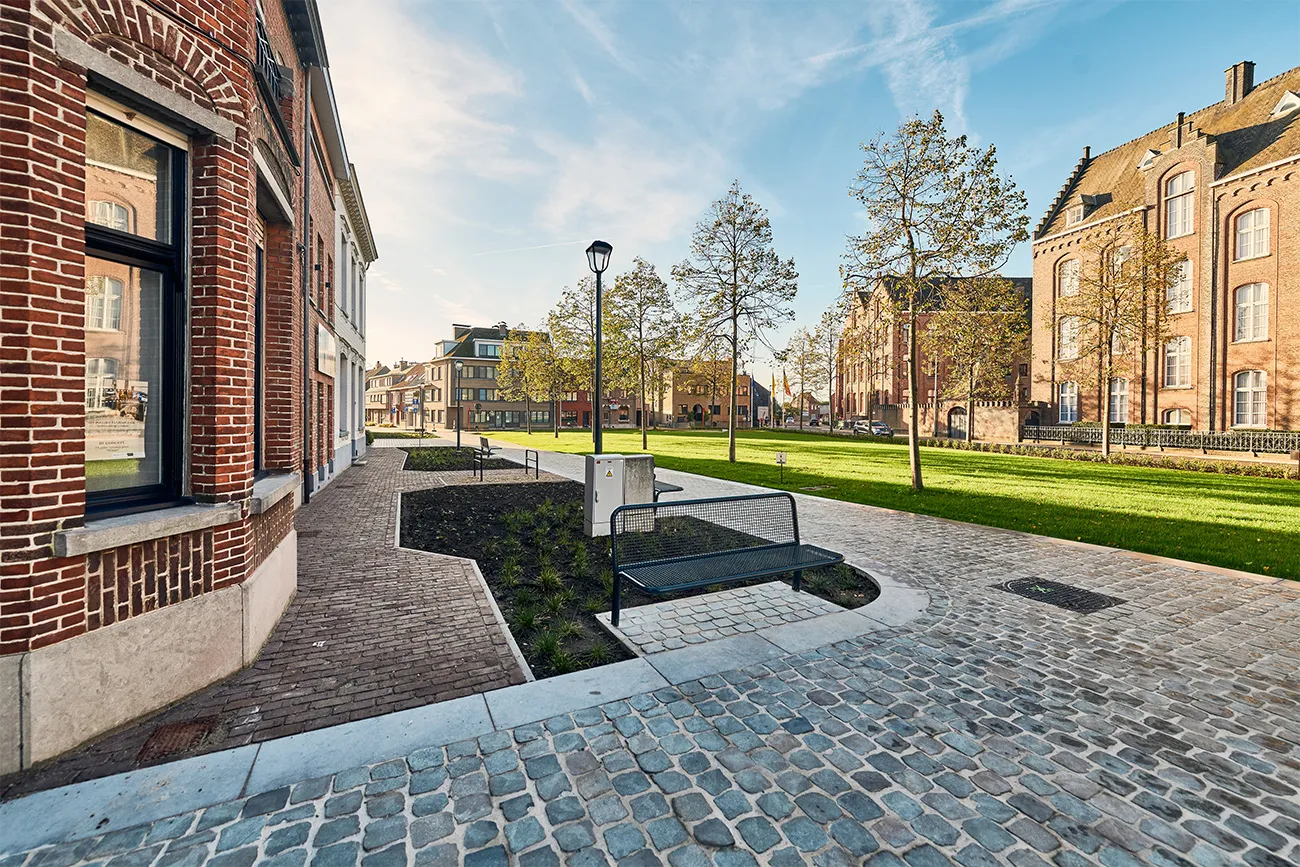
With more than 50 years of experience and expertise, DCA has long established itself as a full-service partner. The roots of the multidisciplinary construction company from the Kempen lie literally underground, in the sewerage sector. DCA’s continued position at the top of the field in underground infrastructure is demonstrated by a complex project in the centre of Vorselaar. “We installed a stormwater storage basin beneath the market square to collect rainwater for reuse by the nearby school campus,” says Wim van Reusel, project manager at DCA.
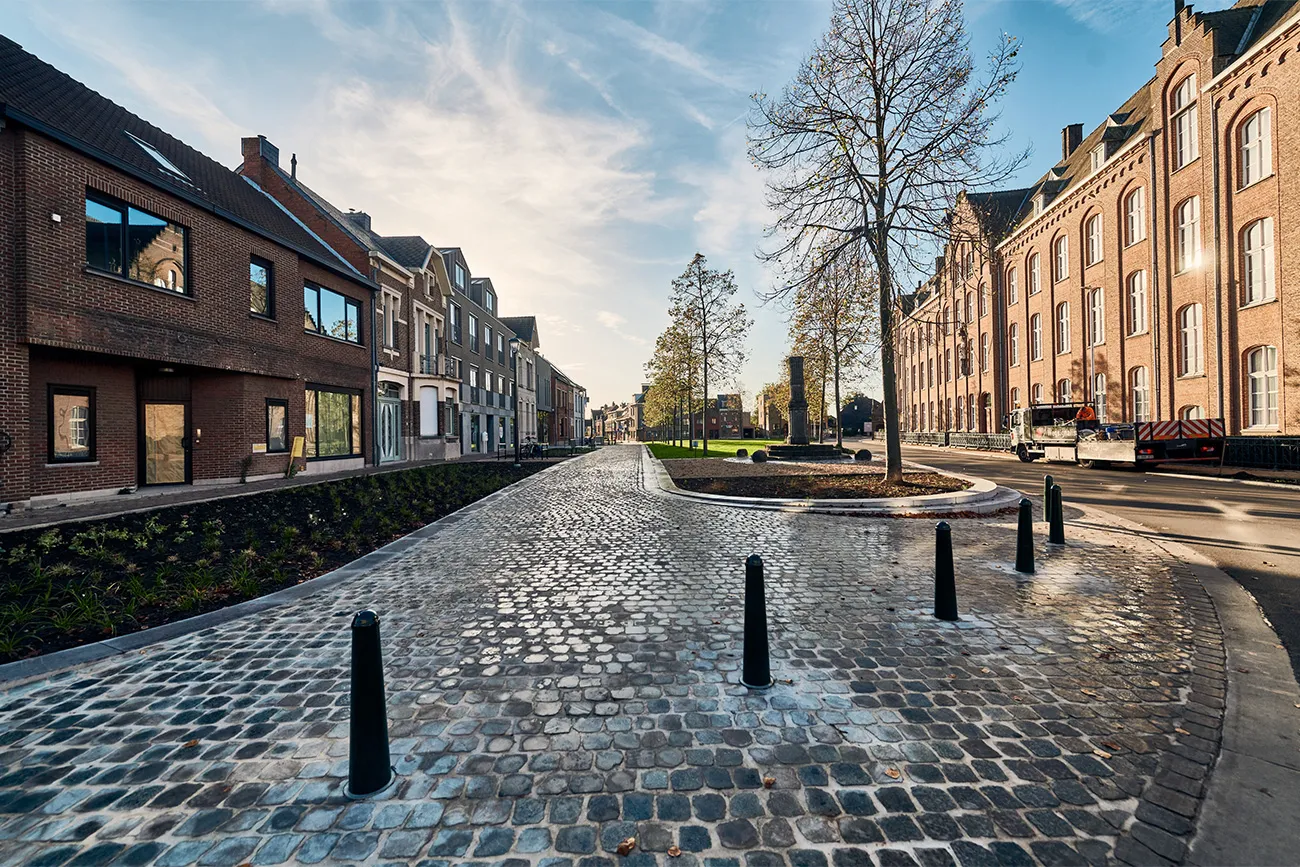
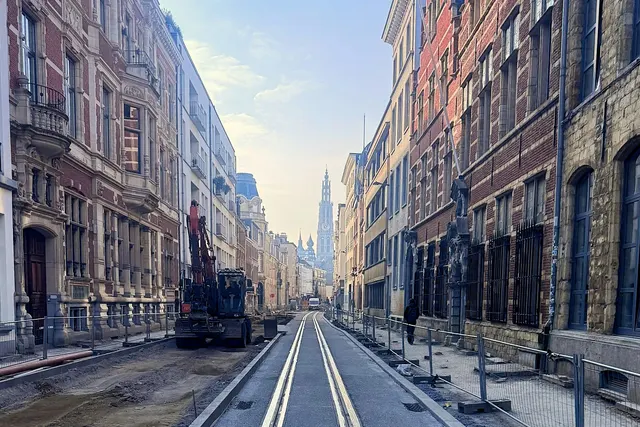
For several years, Vorselaar and all the parties involved have been preparing a number of sewerage projects to dramatically increase the municipality’s sewerage connection rate. Specialist contractor DCA was appointed to carry out a series of these projects. Alongside the municipality of Vorselaar and DCA, engineering consultancy Sweco and water companies Pidpa Hidrorio and Aquafin are closely involved in the project. As a small part of the route lies within the municipality of Grobbendonk, that municipality and water company Fluvius are also part of the project. The works are being carried out in phases. For Aquafin, DCA is installing a separate sewerage system in Lepelstraat (between Keizershofstraat and Dijkbaan) and in Dijkbaan. For Pidpa Hidrorio, DCA is doing the same in Lepelstraat (between Dijkbaan and Markt), in Goorbergenlaan (from Lepelstraat to just beyond Keizershofstraat), around Markt, in Nieuwstraat and later in Schoolstraat. Finally, for Fluvius, a separate system is being installed in Hofeinde.
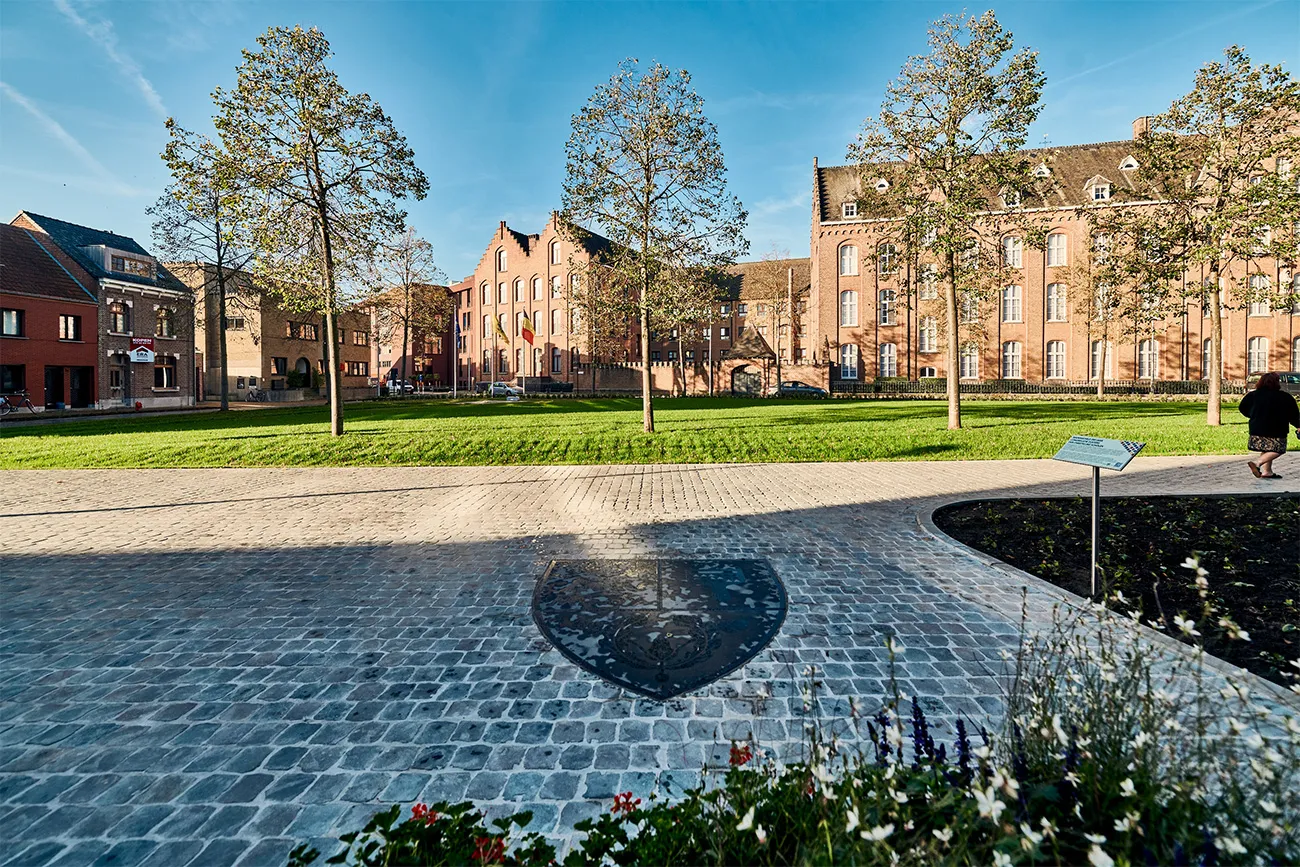
Stormwater storage basin
Work began in early March, under DCA’s direction. Wim Van Reusel says: “We started with the Markt and Nieuwstraat phase. This is also the most distinctive part of the project, because as well as installing a separate sewerage system, we built a storage basin beneath the market as part of the water reuse scheme. The basin can store up to 300 cubic metres of stormwater, which can then be pumped for reuse at the nearby Kardinaal van Roey-instituut and the Thomas More hogeschool campus. This first complex phase has now been completed, including the surface works, which DCA also carried out. On the market square, we combined conventional materials such as asphalt, concrete kerbs and concrete paving blocks with bluestone kerbs and sawn setts on the town hall side.”
The initial plan for the large storage tank beneath the market square was to use three 20 m-long steel pipes joined together. However, the idea proved insufficiently robust. Wim van Reusel says: “Together with Pidpa and Sweco, DCA conducted an intensive search for a more robust alternative, and ultimately chose large concrete box sections 2.5 m wide and 2 m high. These impressive sections were installed along the full length of the square. A silt trap and an oil separator were also installed, so that the stormwater is filtered before entering the storage basin.”
Taking a proactive and critical approach
This project is a good example of the added value DCA can bring at project level. Wim van Reusel says: “We see it as our job to scrutinise plans, contribute ideas and find solutions. We always look for the most economical and environmentally friendly option. We also stand out from the competition by being able to deliver complex works without a hitch. Tight deadlines, unusual pipes, specialist storage basins … DCA has both the expertise and workforce to take as much of the burden off the client as possible. The complexity of this project was already apparent during the preparation. For example, we first carried out excavations with archaeologists to map the underground and avoid surprises during the actual works.”
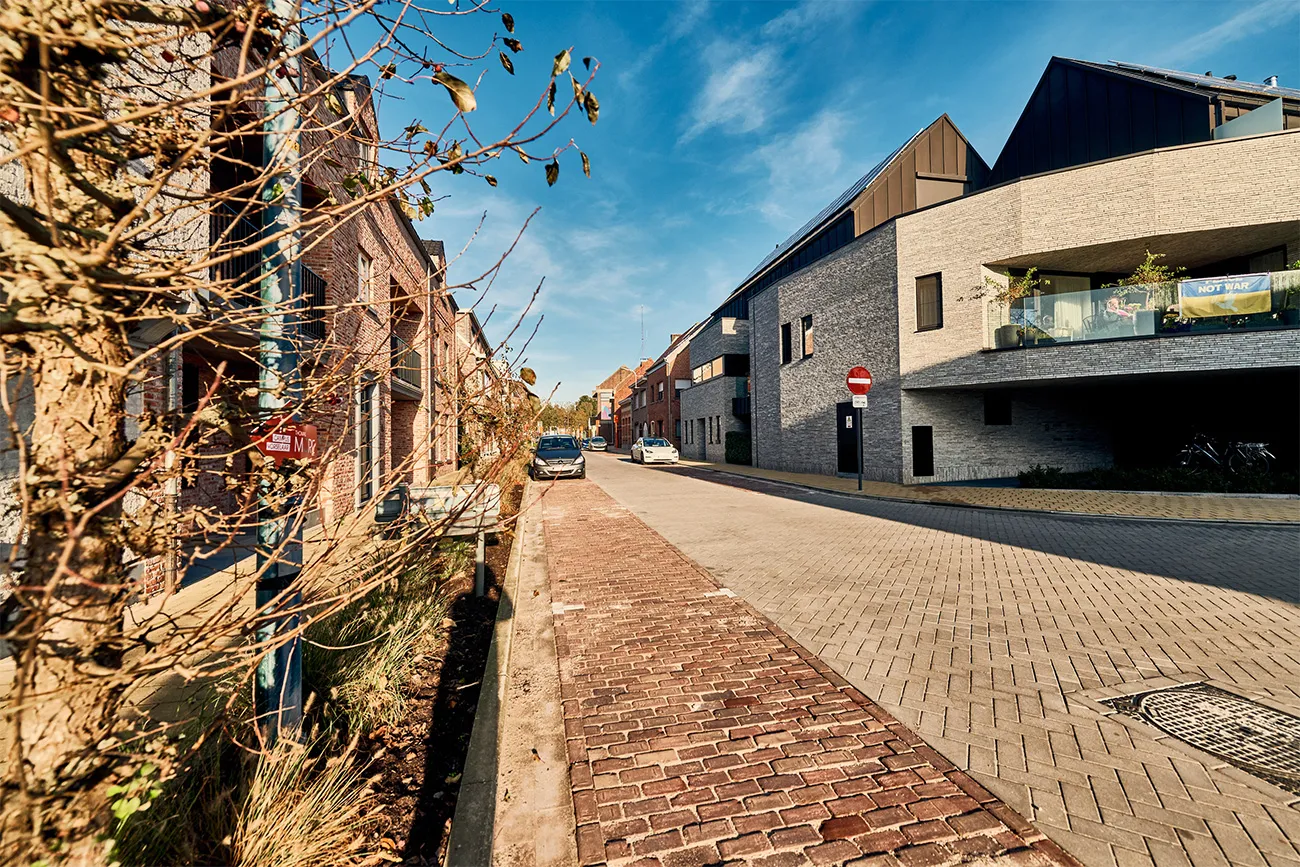
Following the successful first phase, DCA is moving on to Dijkbaan. Work will start near the AA en Schapenstal bridge and gradually progress towards the junction with Lepelstraat. In Dijkbaan, the project will focus on separate sewerage, a greener environment, maximising rainwater infiltration and a redesigned carriageway. “We face a dewatering challenge there, but we’re ready to tackle that too,” concludes Wim van Reusel.
Question about this story? Ask your question
Keep following this
Get an email when a new story is published. No account needed.
- ThemeRenewing pipelines and sewers
- SubjectYearbook