Safety pays off with Esquenet MST as a partner
Text Niels Rouvrois Beeld Esquenet MST
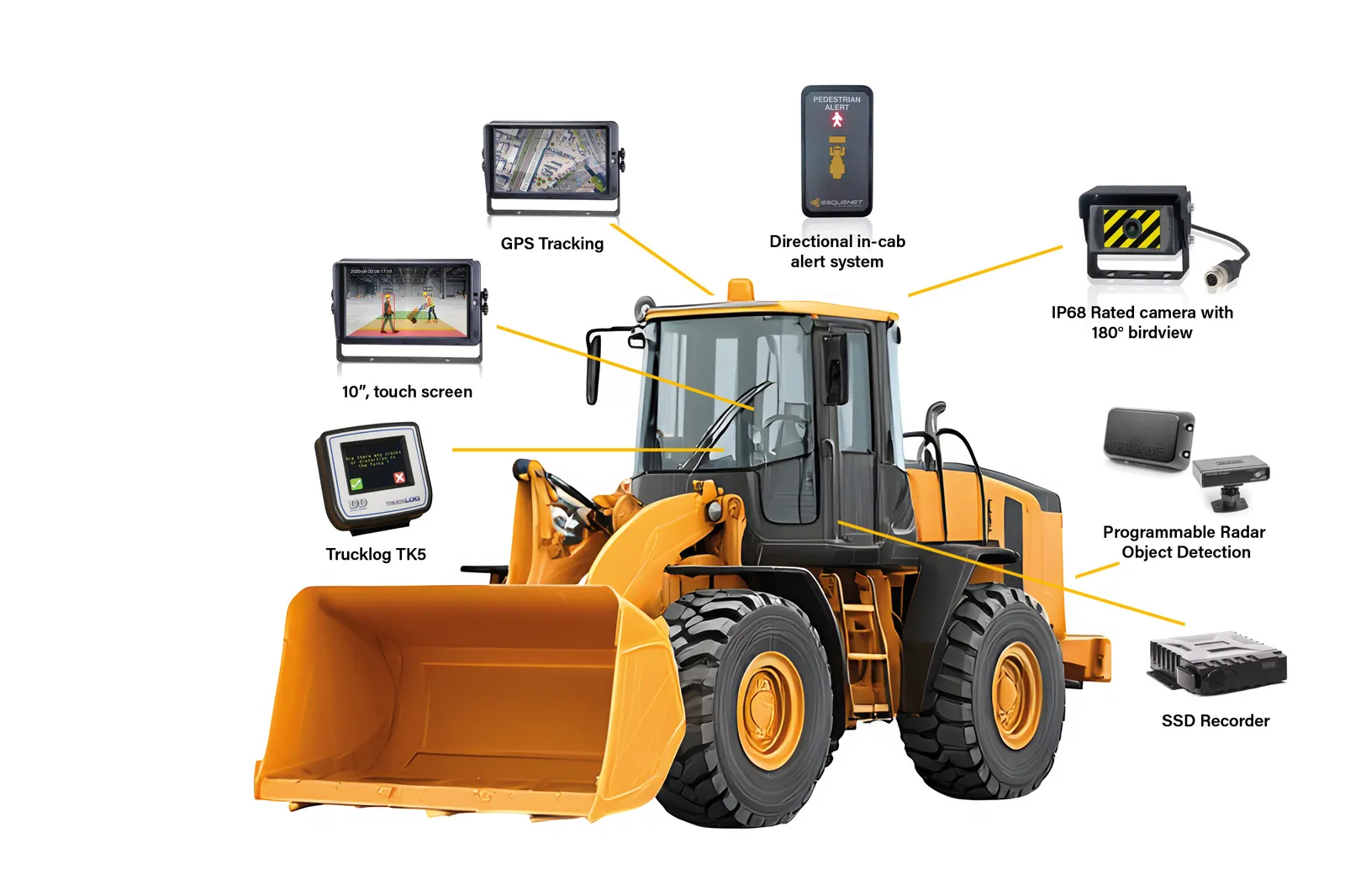
In an increasingly fast-paced and digitalised construction industry, safety is now an absolute prerequisite for efficiency, continuity and, above all, wellbeing on site. This is particularly true of the infrastructure sector, where heavy machinery, complex logistics and limited space create a heightened risk of accidents. Against this backdrop, Esquenet MST positions itself as a specialist partner in machine safety and personnel detection.
With integrated solutions and its own installation service, Esquenet MST focuses strongly on preventive safety and technological support, helping people and machines to work together safely. “In recent years, we’ve seen a clear and positive shift in the sector from reactive to preventive action,” says managing director Frédéric Esquenet. “Companies want to prevent accidents, not only to limit costs but also out of a sense of social responsibility. What’s more, nobody wants to be in the media because of an accident that could have been prevented.”
From forklifts to earthmoving machinery
Esquenet MST developed its expertise in the world of forklifts and logistics vehicles, but soon found a natural fit in the infrastructure and earthmoving sectors. “We realised that many of the same safety principles also applied there,” says Frédéric Esquenet. “Whether it’s a forklift, wheel loader, excavator or roller, the risk of incidents is real wherever people work in close proximity to machines. Our aim is to make that coexistence safe.”
Esquenet MST carries out all installations in-house. This means the company not only supplies systems, but also takes care of installation and calibration for importers, dealers and end users. “That sets us apart,” says Frédéric Esquenet. “We know the machines, the environment and the user’s needs. This enables us to tailor systems perfectly to each application, especially in the infrastructure sector, where every site is different.”
Technological safety systems
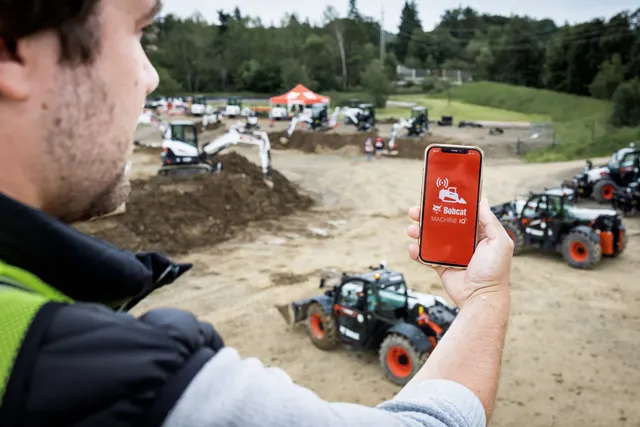
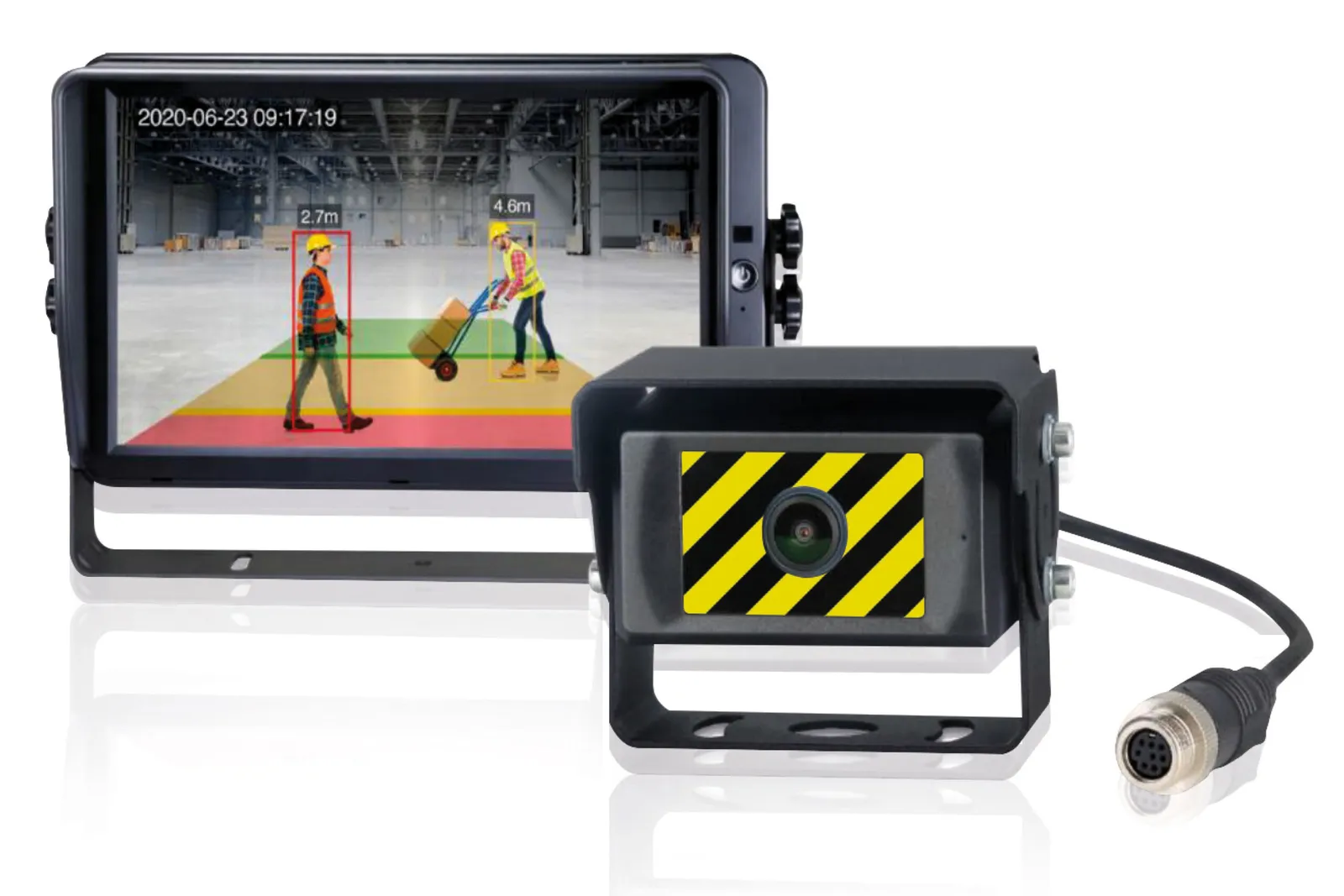
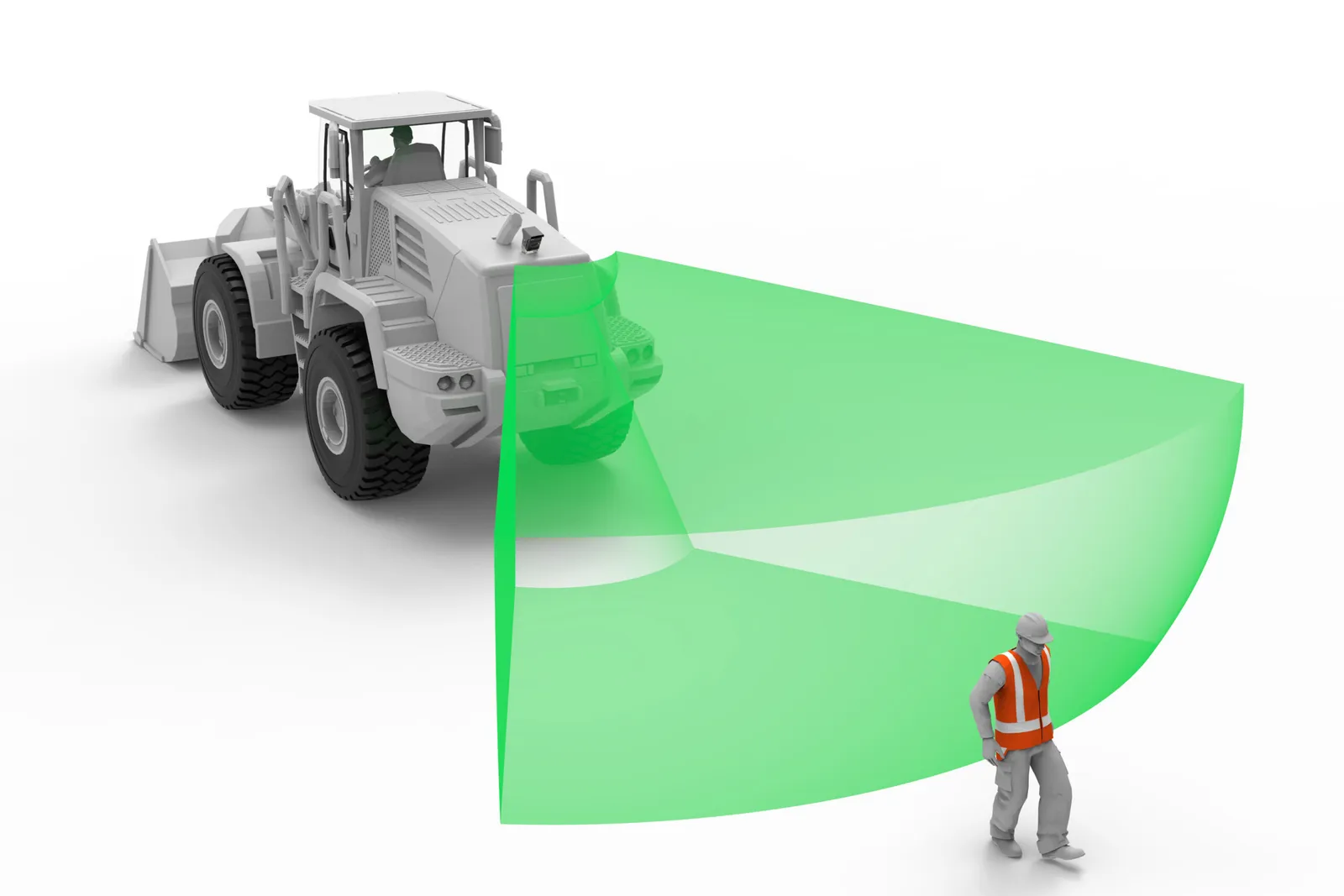
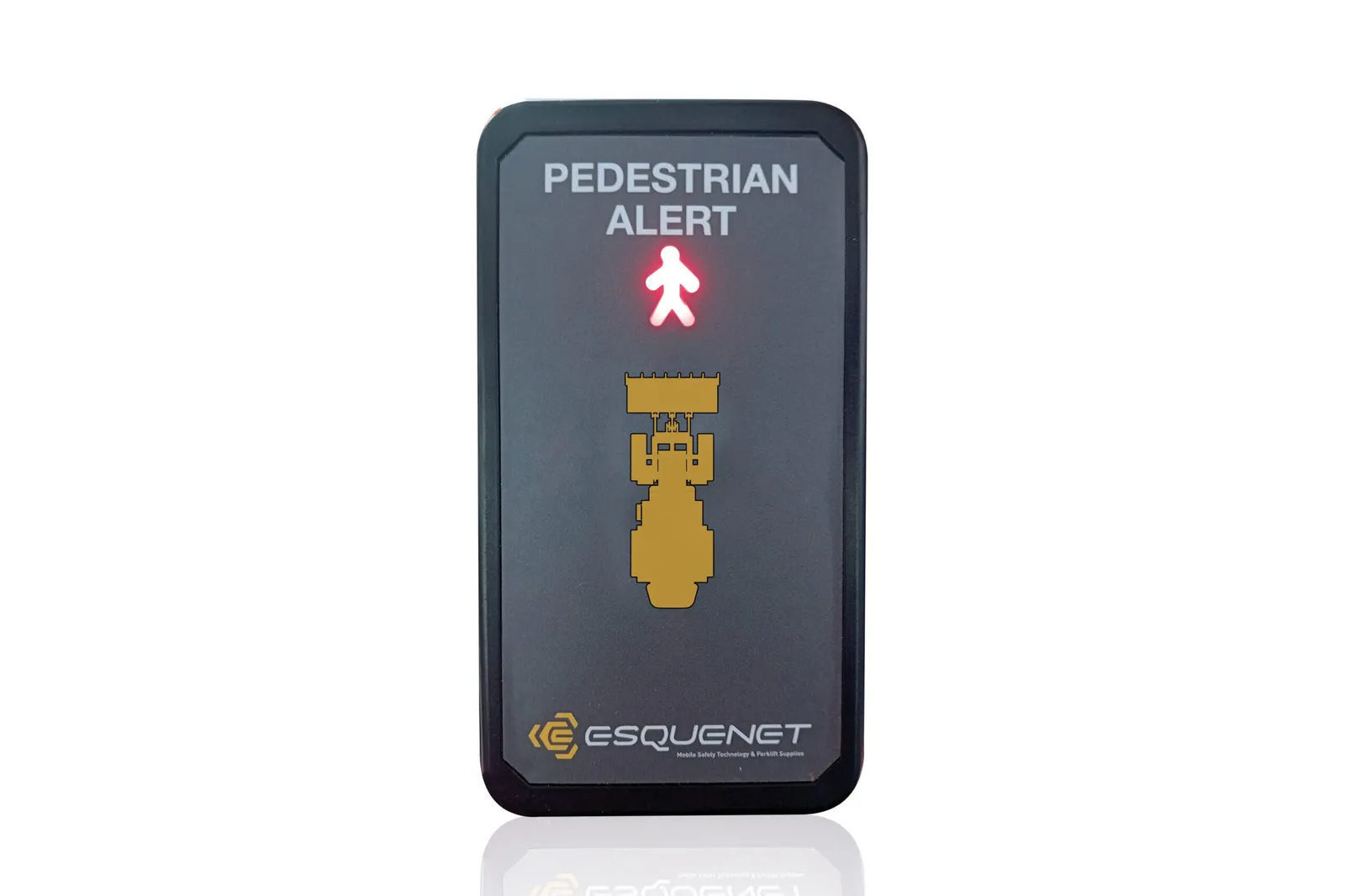
Esquenet MST offers a wide range of intelligent detection and safety systems that help create a safer working environment. These include automatic speed limiters, AI cameras, smart personnel detection and UWB tags that alert machine operators to people nearby. Frédéric Esquenet explains: “Our systems automatically slow machines down in areas with lots of pedestrians, or stop them when someone gets too close. This is crucial, especially on infrastructure projects where people work among large machines. Think of a roller reversing or an excavator with a blind spot. Personnel detection or visual warnings can help prevent an accident.”
The technologies used by Esquenet MST are, of course, constantly evolving. “We keep in close contact with suppliers and monitor the international market closely,” says Frédéric Esquenet. “New things are being developed all the time, all over the world. The challenge is to determine what is technically reliable, affordable and relevant to our customers. If all three conditions are met, integration is possible.”
Customisation and collaboration
Much of the added value Esquenet MST brings lies in practical implementation. Systems are tailored to specific vehicles and operating conditions. Frédéric Esquenet explains: “At the Port of Antwerp, for example, we fitted a Terberg tractor unit for a customer with five cameras. The product itself is nothing unusual, but the way we install and calibrate it is. We make sure every angle and area is covered perfectly. That’s customisation.”
Safety as standard
Safety requirements in the infrastructure sector are expected to increase further in the years ahead. Major infrastructure projects such as Oosterweel are already demonstrating this. “We’re seeing clients impose specific safety requirements more and more often. This will only become more widespread. Although the sector can be slow to move, the direction is clear. It’s a matter of mindset. As long as people only recognise the importance of safety after an accident, little will change. But those who invest in prevention always benefit. Less downtime, less damage and, above all, greater safety for everyone on site,” concludes Frédéric Esquenet.
Question about this story? Ask your question
Keep following this
Get an email when a new story is published. No account needed.
- SubjectYearbook