Targeted hydraulic engineering works turn De Bunt in Hamme into a controlled flood area
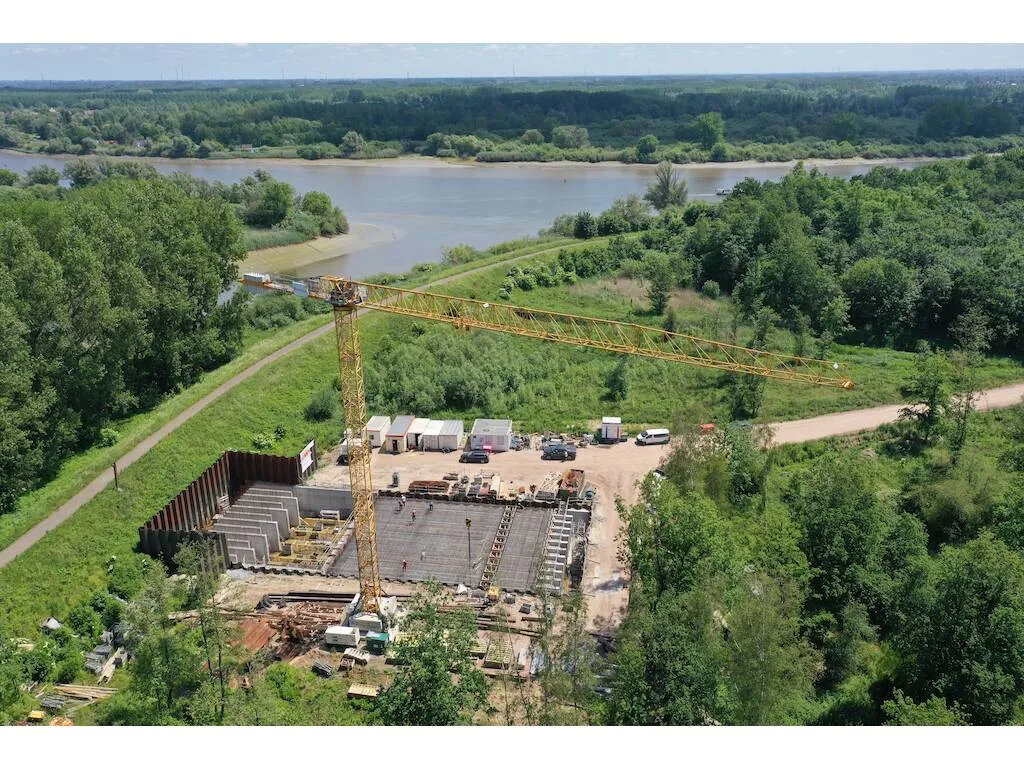
Work on the two new sluices in the De Bunt nature reserve in Hamme is nearing completion. Specialist contractor Herbosch-Kiere is carrying out the works on behalf of De Vlaamse Waterweg. After a ring dyke was built in the first phase, work is now being completed on the inlet and outlet sluice in the Durme dyke. “When water levels are high enough to risk flooding, the sluices can be opened in a controlled way so that water flows onto the site in a managed manner,” says Stefaan Dhooghe, site manager at Herbosch-Kiere.
In light of the recent severe floods, the works at De Bunt are essential to tackling flood risk in the area. Stefaan Dhooghe explains: “High water levels sustained over a long period can cause dykes to fail, resulting in major flooding. This is also a risk in Hamme. You cannot keep raising and widening the dykes, because that would bring them ever closer to built-up areas. The decision was therefore made to install sluices at two strategic locations. When water levels are high enough to risk flooding, the sluices can be opened in a controlled way so that water flows onto the site, which is enclosed by the ring dyke. The water that flows in can then settle for days or weeks until water levels return to normal. The site is then drained again. This is an example of a controlled flood area (GOG).”
Protective ring dyke
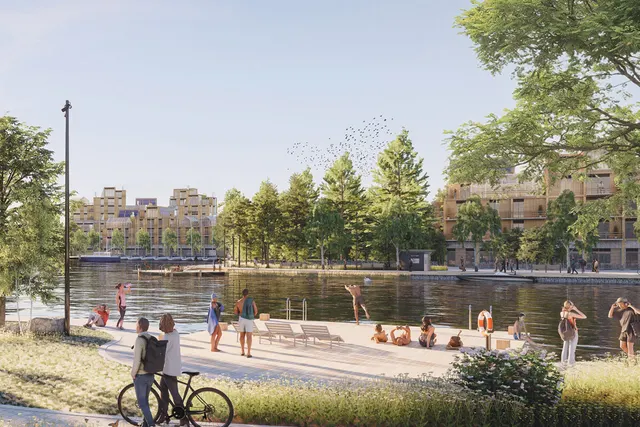
De Bunt will collect river water, helping to better protect the Scheldt and Durme valleys against flooding. At the same time, unique freshwater tidal habitats will develop. The area will therefore act as a climate buffer. The first phase of the works was completed some time ago: a ring dyke was built around the nature reserve to protect the areas behind it from flooding when De Bunt becomes operational as a flood area. Stefaan Dhooghe says: “The ring dyke is completely finished, except, of course, where we still need access to the site. Once our work is complete, the final section of the ring dyke will be closed off.”
Two sluices
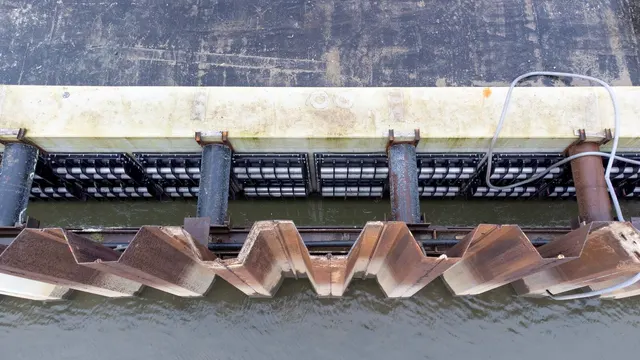
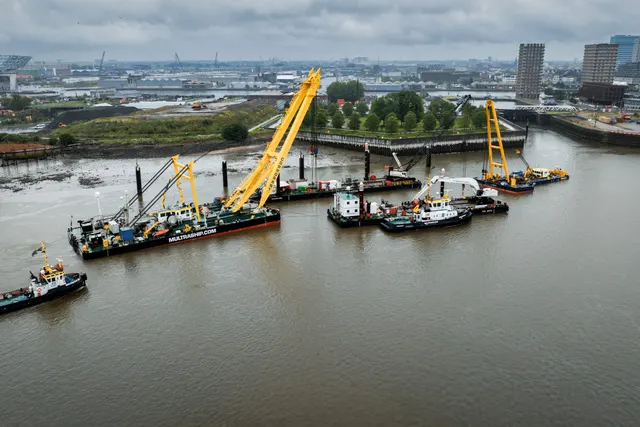
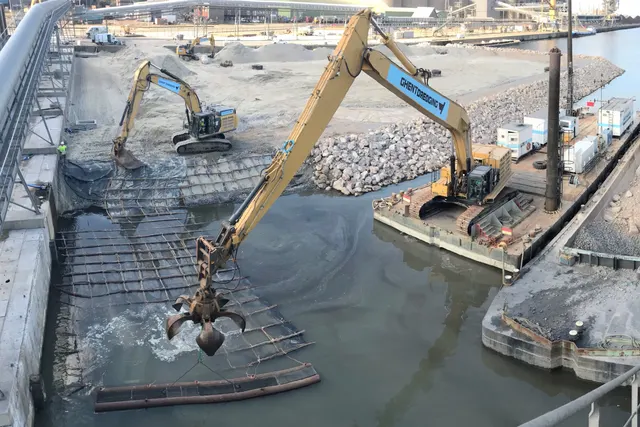
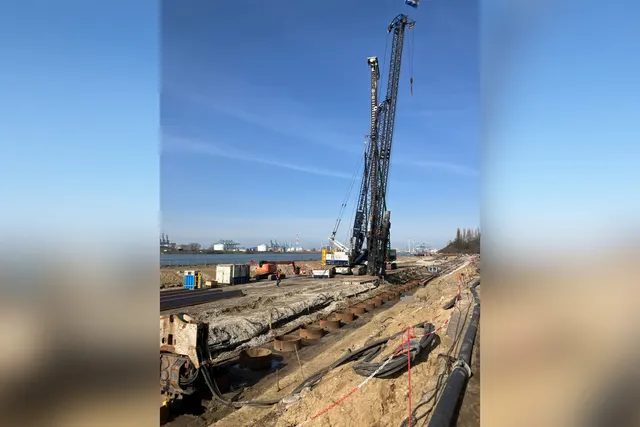
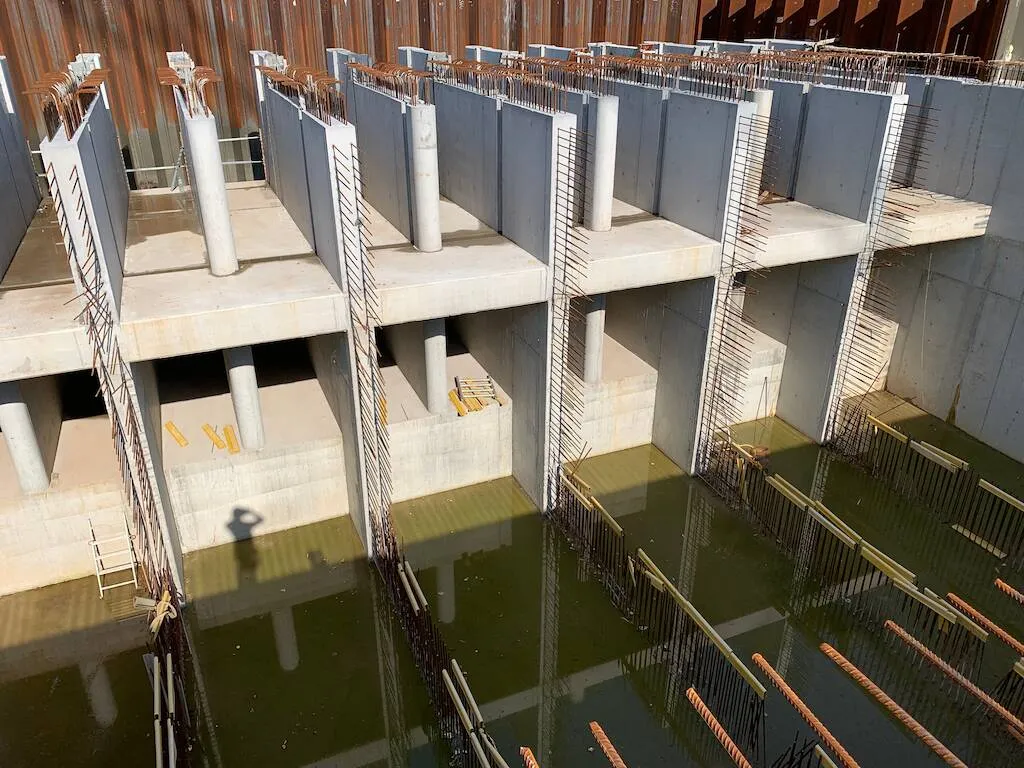
The second phase involved building two sluices: an outlet sluice in the Scheldt dyke and an inlet and outlet sluice in the Durme dyke. Both sluices are integrated into the existing dyke. These works marked a new phase in the transformation of the area into a controlled flood area with a reduced tidal range. Stefaan Dhooghe says: “The southern sluice discharges into the Scheldt. This meant that throughout its construction, we had to take the Scheldt tides into account at all times. In terms of construction, we therefore worked partly in the water in the Scheldt and partly on dry land. This brought its own challenges. The northern sluice, by contrast, is being built to connect the area to the Durme. It was constructed using conventional dry construction methods, in an excavated pit equipped with dewatering pumps.”
Twice a day, in time with the tide, river water flows into and out of the area through the inlet and outlet sluice. This will create mudflats and salt marshes with reed beds and willow carr in De Bunt. “This is a very interesting project for us, not only from a construction perspective, but also because of its environmental aspects. Climate change, prolonged high and low groundwater levels, flood risk … these are all topical issues. And these measures will certainly help address them. When water is let in, the groundwater level will rise. In the past, the prevailing view was that every drop of rain should be drained as quickly as possible into waterways and out to sea. Now we are trying to let every drop soak into the ground. When the land remains under water for longer periods, this will also have a positive effect on biodiversity in the nature reserve. That is another excellent outcome.”
This is exactly the kind of project Herbosch-Kiere specialises in. Projects involving significant technical challenges or logistical problems are reviewed by the company’s in-house engineering department, which develops safe, innovative and technically and economically sound solutions. “These are projects we manage down to the last detail, and we will bring this one to a successful conclusion too. The southern sluice is now complete and operational, and cyclists and pedestrians can once again travel safely along the newly constructed towpath. We are now nearing completion of the concrete works on the northern sluice. The remaining work includes constructing the access channel, lined with gabions, and installing the non-return valves, trash screens and vertical sluice gates,” concludes Stefaan Dhooghe.
Een zakelijke vraag aan Herbosch-Kiere? Get in touch
Companies in this story

Keep following this
Get an email when a new story is published. No account needed.
- ThemeStrengthening waterways and coastlines
- SubjectHydraulic engineering
- CompanyHerbosch-Kiere