Smart Shipping, a crucial tool for the future of our waterways
Text Niels Rouvrois Beeld De Vlaamse Waterweg
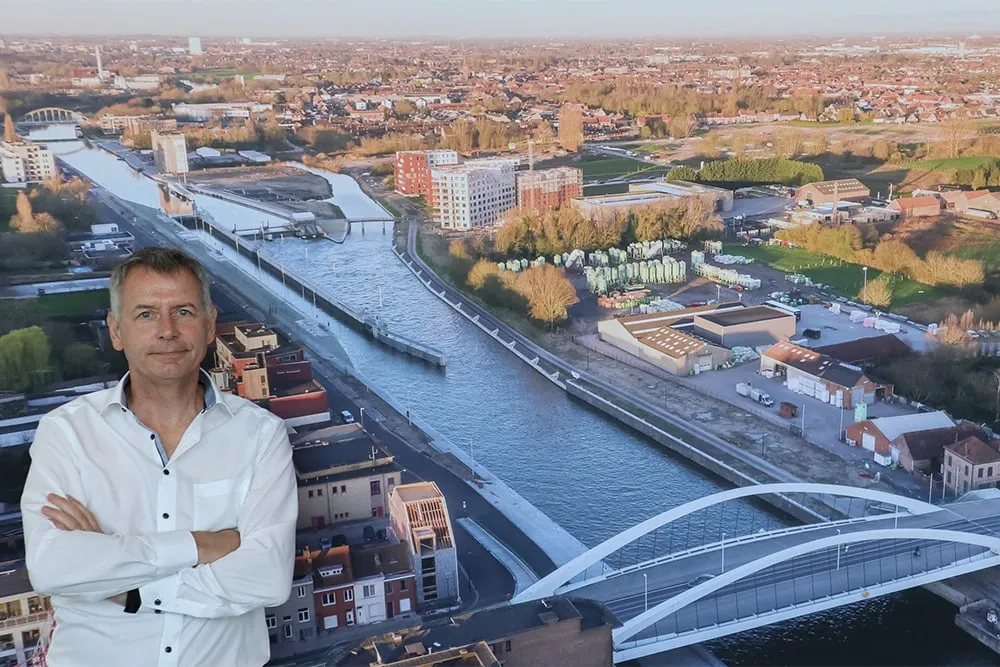
To help prepare for the future of automated navigation, De Vlaamse Waterweg nv launched the Smart Shipping programme. In short, Smart Shipping is a way to create a safe, reliable, efficient, sustainable and smart waterway network. By taking on a pioneering role, De Vlaamse Waterweg nv is raising awareness of automated navigation. GWW spoke to Erik Schrooyen, project manager at De Vlaamse Waterweg, about this remarkable programme.
The Smart Shipping programme focuses on 4 key pillars: smart vessels, smart infrastructure, smart data and smart regulation. A smart vessel is one with at least some form of onboard automation. Every automated vessel must guarantee the same minimum level of safety as a conventional vessel. Smart infrastructure is waterway infrastructure that is highly automated and operated remotely. Smart data, in turn, means sharing data to achieve a smart, smooth and flexible communication process. Finally, smart regulation means rules that enable innovation and forward-looking initiatives, always with safety in mind.
What are the Smart Shipping programme’s main strengths?
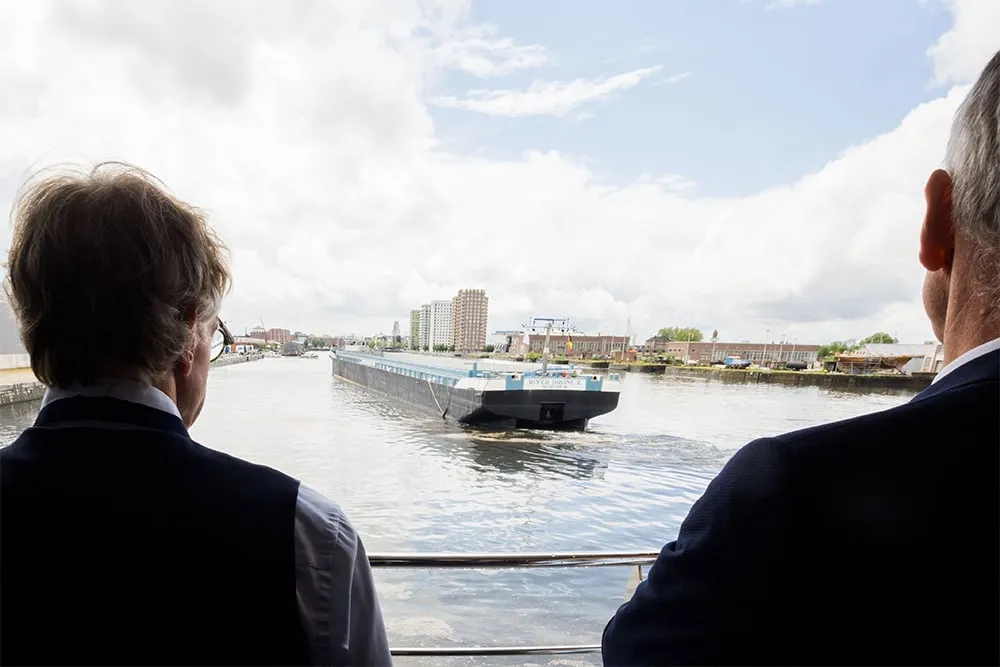
Erik Schrooyen: “Inland waterway transport has been facing a growing staff shortage for several years, which could cause problems for the sector in the future and have a negative impact on its competitiveness in the logistics chain. In addition, vessels in CEMT classes I to III are being used less and less, and waterways in these classes are being abandoned as part of the logistics chain.”
“Inland waterway transport is crucial to achieving the policy goals for an emission-free society by 2050. This is to be achieved by shifting a significant proportion of freight transport to inland waterways. The focus is on developing inland waterway transport along the trans-European transport network (TEN-T), for both long-distance and short-distance transport and urban areas. Digitalisation and automation play an essential role in finding solutions and achieving the objectives of the European Green Deal. In this context, experimenting with innovative solutions such as automated navigation is essential to tackling the challenges facing inland waterway transport.”
Why is it important for De Vlaamse Waterweg to take on this pioneering role?
“De Vlaamse Waterweg continues to take steps to promote automated navigation and confirm Flanders’ pioneering role in Europe. In 2018, De Vlaamse Waterweg opened its entire operating area as a test zone for automated navigation. Under Article 70 of the Shipping Decree, it is currently possible to launch innovative experiments or pilot projects on navigable waterways in Flanders. The various experiments and pilot projects aim to build technical and legal knowledge and experience, with a view to developing future sustainable regulations that will enable commercial automated navigation.”
“We see automated navigation as a ground-breaking innovation that may bring new and unknown challenges for both the applicant and De Vlaamse Waterweg. These challenges may have unwanted effects on the implementation of an experiment or pilot project, but they also offer opportunities to learn and grow. It is our task to welcome these challenges, address them proactively and learn from them, so that together we can build safe, future-proof and innovative inland waterway transport in Flanders.”
What are the programme’s main priorities today?
“For smart vessels, facilitating pilot projects and trials provides an opportunity to validate the maturity of innovative technology and the procedures for applying it. This will enable the pilot project operator to improve its automated navigation technology or remote vessel operation where necessary, and to gain experience. Ultimately, this could lead to a class certificate or type approval for an innovative system, confirming its robustness and reliability through an independent classification society.”
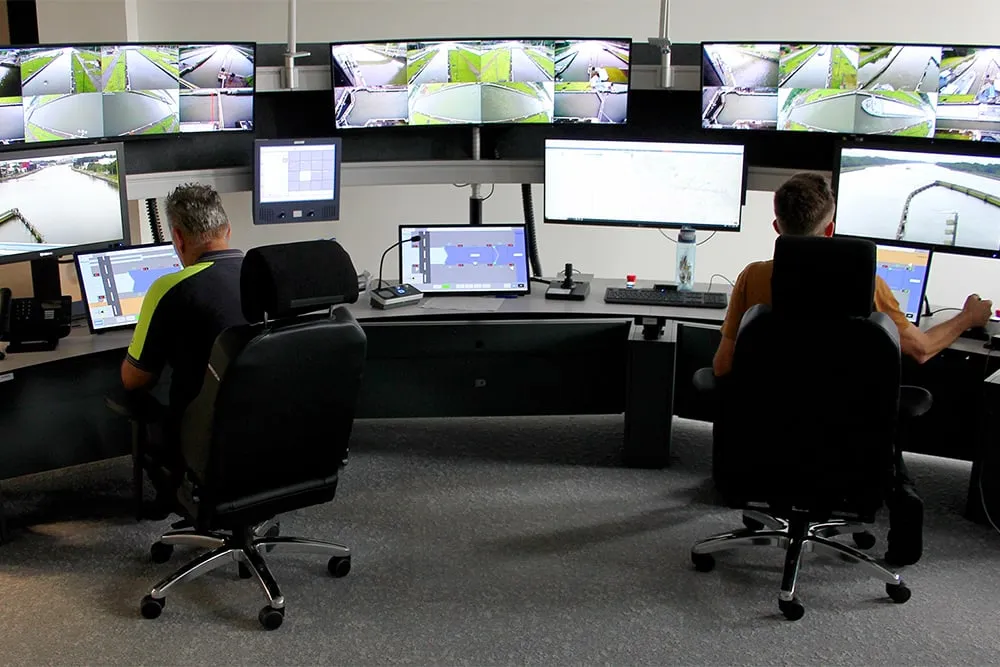
“For smart infrastructure, De Vlaamse Waterweg aims to operate all movable structures remotely from three remote operations centres by 2032. With the necessary investment, both technical and human, we are working towards smart and modern inland waterway transport. Interactions between infrastructure and vessels must increasingly take place digitally so that traffic can be managed as safely and efficiently as possible. By introducing electronic voyage reporting, we can move towards active, data-based voyage planning.”
“We need to ensure that inland waterway traffic flows efficiently and is ready for the future, always taking account of information from different sources. Smart Data or Smart Admin refers to all financial, operational and technical information exchanged with the government that is needed to enable shipping. The aim is to automate all information exchange, thereby continuing to guarantee an optimal service regardless of the level of automated navigation.”
How important is regulation to the programme, and how important will it become?
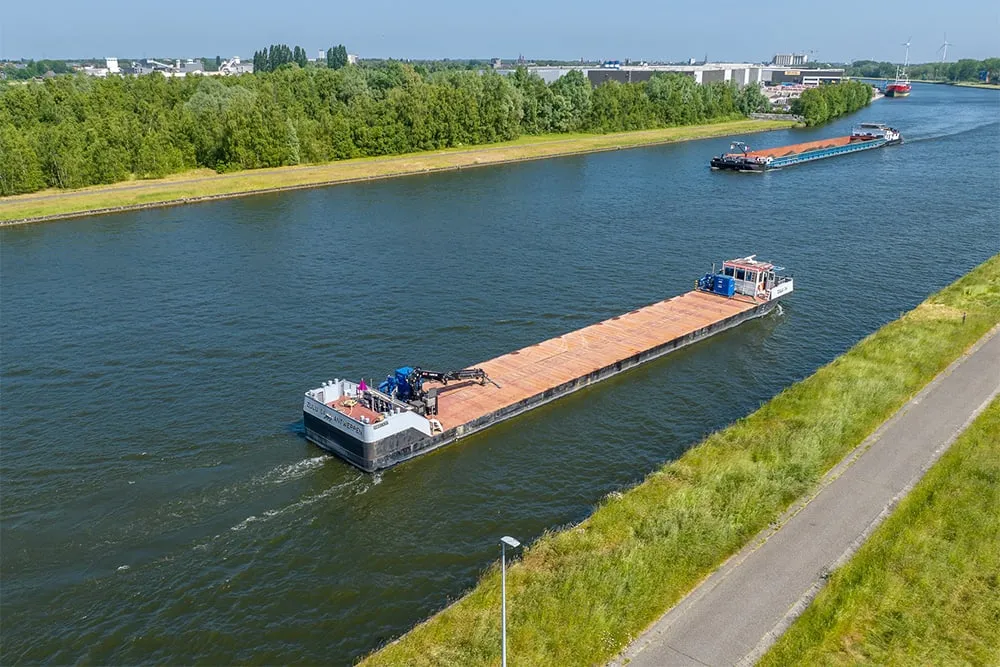
“Article 70 of the Shipping Decree gives Flanders a unique opportunity to test innovative technology and even temporarily grant exemptions from technical requirements, crew requirements and police regulations. An experimental agreement for a trial project is valid for 1 year, but can be extended for up to 10 years. The next step is to draw up a new Flemish Government Decree, the ‘BVR Geautomatiseerd varen’, to establish proven technologies on a permanent basis and enable their sustainable use in Flanders.”
“Changes to current legislation are also needed, but that requires international initiative. This applies to the Inland Waterways Police Regulations, crew regulations and the technical requirements for vessels. To move from pilot projects to the routine use of automated navigation on inland waterways, a regulatory framework must be developed that firmly embeds the concept of automated navigation in inland waterway regulations, giving the sector legal certainty and enabling it to fully embrace automated navigation. De Vlaamse Waterweg is also involved internationally, with various experts taking part in working groups and committees to support this transition.”
Question about this story? Ask your question
Keep following this
Get an email when a new story is published. No account needed.
- ThemeStrengthening waterways and coastlines
- SubjectHydraulic engineering