









Offshore wind foundations with a concrete shaft and seabed frame
Text Kris Vandekerckhove Beeld Fundex / Pixabay
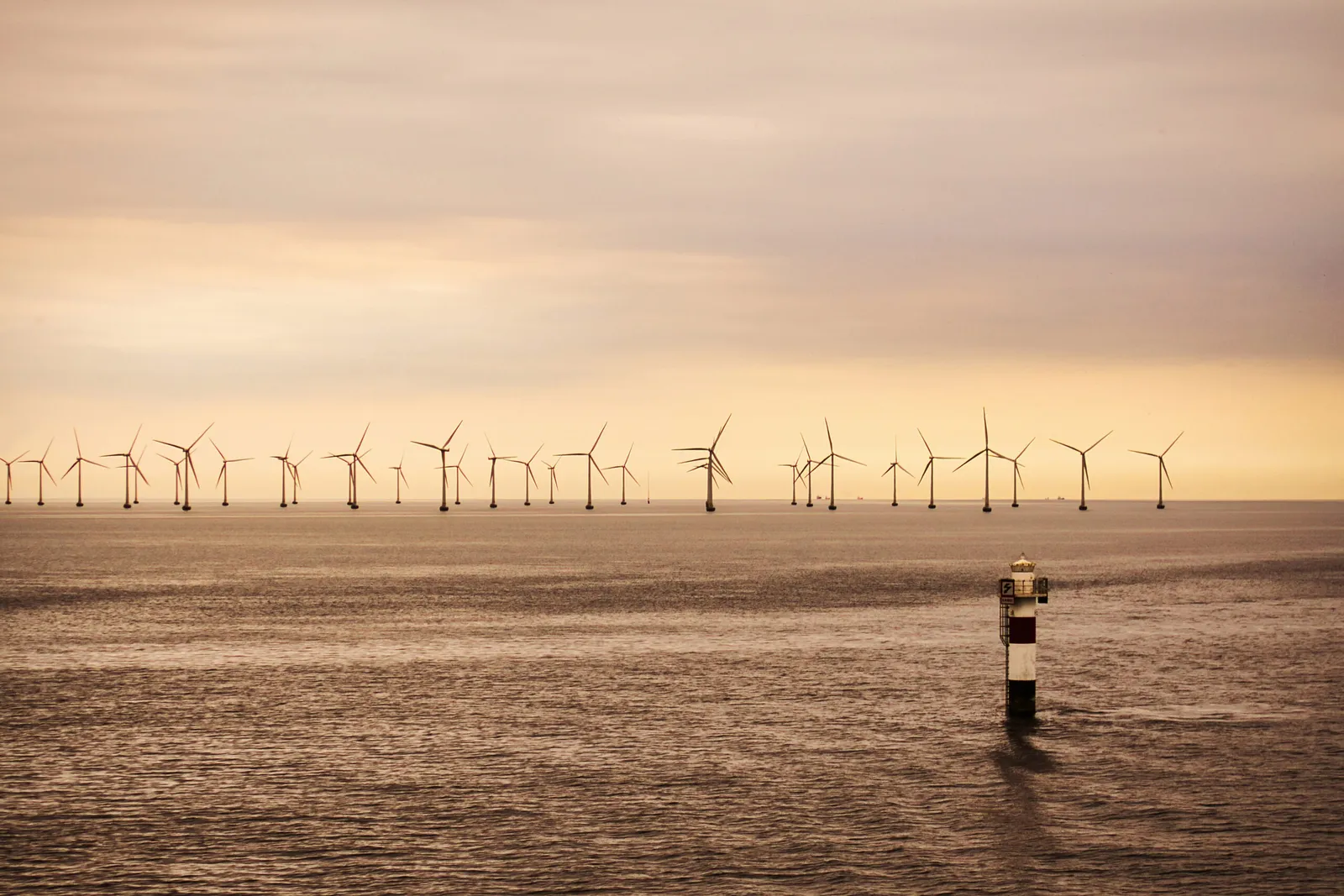
Offshore wind farms are growing larger and more powerful, placing high demands on their foundations. Funderingstechnieken Verstraeten bv (Fundex) has developed a patented solution: a prestressed concrete shaft combined with a heavy seabed frame filled with rock. This combination delivers maximum stability, lower installation and maintenance costs, and minimal impact on marine life. “We combine stability with respect for the sea,” says Davy Maes, managing director of Fundex.
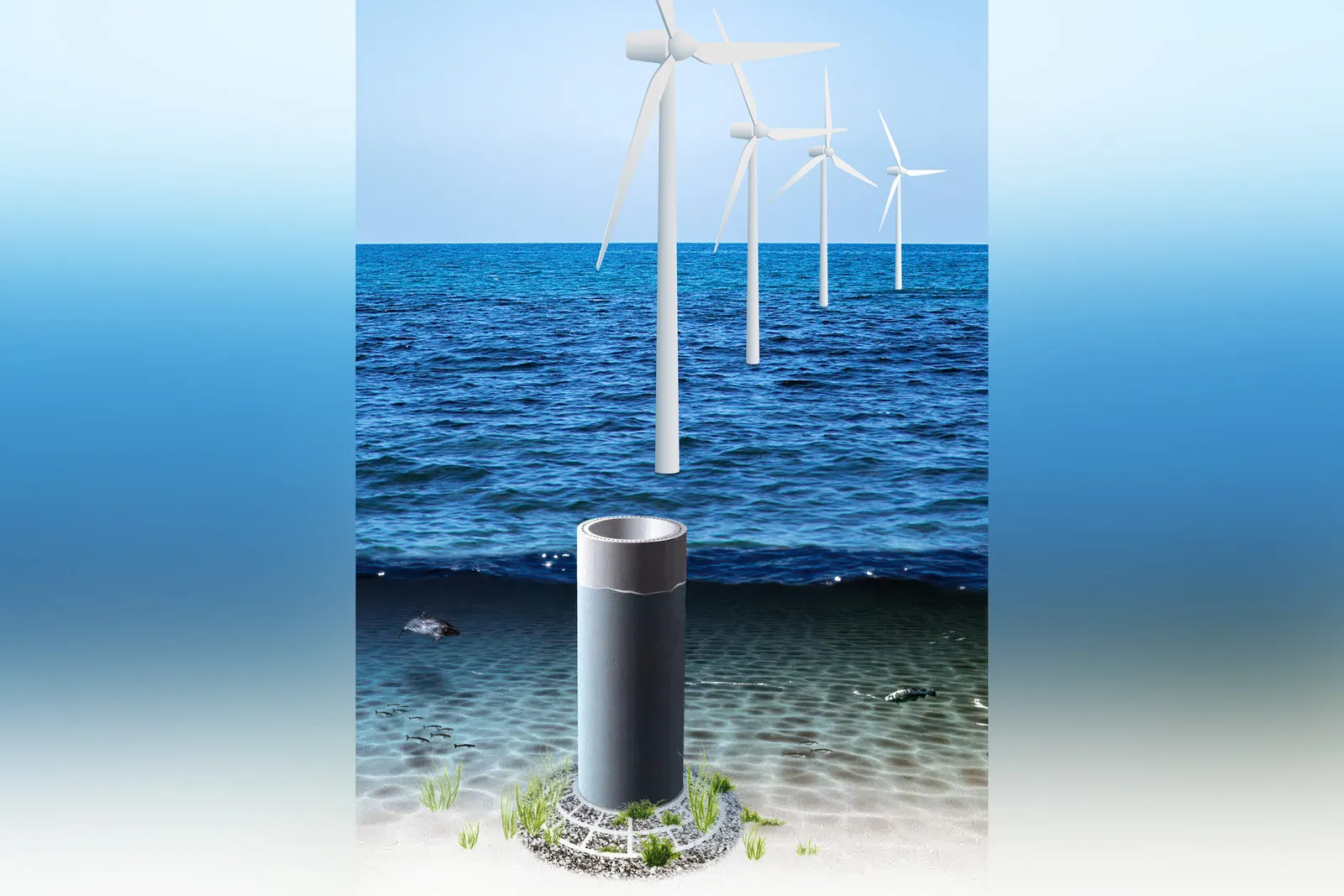
At the heart of the Fundex system is a vertical, prestressed concrete shaft. It is drilled into the seabed, with its upper section extending eight to fifteen metres above the water’s surface. The space between the shaft and the surrounding ground is filled with high-quality grout, creating a strong connection with the substrate.
“Concrete is a deliberate choice in this case,” says Maes. “It is robust, corrosion-resistant and requires little maintenance. That makes it an attractive alternative to steel, especially in an offshore environment.”
Seabed frame: mass as a counterforce
Fundex places a concrete seabed frame around the shaft, divided into V-shaped compartments. These are filled with 5,000 to 6,000 tonnes of rock. The weight acts as a counterbalance, minimising horizontal displacement.
“Think of it as a fully fixed pipe,” Maes explains. “The counterweight and the structural connection between the frame and shaft mean that much less embedment in the seabed is needed. That saves time and materials, and therefore money.”
The frame also increases the vertical pressure on the seabed, enhancing the foundation’s load-bearing capacity. Any horizontal movement must first overcome the friction generated by the enormous weight of the rock mass.
Seabed protection
The design is not only technically robust, but also considerate of the marine ecosystem. The seabed frame prevents erosion (scour) around the foundation and dampens vibrations transmitted through the rotor blades into the structure.
“Vibrations can have a negative impact on organisms on the seabed,” says Maes. “By adding weight to and stabilising our structure, we significantly reduce these vibrations. This allows us to build offshore without unnecessarily disturbing marine life.”
A sustainable, cost-efficient alternative
The Fundex solution is a fully-fledged alternative to large steel monopiles, gravity-based structures or steel space frames (tripods and jackets). It performs well not only in ecological terms, but also in terms of materials, installation and maintenance costs.
As offshore wind turbines increase in scale, along with the forces acting on their foundations, this technology offers a scalable solution. “Whether it’s 6 MW or 10 MW turbines, our system can scale up. Our aim is to deliver solutions that are fit for the future, both technically and socially,” concludes Davy Maes. “This is a great example of that!”
A business enquiry for Fundex Verstraeten BV? Get in touch
Companies in this story
Keep following this
Get an email when a new story is published. No account needed.
- ThemeUsing and protecting the subsurface
- SubjectHydraulic engineering
- CompanyFundex Verstraeten BV







