New quay wall in Blankenberge taking shape
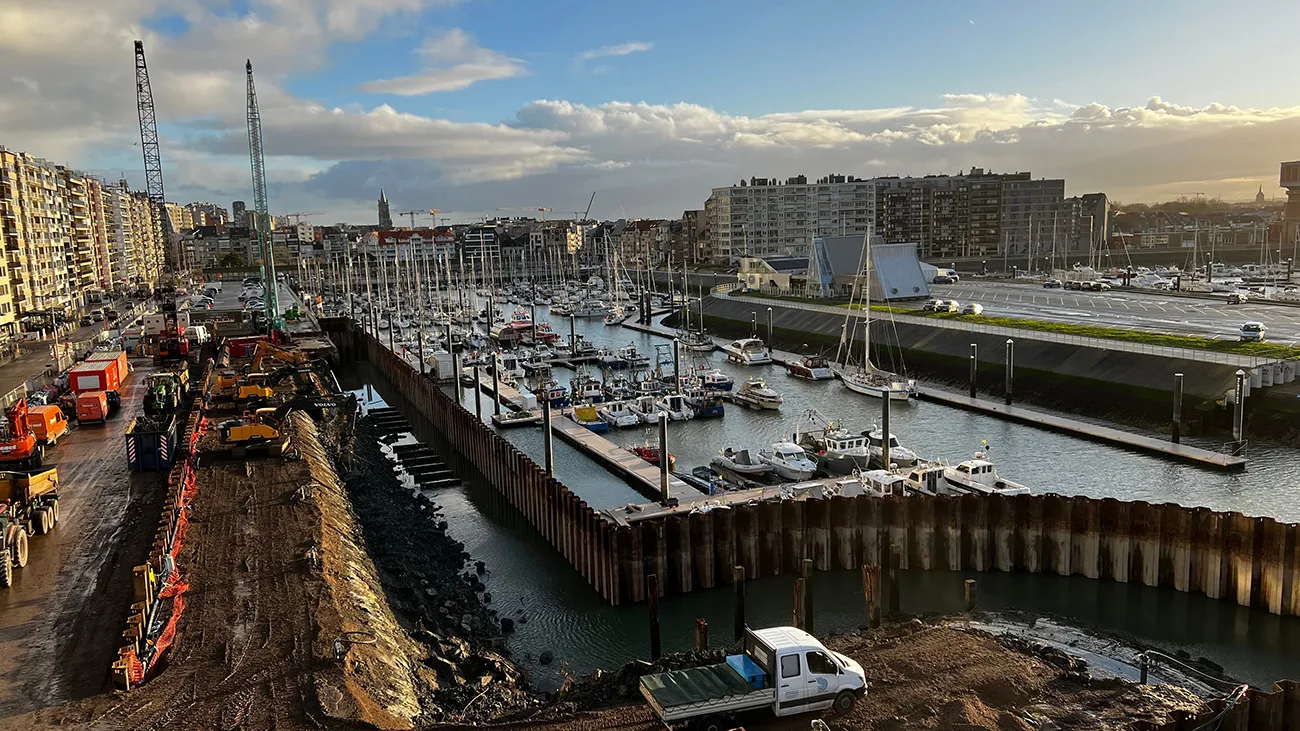
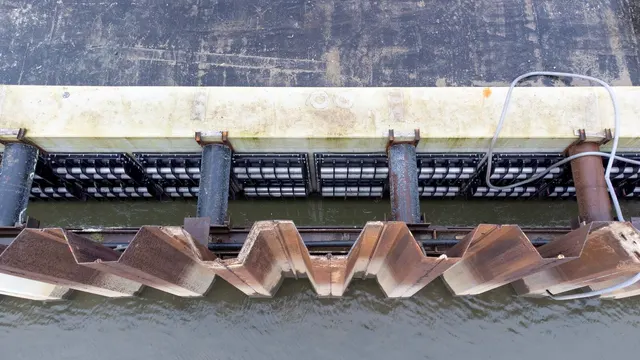
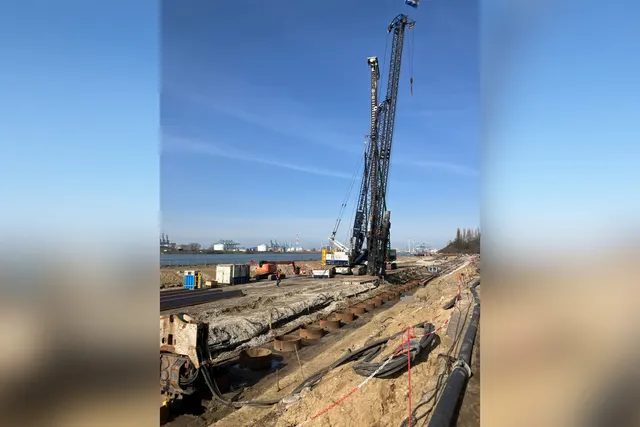
The second phase of the new quay wall in the marina, along Franchommelaan in Blankenberge, is being carried out on behalf of the Agency for Maritime and Coastal Services. This phase was entrusted to experienced main contractor Braet, based in Nieuwpoort. The old concrete jetty was removed, a dry construction pit was created behind a temporary sheet pile wall, and the permanent sheet pile wall has now also been driven and construction of the new quay is under way. “Our in-house expertise and experience across several specialist areas of marine construction are a major asset on this project,” says Olivier Dewulf, site manager at Braet.
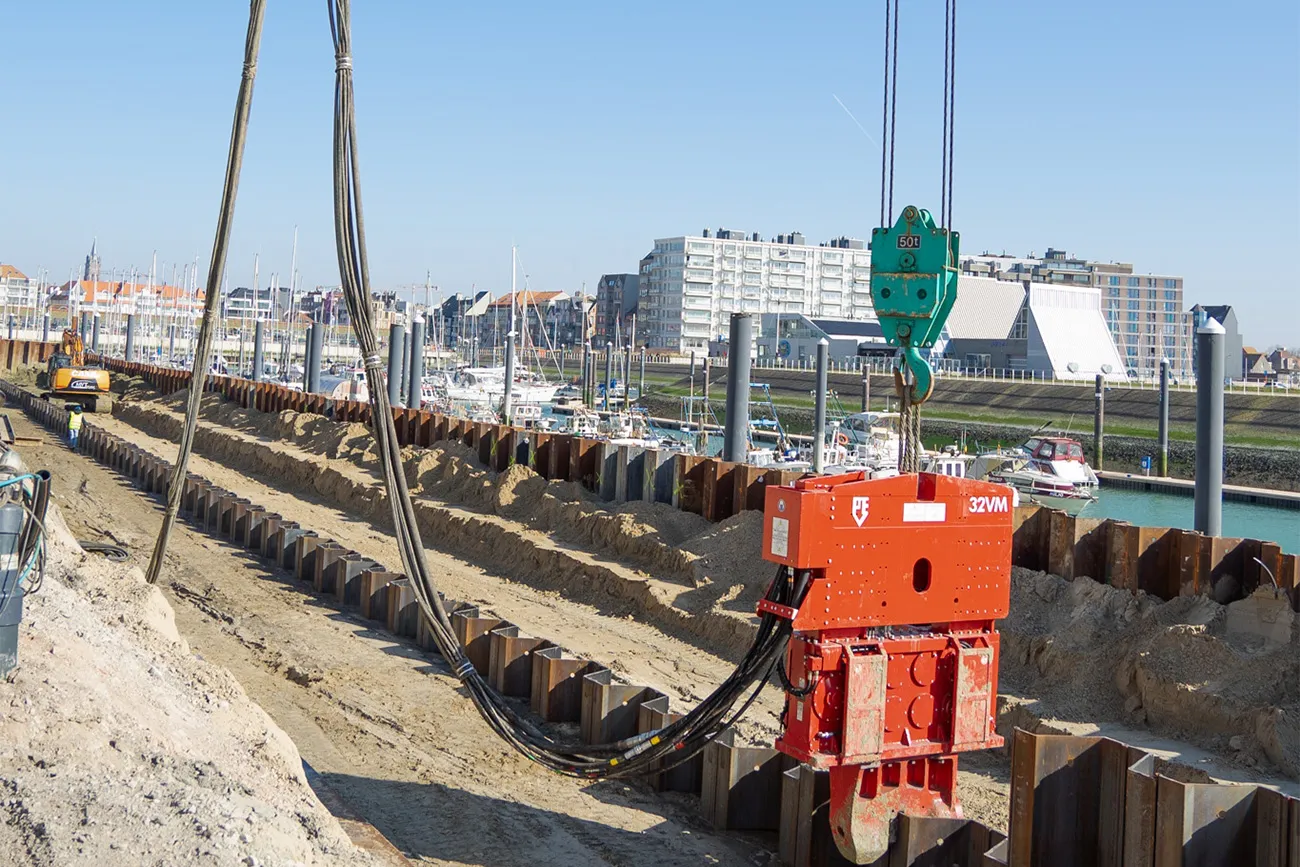
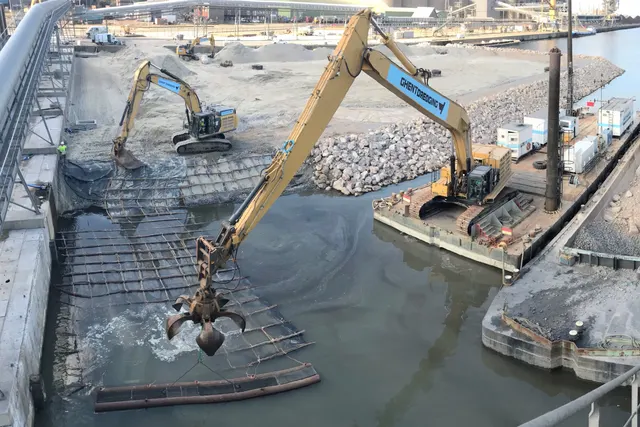
Since its establishment in 1889, Braet has specialised in marine construction, including the construction and maintenance of hydraulic structures in, on and around the water. Climate change is a reality, and we are increasingly exposed to more extreme weather conditions. Severe storms and flooding can cause considerable damage, and specialist hydraulic structures can help address this. The works in Blankenberge are therefore fully aligned with the wider effort to protect the town centre against storm surges from the sea. The second phase of the project primarily involves building a temporary protective wall in the marina, demolishing the existing quay wall, including extracting its existing pile foundations, and constructing a new quay wall made of anchored sheet piles. The new quay wall is being built on the same site as the old one.
Tidal action
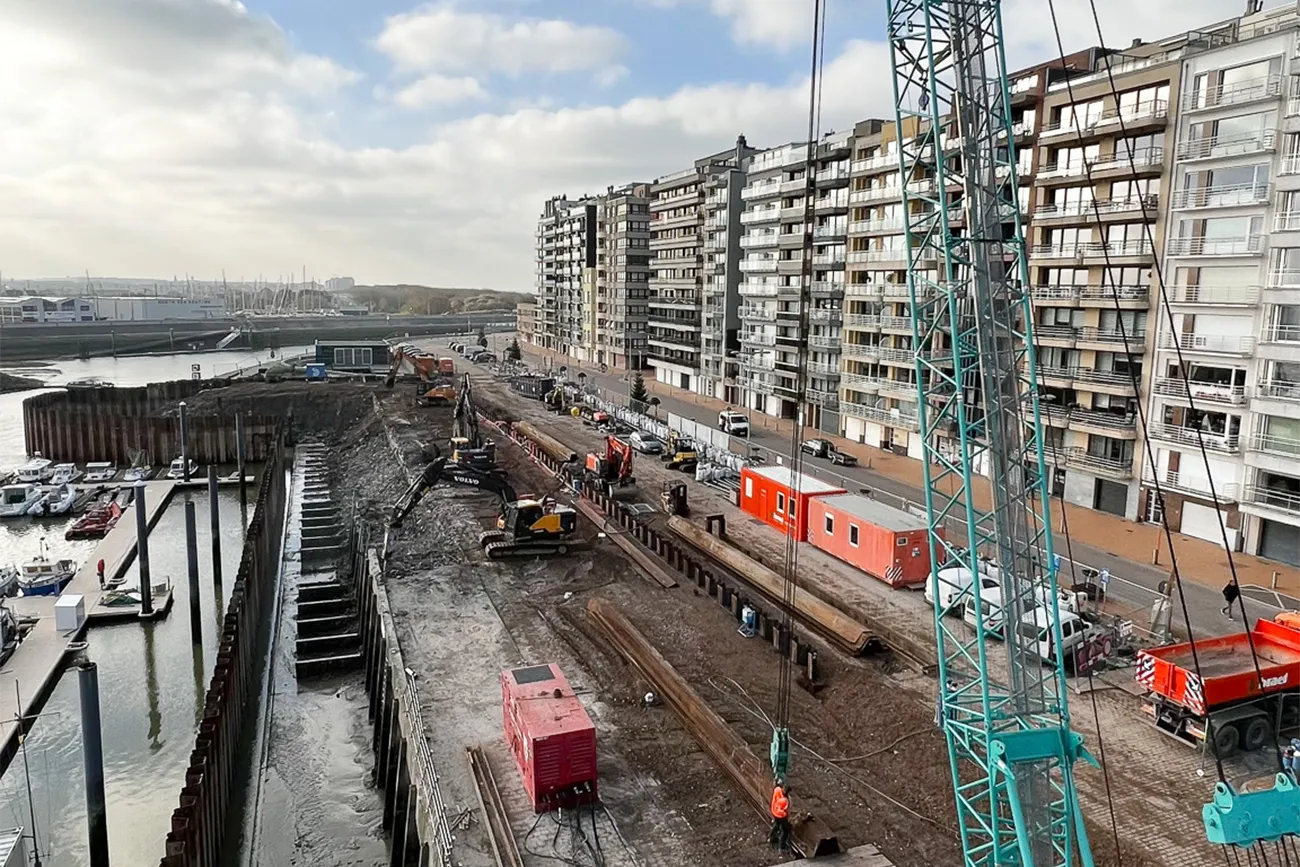
Olivier Dewulf: “We started by removing the old concrete jetty. We then created a dry construction pit behind a temporary sheet pile wall. This allows us to work safely in dry conditions and minimise the influence of the sea. The latter is certainly the biggest challenge on this project. Tidal action means we have to contend with water levels ranging from 0.5 m TAW to as much as 5 m TAW during stormy weather. This creates an enormous pressure differential, making it difficult to keep the pit dry. We are using a bitumen-like material on the inside of the sheet piles to keep water out as effectively as possible, but in some places this proved insufficient, resulting in a few leaks.”
Thanks to the flexibility required and years of experience with this type of work, Braet has overcome this hurdle too. “Challenges like these are exactly what appeal to us as marine construction specialists. The key is not to panic, but to find a solution,” says Olivier Dewulf. “Sometimes it takes trial and error, but you learn from that too. There are also very few products on the market that can withstand such harsh conditions. Products often do not stand up to salt or brackish water indefinitely. We tackled the leaks locally, for example by applying bitumen to the outside of the sheet pile wall rather than the inside, so that the external pressure pushes the wall into the interlock.”
Quay wall under construction
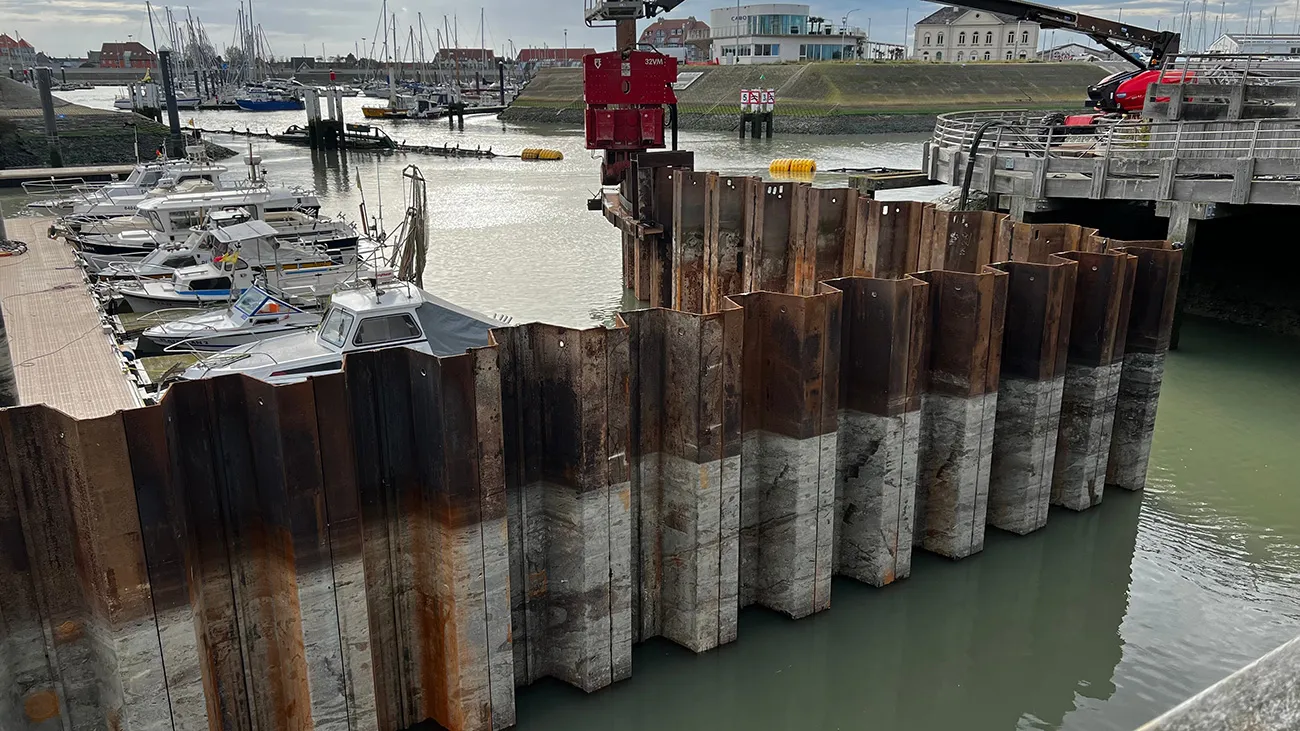
Despite the challenges, Braet is on track to reach the finish line. “The demolition and foundation works were completed at the start of this year, the permanent sheet pile wall has been driven, and we are now busy with formwork and concrete work on the new quay wall. The work by dewatering specialist Smeyers, combined with our own efforts to keep the construction pit as dry as possible, means we can continue to make good progress. There is no single foolproof solution, so we have to keep thinking creatively. Our strengths on this project are also evident in the collaboration between project managers, each of whom brings specialist expertise in their own field. This shared knowledge is a major asset for our client. We work well together internally and can always call on colleagues, which can lead to fresh insights. That also enables us to solve unusual and more complex problems. Communication is, after all, an essential part of every construction project. For a construction company, communication on site is vital to ensuring the project runs smoothly and is completed on time,” concludes Olivier Dewulf.
A business enquiry for Smeyers nv? Get in touch
Companies in this story

Keep following this
Get an email when a new story is published. No account needed.
- ThemeStrengthening waterways and coastlines
- SubjectHydraulic engineering
- CompanySmeyers nv