









AMORAS sludge treatment plant processes the most contaminated dredged material
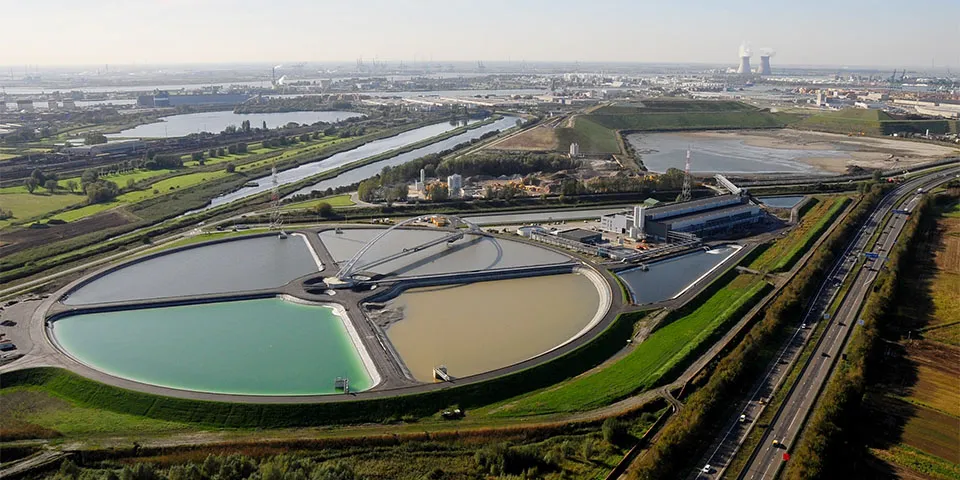
Flemish Government, Port of Antwerp and SeReAnt work together to improve water quality in the Port of Antwerp
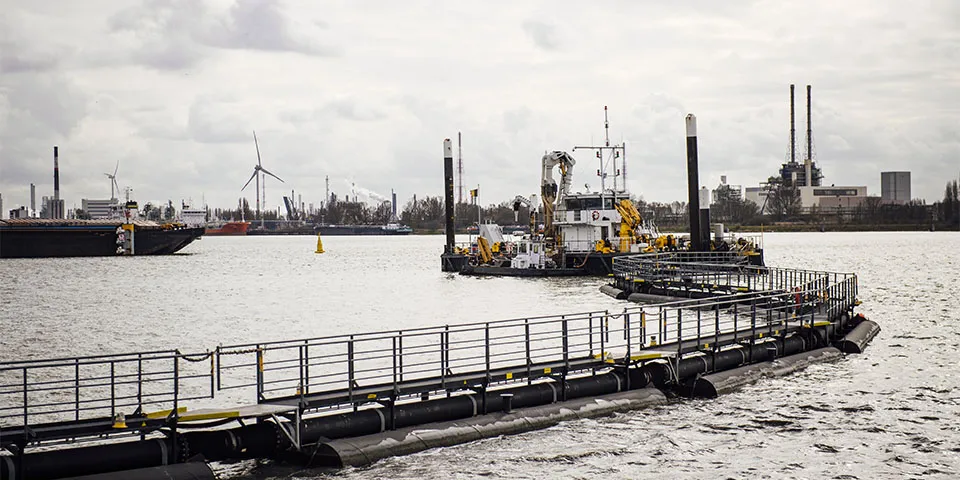
The Flemish Government, Port of Antwerp and contractor SeReAnt, a partnership between the environmental companies of Jan De Nul Group and DEME Group, are starting work this month to dredge and process the most contaminated dredged material in the port, known as TBT-contaminated material. “After years of research, there is finally a solution to this historic pollution. This is a world first and a milestone for Flanders and the Port of Antwerp,” says Lydia Peeters, Flemish Minister for Mobility and Public Works. “We are removing the most contaminated sediment from the docks. This will substantially improve water quality.”
Pollution from ship paint
The Flemish Government and Port of Antwerp work together to keep the port’s docks accessible to modern shipping. Huge volumes of sediment are dredged each year and then processed at the AMORAS dewatering plant. “But there was one type of sediment we could not yet process: sediment with elevated organotin concentrations, or Tributyltin, known as TBT-contaminated material,” says Yi-Bin Shan, Head of the Maritime Access Division at the Department of Mobility and Public Works. “From the 1970s onwards, TBT was used worldwide in ship paint to prevent mussels and algae from growing on hulls, but it has been completely banned since 2003. The substance is extremely harmful to the environment and also breaks down very slowly. Over the years, the sediment has absorbed TBT like a sponge and gradually releases the pollutant again. This disrupts the metabolism and hormone function of molluscs, particularly snails and mussels.”
The only port in the world
“Together with the University of Antwerp, we have spent several years researching how to remove TBT from the port,” says Jacques Vandermeiren, CEO of Port of Antwerp. “We are proud that we can finally tackle this historic pollution. Water quality in the port docks currently falls below the European standard. This project will bring about a significant improvement. As a port company, we believe it is important to take responsibility towards society. We are the only port in the world that not only removes contaminated sediment, but also processes it sustainably.”
The Flemish Government and Port of Antwerp are jointly making the necessary funds available to dredge and process the most contaminated material. “Flanders provides 25 million euros each year for the operation of AMORAS. We are now making an additional investment of 700,000 euros per year to dispose of TBT-contaminated material in an environmentally responsible way. This will improve access to the port, an important responsibility of the Flemish Government,” says Flemish Minister Lydia Peeters.
“Port of Antwerp has invested 1 million euros in the preliminary phase of this project and will set aside 1.5 million each year for the actual processing of TBT-contaminated material,” continues Port Alderman Annick De Ridder. “Port of Antwerp wants to inspire other ports and take a leading role in sustainability.”
800,000 m³ of sediment over the next five years
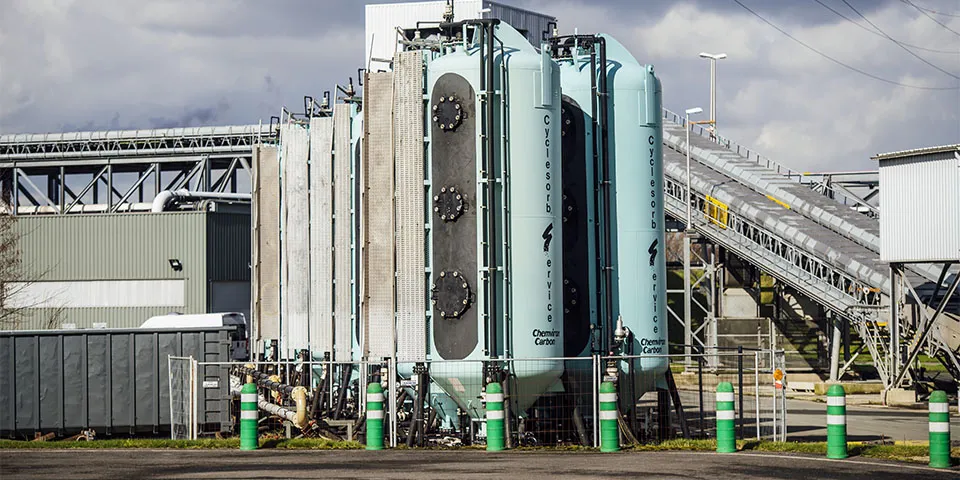
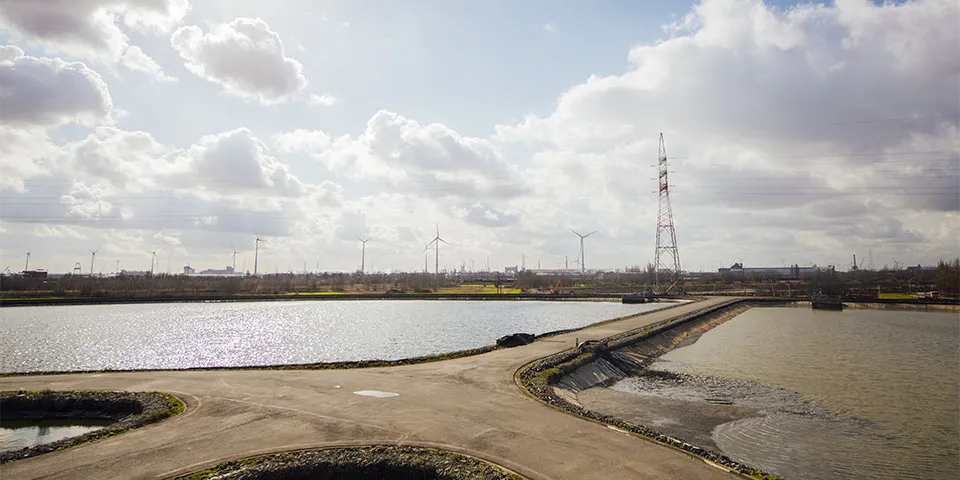
Processing all the contaminated sediment in the Port of Antwerp is a long-term undertaking. A pilot project began in 2018, after the necessary permits had been obtained and some modifications made to the water treatment plant. “We have added an extra step to our processes and installed activated carbon filters. These remove toxic substances from the water after it has passed through our water treatment plant,” says Yi-Bin Shan, Head of the Maritime Access Division. “During the pilot project, we dredged, transported and processed 185,000 m³ of heavily contaminated sediment at AMORAS. This allowed us to assess the impact on the plant and map out all the potential risks. We now have an agreement to remove and process 800,000 m³ of sediment from the port docks over the next five years, producing 500,000 tonnes of filter cake. We will first remove sediment that obstructs nautical access, as well as the worst TBT hotspots in the older southern part of the port. We will then tackle the other areas.”
How does it work?
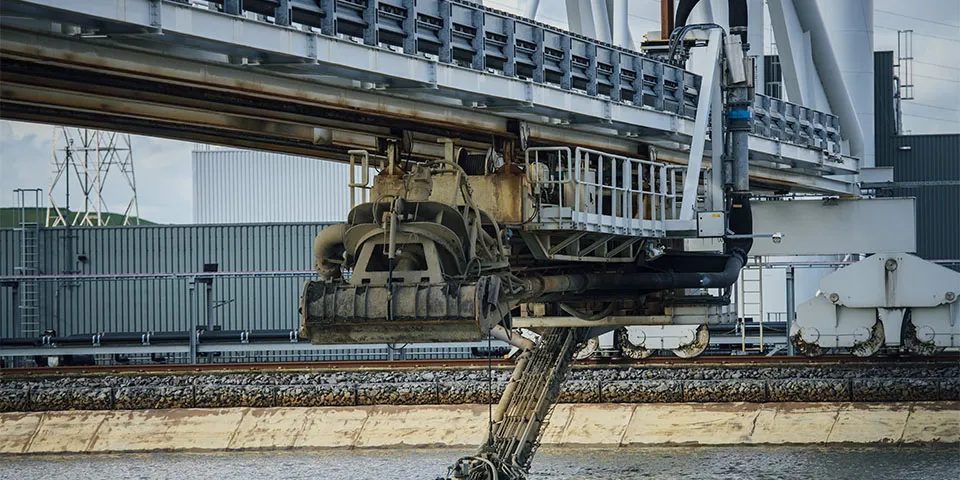
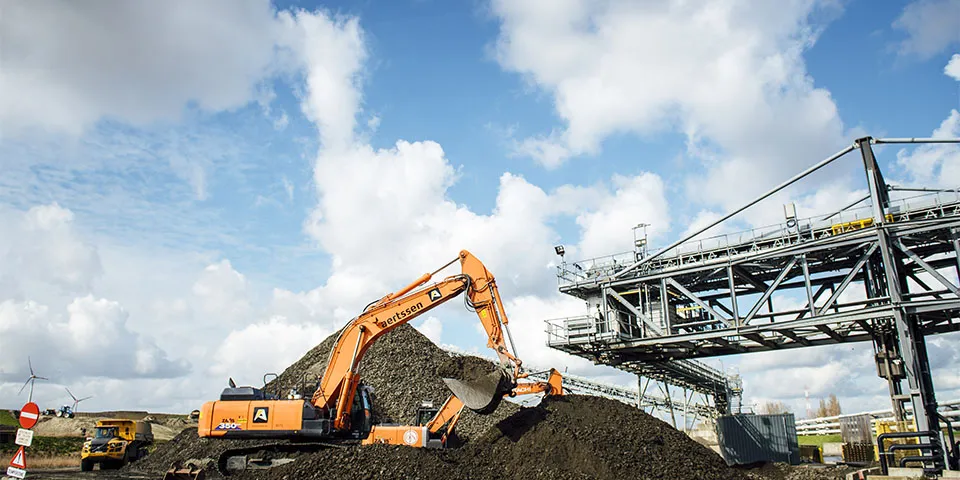
- The TBT-contaminated material is dredged in the port. A 15 m³ environmental grab is used to prevent the contamination from spreading into the surrounding water.
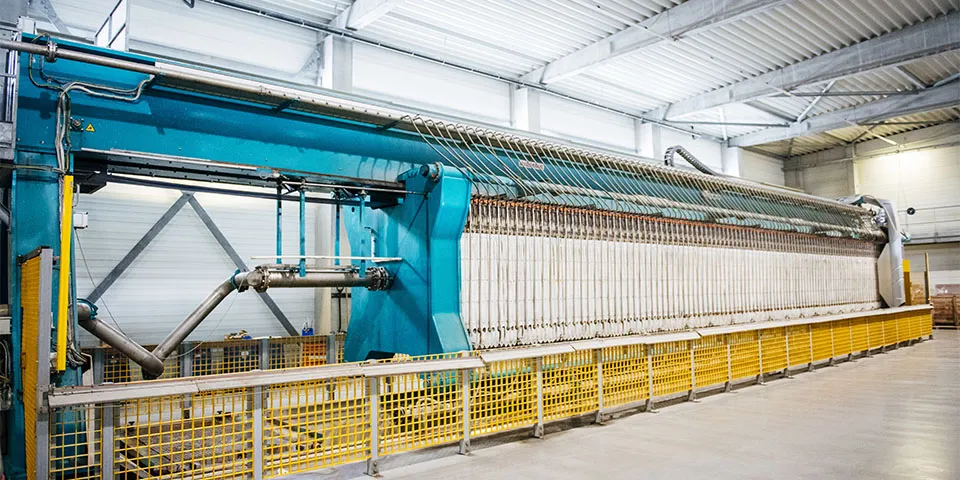
- The dredged sediment is transported in 2,400 m³ transport barges to the AMORAS processing plant.
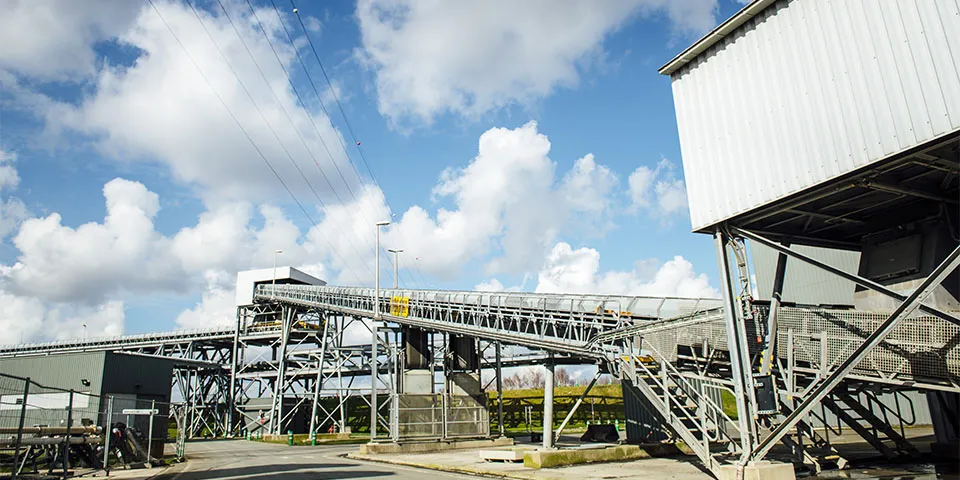
- SeReAnt, the contractor operating the AMORAS plant, pumps the sediment out of the transport barges and transfers it to the processing plant.
- Coarse waste and sand are removed.
- The wastewater is treated at a water treatment plant. TBT-contaminated sediment is also treated with activated carbon. The water then flows back into the docks.
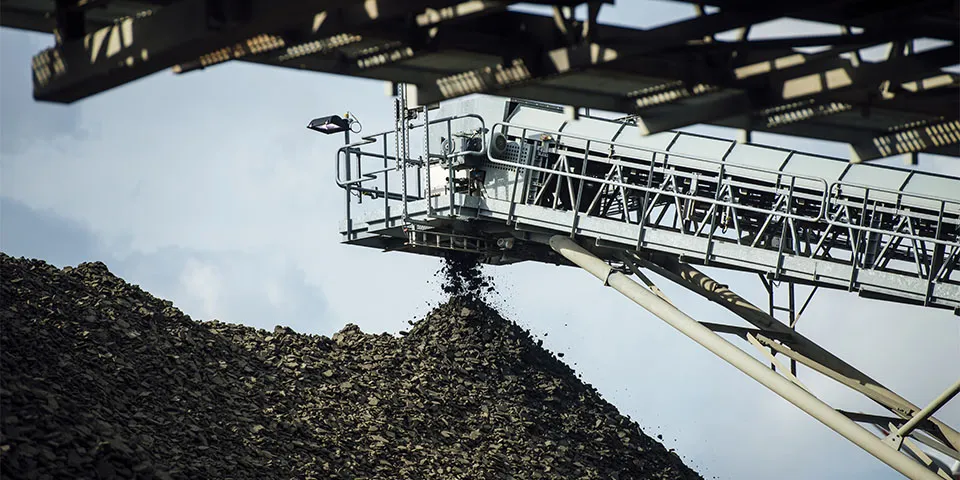
- The sediment is processed into a dry end product: filter cake, which is safely stored on site.
AMORAS: innovative partnership between government, port and dredging companies
Through AMORAS, the Flemish Government and Port of Antwerp are working together on the sustainable, long-term storage and processing of maintenance dredgings from the Antwerp port docks. AMORAS stands for Antwerp Mechanical Dewatering, Recycling and Application of Silt. The Department of Mobility and Public Works provides 80% of the funding, with Port of Antwerp providing the remaining 20%. Since 2011, the dewatering plant has processed 450,000 tonnes of dry matter into filter cake each year. The temporary joint venture SeReAnt operates the plant. SeReAnt is a partnership between DEME Group environmental company DEC and Jan De Nul Group environmental company Envisan. AMORAS is actively looking for ways to reuse the dry matter recovered from uncontaminated dewatered sediment in useful applications. Several options are being explored, with the concrete industry showing particular interest in the filter cake.
Question about this story? Ask your question
Keep following this
Get an email when a new story is published. No account needed.
- ThemeStrengthening waterways and coastlines
- SubjectHydraulic engineering







