









Sewerage & underground infrastructure
Sulphur concrete under COPRO certification
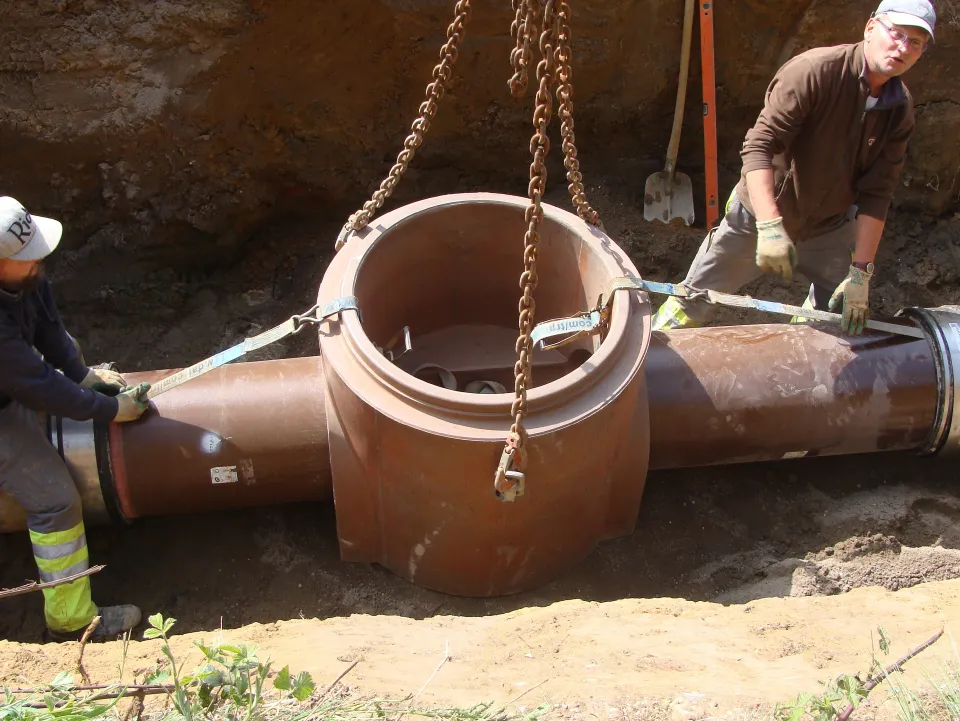
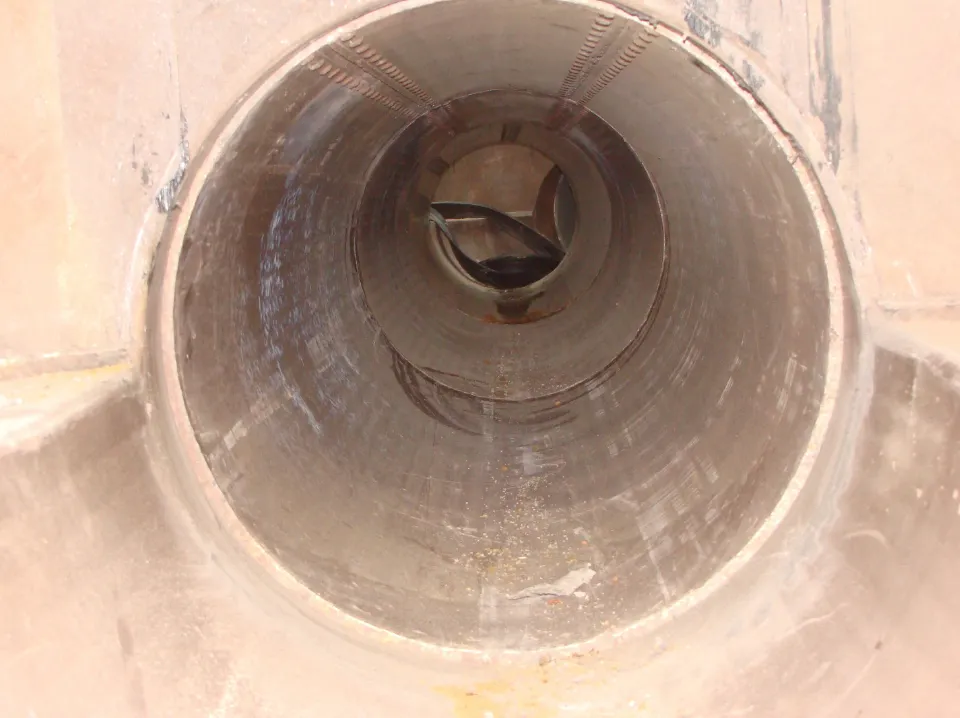
In 2013, an Advisory Council began drafting the certification documents for sulphur concrete. The specifications and regulations were finalised from 2018 onwards, making it possible for certain sulphur concrete products to be certified under the COPRO mark. Sulphur is used as the binder in the production of sulphur concrete.
The COPRO mark (COntrole van PROducten, product control) is a collective mark owned by COPRO. For more than 35 years, the certification body has acted as an independent third party, overseeing producers that place road construction products on the public market under either the COPRO or BENOR certificate. Since 1996, a subsidy decree has required municipalities and sewer managers in Flanders to use certified products when installing municipal sewer systems. As certification is carried out on the basis of standards and regulations, it became necessary in 2014 to establish an advisory council to draw up this technical specification, under the leadership of COPRO.
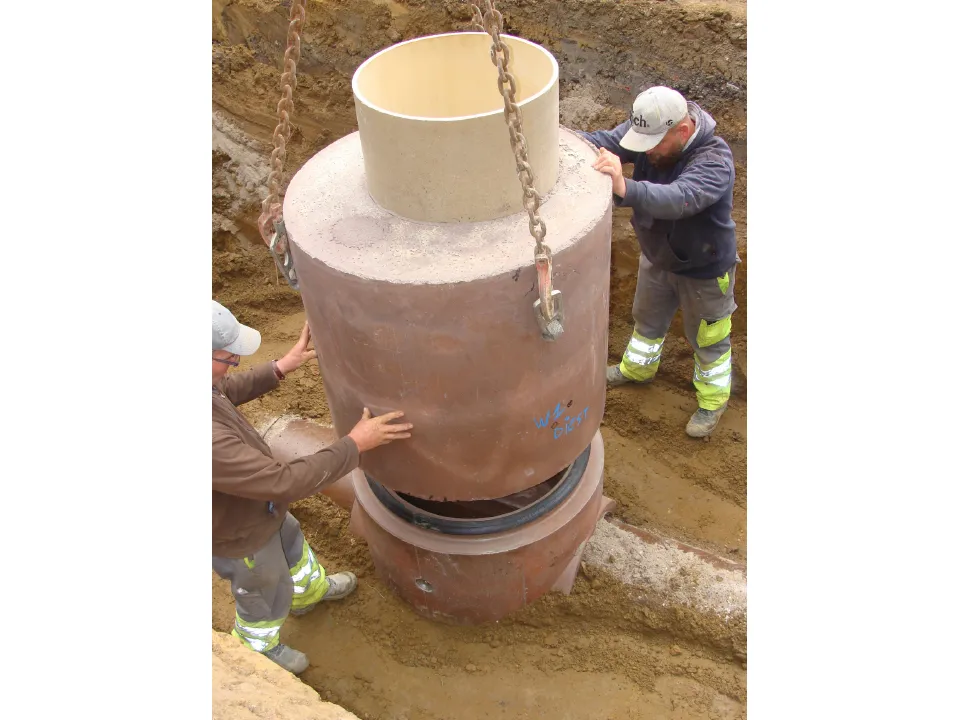
Advisory Council
The Advisory Council includes representatives of public institutions, manufacturers, users and experts, including COPRO. Johan Mondelaers: “In 2014, COPRO set up its first Advisory Council for sulphur concrete products. Four years and thirteen meetings later, in 2018, the council approved PTV 823 and the application regulations TRA23. There is currently one applicant for the certificate, and the procedure is under way. Certification, inspection and follow-up continue to offer significant added value to manufacturers, contractors and users alike.”
CO2 Performance Ladder
Sulphur concrete has a CO2 footprint 40% lower than conventional cement concrete. This is a notable gain. Sulphur concrete is recyclable, which aligns with COPRO’s focus on circularity. This is also reflected in its recognition as a certification body for the CO2 Performance Ladder. The scheme encourages organisations to reduce CO2 emissions in a structured way, both within their own operations and across projects and the supply chain. By working together and innovating throughout the supply chain, organisations can achieve their objectives. Like other management systems, the CO2 Performance Ladder requires continuous improvement in understanding, further CO2 reduction measures, communication and collaboration within the organisation. The CO2 Performance Ladder focuses primarily on energy saving, CO2 reduction, efficient use of materials and the use of sustainable energy.
NTMB
Another indicator of COPRO’s focus on the circular economy is its management of NTMB certification (nature-oriented environmental construction). This means considering how construction requirements can be met using materials that support nature development. Companies and institutions wishing to comply with the NTMB care system must meet or implement a number of minimum requirements. Particular attention is paid to the self-monitoring of the producer/supplier/service provider and to the principles of sustainable business,” concludes Johan Mondelaers.
Een zakelijke vraag aan Copro? Get in touch
Companies in this story
Keep following this
Get an email when a new story is published. No account needed.
- ThemeMaterials with a lower environmental impact
- SubjectSewerage & underground infrastructure
- CompanyCopro







