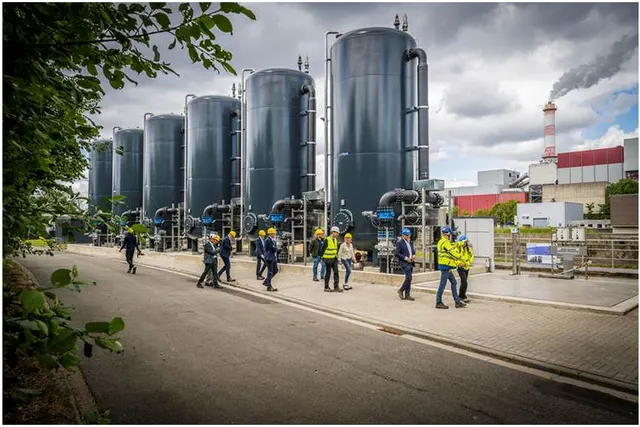
Sustainability and circularity take on greater importance at certification body COPRO
Text Björn Crul Image Louwers Mediagroep
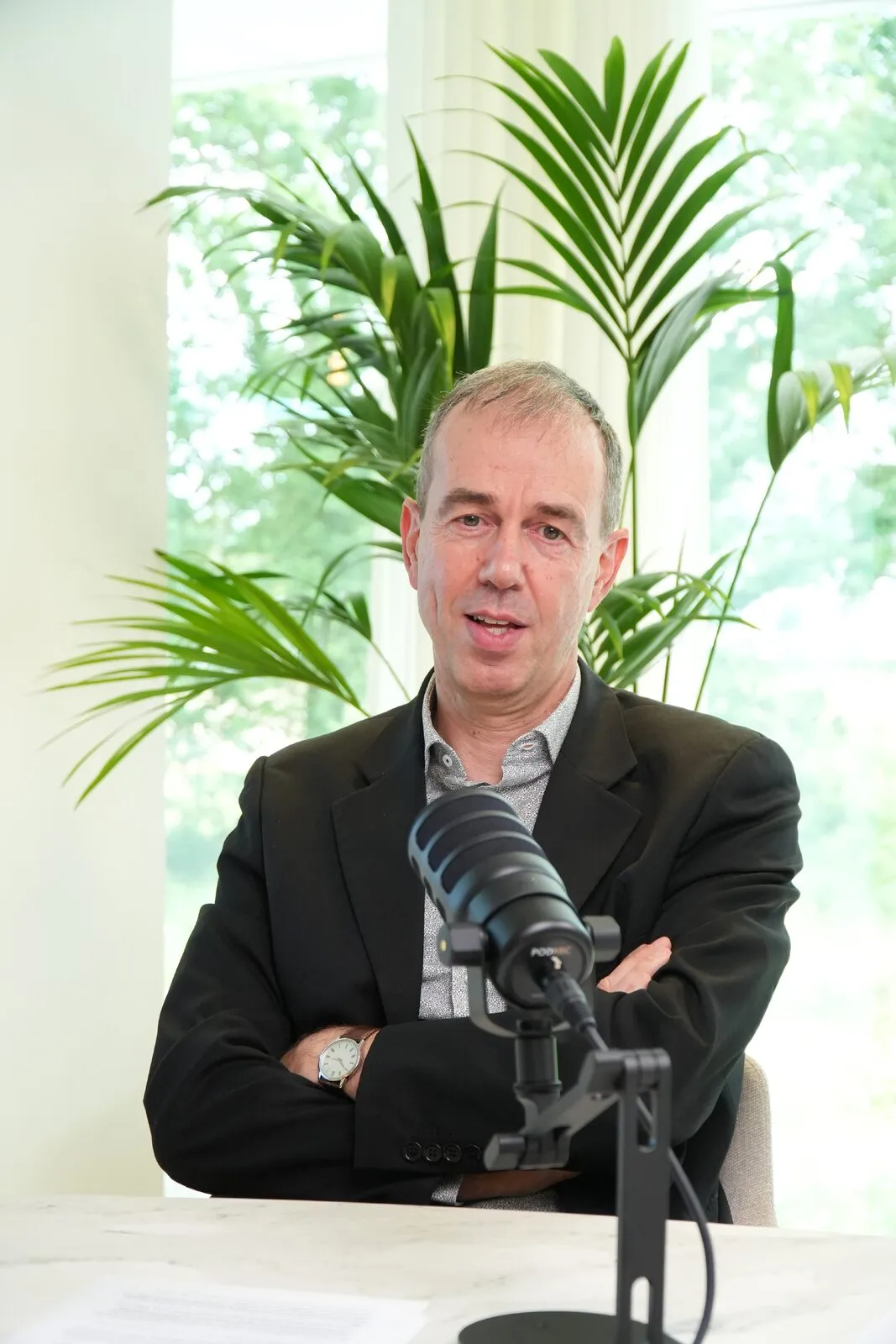
Sustainability and circularity are high on the agenda at COPRO, the certification body for the construction and infrastructure sector. Its certification guarantees product quality and provides assurance that processes on construction sites are carried out correctly. But the environmental impact, recyclability and circularity of products are also receiving increasing attention.
As a public-private partnership, COPRO is a trusted link in the construction sector. It checks the quality of products at manufacturers and confirms confidence in their quality with a certificate, helping projects run more smoothly, safely and reliably. “Over the years, however, people have come to realise that a good product alone does not guarantee a quality end result,” says CEO Dirk Van Loo. “The way it is installed and the people who work with it also play a crucial role.”
COPRO has recently also taken on the certification and inspection of asbestos experts. They draw up the asbestos certificate you receive when you buy a home. This tells you, as the buyer, whether your home contains asbestos and where it is located. It is an important certificate for your safety and health.”
Over the past ten years, the organisation has completely redesigned and digitised its processes. But the growing importance of sustainability is at least as significant. Dirk Van Loo: “In the past, the focus was on the technical quality of products, to ensure they would last a long time. Today, the questions we ask ourselves about sustainability are much broader: has the product been manufactured sustainably? Can it be recycled? Does it fit within a circular approach? This has fundamentally broadened our field of work.”
Measuring sustainability is complex
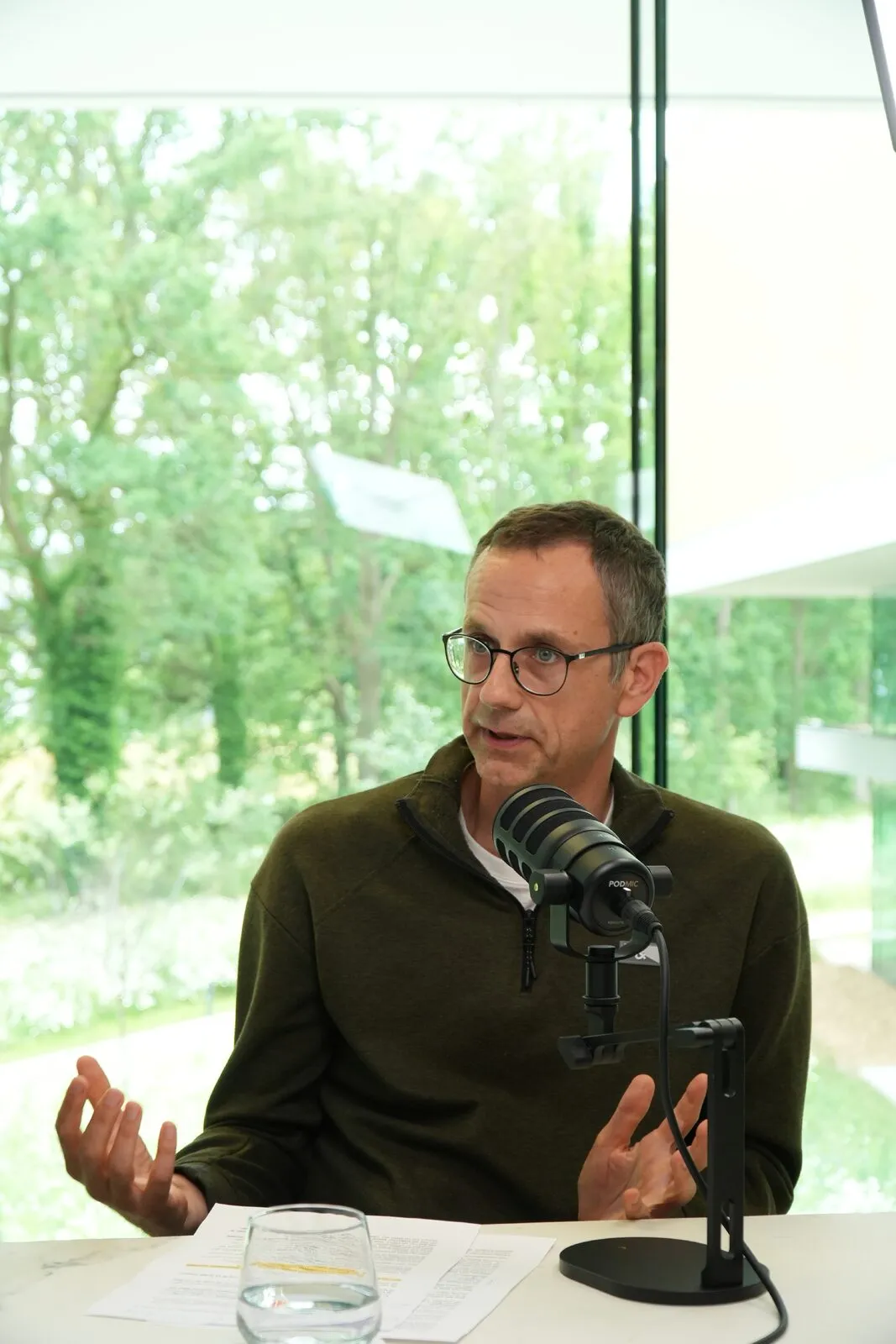
This shift has thoroughly changed the way COPRO works. Technical product properties are often very easy to measure and validate. We can test the strength of a sewer pipe or the elasticity of a rubber ring and set standards for them,” says sustainability manager Pieter Keppens. “But sustainability criteria are much more complex. Was a pipe produced sustainably? What is its environmental impact? Can it be recycled and given a second life? That is much harder to determine and inspect. Standards are gradually emerging in this area too, but there is far less experience and consensus.”
Sustainability certification is, however, becoming increasingly important. It must prevent companies from making false claims, a practice also known as greenwashing. Dirk Van Loo: “You see all kinds of logos and certificates appearing. It can sometimes be difficult to see the wood for the trees. That is precisely why an impartial body is needed to certify the sustainability of products in a credible way. COPRO is ideally suited to this role.”
CO2 Performance Ladder
The CO2 Performance Ladder was developed to encourage companies to consider the environmental impact of their activities and spur them to innovate further. “It is not just about the products themselves, but the entire chain: the supply and removal of products, energy consumption, etc. For a concrete batching plant, for example, this could mean choosing cement with lower CO2 emissions or transporting aggregates by ship rather than by lorry. This also makes it clear that the trend towards greater sustainability requires additional data: life cycle analyses, material passports, environmental declarations, CO2 footprints, etc. COPRO audits all the available data and also provides all the digital tools needed to keep the process as efficient as possible,” concludes CEO Dirk Van Loo.
Een zakelijke vraag aan Copro? Get in touch
Companies in this story
Keep following this
Get an email when a new story is published. No account needed.
- ThemeMaterials with a lower environmental impact
- SubjectGeneral
- CompanyCopro