









Sewerage & underground infrastructure
Innovation certificate to drive the rise of composite covers
Text Niels Rouvrois Beeld Copro
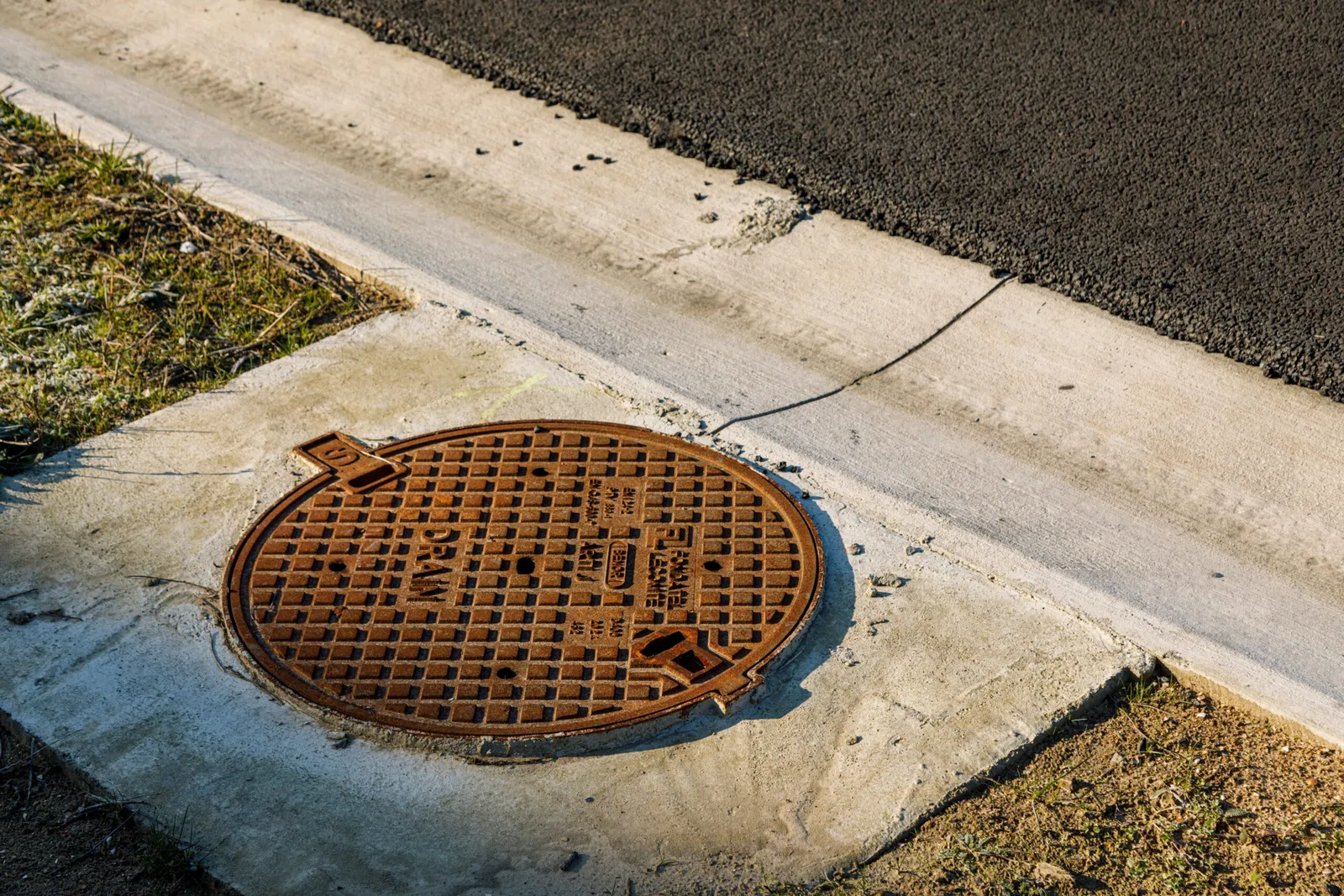
Sewer covers are traditionally made of cast iron. However, composite covers have been gaining ground in recent years. They are lighter than cast-iron products and more resistant to corrosion. A European standard, NBN EN 124-5, is already in place, and COPRO is currently working on certification for this product. The innovation certificate was introduced to avoid unnecessarily holding back innovative developments such as the use of composite road covers. “This certificate allows an innovative product to be brought into use more quickly, subject to consultation with an expert group,” says Kris Vandenneucker, certification manager at COPRO.
Certification of composite covers under the COPRO mark is carried out in accordance with the European standard NBN EN 124-5, which covers covers and gratings for manholes and gullies in areas used by traffic and pedestrians. Part 5 concerns gratings and covers for manholes and gullies made from composite materials. COPRO has begun preparing the certification of composite covers on the basis of this standard. At the request of manufacturers and suppliers, among others, a Sectoral Committee was set up to define the certification rules. The meetings of this Sectoral Committee resulted in application regulation TRA 33, in force since November 2018, for product certification of covers and gratings for manholes and gullies in areas used by traffic and pedestrians, made from composite materials.

Key benefits
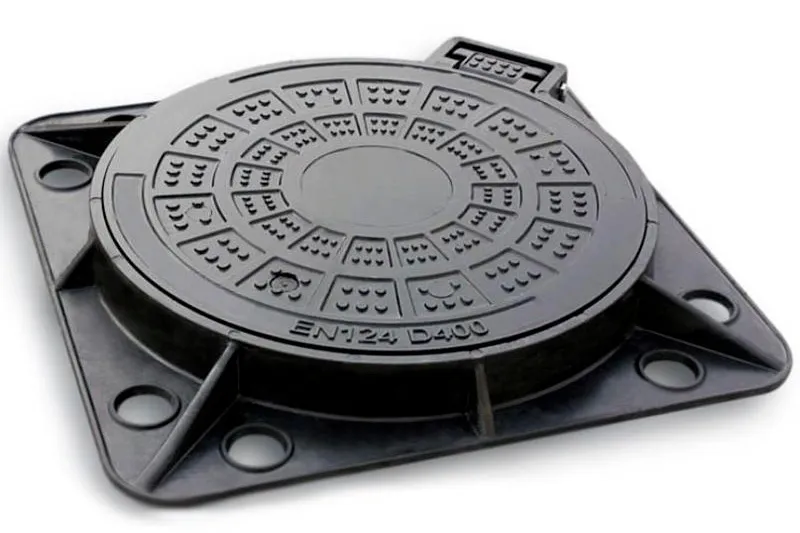
“Composite covers have significant advantages,” says Kris Vandenneucker. “They are considerably lighter than cast-iron products and therefore more ergonomic. They allow radiation to pass through, which is very useful for telecoms applications, and they are more resistant to corrosion. The latter is a major advantage given the separate sewer systems that have increasingly been installed in recent years. This means that wastewater sewers are no longer flushed during heavy rainfall, creating highly aggressive environments (sulphur-containing gases, ed.) that can severely damage cast-iron covers.”
Since composite covers are also permitted for use as road covers (class D400 under standard NBN EN 124-1), public authorities are calling for additional technical specifications to be defined alongside NBN EN 124-5. COPRO is working hard to set out these technical specifications, which were also discussed at meetings of the Sectoral Committee, in a PTV, so that high-quality, certified composite road covers can be made available on the market in the future. Kris Vandenneucker says: “But this could take several years. To avoid holding back innovation, an innovation certificate can therefore be awarded at project level.”
Innovation certificate
COPRO introduced the innovation certificate in collaboration with the sector as a valuable interim step. Following consultation with an expert group, the certificate can be awarded, allowing the product to be brought into use more quickly under specified conditions. Kris Vandenneucker says: “Meanwhile, work continues on drawing up the PTV. The experience gained on site through an innovation certificate and the resulting findings are, of course, also valuable input for the PTV. For example, if we find that the cover is still performing well after, say, 1 million wheel passes, we can include that in the PTV.”
Composite covers are therefore already covered by a European standard that includes durability requirements and an accelerated ageing test. However, public authorities are asking for additional technical specifications, particularly a more stringent ageing test. “The current standard requires around 500,000 wheel passes for class D400. But on a busy road, that figure is reached very quickly, which means the test is not really representative of the cover’s service life. This is an important point that we are discussing within the advisory board. We are, of course, urging public authorities and clients to make use of the innovation certificate in the meantime when using composite covers, while taking proper account of the potential risks. This will help promote innovation and encourage the development of the PTV.”
Een zakelijke vraag aan Copro? Get in touch
Companies in this story
Keep following this
Get an email when a new story is published. No account needed.
- ThemeRenewing pipelines and sewers
- SubjectSewerage & underground infrastructure
- CompanyCopro







