









Sewerage & underground infrastructure
From prevention to recycling: vitrified clay as a leading example in the European waste hierarchy
Text and images Pipelife België
Sustainable waste management is a key pillar of the circular economy. The European waste hierarchy provides a structured framework for minimising waste streams and keeping materials in circulation for as long as possible. With the Keramo vitrified clay pipe, Pipelife België endorses this approach and aims to align its processes with the principles of prevention, reuse and high-quality recycling. The unique properties of the Keramo vitrified clay pipe limit the need for interventions and help prevent waste.
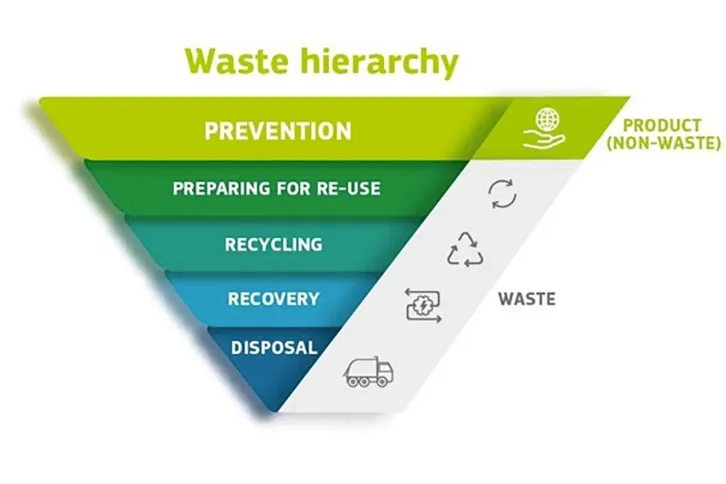
The European waste hierarchy
The European waste hierarchy has five levels:
- Prevention: preventing waste generation through sustainable design principles and efficient production chains.
- Reuse: extending the service life of products by reusing them.
- Recycling: processing materials into new products without loss of quality.
- Energy recovery: using waste streams to generate energy when recycling is not possible.
- Disposal (landfill and incineration): the least desirable option, used only when no alternatives are available.
The One as a leading example
With the Keramo vitrified clay pipe, Pipelife België focuses on the top levels of this hierarchy. Its key benefits include:
- Long service life: a proven service life of more than 150 years, minimising the need for new raw materials and interventions.
- Reuse without loss of quality: the material retains its integrity and can easily be reused or repaired without any degradation.
- High-quality recycling: the Keramo vitrified clay pipe can be recycled on a large scale without adding chemicals or additives. The process is simple and fully circular.
- Natural materials: as the materials are entirely natural, they can be crushed locally and reused in infrastructure and road construction projects.
- A waste-free process: thanks to the inherent circularity of the Keramo vitrified clay pipe, it never ends up in landfill and contributes to more sustainable waste management.
The European waste hierarchy provides a clear roadmap for sustainable waste management. The properties of the Keramo vitrified clay pipe make it fully compatible with the European waste framework, with prevention taking priority and waste avoided. Our circular approach minimises our environmental footprint and actively contributes to a more sustainable future. Find out more on our website.
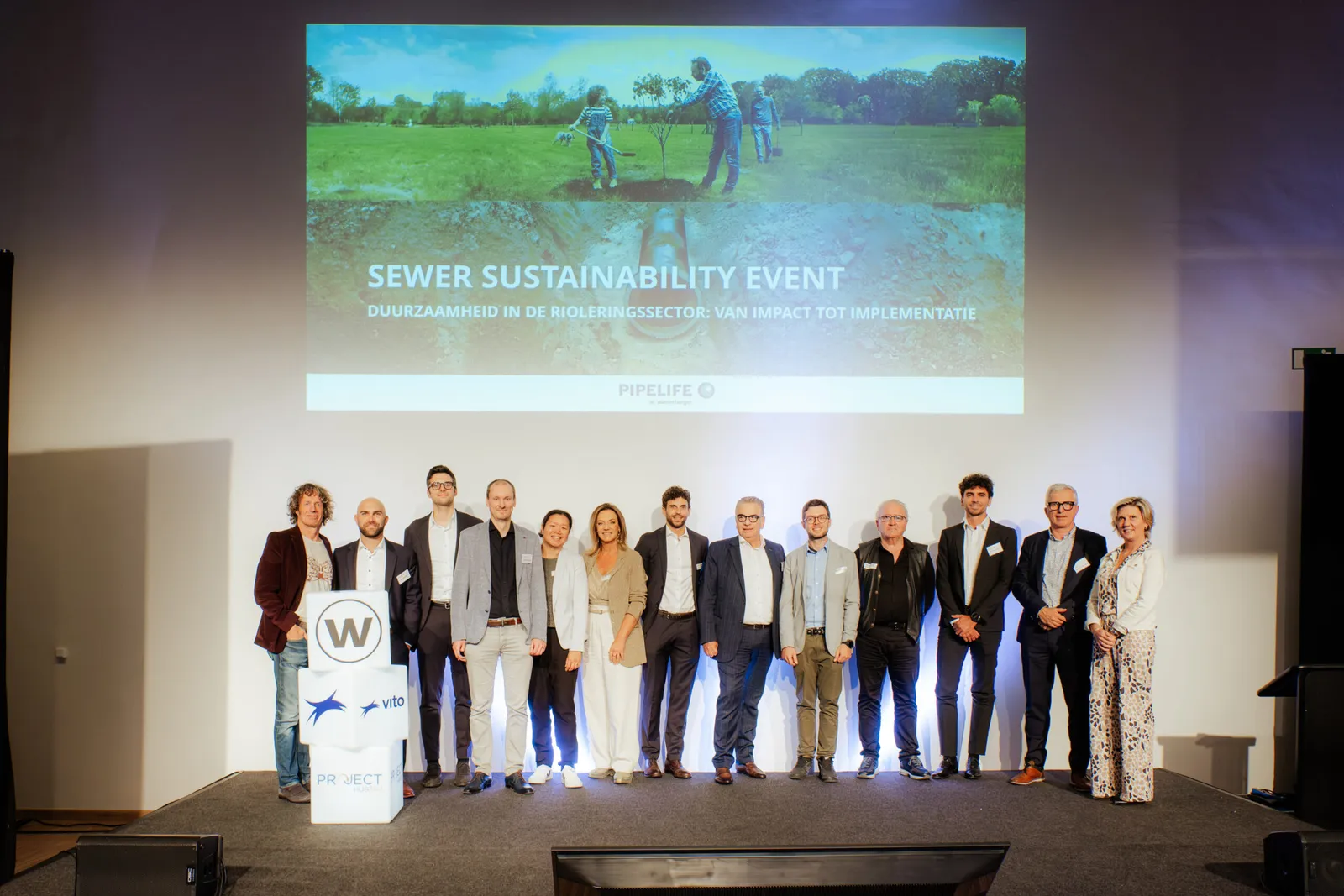
Sewer Sustainability Event 2025
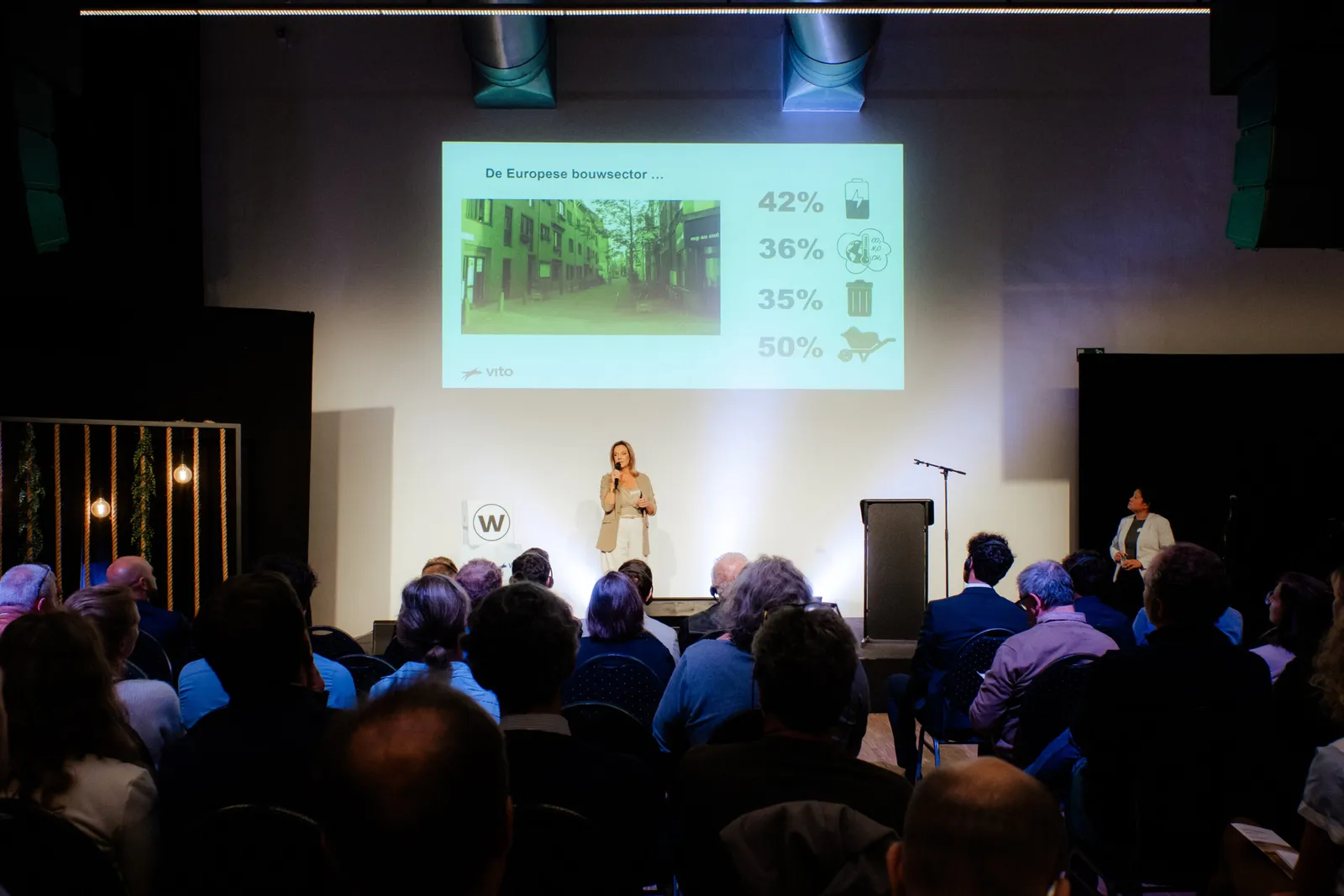
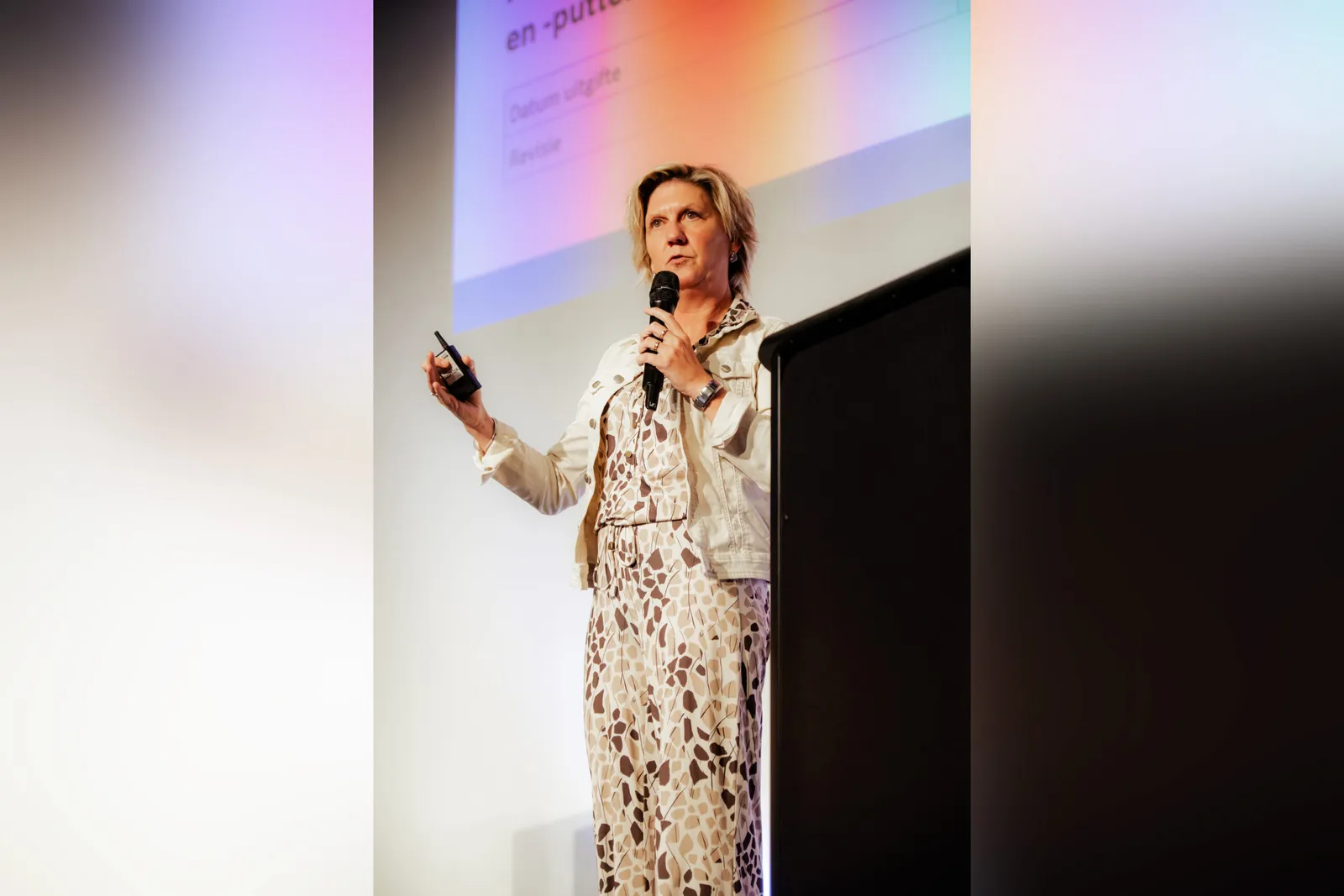
As an expert in sustainable sewerage solutions, Pipelife België held the Sewer Sustainability Event at Technopolis on 18 September. The afternoon seminar brought together researchers, sewer network operators, consultancies and industry organisations to share knowledge and insights into the environmental impact and life cycle of various existing sewerage solutions. “We have carried out in-depth studies on life cycle assessments and environmental impact in the sewerage sector, and are proud to share the results,” says Dieter Schreurs, Sustainability Manager Pipelife België.
Research institute VITO presented the results of years of research into the environmental impact of various materials used in sewerage applications. Project HUB-360, in turn, offered an economic perspective through an extensive LCC analysis of costs over the entire life cycle. Acquedotto Pugliese shared valuable insights from its practical experience as a sewer network operator. VLARIO translated ecological impact into practical implementation in specifications in Belgium. Dieter Schreurs said: “A heartfelt thank you to all the participants and partners who helped make this event a success.”
Question about this story? Ask your question
Keep following this
Get an email when a new story is published. No account needed.
- ThemeMaterials with a lower environmental impact
- SubjectSewerage & underground infrastructure







