









Sewerage & underground infrastructure
Circular water use: from wastewater to drinking water in an underground winter-summer battery
Text Witteveen+Bos / Niels Rouvrois Beeld Farys
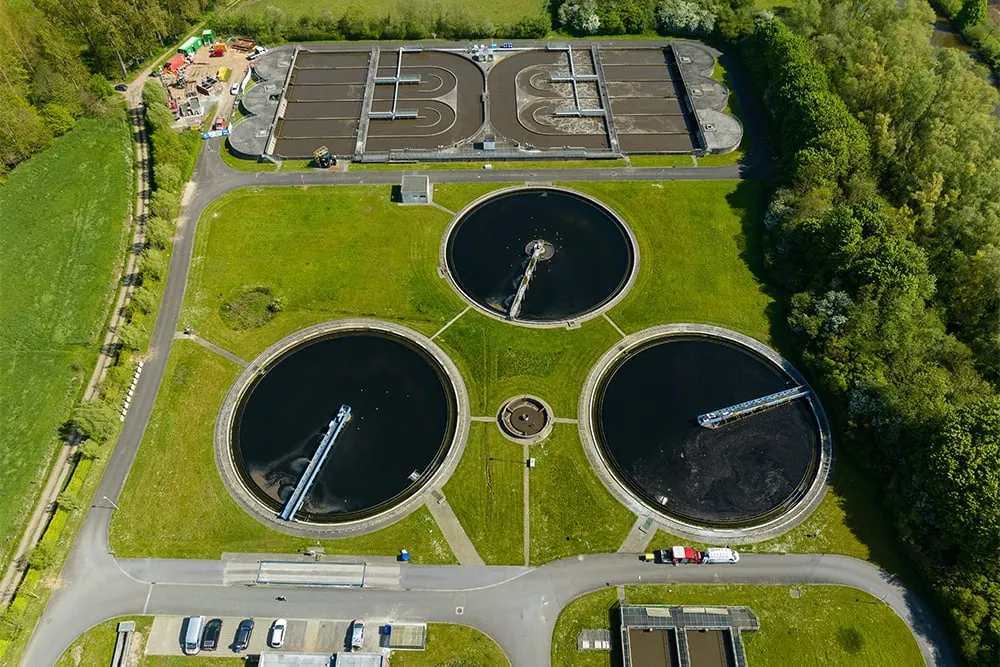
How can we make water use in Flanders more sustainable? Waterunie set out to answer this question in the DEEPER Blue project, in collaboration with Aquafin. The solution? Further purify effluent, or treated wastewater, from the Aalst wastewater treatment plant (RWZI) to produce drinking water, then inject it underground when water is in surplus, storing it for later recovery and use during periods of water scarcity. The project therefore reduces pressure on groundwater and surface water resources.
DEEPER Blue is an initiative by Waterunie, a subsidiary of water companies Farys and De Watergroep. The project is being delivered in collaboration with Aquafin, with support from the Capture research platform. Consultancy and engineering firm Witteveen+Bos is supporting the project partners, including with the environmental permit and assessment of water management, the regulatory framework and the discharge situation.
The project is part of a programme run by the Flemish Environment Agency, which forms part of the Blue Deal, the Flemish Government’s plan to combat water scarcity and drought.
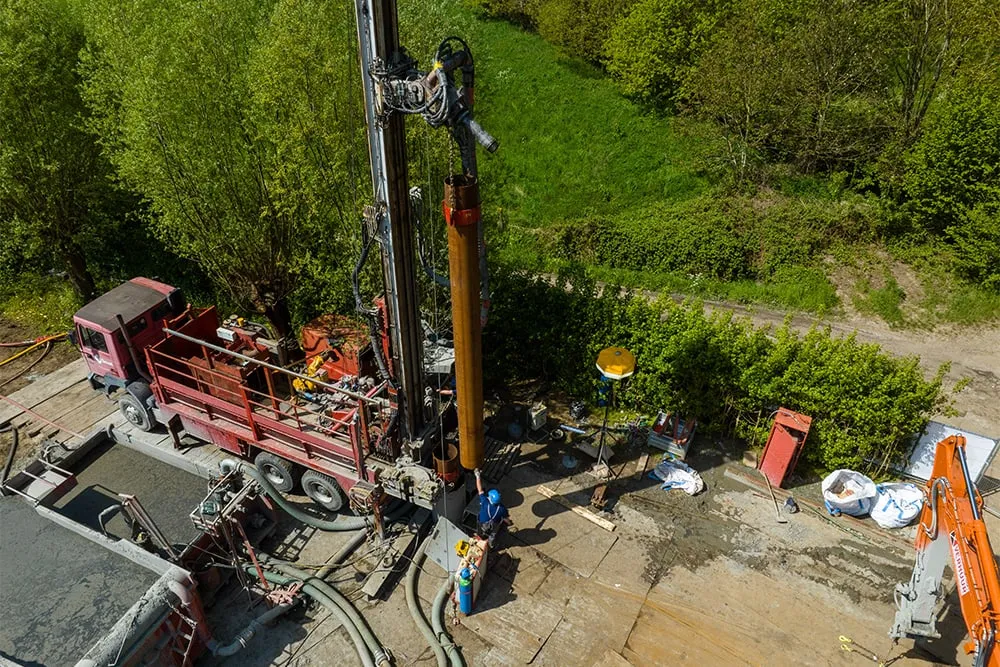
A climate-resilient winter-summer battery for drinking water
A new water reuse plant is being built next to the Aalst wastewater treatment plant. Using membrane technology, it will purify a portion of the treatment plant’s effluent to create a new source for drinking water production. The plant will produce around one million litres of drinking water per day.
There will be excess water during wet periods such as autumn and winter. This will be injected locally into the Sokkel, a deep underground aquifer. In line with the Aquifer Storage & Recovery (ASR) principle, this will build up a strategic reserve of injected water (= Aquifer Storage). This drinking water reserve can be pumped back up during dry periods such as spring and summer and fed into the drinking water network (= Aquifer Recovery).
A major advantage is the short distance between the project and the existing drinking water pipeline. This means water can be transported not only to Aalst, but also to other parts of Flanders.
The ASR system therefore acts as a kind of winter-summer battery for drinking water, ensuring water is available when supplies are scarce. DEEPER Blue thus contributes to the Flemish targets for circular water management and the Strategic Plan for Water Supply (SPW).
Safety and ecological vulnerability
Safety is a priority in the project: the water reuse plant is being designed according to the ‘multi-barrier’ principle, with reverse osmosis (RO) providing the final barrier against micropollutants, bacteria and viruses.
The project also takes account of the ecological vulnerability of the nearby watercourse. By using only a portion of the treatment plant’s effluent and injecting it during wet periods, sufficient effluent will remain available during dry periods for other uses, such as agriculture and ecological needs.
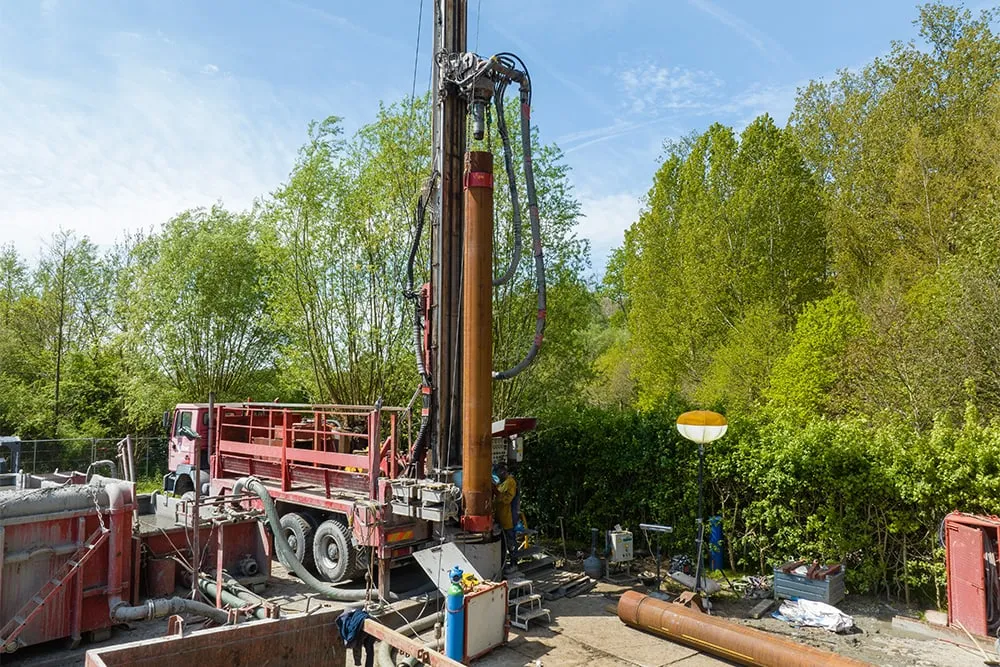
Environmental permit application accepted as complete at first submission
“Consultancy and engineering firm Witteveen+Bos led on the environmental and vegetation aspects, while we supported the client where needed on planning matters,” says Kristof Van Acker, industrial water project engineer at Witteveen+Bos. “We also assessed the impact on the receiving surface water.”
“Our independence, combined with our extensive experience and expertise, is our greatest strength. Witteveen+Bos always provides an objective assessment, with respect for all parties, clear communication and transparency,” Kristof Van Acker continues. “We place great importance on our independence, which is much appreciated by the other parties. A particularly notable aspect of this project is that the environmental permit application was declared complete and admissible at the first attempt, with no questions or comments. That is highly unusual and a great achievement by the whole team,” Kristof Van Acker concludes.
Question about this story? Ask your question
Who worked on it
DEEPER Blue in Aalst
- initiatorWaterunie
- Advies- en studiebureauWitteveen+Bos
Keep following this
Get an email when a new story is published. No account needed.
- ProjectDEEPER Blue
- ThemeUsing and protecting the subsurface
- SubjectSewerage & underground infrastructure
- CompanyWaterunie
- CompanyWitteveen+Bos







