Drinking water supplier prepares for the challenges of the future
For Dirk Verbeelen, Director of Network Infrastructure Services at TMVW, this anniversary edition of the magazine is an opportunity to explain some of the changes in the company’s expectations regarding work in the public domain. Under the operator name FARYS, TMVW is responsible for supplying drinking water to around 700,000 domestic and industrial customers in Flanders.
More specifically, TMVW supplies drinking water to these approximately 700,000 customers across a large part of Flemish Brabant, East Flanders and West Flanders, and works closely with a number of cities and municipalities in this service area to manage their sanitation infrastructure. FARYS also provides various services relating to the construction, maintenance and management of municipal sports facilities.
Developments in society, technology, corporate social responsibility and, not least, the climate are bringing changes in the way infrastructure projects and their delivery are approached.
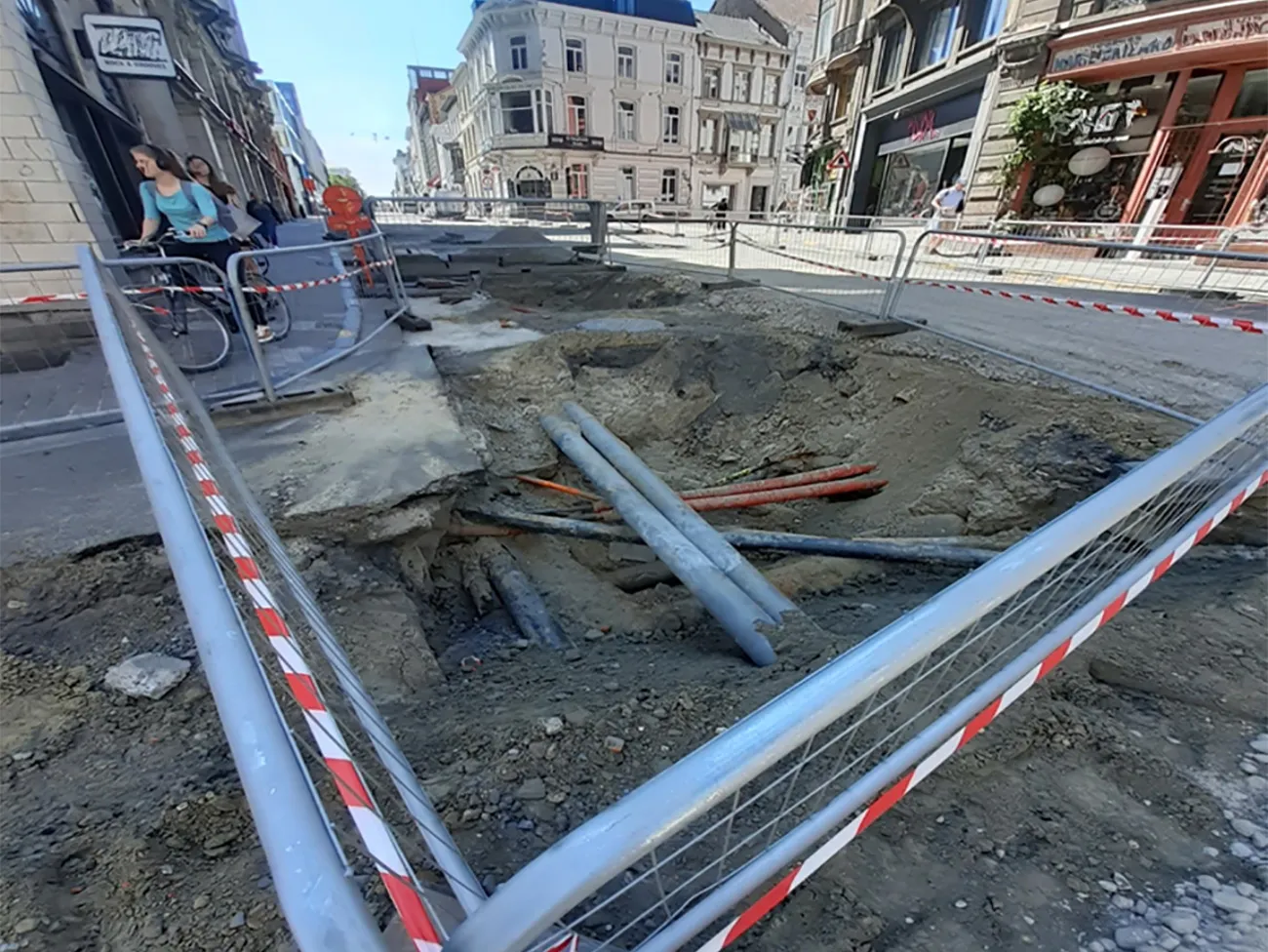
“A drinking water or sewerage works site is no longer simply a technical matter. Its impact on the wider environment must be taken into account in every respect,” they say.
High level of investment
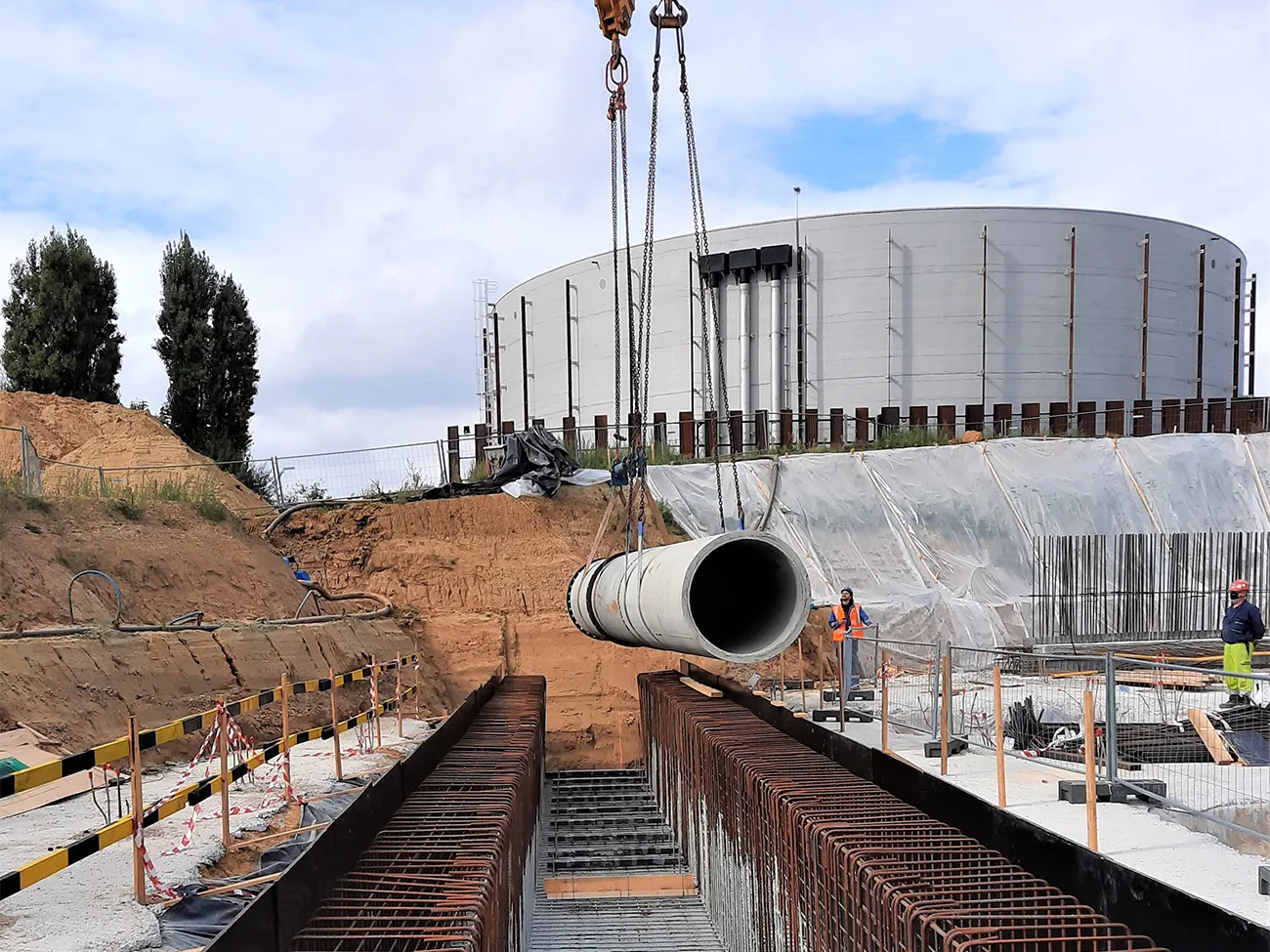
As a drinking water operator, FARYS has long maintained a high level of investment, both in its distribution network of around 12,000 kilometres and in its pumping and storage infrastructure and transport network of approximately 700 kilometres. Under the ‘Aquaduct’ partnership, the latter already serves as a hub connecting production centres with all the supply areas in East and West Flanders. Further investment is planned, including as part of the Flemish Blue Deal, to strengthen security of supply throughout the area.
In response to the challenges of sanitation and climate impacts, significant additional efforts are planned in the coming years to install sewers and promote rainwater use.
Advanced asset management
Widespread digital asset inventories and new technologies enable more targeted asset management of drinking water infrastructure, as well as network modelling and active risk management. This asset management makes it possible to plan and carry out maintenance, replacement and expansion decisions rationally, benefiting the operations of all parties involved: engineering consultancies, contractors, service providers, other utility companies and others.
At the initiative of the Flemish Government, a similar approach is being applied to all sanitation infrastructure. In the longer term, this will also make it possible to use available resources rationally and optimally, and to coordinate with all stakeholders.
Even less disruption
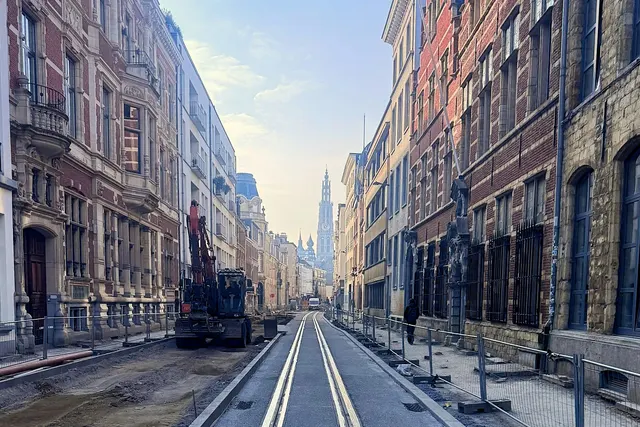
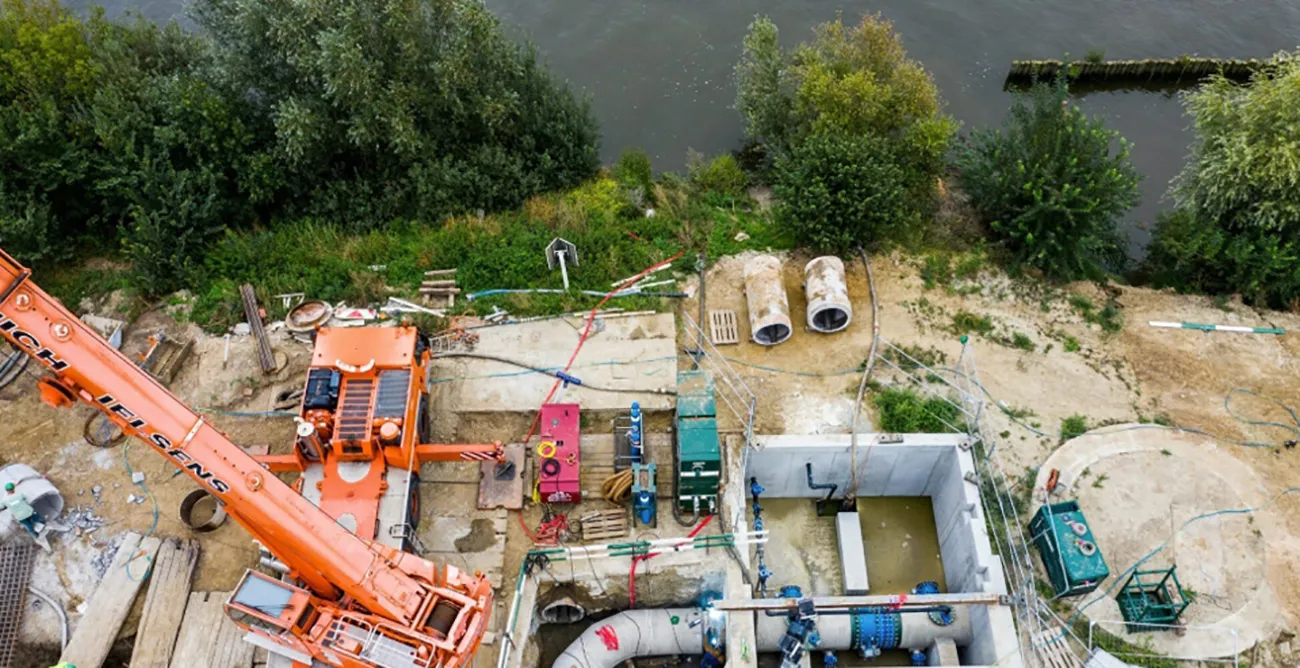
Together with what was then Eandis, TMVW was one of the founders of ‘Synductis’. Through this initiative, almost all utility companies are now joining forces to align their respective plans and works as closely as possible and coordinate their activities. This has already produced positive results, and the partnership is being developed further.
This coordination has now become merely a starting point. “Increasingly, the real difference will be made by giving special, collective attention to local residents and to what matters in wider society and occupies people’s minds. Just look, for example, at the sometimes heated reactions to what happens to groundwater from dewatering on a street works site,” says Dirk Verbeelen.
Society rightly expects less disruption. This certainly applies, but is not limited to, comfort, mobility and similar aspects of works in the immediate area. Good communication about projects and works is essential: timely, clear, realistic and empathetic.
Alongside practical considerations, there are growing questions about why works are needed, how they relate to other works or projects, and how they fit into broader issues such as tackling drought or flooding. Before long, people are also likely to scrutinise more closely the ecological, sustainability and circularity impacts of works. Site organisation, material use, trenchless methods and low-CO2 alternatives will certainly come under the spotlight.
Question about this story? Ask your question
Keep following this
Get an email when a new story is published. No account needed.
- ThemeRenewing pipelines and sewers
- SubjectYearbook