De Watergroep focuses strongly on climate-resilient water supply
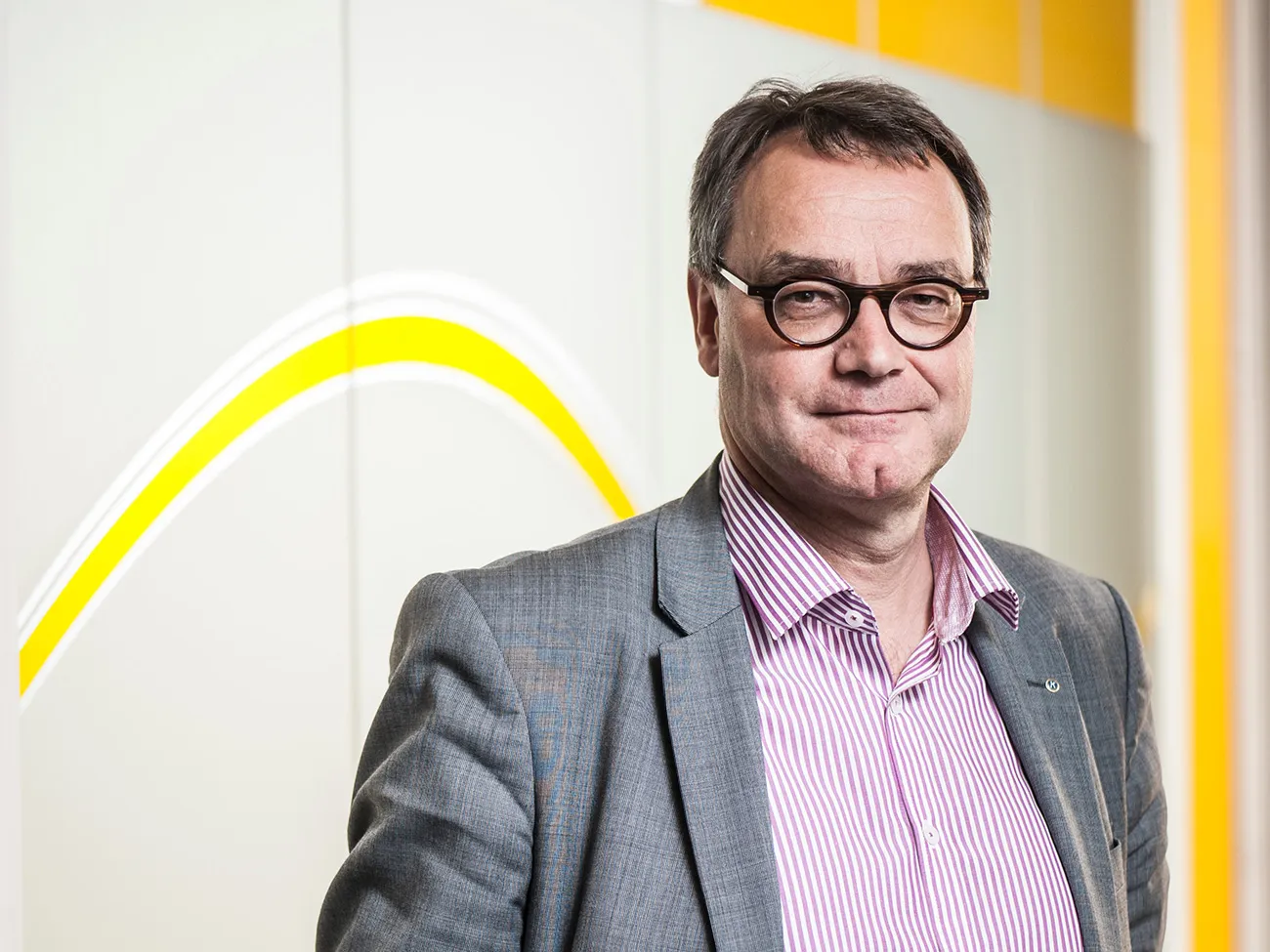
We live in a water-scarce region and are increasingly confronted with the effects and challenges of climate change. As a water company, De Watergroep is looking for creative ways to address them. “Making our water supply climate-resilient so that it can cope with both long periods of drought and shorter periods of heavy rainfall is our biggest challenge today,” says Hans Goossens, Director-General at De Watergroep.
De Watergroep is the largest drinking water company in Flanders. Its 1,600 employees work every day to supply water through a network of more than 34,000 kilometres of pipes to 177 municipalities across West Flanders, East Flanders, Flemish Brabant and Limburg. De Watergroep thus serves more than 3.3 million customers and hundreds of businesses. Its historic mission, to supply high-quality drinking water at a fair price, remains relevant in 2021. “In addition, our sustainable, circular approach ensures the economically and environmentally responsible management of every link in the water chain: rainwater, groundwater and surface water, drinking water, process water and wastewater,” says Hans Goossens.
Climate-resilient water supply
A climate-resilient water supply is crucial to addressing today’s climate challenges. Hans Goossens says: “A climate-resilient water supply can cope with extremes. On the one hand, long periods of drought, often combined with heat, mean that we need substantial reserves of groundwater and surface water. It is important that we draw on a diverse range of sources, including reuse and decentralised systems. During extreme heat and drought, we also need sufficient peak capacity, because that is when people use more water, for example by showering more often or using water for purposes for which they would normally use rainwater. On the other hand, there are short but intense periods of rainfall, even ‘water bombs’, which we have encountered recently. Water infiltration may not seem to be the water companies’ responsibility, but we are thinking alongside others about ways to store or infiltrate water locally as efficiently as possible. De Watergroep is working on several projects focused on infiltration.”
De Watergroep is reaching out to cities and municipalities to help them develop these climate-resilient plans. “You can see that awareness is growing, but things could always move faster, because time is not on our side,” says Hans Goossens. “Many urban and municipal projects have long lead times, simply because so many parties are often involved. It is not always easy to get everyone pulling in the same direction quickly.”
De Watergroep is also looking for creative ways to make the water supply more climate-resilient. Hans Goossens says: “With Leakie, our action plan to tackle water losses, we aim to significantly reduce losses from our own pipe network. By taking more measurements, collecting data and adopting a proactive repair and replacement policy, we can detect and prevent leaks sooner, so that less water simply runs away. For our customers, this means less disruption and less damage, and it is very good for the environment.”
Working together
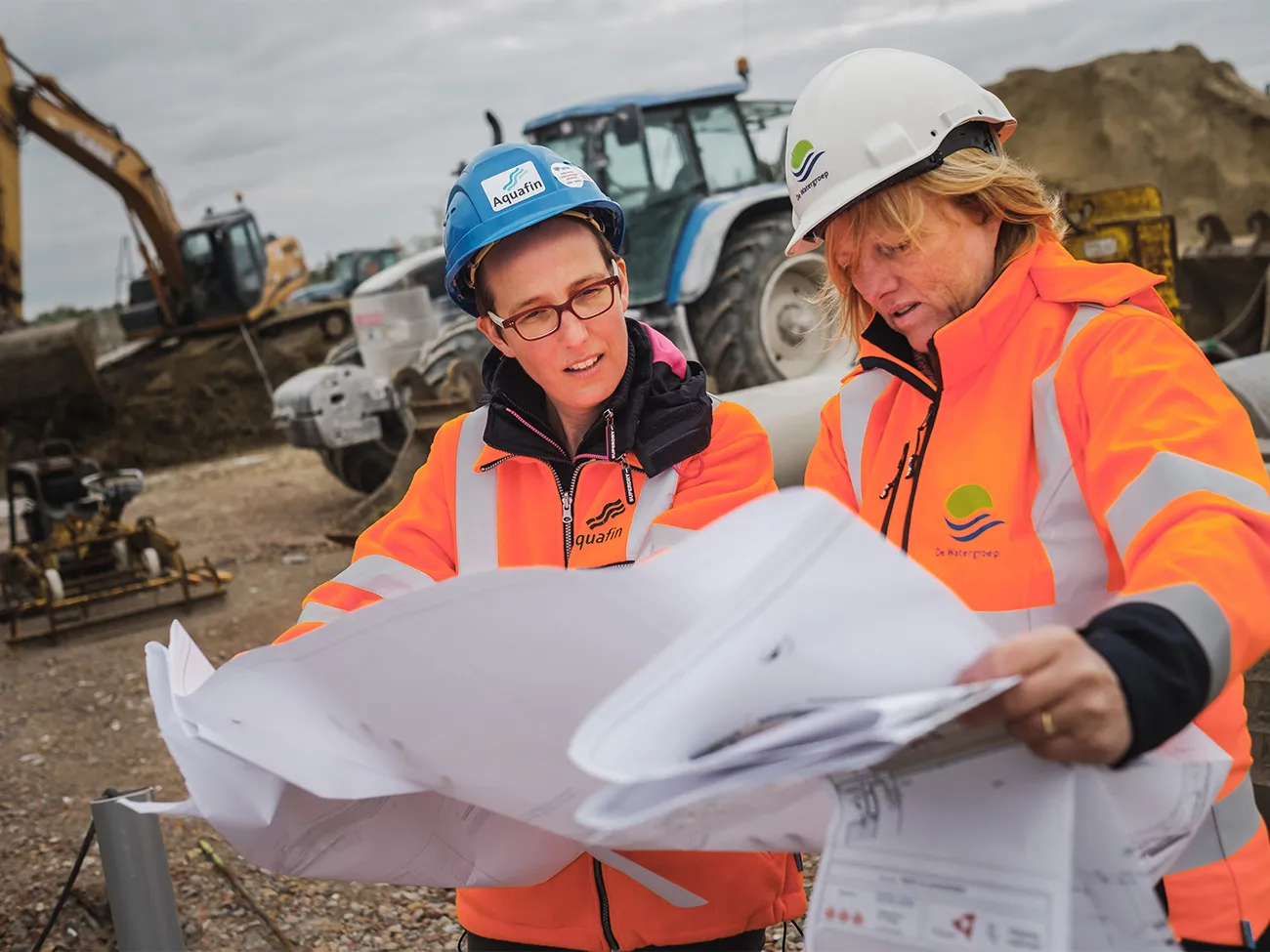
Cooperation with other partners is crucial to making the water supply climate-resilient. “Through Riopact, for example, we are joining forces with Aquafin to help cities and municipalities meet the objectives of the European Water Framework Directive,” says Hans Goossens. “Another good example of cooperation is a desalination project on the coast, where we are conducting innovative research into brackish groundwater abstraction and treatment together with Aquaduin, the Dutch water company Dunea, research institute KWR and circular innovator Allied Waters.”
The importance of asset management and digitalisation
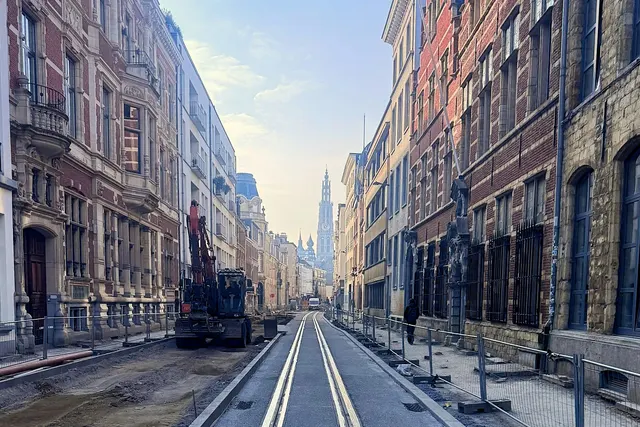
Making the water supply climate-resilient also means renewing infrastructure that is now decades old in many places. This means that considerable investment is in the pipeline. It is important to make those investments in the right way. “That is why good asset management is so important, and it is another area on which we are focusing strongly. Digitalisation is central to this, and De Watergroep has also made progress in this area in recent years. I am optimistic about the future. I am naturally positive, but a healthy degree of concern is certainly justified. There is a great deal of work to do to achieve a climate-resilient water supply, but with the right structural approach, good asset management and close cooperation, we are taking steps in the right direction,” concludes Hans Goossens.
Question about this story? Ask your question
Keep following this
Get an email when a new story is published. No account needed.
- ThemeRenewing pipelines and sewers
- SubjectYearbook