









Why traditional coal tar epoxy coatings are unsuitable as protective layers in water treatment plants
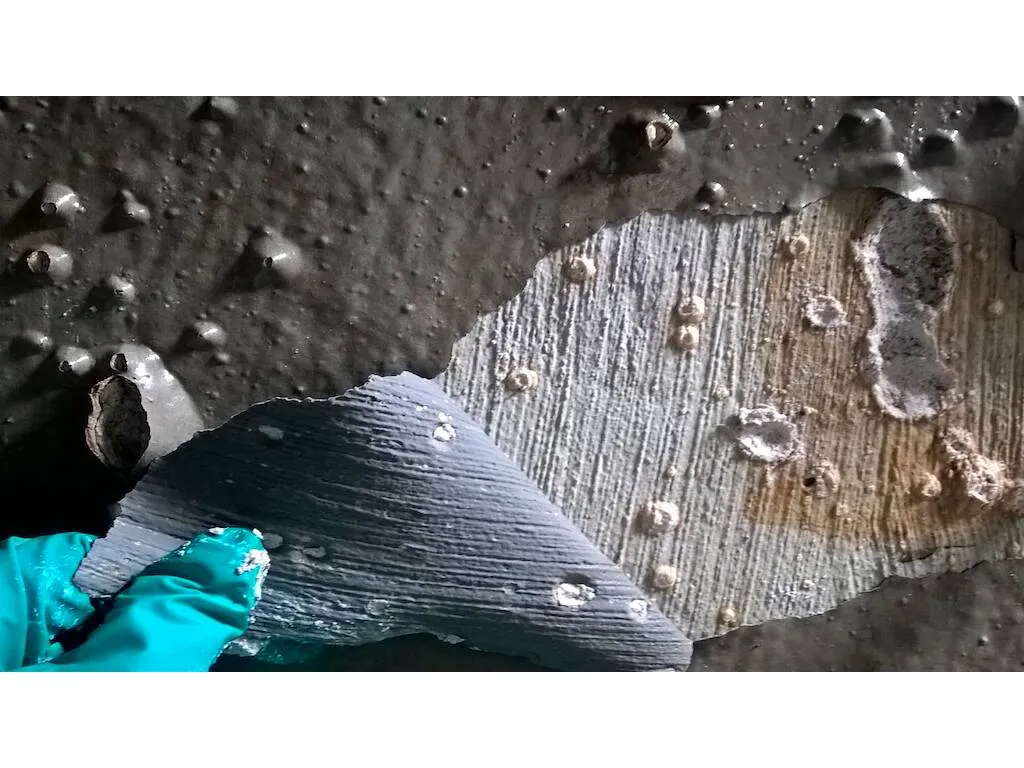
It is generally assumed that domestic wastewater does not damage concrete when the two come into direct contact. Untreated municipal or industrial wastewater, however, can attack concrete if it contains aggressive chemicals, such as sulphates, and/or has a low pH (below 7). However, we often hear that the upper sections of enclosed wastewater and sewer systems, above the waterline and beneath concrete covers or roofs, have been damaged.
If the void above the wastewater in an enclosed tank, sewer pipe or manhole is poorly ventilated, anaerobic (oxygen-poor) conditions can develop. Bacteria then produce hydrogen sulphide gas in the wastewater. This gas accumulates in the void, where it mixes with moisture, such as condensation, on the surface of the wastewater and is converted into sulphuric acid. Sulphuric acid has a low pH and therefore attacks concrete. Considerable damage is therefore often seen on the inside of the upper sections of concrete pipes, storage tanks and/or precast concrete manholes in poorly ventilated, enclosed sewer systems.
Changing conditions
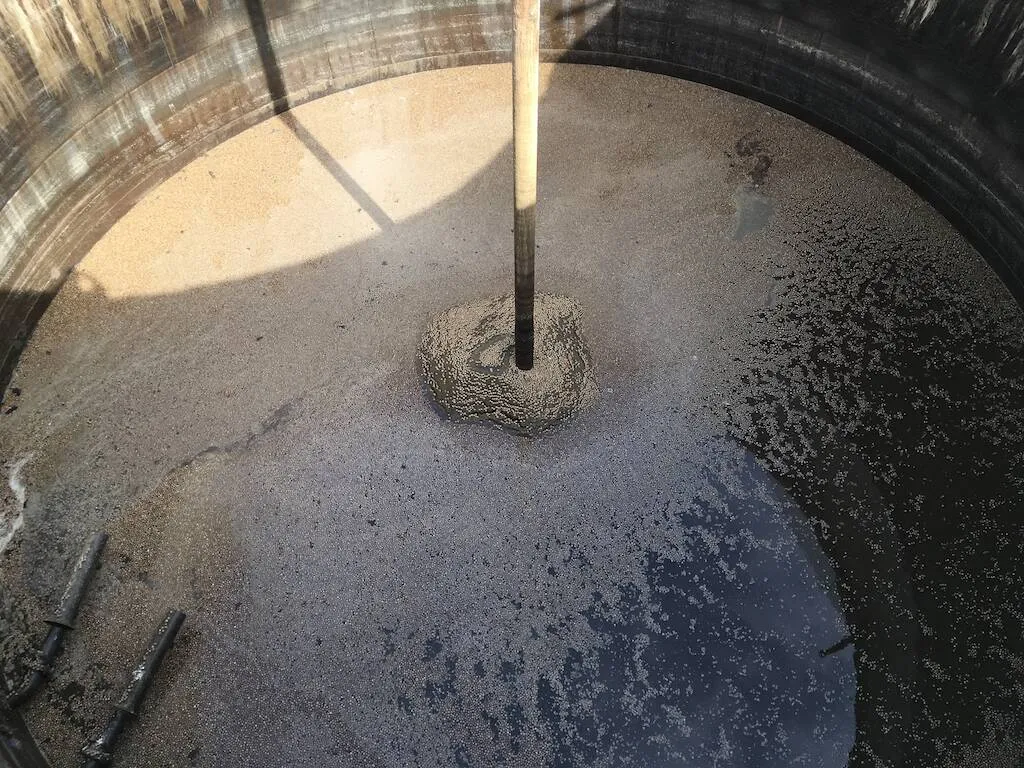
Before the 1980s, municipal wastewater typically had a sulphide content of around 10 parts per million. This was due to the volume of water used to flush toilets and the presence of heavy metals, which reduced the concentration of sulphides in the water. Since then, the presence of heavy metals in wastewater appears to have declined as a result of new regulations and certain programmes designed to reduce domestic water consumption and increase the reuse of rainwater and greywater. These regulations and practices have led to a tenfold increase in H2S gas levels, from 10 ppm to 100 ppm, and in some cases as high as 300 ppm. This has also made the composition of wastewater more aggressive. The consequences are:
- Higher concentrations of biogenic sulphuric acid
- Surfaces exposed to acids continuously and for prolonged periods, as sulphuric acid is formed more consistently.
- Higher H2S levels and greater penetration of other gases into coatings,
- Greater colonisation by sulphur-oxidising bacteria, resulting in thicker deposits
Coal tar epoxy coatings
Coal tar epoxy has been used in wastewater applications for many years because it performs well and provides effective protection for years. It is a relatively easy-to-apply, cost-effective coating that resists low concentrations of sulphuric acid for a certain period. The epoxy bonds to dry concrete, but has only very limited capacity to seal active cracks.
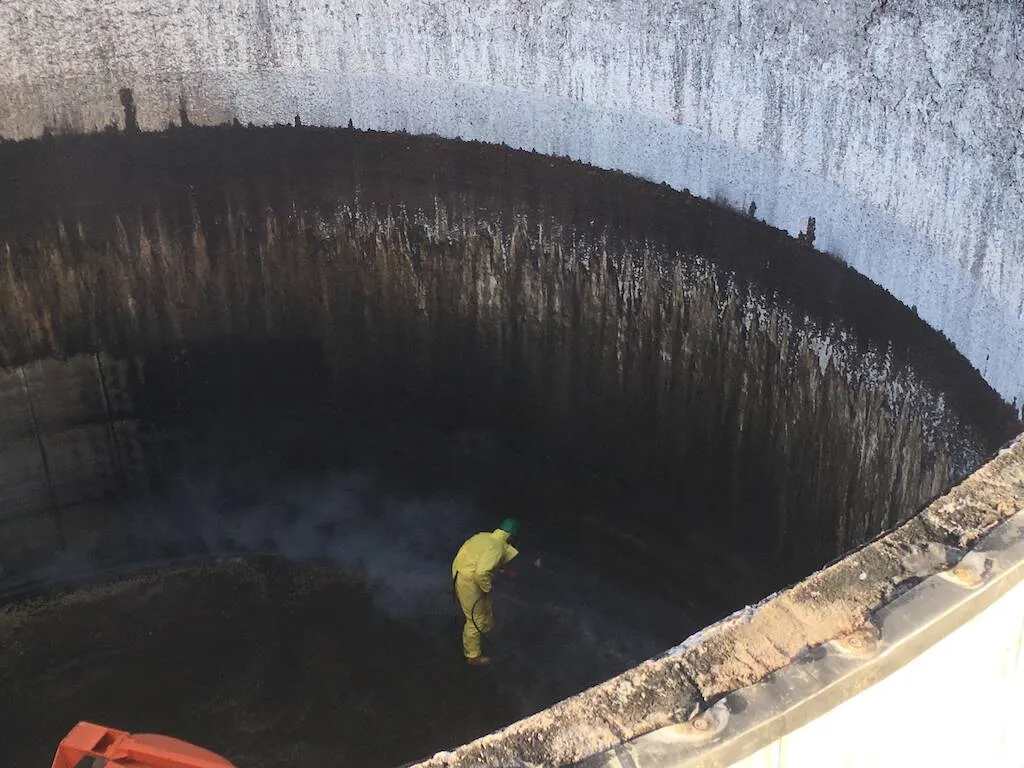
When coal tar epoxy coatings are applied to concrete surfaces, the residual moisture content must not exceed 4%. Curing typically takes at least 7 days at temperatures above 10°C before the coating can be immersed. The coating is generally no more than 0.5 mm thick, as it is difficult to apply a thicker layer. However, a thicker coating may be required on uneven surfaces or to provide a higher level of protection. Inspections of existing facilities show that the shift towards more aggressive exposure conditions limits the durability of coatings based on this technology. This is because coal tar epoxy offers good chemical resistance to low acid concentrations, but falls short as concentrations increase. The stringent application requirements, limited crack-sealing capabilities and low film thickness also reduce the safety margin of these products. This jeopardises the continuity of the applied film, which is precisely what protects concrete and steel surfaces from acid attack.
Resistance to bacterial attack
When a new product is developed to protect water treatment plants, laboratory results often do not reflect the actual performance of the different technologies used in these facilities. One reason is that standard laboratory tests only assess resistance to sulphuric acid, not resistance to bacterial attack. It is difficult to simulate bacterial attack in the laboratory. The test chamber must not only replicate H2S levels, nutrient levels, humidity and temperature, but also optimise these conditions to accelerate ageing. Numerous experiments are needed to match the optimum conditions to real-time ageing conditions.
Required criteria
Given the more aggressive conditions now prevailing, specifications for coatings or membranes used in sewer pipes and water treatment plants should include the following properties:
- Improved long-term resistance to sulphuric acid
- Lower permeability, including low water vapour transmission and low water absorption
- Resistance to bacterial attack
- Optimal adhesion to the substrate
- Crack-sealing capability
- High mechanical resistance to abrasion and impact
Membrane quality is also crucial, as the membrane acts as a barrier and its long-term performance must be ensured. Coating specifications should therefore address not only the performance criteria listed above, but also several application criteria to prevent initial membrane defects:
- Moisture tolerance during application and curing, particularly on renovation projects
- Ease of achieving pinhole-free layers
- Full curing time and recoat limitations
- Ability to apply the product to overhead or vertical surfaces without sagging
- Adhesion to metal substrates
- Simple procedures for applying the coating in confined spaces
Conclusion: traditional systems are no longer sufficient
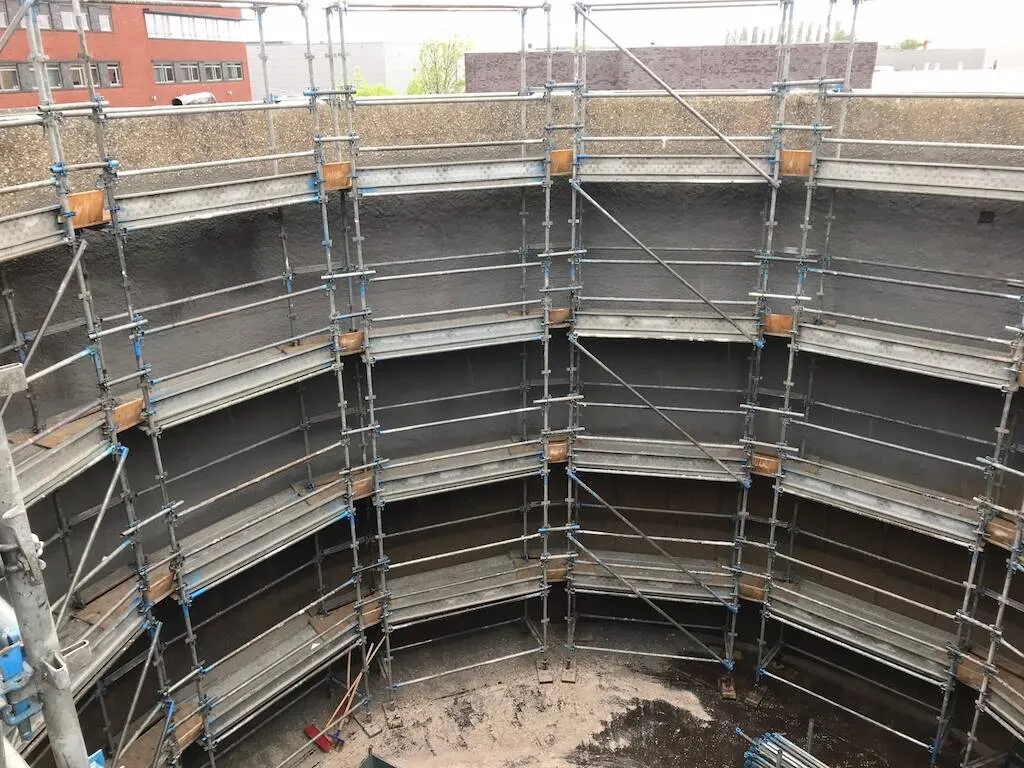
Changes in wastewater composition mean that traditional waterproofing and protection systems are no longer sufficient in the long term. Coal tar epoxy coatings are inexpensive, easy to apply and require only a low application rate. They bond poorly to damp concrete, cure very slowly at low temperatures and have very limited durability due to the more aggressive composition of wastewater. Traditional tests of a coating’s resistance to sulphuric acid do not reflect the complexity of the chemical and biological processes that take place in wastewater environments. Resistance to bacterial activity must also be taken into account when assessing durability. Finally, the selected coatings must offer not only chemical and biological resistance, but also good application properties, such as the ability to be applied to wet substrates and in thick layers. More importantly, the selected coatings must have excellent crack-bridging capabilities to prevent cracks in the substrate from damaging the coating.
Question about this story? Ask your question
Keep following this
Get an email when a new story is published. No account needed.
- ThemeRenewing pipelines and sewers
- SubjectGeneral







