









Water-link anticipates climate change
Climate change is increasingly being felt, including in Flanders. The reliable availability of water is coming under pressure as a result.
On 9 May, water-link will show how it can continue to guarantee security of supply in the future. The event at Havenhuis will feature guest speaker Pierre-Yves Cousteau.
With the Meuse as its water source, water-link currently provides 40% of Flanders’ drinking water. Projections indicate that prolonged periods of drought will lead to water shortages in summer by 2100.
Winter rainfall cannot make up for this unless huge storage reservoirs are built. That is why water-link is opting for a new water source.
A new water intake will be built on the Albert Canal, downstream of the Wijnegem lock. Brackish canal water, a mixture of fresh canal water and salty dock water, will be drawn here for treatment. At the same time, effluent from the Aquafin Deurne Noord wastewater treatment plant will be reused.
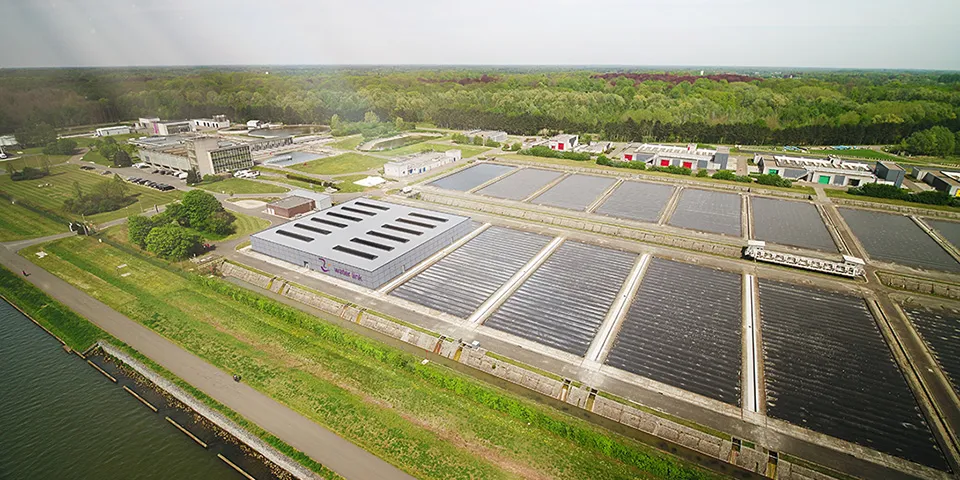
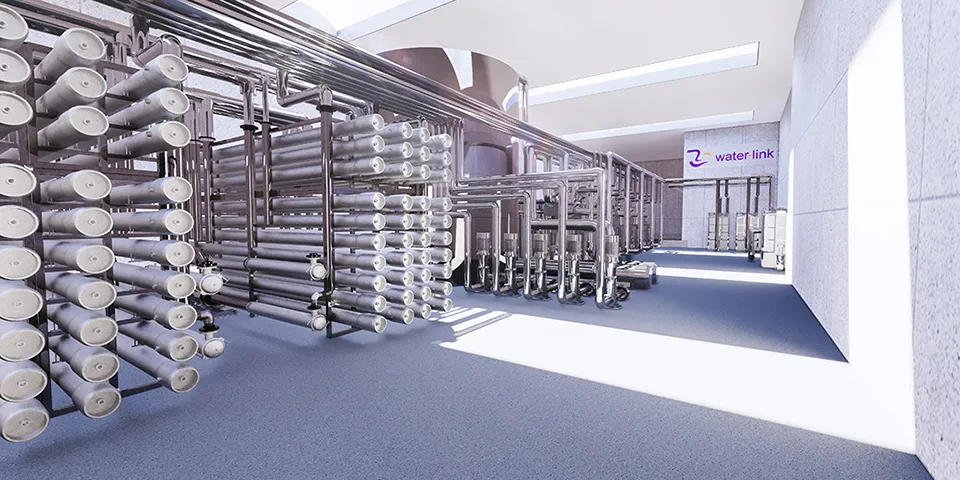
At Oelegem, one of the two treatment units will be expanded with a modern desalination plant. This will enable us to make up for shortages of fresh water during periods of drought.
The feasibility study is under way, and we expect the first phase, with a capacity of up to 30,000 m3/day, to be operational by the end of 2022. Expansion to 100,000 m3/day is planned by the end of 2025. The total investment in this project is estimated at €32 million. In addition, water-link will invest €18.5 million in network reinforcement over the coming years.
This will enable water-link to continue guaranteeing security of supply in a sustainable and circular way.
Question about this story? Ask your question
Keep following this
Get an email when a new story is published. No account needed.
- ThemeRenewing pipelines and sewers
- SubjectGeneral







