









Sewer inventory prevents residents from paying twice for sewerage
Hundreds of sewer collapses occur on public roads in Flanders every year. Repairing the damage can cost a city or municipality up to €100,000, according to estimates by Vlario. Total repair costs therefore run into the millions each year. A comprehensive, up-to-date sewer inventory is a crucial tool for avoiding costs of this kind. The need is clear: sewer infrastructure is now worth a total of €70 billion, yet we know less about it than any other asset of comparable value. That is why Flemish Minister for the Environment Zuhal Demir has given every municipality until the end of 2022 to draw up a sewer inventory and an associated inspection plan. The first milestone is due this month: a complete sewer inventory, a requirement met by 90% of municipalities.
In Houthalen-Helchteren, Minister Demir demonstrates what standard practice should look like from 2023: regular inspections and, where necessary, renovation to prevent substantial additional costs. “Sewer infrastructure is now worth a total of €70 billion, yet we know less about it than any other asset of comparable value. Only by establishing exactly where the sewers are and what condition they are in can we carry out efficient repairs and make targeted investments,” says Flemish Minister for the Environment Zuhal Demir.
“Crisis management still takes too big a bite out of the budget that should be spent on extending sewer connections. The answer is regular inspections and targeted maintenance. Surely we cannot invest billions underground and then never look at it again? This approach also benefits residents: every euro can only be spent once. It is therefore in their interest for local authorities to avoid huge unforeseen costs, so that other investments do not suddenly have to be postponed.”
Action required in return for subsidies
Around 10 municipalities have yet to complete their sewer inventories. They will need to take the necessary action if they are to remain eligible for subsidies for sewer construction and maintenance. The Minister will contact these municipalities about this. Municipalities that have taken the necessary steps have earned a good mark, but that does not mean their work is done.
Sewer inspections pay for themselves
The next milestone is due at the end of 2022: by then, the risk points in the sewer network must also have been mapped, and an inspection plan must be in place through to 2027. The plan must be implemented on the ground from 2023. Carrying out inspections in line with this plan costs the average municipality €160,000. That cost is immediately recouped if even one serious collapse is prevented. “Repairing a broken pipe costs up to 20 times more than a planned renovation,” says Wendy Francken, director of VLARIO. “These unexpected repair costs put a heavy strain on a municipality’s budget, but poor maintenance can also come back to haunt it in other ways. As well as reputational damage, there are increasingly legal and insurance-related consequences. ‘We didn’t know’ is no longer readily accepted by insurers when an incident occurs that could have been prevented.”
“Good asset management is very important,” agrees Ingeborg Barrez of VMM. “The Flemish Environment Agency gives sewer managers the opportunity, through the sewer inventory, to map their sewer infrastructure, its condition and the associated risks. The inventory makes it possible to present inspection results clearly and thereby maintain the condition of our networks cost-effectively. A healthy sewer network makes an important contribution to the health of our watercourses,” Barrez adds.
Coordination across the sector
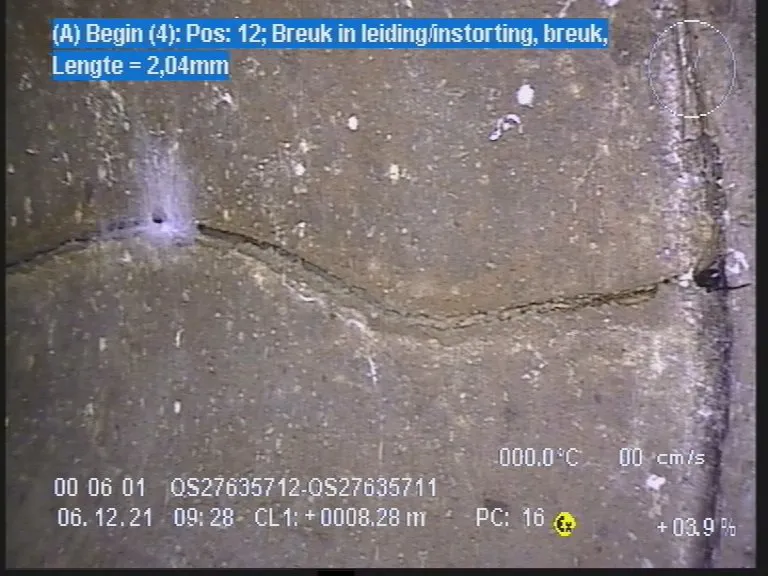
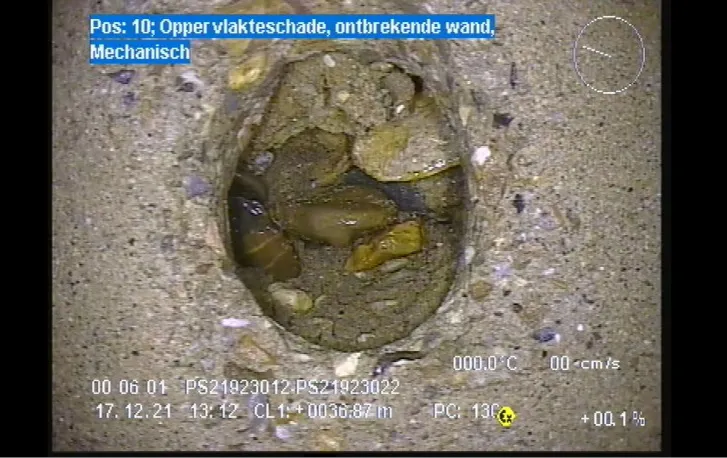
“Meeting this requirement will mean an additional 30 specialist technicians are needed each year to assess the condition of these sewers,” explains Wendy Francken.
Any defects identified can then be addressed in good time. VLARIO, in partnership with the Confederation of Construction, provides specialist training for the role of underground structures technician. “This high-tech training demonstrates the construction industry’s diversity. Sewer renovation has evolved enormously as a profession, with considerable innovation in recent years in the materials used and the state-of-the-art techniques employed. Robots are one example. The aim is both to improve the quality of sewer renovations and to accelerate the uptake of innovative technologies. Craftsmanship must be maintained. This branch of construction is also continuing to develop. More and more techniques, for example, are based on BIM models. These are building information models that use 3D technology to scan the existing sewer network in full. Bespoke solutions can then extend the service life of the sewer network by 50 years.”
Sewer renovations with ever less disruption
The major advantage of the various sewer renovation methods is that disruption to the surrounding area is minimal, as work is carried out on the sewers via inspection chambers only, without disturbing the road.
These trenchless techniques extend the remaining service life of sewer networks by 50 years. In some cases, localised robotic techniques can repair a sewer for an extended period. This is also much quicker than a conventional sewer project, which involves not only digging a deep trench but also resurfacing the road. Sewer renovation is also cheaper than replacing the network, as there is no need to dig up the road unnecessarily. Finally, this “less disruption” technique produces far fewer CO2 emissions than conventional replacement.
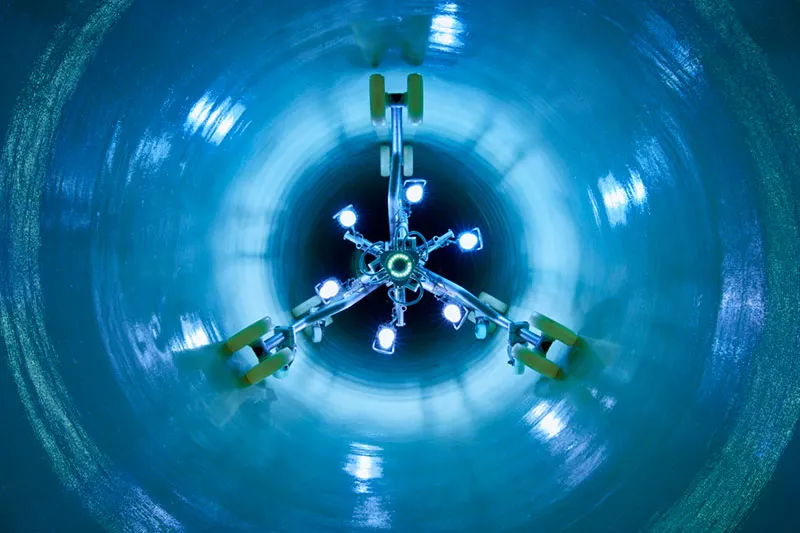
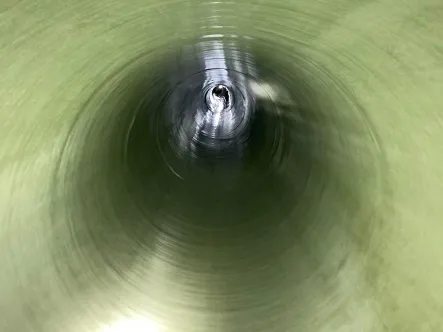
In this project, the sewer network beneath Herebaan is being fitted with a new lining made of glass-fibre-reinforced plastic. This technique is called relining. In short, a sleeve made of glass-fibre mats impregnated with polyester resin is pulled into place through an inspection chamber. The sleeve is pressurised with air inside the existing sewer and cured using a special UV system. Once cured, the sewer pipe is structurally sound again and can remain in service for at least 50 years.
Question about this story? Ask your question
Keep following this
Get an email when a new story is published. No account needed.
- ThemeRenewing pipelines and sewers
- SubjectGeneral







