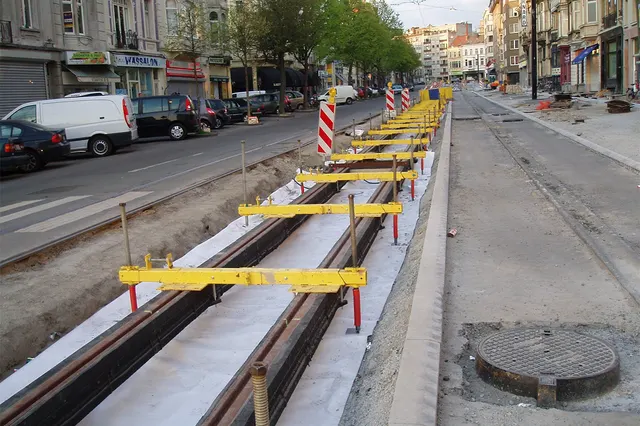
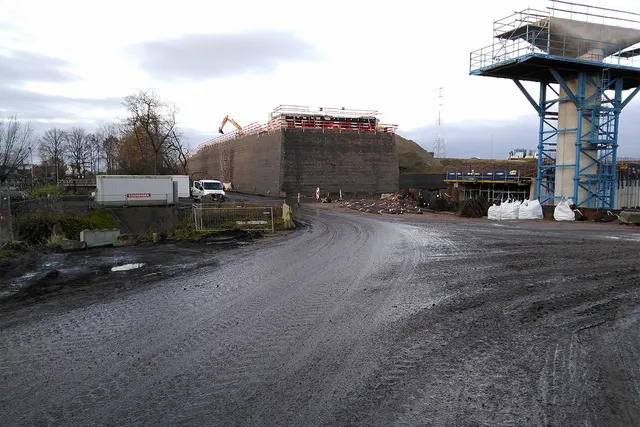
Geotextiles in railway construction: robust and durable
BontexGeo is a leading producer of woven and non-woven geotextiles. These textile products have been used successfully in infrastructure, including railways, for many years. And that is no coincidence: geotextiles are quick and easy to install and help create a stable, durable railway structure.
Trains are a popular means of transport both in our country and internationally. This popularity means railway infrastructure often takes a heavy beating. Maintaining, widening and extending the rail network is therefore essential to keep it in optimum condition and make it fit for the future. Geotextiles offer an innovative solution for carrying out this maintenance work as efficiently and cost-effectively as possible.
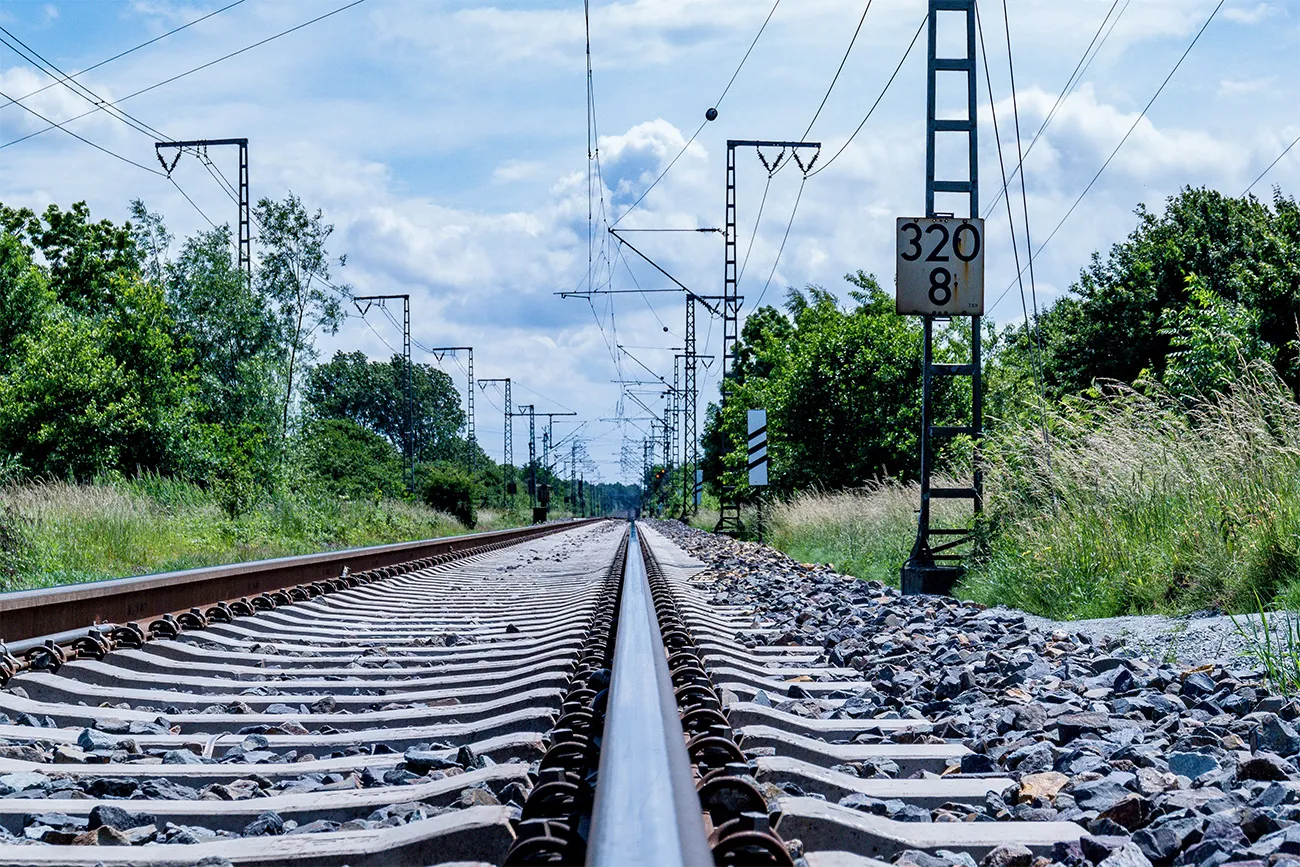
Geotextiles in railway construction
The use of non-woven geotextiles is already well established in the construction and maintenance of railway infrastructure. Why? They are quick and easy to install and have a long service life.
In practice, non-woven textiles are used in railway construction to separate the different layers of the track structure, which have different properties and particle sizes. The continuous passage of trains over a track can cause a pumping effect in the underlying formation layers. This can result in fine soil particles from the subgrade entering the ballast. Using non-woven geotextiles between the ballast and the subgrade prevents fine particles from rising up. This maintains the quality of the ballast, which in turn extends the service life of the track.
Separation, filtration and drainage
Geotextiles do more than simply separate the different layers of the track structure. Because they are permeable to water, they prevent water from accumulating beneath track structures or obstructing drainage. Effective drainage of excess water from railway infrastructure helps it last longer. Infrastructure professionals value three key benefits of (non-woven) geotextiles: their separation, filtration and drainage functions. Effective drainage removes water from the structure more quickly and easily.
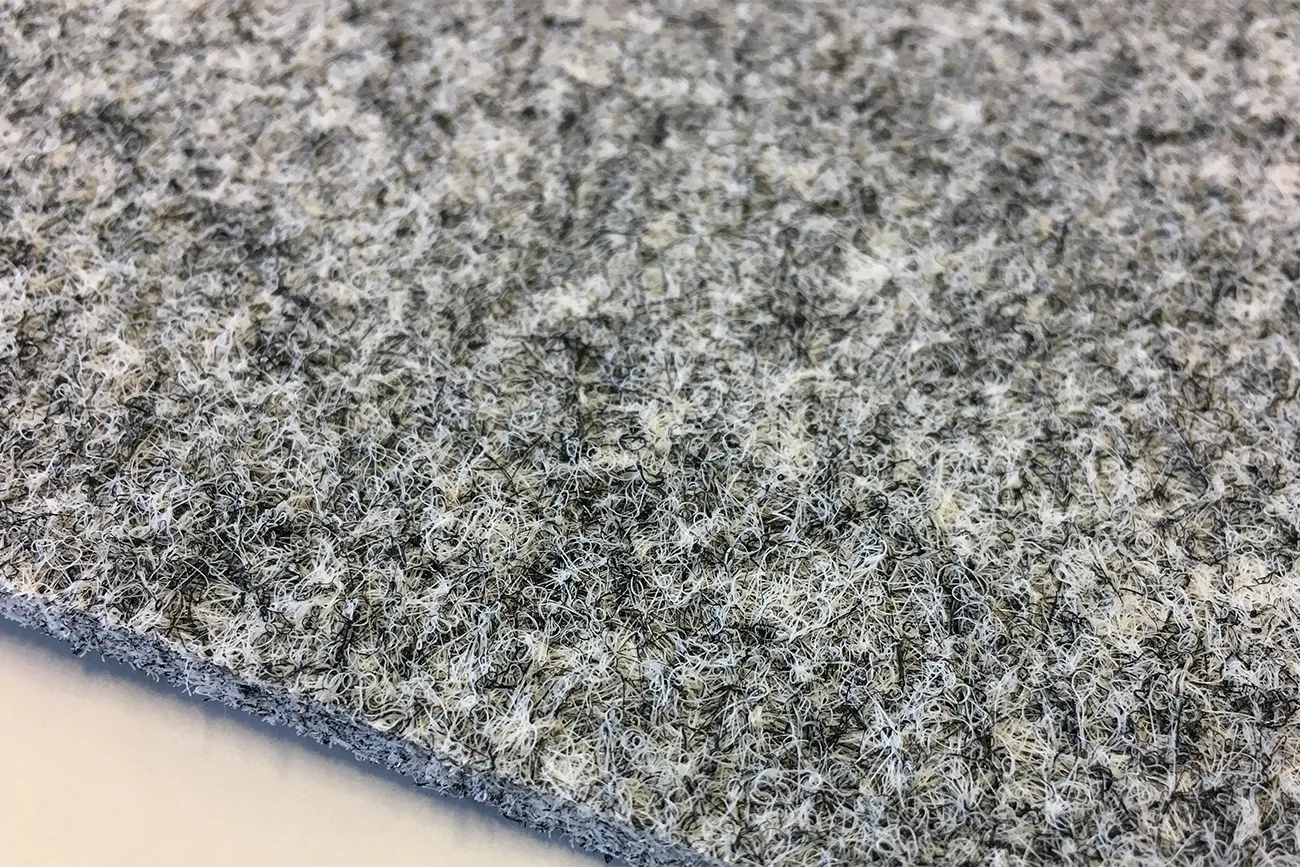
A widely used solution in railway construction is Bontec® SNW 50 nonwoven, manufactured in Belgium. BontexGeo developed this product specifically to combine high strength and elongation with high water permeability. This makes it ideal for use on railways, particularly as it complies with type 3.2 of PTV 829, which is specifically intended for railway construction. Bontec® SNW 50 is also Benor-certified.
RIGIDD 1100: new and exceptionally abrasion-resistant
Another new solution BontexGeo is keen to showcase is Bontec® RIGIDD 1100. This product also meets all the stringent requirements for railway structures, and that is no coincidence. RIGIDD 1100 is the result of extensive product development and a patented manufacturing process, making it exceptionally abrasion-resistant and highly effective at filtration. These properties make RIGIDD 1100 particularly suitable for use directly beneath the ballast layer, where train vibrations combined with sharp-edged ballast create a highly demanding, abrasive environment.
The product also underwent intensive testing, including ‘Vibrogir’ testing in the laboratories of French railway company SNCF, to validate its suitability. This makes it a real standout product. Testing shows that RIGIDD 1100 still achieves a water permeability score of 95% (EN ISO 11058), an exceptionally high figure.
Bontec® RIGIDD 1100 also has a very long expected service life of more than 100 years.
Question about this story? Ask your question
Keep following this
Get an email when a new story is published. No account needed.
- ThemeFuture-proofing roads and railways
- SubjectGeotextiles