Sustainability woven into geotextiles: contributing to a green future
Text Geert Van CauwenbergeImage BontexGeo
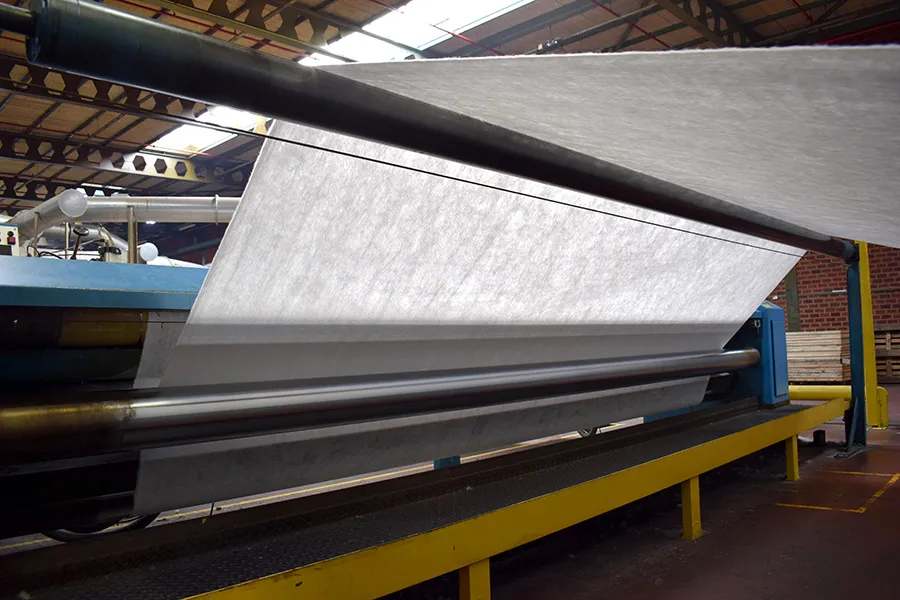
BontexGeo is a leading manufacturer of woven and non-woven geotextiles. These textile products have been used successfully in construction and infrastructure projects for many years. Geotextiles offer technical benefits and also score highly on sustainability. Kenny De Wolf, Product & Marketing Manager at BontexGeo, explains.
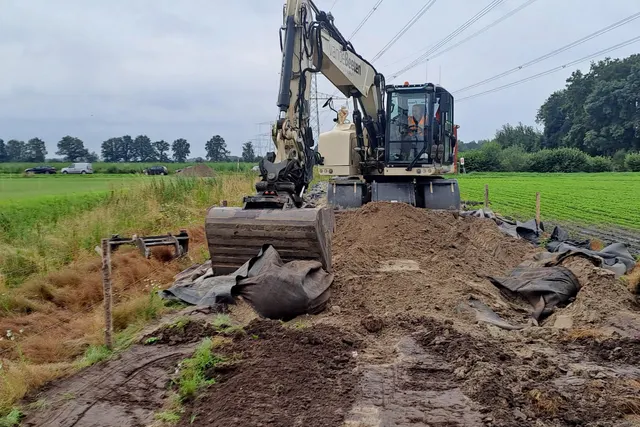
From its headquarters in Zele, and with several sites across Europe, BontexGeo supplies contractors and wholesalers with a wide range of innovative geotextile products. “Our products are frequently used in civil engineering and water management for separation, filtration, reinforcement, drainage and/or protection,” says Kenny De Wolf, Product & Marketing Manager. “We invest heavily in research and development to offer our customers the most sustainable solutions possible, with ecology and circularity playing an increasingly important role.”
Sustainability high on the agenda
Kenny De Wolf and his colleagues have noticed that more and more customers, as well as their end customers, are placing sustainability high on the agenda. “As an environmentally friendly solution for construction and infrastructure projects, using this material is a smart way to reduce your environmental impact and contribute to a greener society. European studies show that the environmental impact of infrastructure projects using geotextiles is considerably lower than that of traditional methods. I’m happy to explain why our solutions perform so well in this respect.”
Long service life
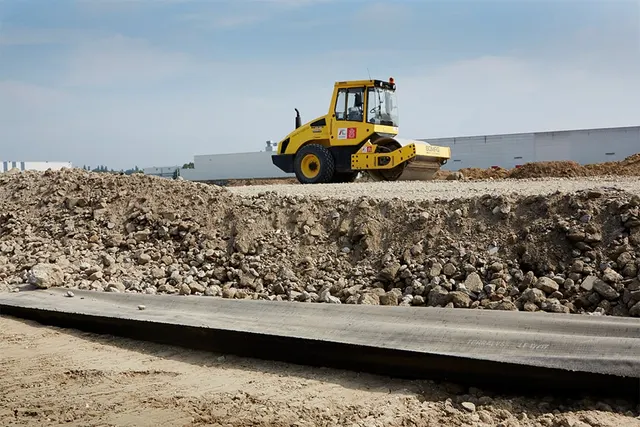
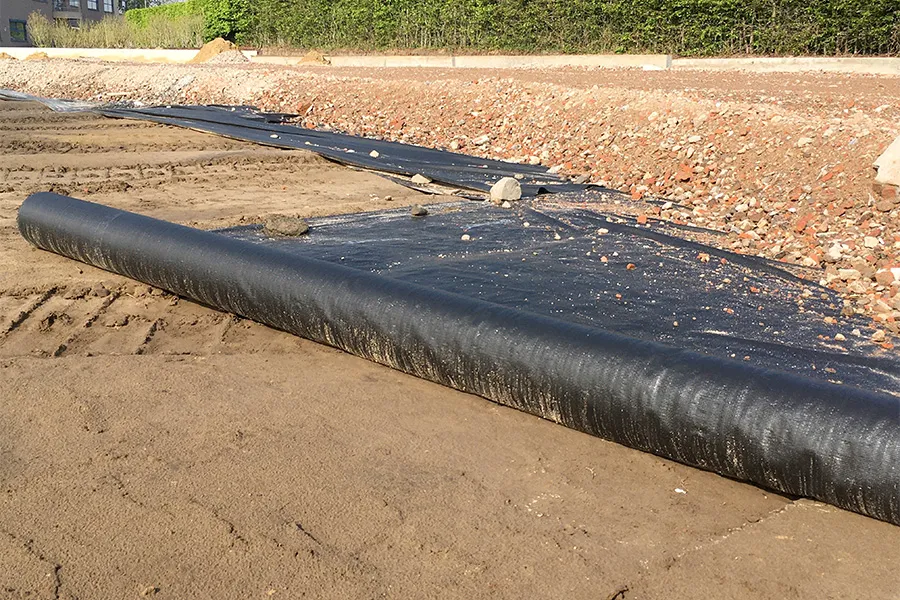
One important factor is the long service life of geotextiles. “Our BontexGeo solutions easily last 50 to 100 years,” confirms Kenny De Wolf. “This long service life helps keep infrastructure such as roads, railways, dykes and airports in good condition for many years. Using geotextiles as reinforcement increases the stability and load-bearing capacity of the subgrade, reducing the load on the structure. This reduces the need for frequent repairs and replacements, which in turn cuts the use of new materials and energy-intensive construction processes. From a Total Cost of Ownership perspective, contractors and clients therefore get the most out of their investment. Independent studies show that using geotextiles reduces greenhouse gas emissions by a factor of 10 compared with a traditional mineral filter layer.”
“At first glance, biological geotextile products such as jute or coir mats may seem like the most sustainable solutions, but their limited service life means they need to be replaced frequently. This sends total CO2 emissions soaring.”
“Geotextiles are also manufactured using processes with a low environmental impact,” says Kenny De Wolf. “At BontexGeo, geotextiles are made using energy- and water-efficient processes, resulting in a lower environmental footprint. Together with external partners, we also make every effort to recycle waste generated during our production processes.”
Improved energy efficiency
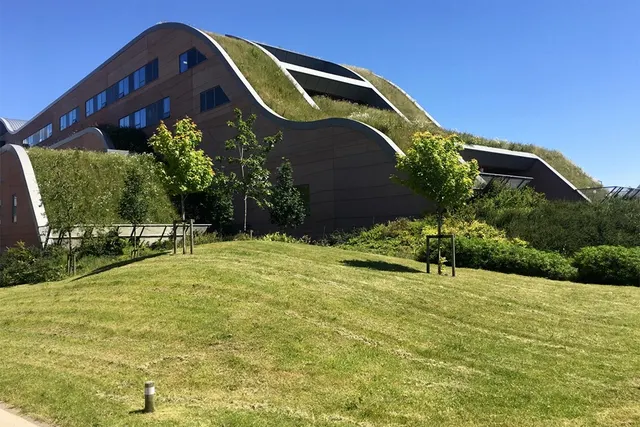
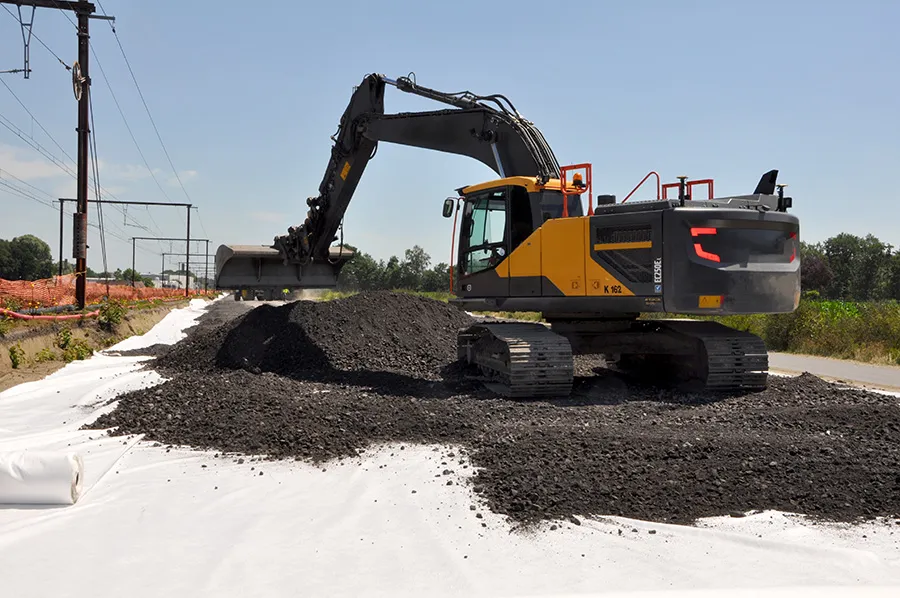
“A third sustainability benefit of geotextiles is improved energy efficiency,” explains Kenny De Wolf. “Geotextiles help optimise energy efficiency in construction and infrastructure projects. Their use in geotechnical applications, such as road reinforcement and foundation structures, reduces the need for raw materials and energy-intensive processes. The reduced need for raw materials such as gravel or sand also means fewer heavy goods vehicle movements. Geotextiles can also help improve the energy efficiency and climate regulation of buildings, for example as part of green roof solutions.”
BontexGeo also applies this focus on improved energy efficiency to its own buildings. “For example, about two years ago we switched all the lighting in our factory hall to LED. It is just one of many initiatives at our company to keep our environmental footprint as small as possible.” ■
Question about this story? Ask your question
Keep following this
Get an email when a new story is published. No account needed.
- ThemeMaterials with a lower environmental impact
- SubjectGeotextiles