









Why choosing the right concrete matters for deep foundations
Text Joris Hendrickx Beeld Buildwise
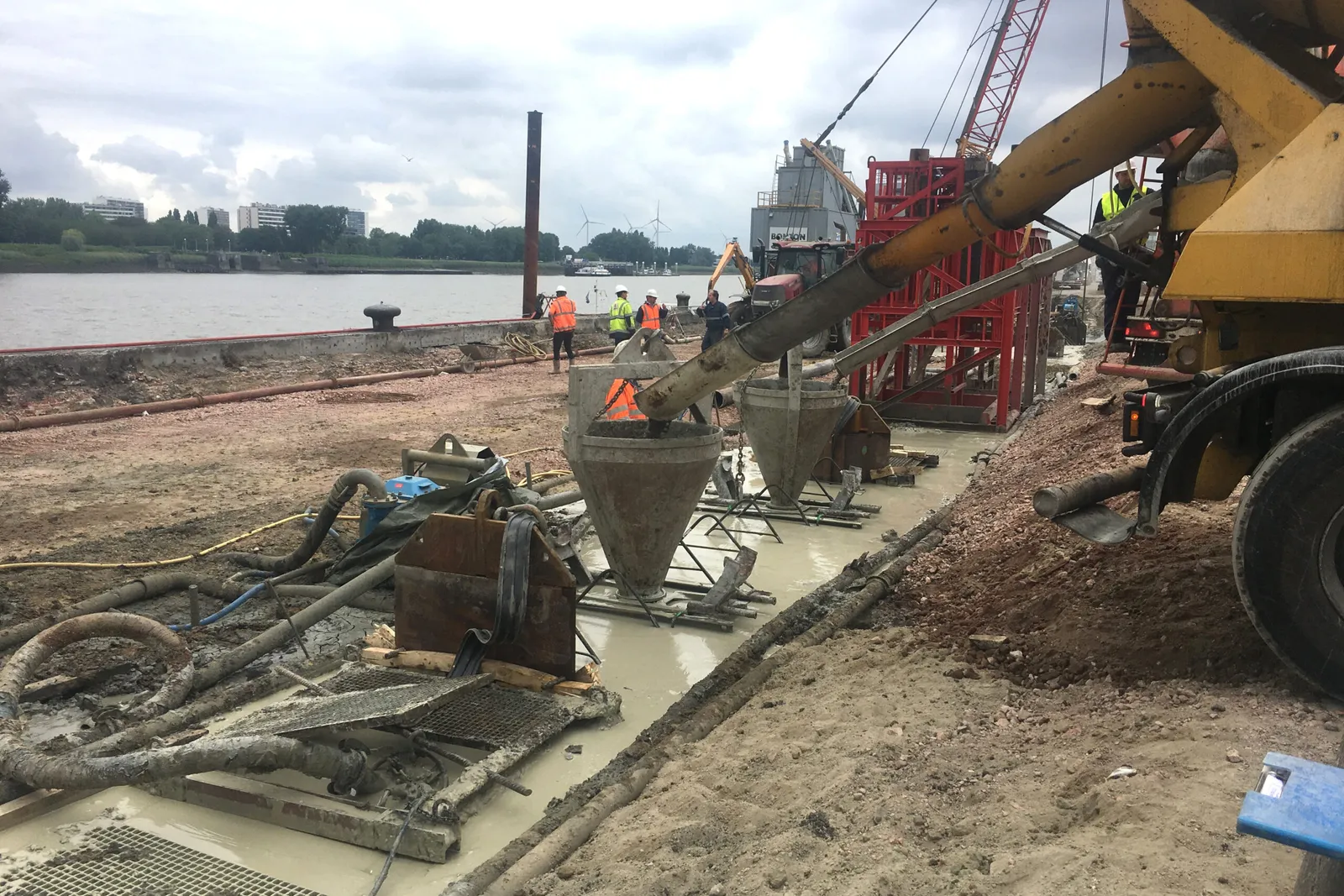
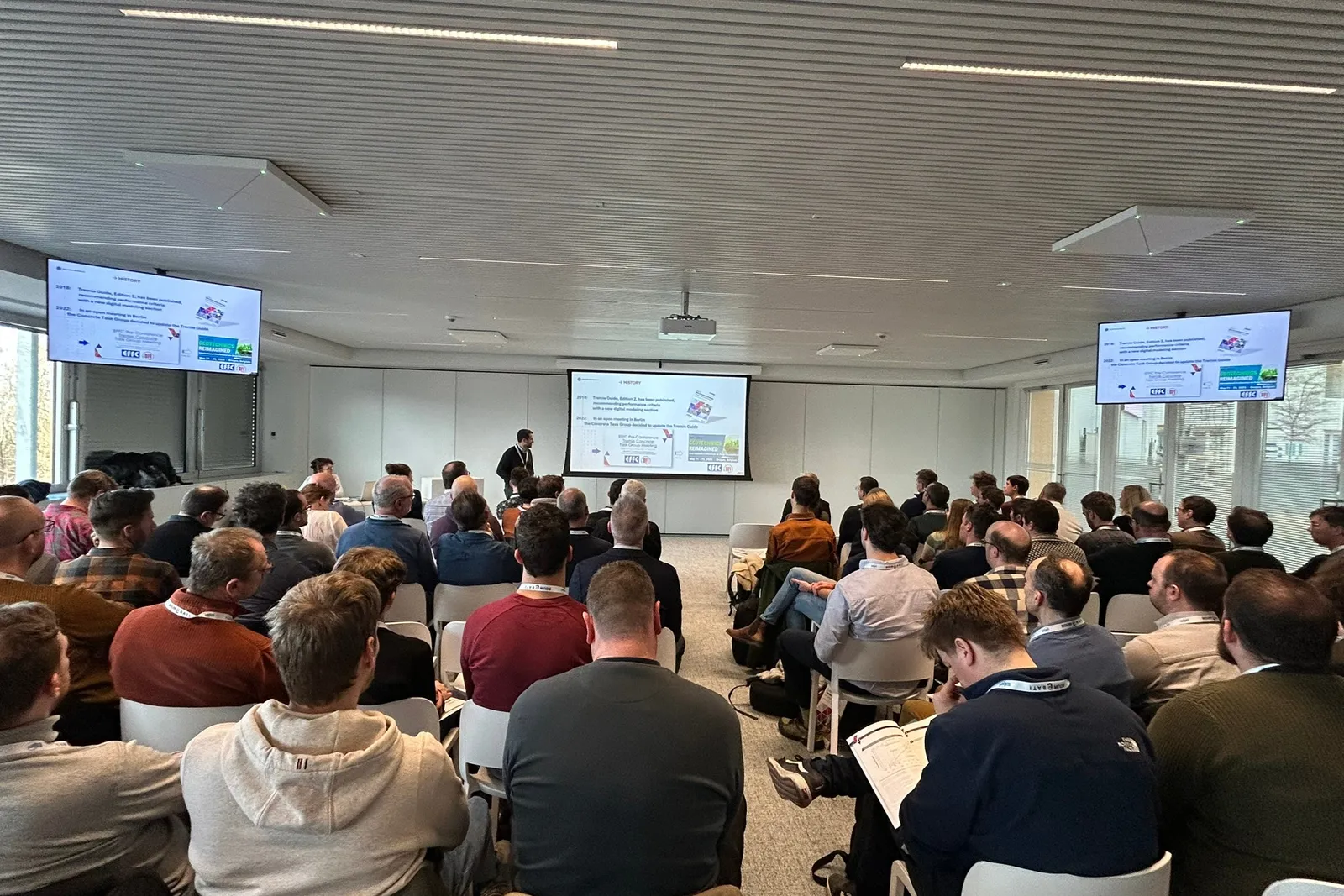
Good deep foundations start with the right concrete. That was the central theme of the Concrete for Deep Foundations Study Day organised by the Belgian Concrete Group (BBG), Buildwise and the Belgian Group for Soil Mechanics (BGGG). Coordinator Monika De Vos, chair of BGGG and a member of staff at Buildwise, looks back on a day packed with practical examples and lessons from the industry.
Not ordinary concrete
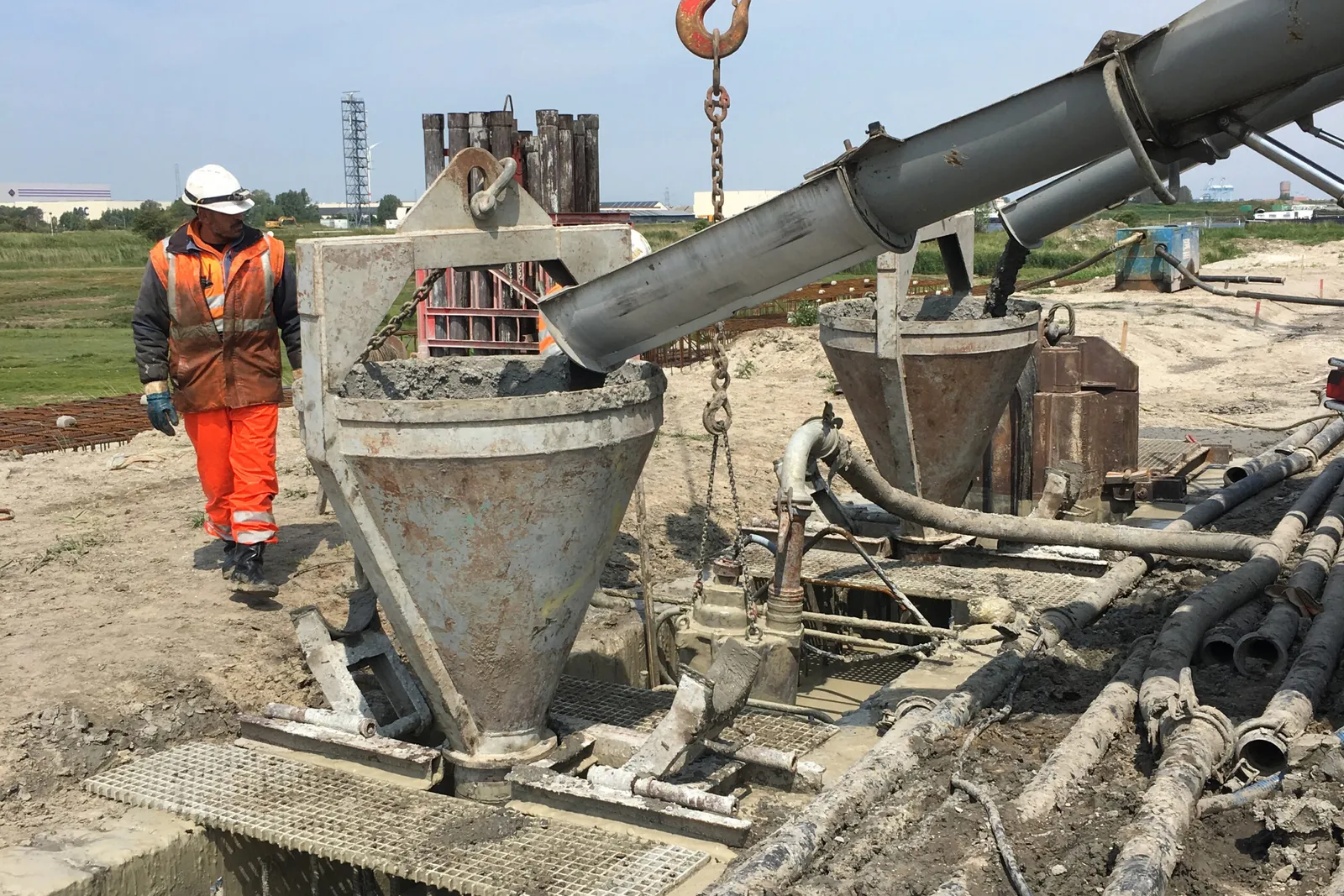
Concrete for deep foundations in Belgium is usually ready-mixed. The requirements are quite specific. It must flow easily under its own weight and compact under gravity. It cannot be vibrated at great depth, while it must also remain stable and resist segregation to withstand the high pressures underground. Sufficient plasticity, good consistency and high durability are also essential. In addition, the mix must remain workable throughout concreting, which can take several hours. This is therefore not conventional self-compacting concrete, which is more viscous and slower to place.
Requirements for cement content, minimum fines content, maximum water-cement ratio, consistency and retention of consistency may therefore differ from the standard provisions for other types of construction. Aggregate size also plays a part. The maximum size of the coarse aggregate must be proportionate to the openings in the reinforcement cage.
What can go wrong?
Examples of problems with deep foundations include bulges, necking and other deviations from the specified dimensions, inadequate concrete cover to the reinforcement, and voids and channels in the concrete. Segregation can also cause honeycombing, particularly in long piles. This compromises load-bearing capacity, both geotechnically and structurally. In retaining walls, it can lead to leaks. In addition, the durability of the steel reinforcement can no longer be guaranteed because of the increased risk of corrosion.
Causes lie in both design and execution
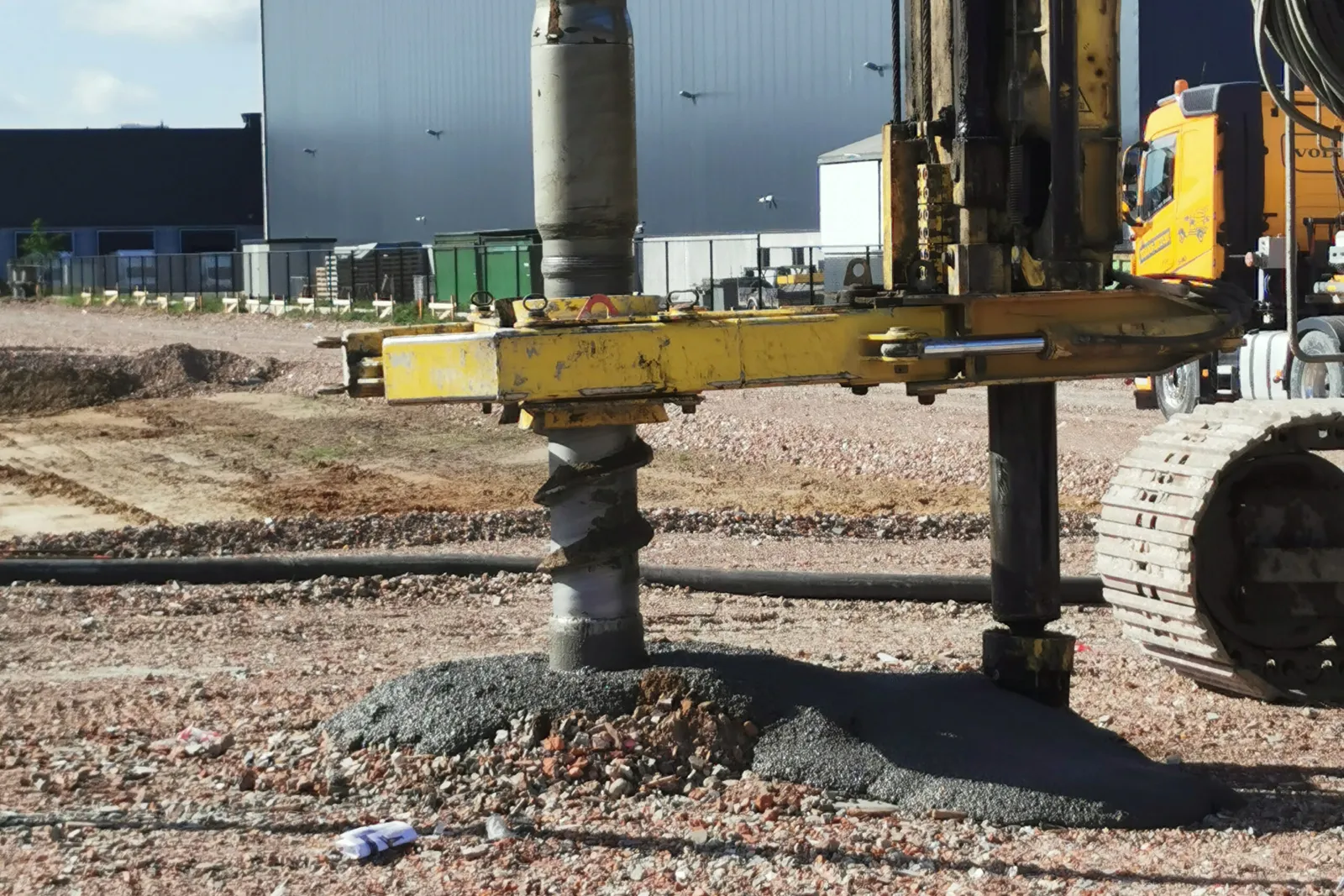
Problems with deep foundations are usually the result of a combination of factors. The absence of a sound temporary working platform makes proper execution more difficult. Choosing the wrong concrete also increases the risk. Soil type and groundwater pressure can push fresh concrete out of place or cause it to flow away. External factors such as trimming, lateral loading or heat can cause further damage. Chemical effects also play a part. Heat of hydration can cause cracking. Execution errors can also occur, including deviations in pile position or inclination and eccentricity of the reinforcement.
Standards and guides provide a framework
The right concrete properties are therefore crucial. Belgian standard NBN B 15-001, including Annex D, provides a clear framework. It specifies parameters such as the water-cement ratio, cement type, compressive strength and flowability. Using concrete that meets these specific provisions reduces the risk of execution problems related to concrete quality. Suitability tests must be carried out for non-standard mix designs, for example to reduce CO2 impact.
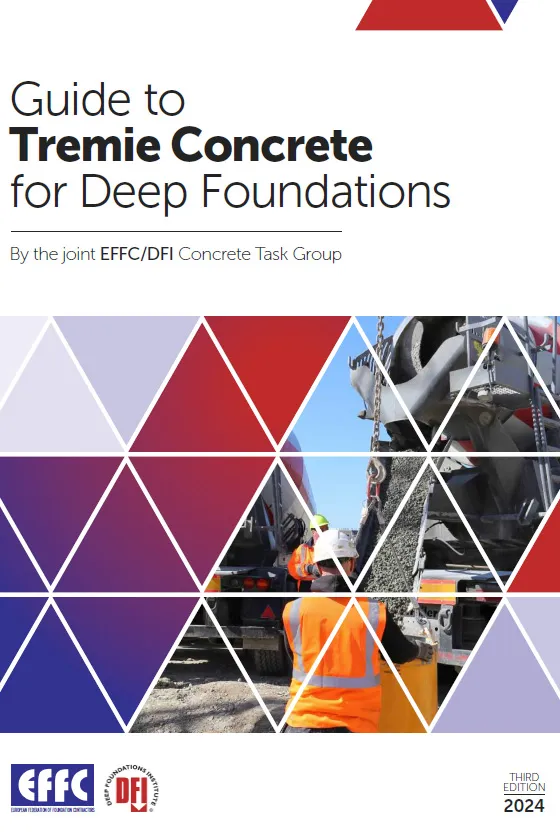
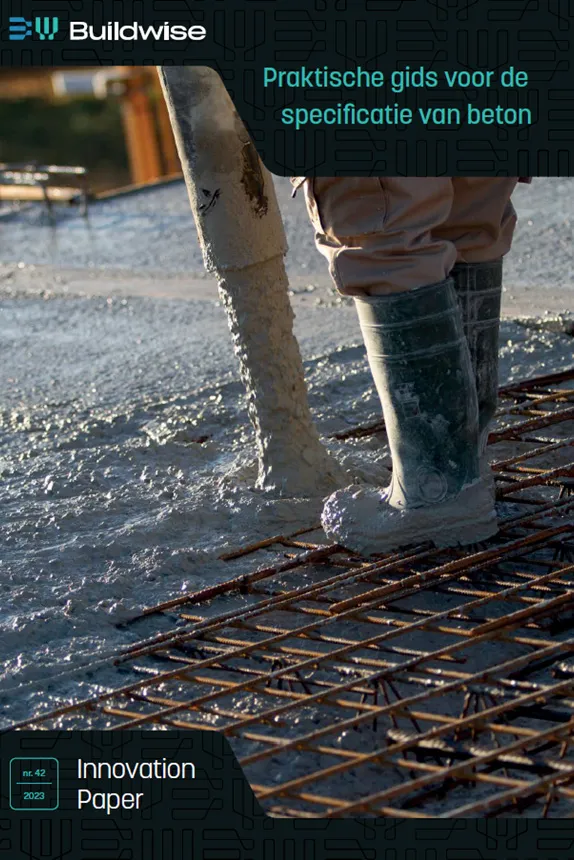
Buildwise’s ‘Practical Guide to Concrete Specification’ translates the standard into an accessible, practical document. The EFFC/DFI Guide to Tremie Concrete for Deep Foundations (3rd edition) also provides guidance. The execution method must also comply with execution standards NBN EN 1536 and NBN EN 1538.
Reducing environmental impact requires different choices
The study day also addressed environmental impact. Cement makes up only 10 to 15% of concrete, but accounts for at least 85% of its CO2 emissions. Alternatives such as CEM III/A 42.5 N LA reduce emissions compared with conventional CEM I 52.5 N. New materials, such as calcined clays and dolomite, also offer potential. Recycled aggregates and sand are increasingly permitted under the standards, and can also be used outside them subject to a suitability test. Finally, reusing foundations can, of course, also significantly reduce environmental impact.
Test and be prepared to make adjustments
First, make the right choices during the tendering phase. Specify the correct exposure classes and concrete properties. Scrutinise the requirements in the specification. Frost resistance, for example, is rarely relevant for deep foundations. Then test not only when in doubt, but also as part of routine monitoring. It is the only way to learn.
A useful Buildwise tool
Buildwise’s ‘BETON’ app helps you determine concrete specifications correctly. Answer a few targeted questions to get an overview of all the information that needs to be specified in the contract documents and when placing an order. Download it free of charge at betonapp.buildwise.be.
Question about this story? Ask your question
Keep following this
Get an email when a new story is published. No account needed.
- ThemeUsing and protecting the subsurface
- SubjectConcrete







