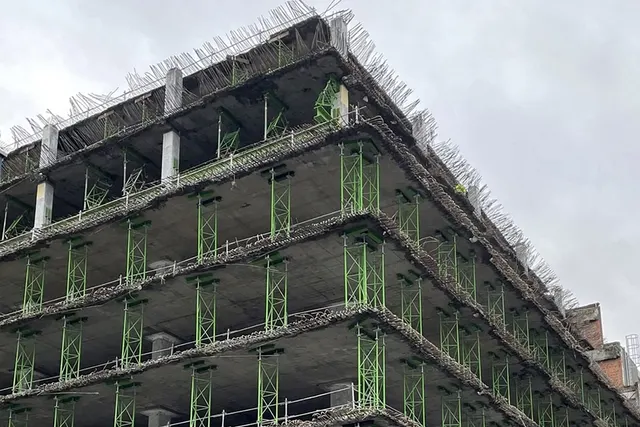
How innovation is driving greater sustainability
Text Björn Crul Beeld Beton de la Lomme
Concrete is the most widely used building material in the world and is responsible for almost 8% of global CO2 emissions. The sector is therefore taking major steps to improve its environmental footprint. At Beton de la Lomme in Rochefort, this is happening through innovation in production and product development, and greater employee involvement. Jacky Chalon, director of the technical department, explains.
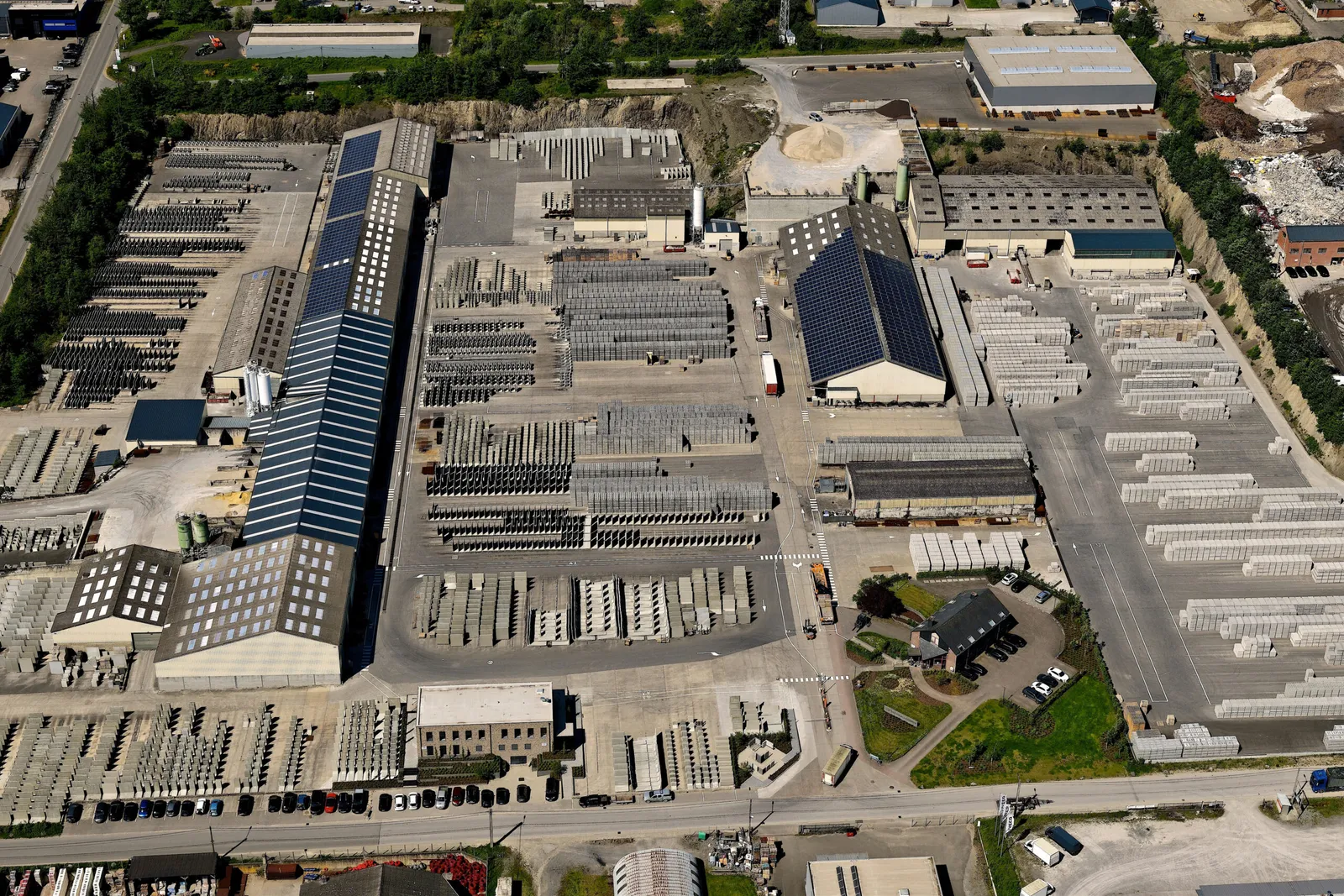
There are two production methods in the precast sector: immediate demoulding and delayed demoulding. “Immediate demoulding is possible with relatively dry concrete, which is mechanically pressed into the moulds,” explains Jacky Chalon. This highly automated technique is used for large production runs, such as concrete blocks, shuttering blocks and adhesive blocks.
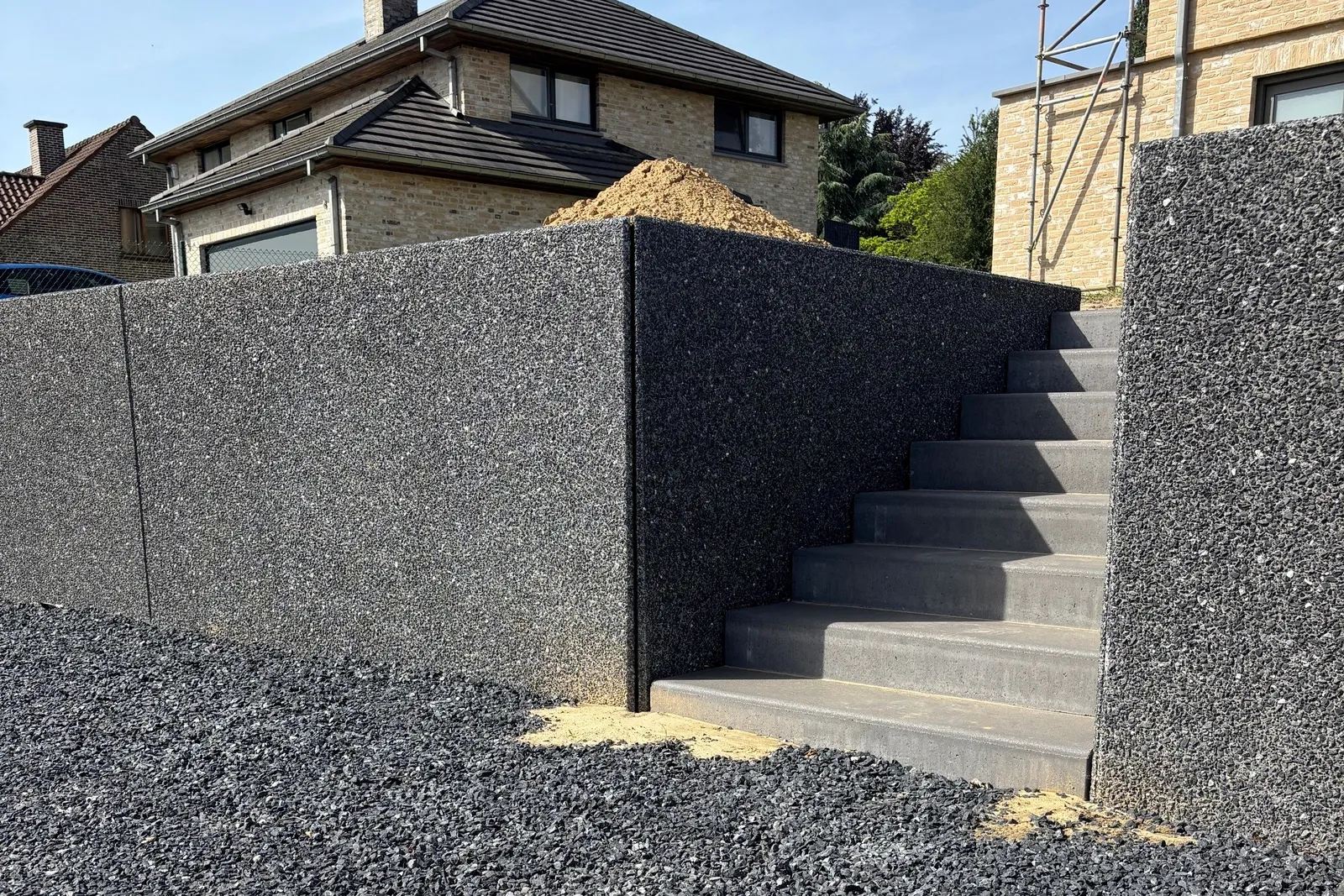
Delayed demoulding uses fluid concrete poured into the mould. “In this case, demoulding can only take place later, once the concrete has fully cured. This means that only one or two cycles per day are possible, depending on the rate of hardening. This method is mainly used for reinforced concrete elements, such as L-shaped retaining walls, or for special products such as coping stones, bus shelters and bespoke items.”
Close monitoring of preparation and processing generally gives precast concrete a higher quality than concrete poured on site. “Fluid concrete mixes are now self-compacting and no longer need to be vibrated. They have an almost perfect density, minimal water absorption and greater strength.”
Collective intelligence as a driver of innovation
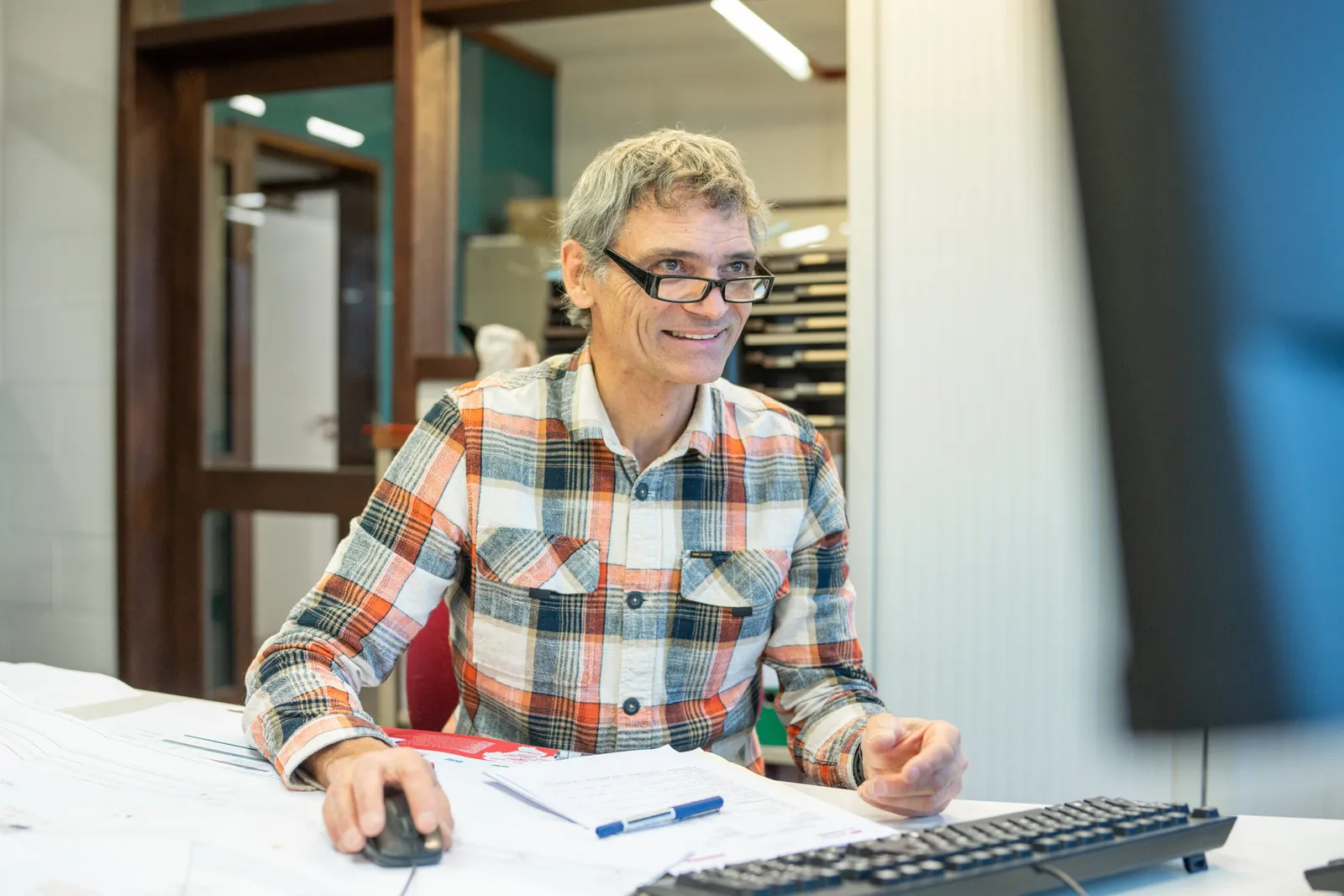
Sustainability is about more than just products and the techniques used. It also concerns how the company operates day to day. Beton de la Lomme has adopted a participatory approach based on ESG criteria. “Profit is necessary, but it must not come at the expense of staff wellbeing or the environment,” says Chalon. “We now use a participatory model. Employees who wish to do so have the opportunity to make their voices heard, so they can contribute to management decisions.”
The company set up three working groups focused on innovation in research and development, sales and production. “By bringing ideas together, we can make use of our collective intelligence. This cross-fertilisation changes the teams’ mindset: it has become more positive and is now more focused on innovation.”
Rethinking aesthetics and ergonomics
Beton de la Lomme is also continuing to improve product quality in several ways. Traditional grey concrete is long-lasting, but tends to turn green over time. Jacky Chalon says: “Structurally, concrete is highly durable. Aesthetically, that is another matter. To tackle this problem, our R&D department is developing innovative finishes: from exposed-aggregate concrete and concrete made using textured moulds to green finishes such as Green Wall, slate cladding and an exclusive finish that looks like weathering steel.”
Technical performance on site is also improving, including with the milled Rectilom adhesive blocks. “A wall built with Rectilom blocks is stronger than one built using traditional masonry. The main advantage of bonded blocks is that they can be laid much faster,” emphasises the director of the technical department. “Ergonomics have also been improved by adding handholds.”
The future is low-carbon and circular
Concrete’s environmental footprint needs to be assessed over its entire life cycle. “As concrete ages, it carbonates. This process allows the product to reabsorb some of the CO2 emitted during production. We are talking about 10 to 30% reabsorption,” says Jacky Chalon, who regrets that concrete sometimes “gets an undeservedly bad press because of environmental criteria”.
In his view, the future lies in different formulations. “We are currently testing alternative binders to produce concrete with less cement, or even no cement at all. The raw materials crisis is also pushing the industry towards a circular economy. Raw materials such as sand and even stone are becoming increasingly scarce. We will therefore have to recycle more waste materials and turn them into new raw materials.”
The concrete of the future will probably be more technical and will gradually move towards low-carbon or even CO2-negative formulations, meaning it will absorb more greenhouse gases than it produces. Jacky Chalon is convinced that Wallonia can stand out. “Wallonia has potential. And we are ambitious about innovating, standing our ground and moving forward.”
Question about this story? Ask your question
Keep following this
Get an email when a new story is published. No account needed.
- ThemeMaterials with a lower environmental impact
- SubjectConcrete