









A complete solution for damage and stability problems
Text Niels RouvroisImage BetonAdvies Gijko
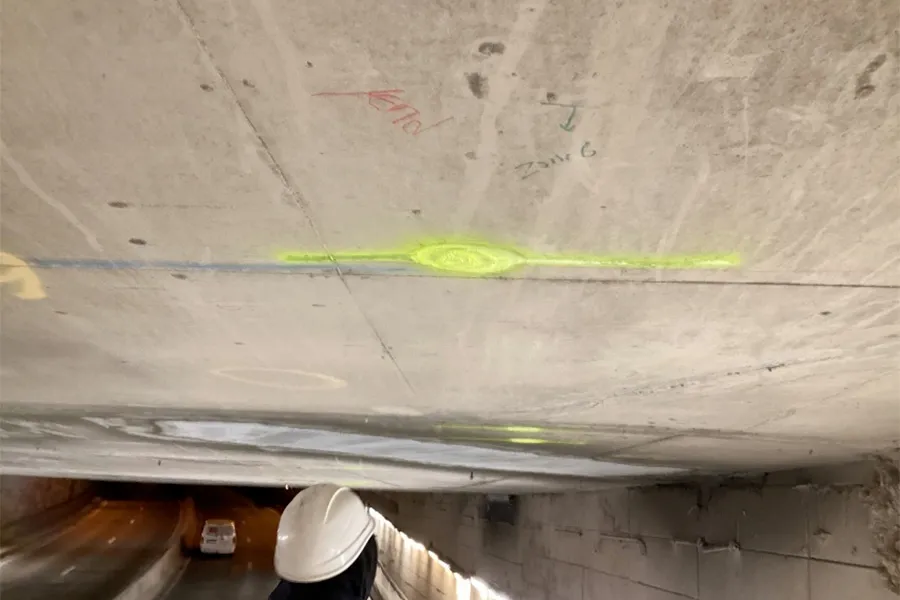
BetonAdvies Gijko has long been a trusted source of thorough, expert advice on concrete. The engineering consultancy from Sint-Niklaas draws on a team of experienced specialists who support its clients. BetonAdvies Gijko provides advice to government bodies, the concrete industry, architects, engineering consultancies, businesses and private individuals. “We have extensive experience, continuously updated expertise and state-of-the-art equipment for your structural assessments and damage evaluations,” says Architect Nele Gijbels of BetonAdvies Gijko, a sister company of BAG-MacBen.
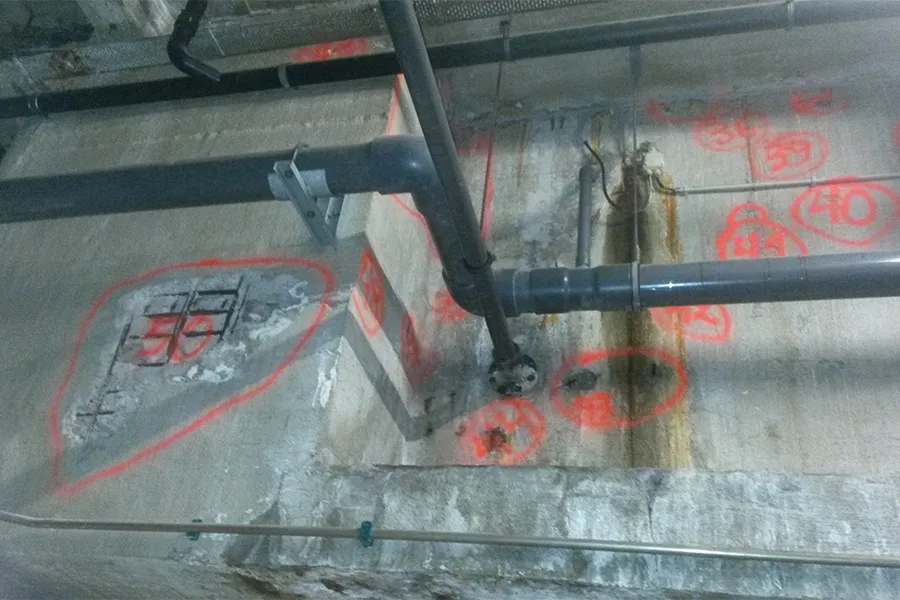
BetonAdvies Gijko focuses on providing support and quality assurance for concrete and damage diagnostics in deteriorated structures and concrete elements. Nele Gijbels: “What BetonAdvies Gijko offers can be seen as a package. On the one hand, BetonAdvies Gijko investigates the condition of existing concrete structures and civil engineering structures; on the other, we also advise on their stability and repair. There is certainly plenty to do, because there is a great deal of concrete in Flanders. The concrete structures and civil engineering structures built during the concrete boom of the 1970s are now around 50 years old and due for renovation or replacement. This naturally raises many questions, for example about bridges that have already featured in the news because of a maintenance backlog. But there are also other structures where problems are already visible or are beginning to emerge. BetonAdvies Gijko can provide answers to these questions.”
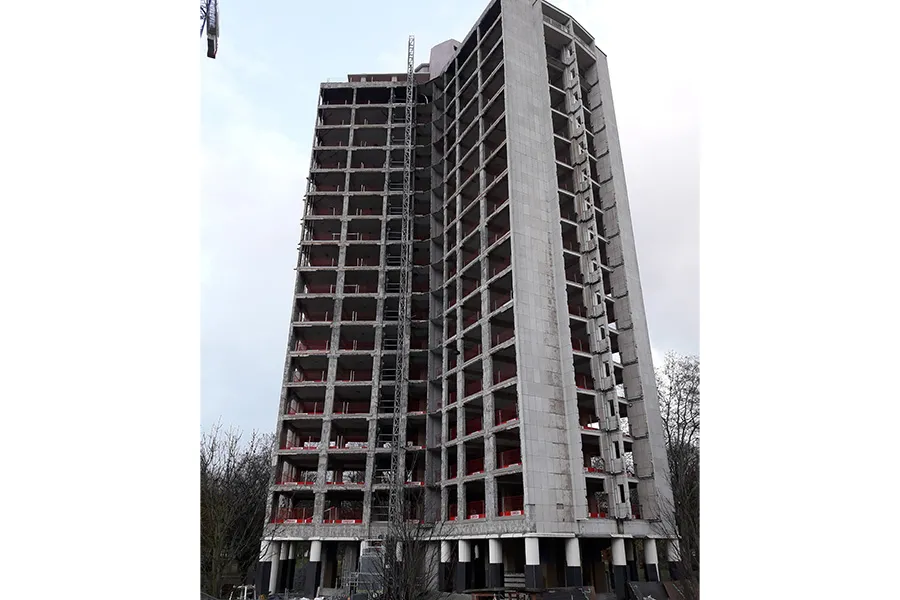
Concrete testing to address structural questions
Concrete testing is carried out for two common reasons. There may be doubts about the as-built quality of the concrete structure, or there may be concrete damage, such as cracking … The first common question arises when little or no information is available about the material properties of an existing concrete structure. These input parameters, such as the concrete strength class, reinforcement present, concrete cover and reinforcement layout, are important when changes in use are being considered that would result in an adverse change to the loads on the structure: a renovation project, reuse of an existing building … BetonAdvies Gijko provides the expertise and techniques needed to support structural calculations.
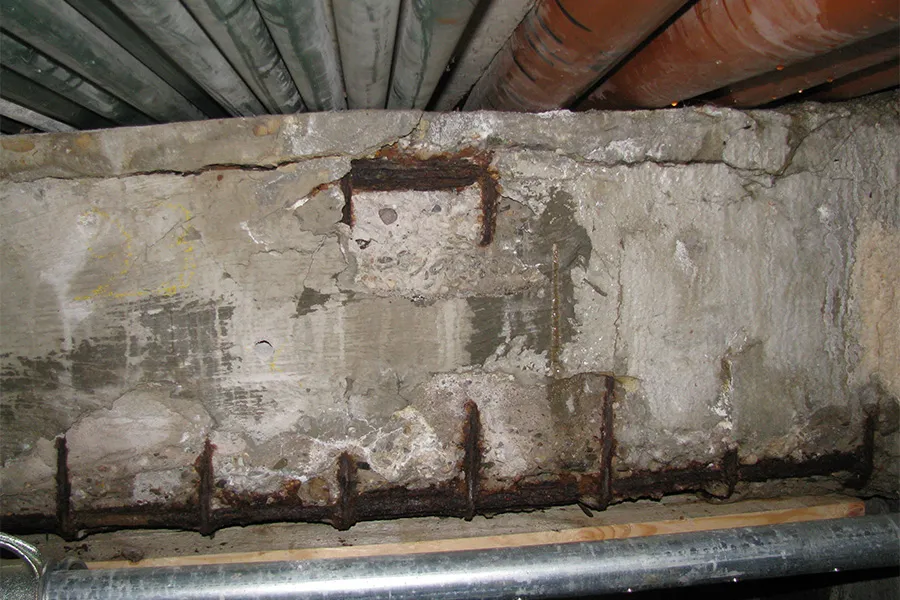
A complete concrete testing package to investigate damage
A second common reason for carrying out concrete testing is damage. “Everyone has heard of concrete deterioration, cracks in concrete or other problems,” says Nele Gijbels. BetonAdvies Gijko investigates the cause, severity and extent of the damage. Following an initial visual inspection and assessment of existing crack patterns, crack widths, discolouration, rust stains, spalling and other signs, the team reviews the records and evaluates the environmental parameters. Basic tests are carried out, supplemented by further investigations where necessary, to assess the cause of the damage and/or estimate the remaining service life.
Nele Gijbels: “After analysing the results and assessing the urgency, we can develop a sustainable solution. Our report is prepared in accordance with European standard EN1504, ensuring consistency. Providing advice also means that we can design a repair plan, provided that we have carried out the investigation ourselves. The actual work is, of course, carried out by a qualified contractor, but BetonAdvies Gijko continues to provide advice and support throughout the process.”
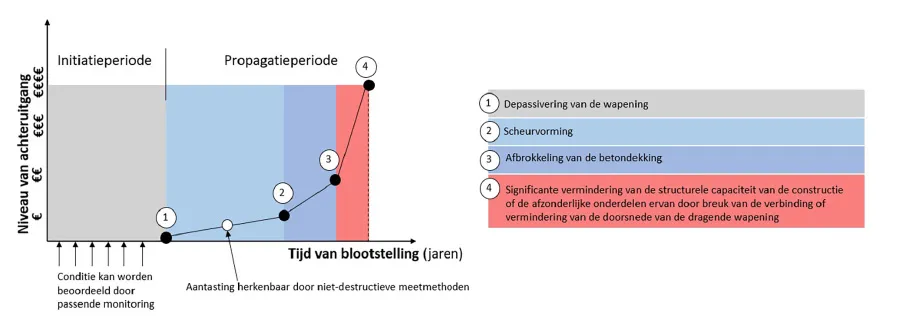
It need not always be destructive
Using state-of-the-art destructive and/or non-destructive testing techniques, BetonAdvies Gijko acts as an expert partner in finding answers to your durability and/or stability problems. Nele Gijbels: “We have extensive experience, continuously updated expertise and state-of-the-art equipment for your structural assessments and damage evaluations. Our wide range of non-destructive equipment is particularly important, as it allows us to take many measurements without having to expose everything destructively. This benefits the structure itself as well as the subsequent progress of the project. We can also support the project with ongoing monitoring. Monitoring offers various possibilities that can contribute to maintaining the structure, for example by issuing an alert or warning when action needs to be taken before the concrete or its reinforcement is damaged.” ■
Question about this story? Ask your question
Keep following this
Get an email when a new story is published. No account needed.
- ThemeMaterials with a lower environmental impact
- SubjectConcrete







