









‘Asset management’ as the ideal tool for sewerage and infrastructure management
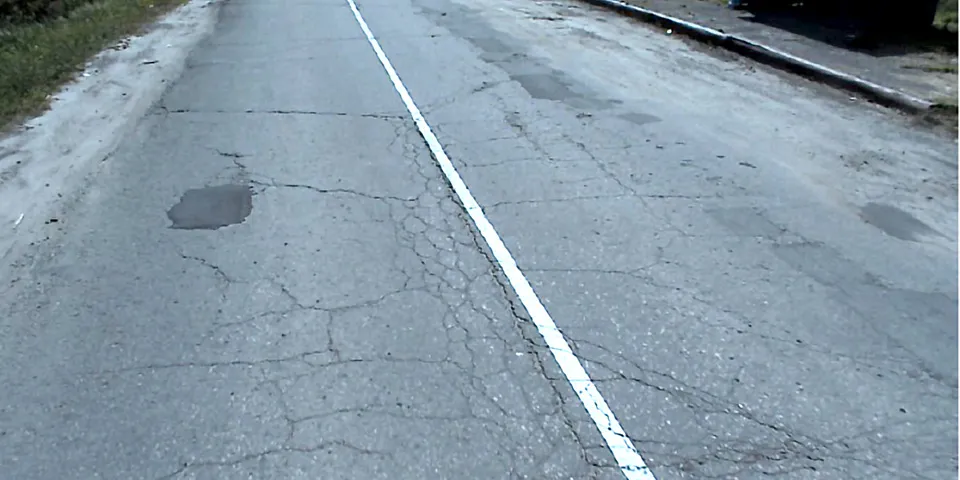
The 2018 provincial contact days organised by consultation platform Vlario hit the mark. More than 500 participants across the various provinces were brought up to speed on recent technical developments and new regulations. Asset management and long-term planning for both underground and above-ground infrastructure also received extensive coverage. “Clear, long-term life cycle planning for underground infrastructure is also extremely useful for above-ground infrastructure. And vice versa,” they said.
New regulations on soil excavation, environmental permits and the Archaeology Decree, technical developments in infiltration facilities and site testing, and presentations on safety, ‘poor soil’ and the value of asset management. Once again, there was plenty to learn over the past year at Vlario’s provincial contact days. Vlario is the consultation platform and knowledge centre for the sewerage and wastewater treatment sector in Flanders. Grond/Weg/Waterbouw visited Heusden-Zolder in December and learned, among other things, about the importance of asset management for both above-ground and underground infrastructure.
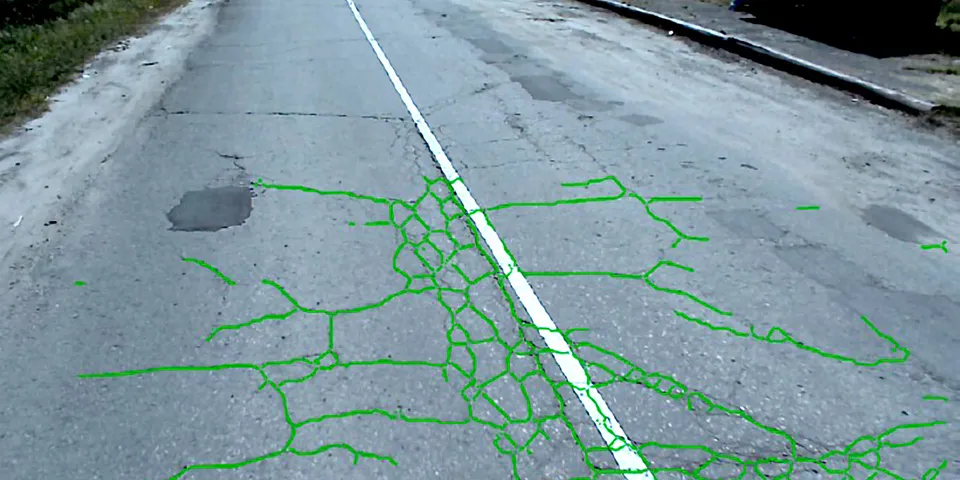
Algorithms are used to identify and analyse defects in roads, as here in Scherpenheuvel-Zichem.
Detailed life cycle planning
In 2018, Flemish water treatment company Aquafin began a two-year study to map out the management of its various installations clearly and over the long term. “The study covers four main areas,” explains Danny Verhulst, who is responsible for network management at Aquafin. “In 2018, we analysed the pumping stations and sludge treatment sections of the treatment plants. In 2019, we will carry out the same studies on the pipes and water mains at our treatment plants. This will give us a highly detailed life cycle plan.”
Working together at every level
The sewerage sector in Flanders is highly fragmented. Dozens of stakeholders with different levels of expertise need to work together to deliver optimal sewerage infrastructure. This causes delays and is not the most cost-effective approach. According to Aquafin, the first step towards making substantial progress quickly is to establish stronger links between local and regional wastewater infrastructure. Danny Verhulst says: “At the same time, cooperation is crucial. All stakeholders at every level need to work together on this. That way, interventions can be carried out at the same time and, above all, at the right time. Long-Term Asset Plans, or LATPs as we call them, are an extremely suitable tool for this.”
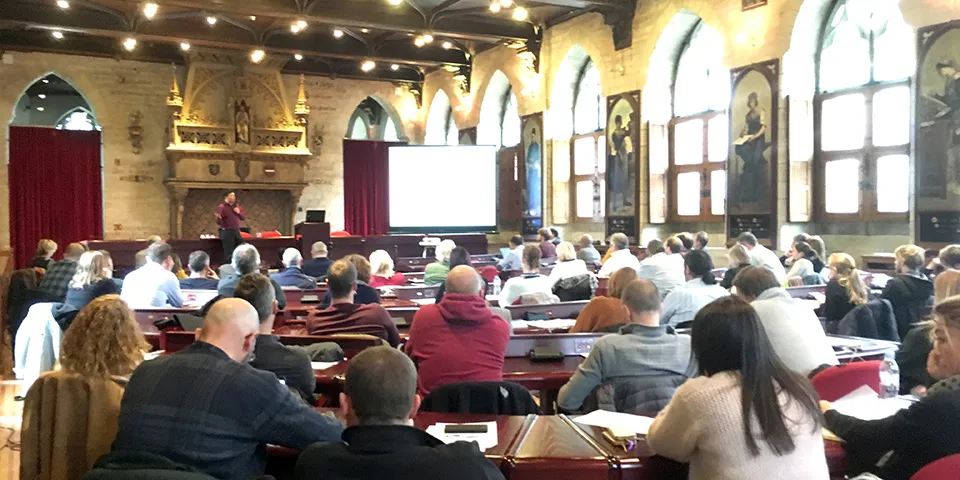
Nico Bergmans, alderman in Scherpenheuvel-Zichem, spoke at the Vlario contact days about asset management in his municipality, focusing on road infrastructure.
Maintenance schedule
Asset management is a fashionable term that has become established in a range of sectors. “And often it comes down to the same thing: finding the optimum balance between three pillars, costs, risks and performance,” says Danny Verhulst. “The aim is to establish a methodology for determining the theoretically optimal timing of interventions (inspection, maintenance, replacement, and so on) and the budgets required for them, across the various components of the sewerage infrastructure. This paves the way for an asset management plan that also takes condition monitoring and the regulatory framework into account, allowing interventions to be better coordinated and unnecessary costs to be avoided. The result is a maintenance schedule that can look up to 25 years ahead. That may seem a long way off, but it is pretty much the only way to budget properly and keep costs affordable.”
Useful for above-ground infrastructure
When Danny Verhulst talks about cooperation, he also has above-ground infrastructure in mind. “Our LATPs can be overlaid on above-ground infrastructure maintenance plans, so that works can be carried out together, which saves money once again,” he says. The message has certainly been taken on board in the municipality of Scherpenheuvel-Zichem. “We want to plan ahead, so we ran a pilot project applying asset management principles to 100 km of our total 300 km of road infrastructure,” says Nico Bergmans, alderman for, among other things, urban planning, public works and utilities.
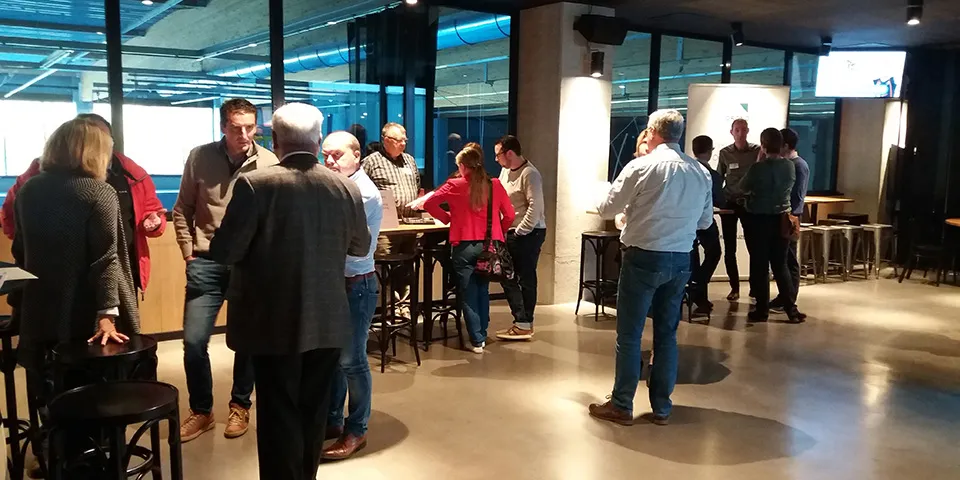
More than 500 participants across the various provinces were brought up to speed on recent technical developments and new regulations at the 2018 Vlario contact days. More information was available at ‘knowledge tables’ during the lunch break.
Analysing defects
Working with Arcadis, the municipality drew up an investment and maintenance programme based on risk assessments and linked to budgeting and multi-year planning. Nico Bergmans says: “A photo was taken every five metres along a third of our roads. A computer programme then analysed the defects. It detected cracks, assessed their size, flagged loose sections, and so on. Each defect was assigned a class according to its severity. Does it stop there? No, we can overlay these plans with other planning schedules. If there is a long-term plan on the table for both roads and sewerage, it should be straightforward to align them.”
Question about this story? Ask your question
Keep following this
Get an email when a new story is published. No account needed.
- ThemeRenewing pipelines and sewers
- SubjectGeneral







