Never wait for falling debris again
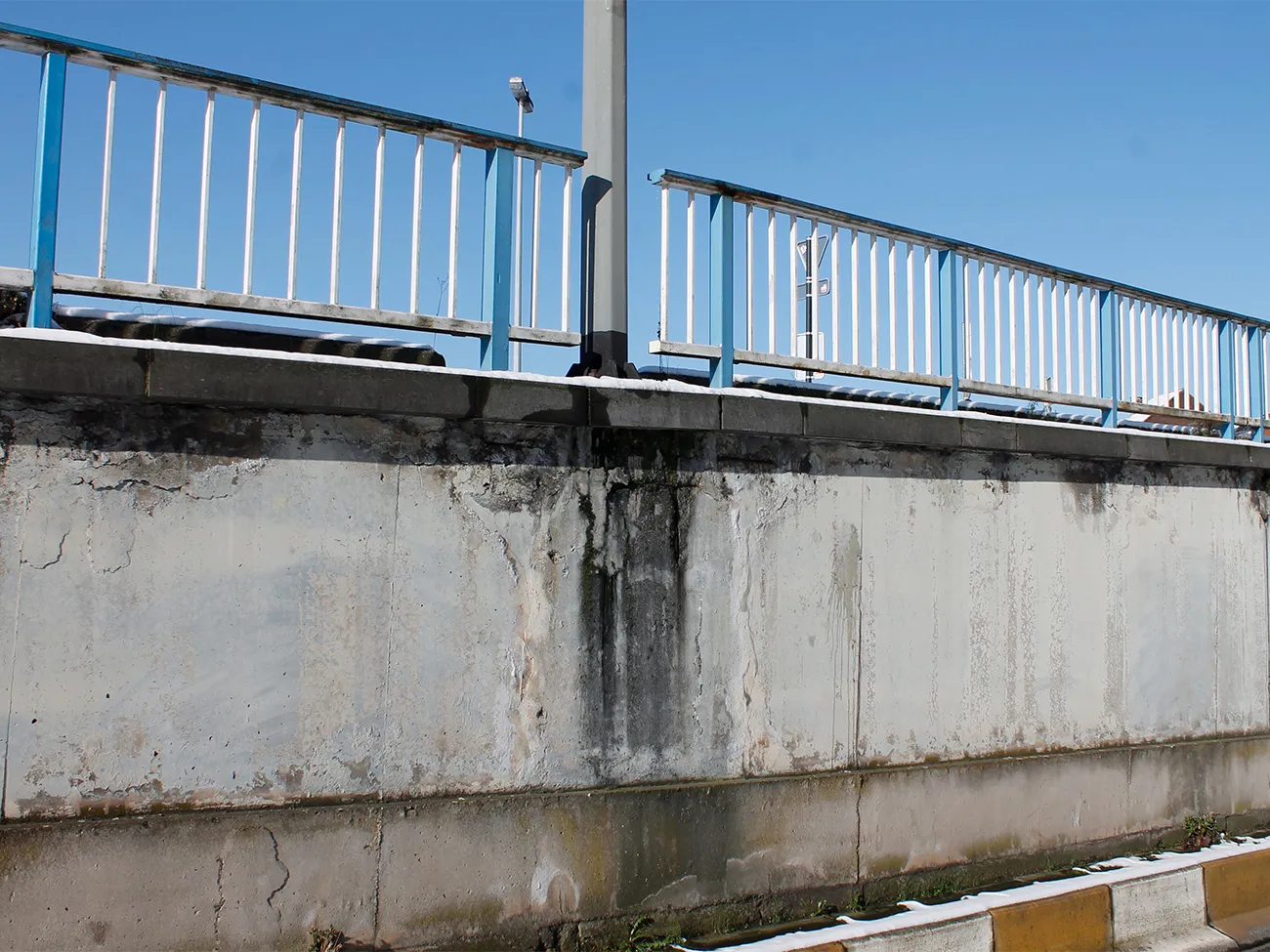
In recent years, newspapers and magazines have reported more than once that tunnels had to be closed because of falling debris. This has led to numerous renovation projects to tackle problems such as concrete cancer at their source. That is certainly a good thing, but it could have been done better. There are two main challenges to overcome. SANACON is keen to lend a hand.
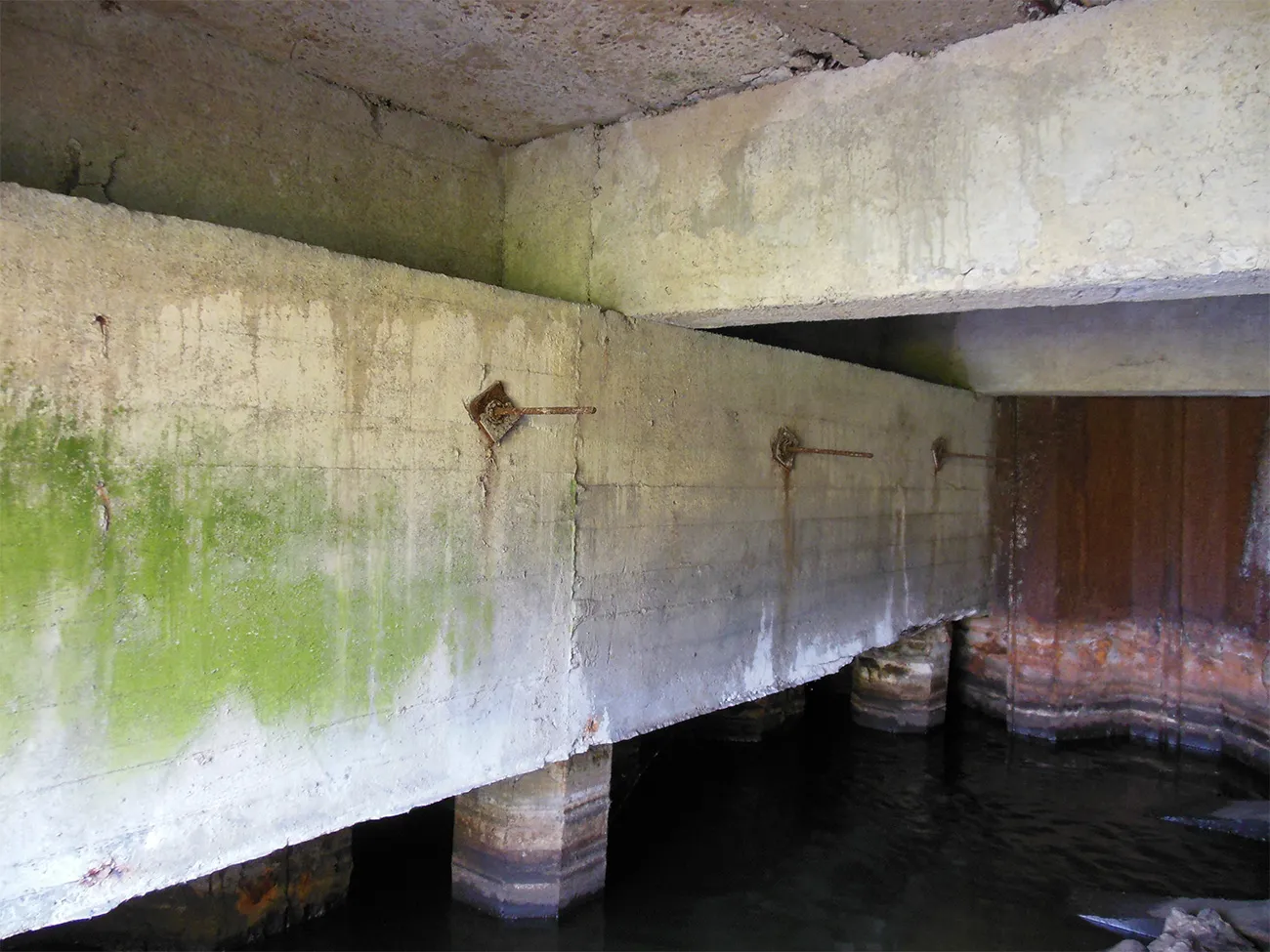
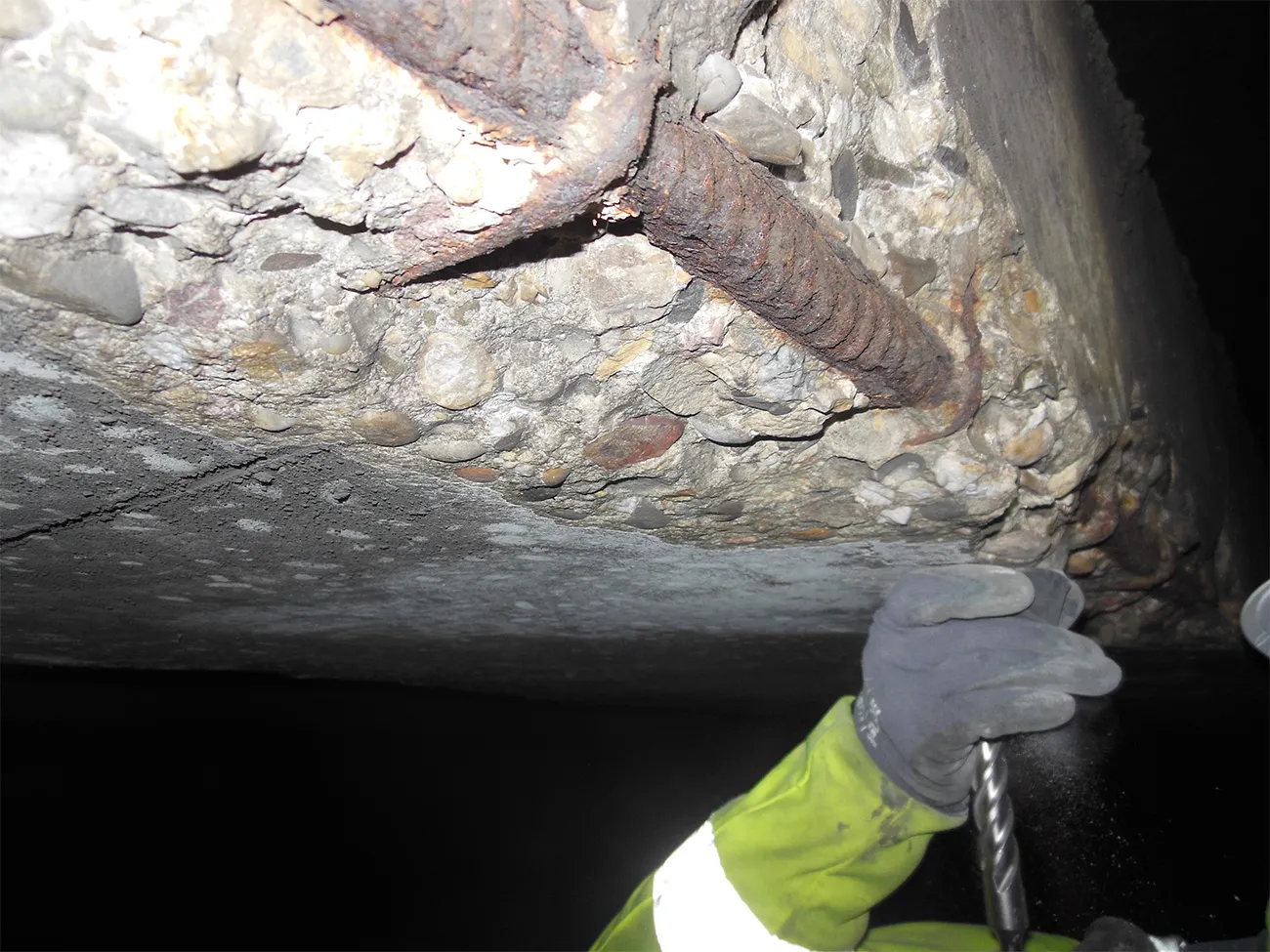
When inspecting and assessing concrete damage caused by reinforcement corrosion, commonly known as concrete cancer, one major problem always emerges first: visible damage to the concrete is just the tip of the iceberg. “It is important to realise that the naked eye cannot tell us the true extent or severity of the concrete damage, or how far the underlying deterioration has progressed. For example, small rust spots on the surface may indicate reinforcement that is completely rusted through once the concrete has been broken away. Experience has taught us that when asset managers only consult us after damage has been identified visually, substantial costs can often no longer be avoided,” explains Dr Tim Soetens, one of Sanacon’s directors.
When visible concrete damage does require extensive concrete repairs, it is often also necessary to estimate the volume of repair work. This can only be done after establishing the severity and cause of the damage, information that is essential when specifying a durable repair method. As noted above, it is vital not to focus solely on the visibly damaged concrete. Even with a ‘trained eye’, however, the amount of concrete repair work is often underestimated. This is because the focus is fixed on what can be seen, without taking account of the reinforcement that is already corroding but is not yet visible at the surface.
DIMCoSt
To address these two problems, SANACON’s engineers have developed a scientifically based calculation tool called DIMCoSt (Durability Information Model for Concrete Structures, see box). Using measurements such as concrete cover, carbonation and chloride ingress, it calculates the probability of failure and residual service life. This is the real added value of a concrete investigation: planning interventions to maximise prevention. No more waiting for the first crack or a piece of concrete to fall.
The first application of this scientifically based approach was to assess risk, define zones for repair and plan maintenance for the roof slab of Brussels’ Annie Cordy-Tunnnel (formerly the Leopold-II tunnel), for CIRCUL 2020, the consortium that includes BESIX and Jan De Nul. The approach was later used on industrial projects, including the shells of cooling towers and concrete silos in the Ghent area.
“Our involvement in these projects accelerated the development of our in-house software tool,” says Mathias Maes, co-director of SANACON. “We needed to process a huge amount of data, such as concrete cover, carbonation depth and chloride measurements, quickly and efficiently. It soon became clear that the tool had much greater potential, so we made further in-house development a priority.”
Objective data and criteria
By linking the probability of failure for each type of element and damage to specific repair methods and costs, DIMCoSt offers a unique way to estimate the cost of maintaining structures or repairing concrete damage more accurately. Whereas estimates were previously based purely on subjective judgement, SANACON now offers an alternative based on objective data and criteria. The tool can even predict when the first visible concrete damage will appear.
“DIMCoSt has now proven itself in practice on numerous occasions. We are also continuing to expand its functionality and improve the user interfaces based on feedback from our staff,” says ir. Annelies De Wit, who is responsible for the tool’s further development at SANACON. “With in-house support, we can respond quickly, making it possible to develop solutions tailored to specific clients or structures.”
Een zakelijke vraag aan Sanacon bv? Get in touch
Companies in this story
Keep following this
Get an email when a new story is published. No account needed.
- ThemeExtending the life of bridges and tunnels
- SubjectBridges & tunnels
- CompanySanacon bv