Multidisciplinary support for safer, more modern road tunnels
Text Niels Rouvrois Beeld Sweco / Faye Pynaert
Commissioned by the Agency for Roads and Traffic (AWV), engineering and architecture firm Sweco is currently helping to develop the Flemish Tunnel Guideline for asset management and the automation of control and operating systems in our road tunnels. It is a highly complex puzzle that makes full use of Sweco’s multidisciplinary expertise. “Every single division within Sweco is involved in this project, which is quite remarkable,” says Carl Verelst, business development manager at Sweco.
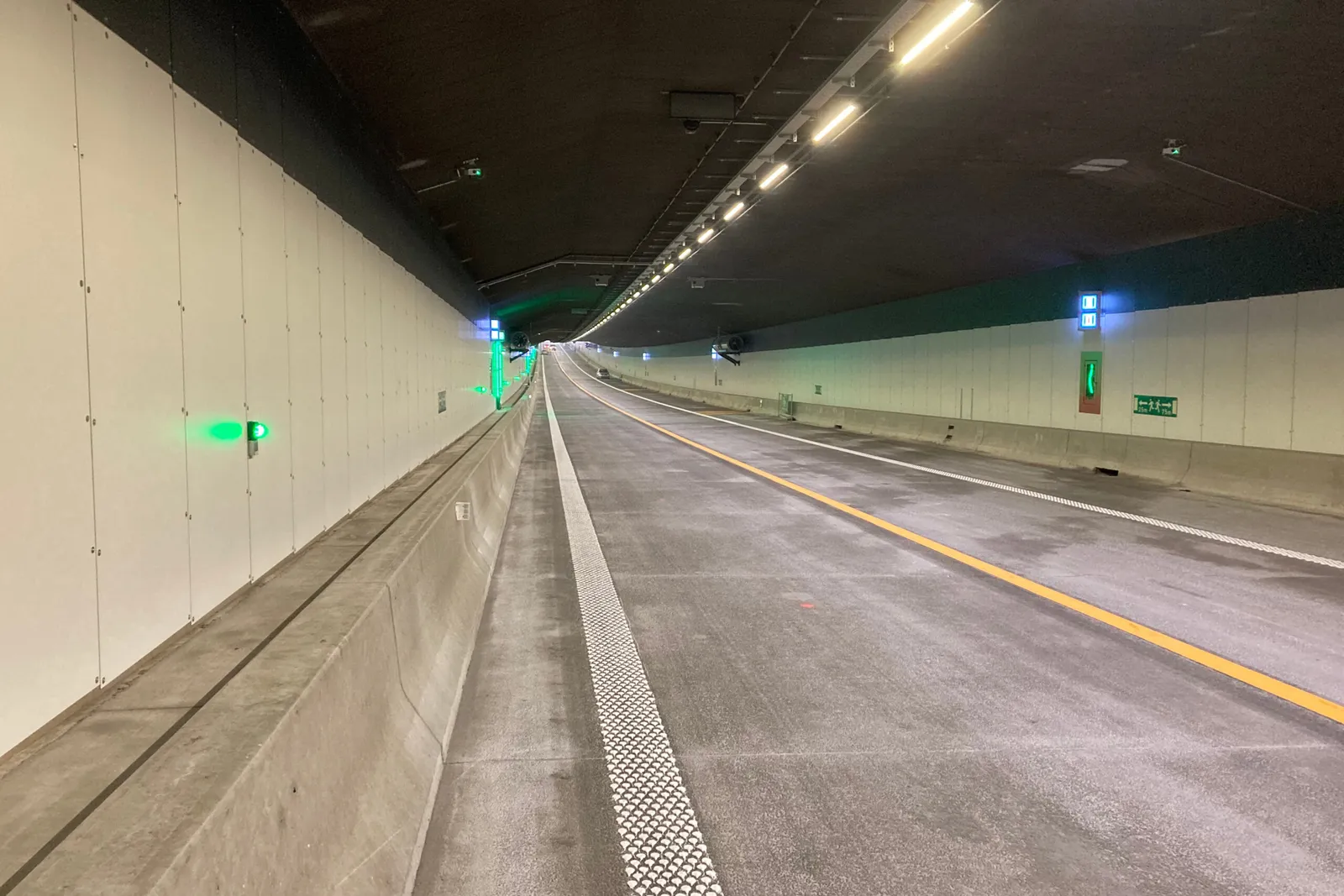
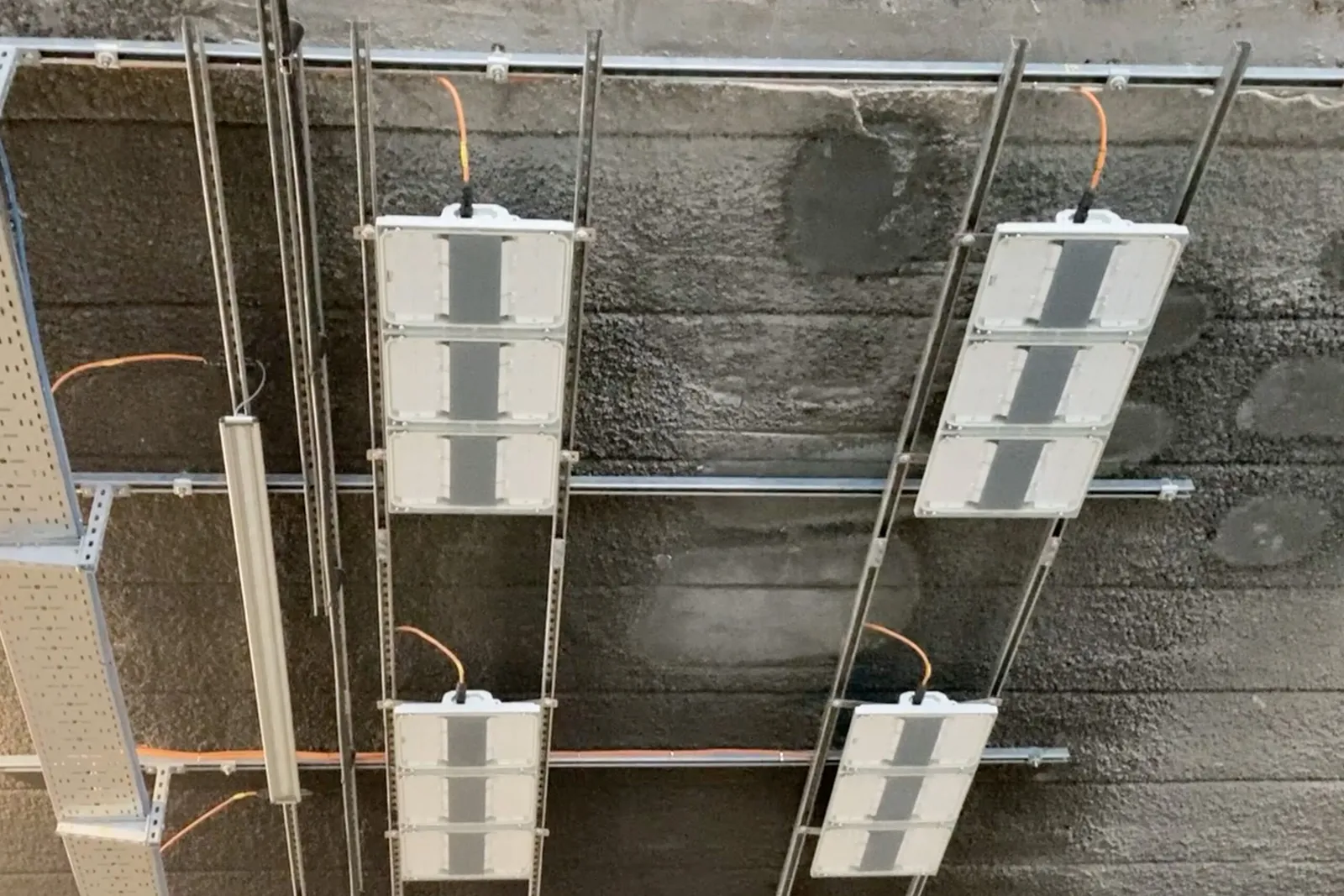
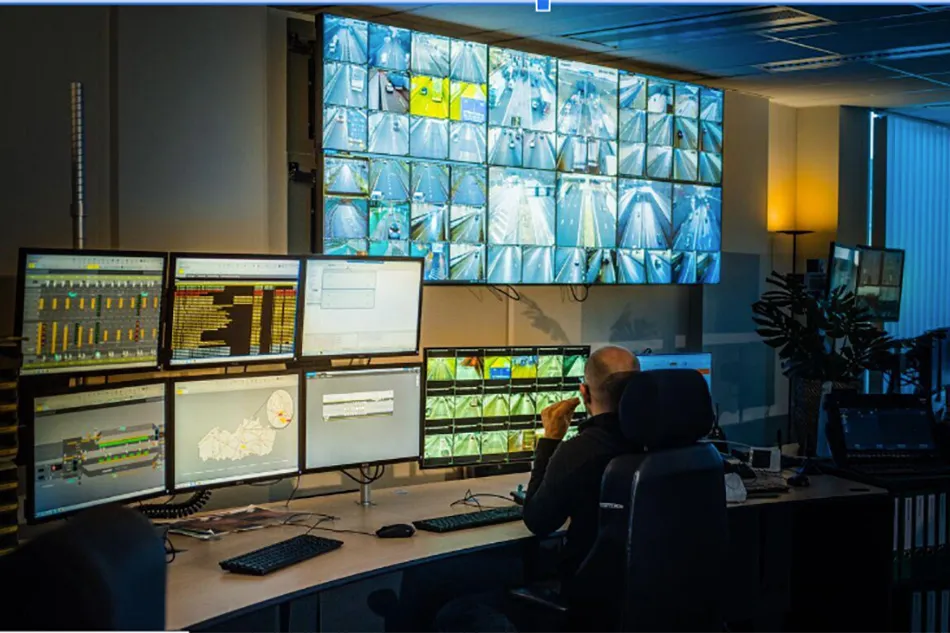
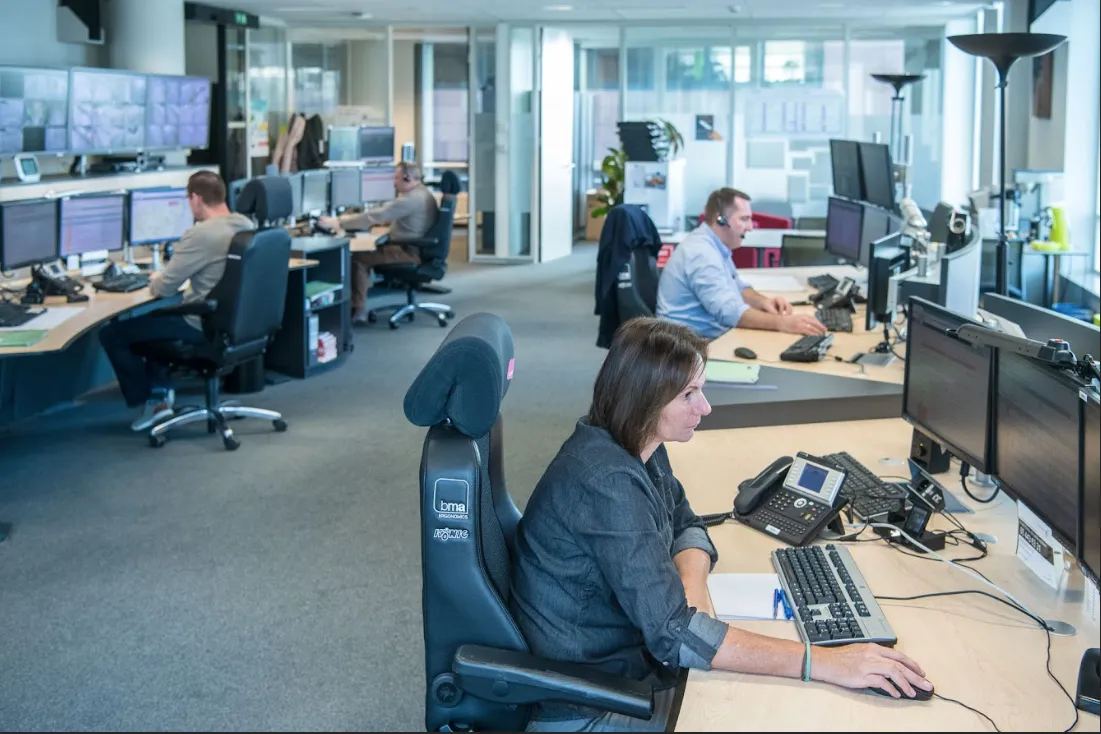
Modern road tunnels contain numerous safety systems to detect hazardous situations such as fires, collisions and air pollution, and to control safety systems. The tunnel automation system is at the heart of tunnel safety: the so-called C800 system processes signals from sensors and controls tunnel installations such as lighting, ventilation, fire-fighting water and evacuation guidance. The aim is to provide operators at the Flemish Traffic Centre with maximum support in managing traffic incidents and emergencies in tunnels, through extensive automation and decision-support software such as AI cameras for automatic incident detection.


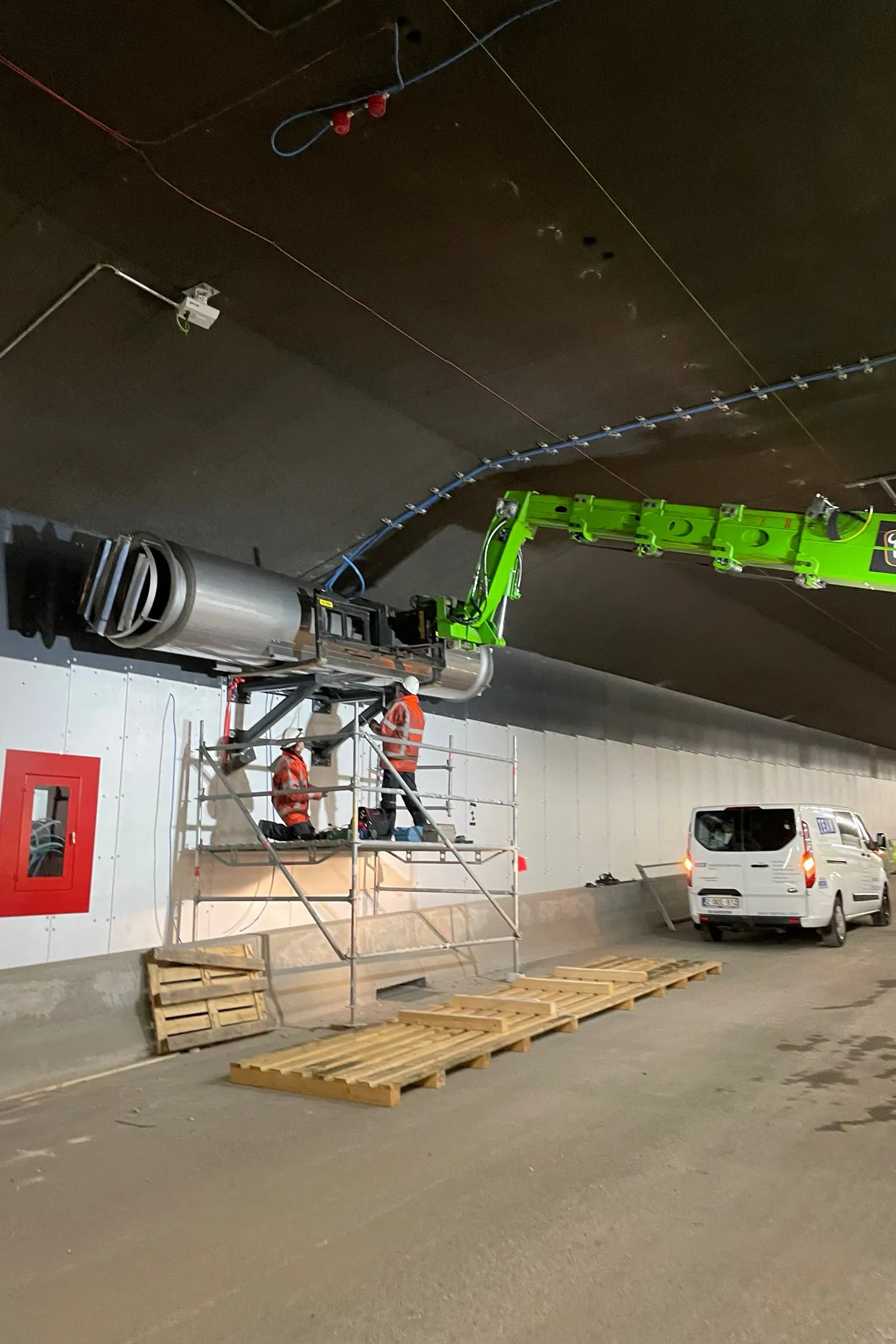
Sweco is supporting AWV in drawing up the C800 guideline. “Working as a multidisciplinary team, we are collaborating with AWV on the technical design of full and partial tunnel refurbishments,” says Stefaan Vernieuwe, project manager, TunnelSafety at Sweco. “This covers civil engineering, road infrastructure, the many tunnel systems required for tunnel safety, as well as remote monitoring and automation. As part of AWV’s Flemish tunnel organisation, we are helping to develop the Flemish Tunnel Guideline and the asset management organisation, expand the traffic centre, and deliver multidisciplinary courses, training and exercises with, among others, the emergency services.”
The operational readiness of tunnel systems is also monitored continuously by the Flemish Traffic Centre, and facilities are in place to allow the systems to self-test. Frequently occurring situations can be automated using group commands, enabling operators to respond more quickly. Directive 2004/54/EC sets the minimum safety requirements for tunnels on the trans-European road network. AWV has carried out risk analyses and classified tunnels on the basis of tunnel length, traffic volume and traffic type, in accordance with this standard. The classification in turn determines the standard equipment required for each tunnel.
Carl Verelst: “Systems are constantly evolving, of course, and reliability needs to be very high so that the Flemish Traffic Centre is not overloaded with false alarms. The new AID cameras, for instance, use AI to generate reliable alerts in the event of lost loads, slow-moving traffic, pile-ups or fires. The central control system also has a new feature: until now, operators had to follow a manual procedure when an alarm was triggered. Automating alarm handling will allow operators to respond more quickly and have more time for other tasks, such as contacting the emergency services.”
Diversity of systems
The challenge for Sweco lies in the diversity of systems in the tunnels and the fact that these tunnel systems were built 50 years ago. Stefaan Vernieuwe: “A tunnel is essentially a large system comprising a whole range of interconnected technologies, from lighting and ventilation to fire detection, cameras and fire-fighting water. These systems must work flawlessly 24/7 to ensure tunnel safety. Most are connected to the traffic centre. If safety systems fail, tunnels may have to close. Reliability requirements are therefore very high. These are also low-demand systems, but they must work when an emergency occurs. The requirements for material selection, architecture, testing and maintenance are consequently demanding. A particular challenge is that we are also working on installations that are operational.”
Tunnel safety systems are not immune to innovation in a rapidly changing world. How do you develop a system that will stand the test of time? Stefaan Vernieuwe: “A tunnel must last at least 100 years. Technical systems have an expected service life of 15 to 20 years. The automation system can last up to 30 years, as long as spare parts are available. Choosing the right solutions is therefore a challenge. Interfaces need to be defined in such a way that a subsystem can be replaced without compromising the overall operation. ¢ It is also crucial to choose systems that are highly reliable, require little maintenance and are supported by the supplier over the long term. If standards change, which is beyond your control, you obviously need to assess whether this affects the existing tunnel safety system.”
Specific considerations
The Flemish Tunnel Guideline provides general guidance, but every tunnel has its own specific considerations. Stefaan Vernieuwe: “You need to take the surroundings into account. Measures to extend the safe service life of the structure differ from one tunnel to another, and depend above all on the original construction method and the tunnel’s physical context. The use of tunnels for ADR transport (the transport of dangerous goods, ed.) is also important. ADR transport is more likely to result in a fire with a high fire load. The tunnel system must be designed to cope with this.”
Sweco’s key strengths in this project are its multidisciplinary team, project management experience and available resources. “This enables us to provide the necessary experts across all disciplines, from civil engineering and geology to the environment, traffic, architecture, evacuation, tunnel systems, cost management and safety. Every single division within Sweco is involved in this project, which is quite remarkable,” concludes Carl Verelst.
Question about this story? Ask your question
Keep following this
Get an email when a new story is published. No account needed.
- ThemeExtending the life of bridges and tunnels
- SubjectBridges & tunnels