Four bridges in and around Aalst successfully prepared for remote control
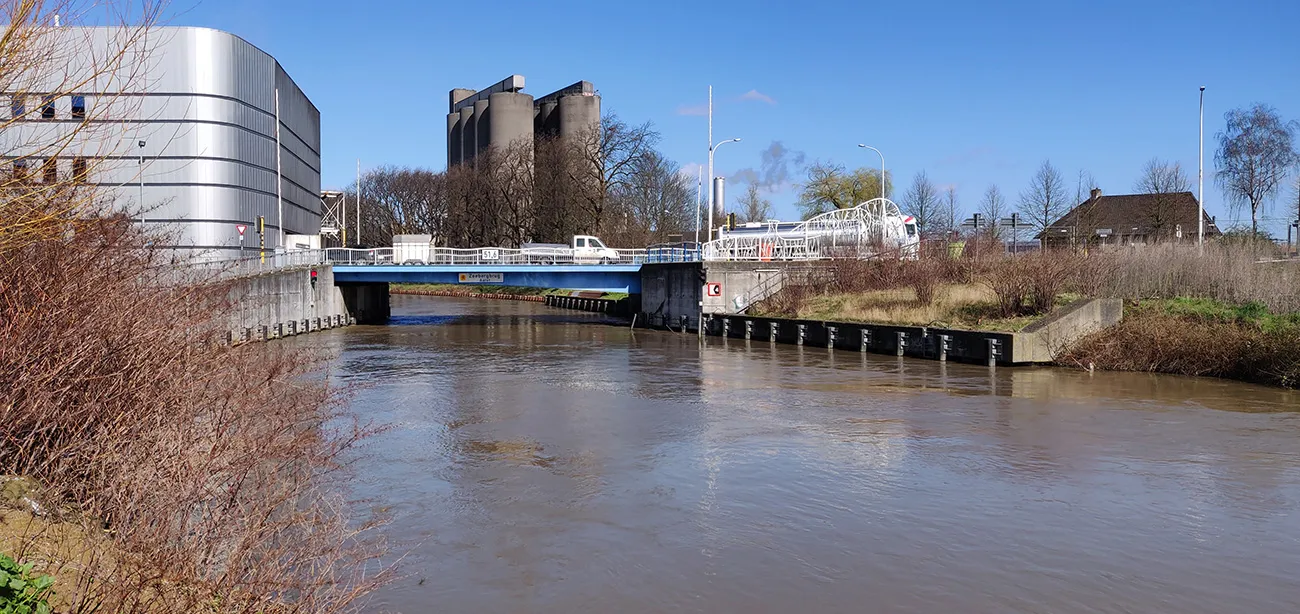
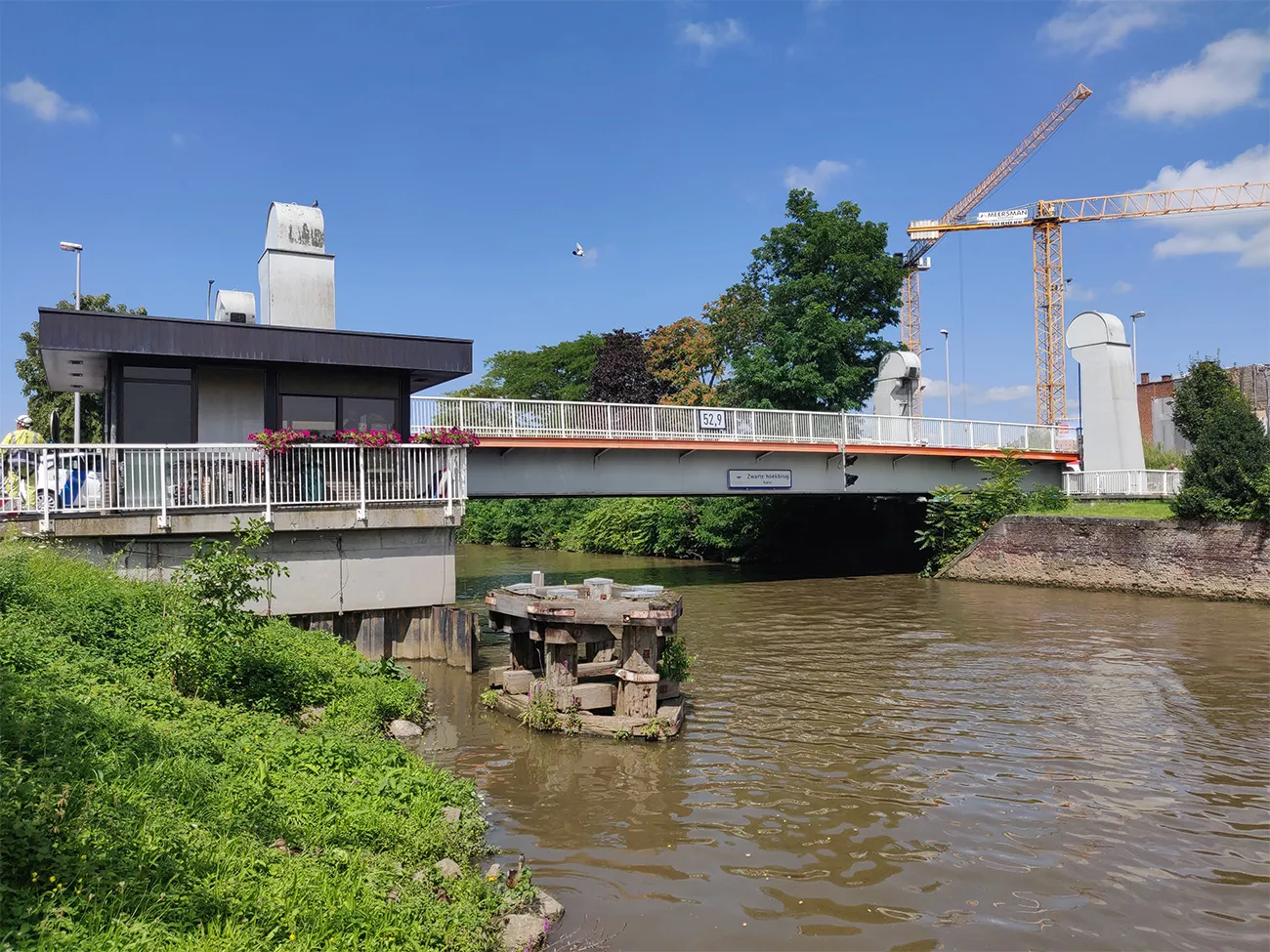
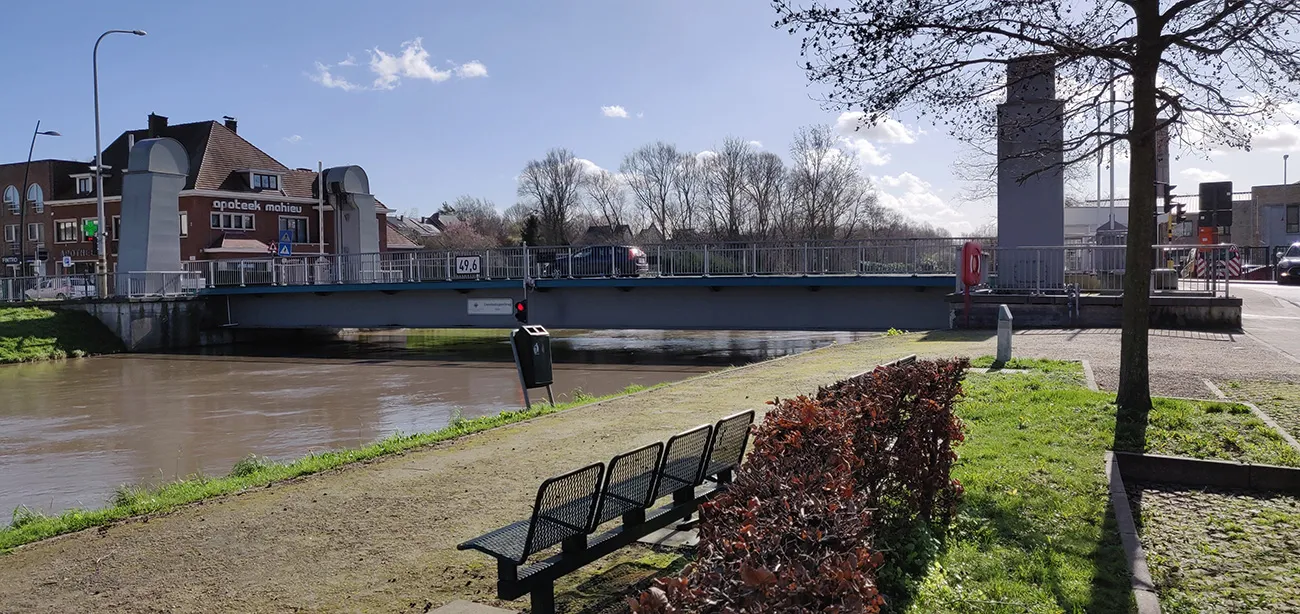
SPIE Belgium carried out works on 4 bridges in and around Aalst on behalf of De Vlaamse Waterweg. SPIE prepared the Sint-Annabrug, Zwarte Hoekbrug, Zeebergbrug and Erembodegembrug for connection to the remote control system, enabling them to be operated remotely. “Analysing movable structures and carrying out their safety calculations is our area of expertise,” says Thomas Meskens, senior project manager at SPIE.
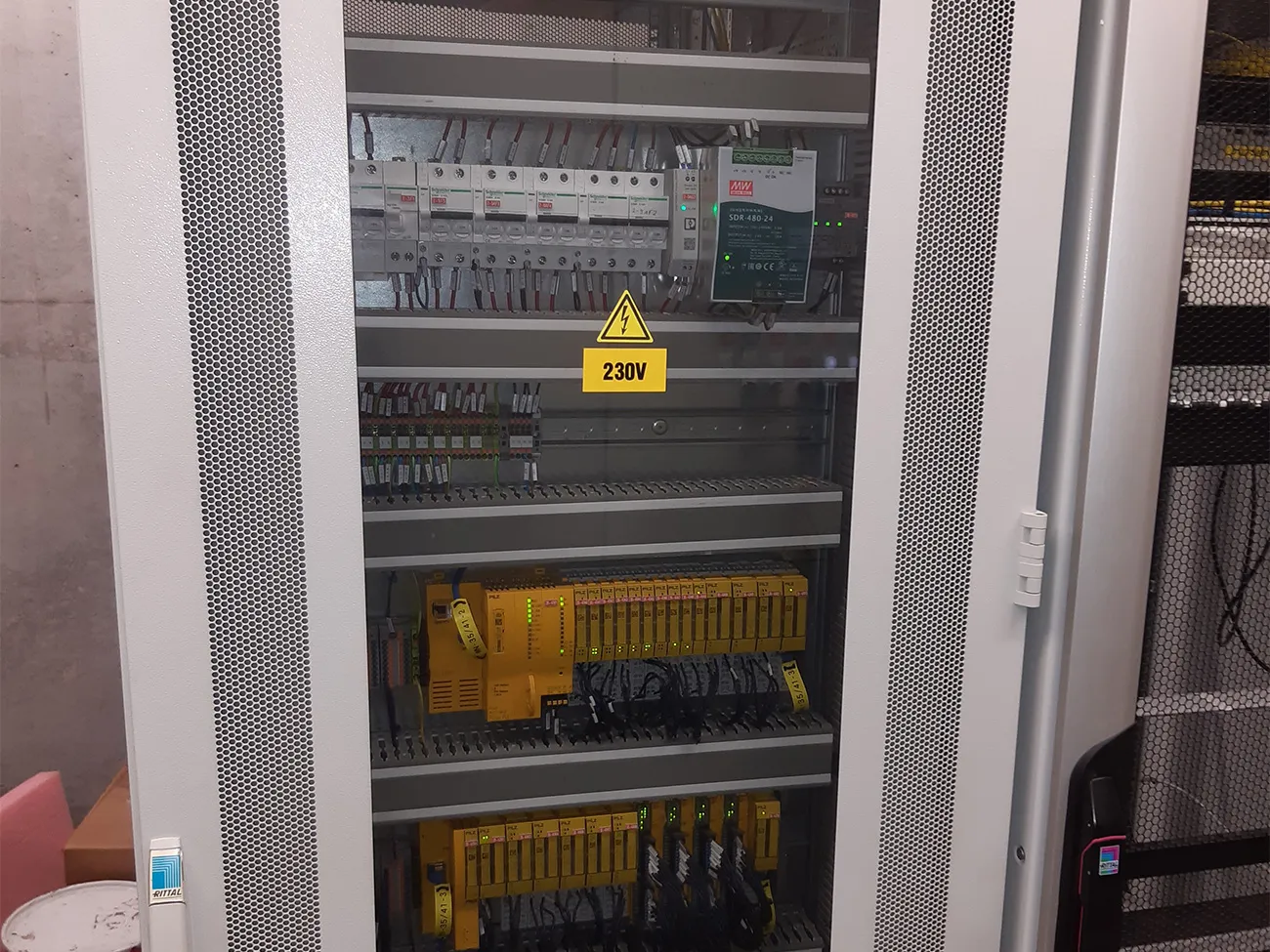
A complete automation system was provided for the 4 bridges, enabling them to be operated remotely from a central location. The Sint-Annabrug and Zwarte Hoekbrug also received entirely new electrical installations. In addition, the low-voltage cabinets at the Zwarte Hoekbrug and Erembodegembrug were replaced. The bridges were closed to all traffic during the works, but not at the same time. “These works are part of a wider plan to operate several waterway corridors from a single location. This means that many bridges and locks need to be adapted and automated to ensure communication with the control centre,” says Jolien Daeninck, project engineer at De Vlaamse Waterweg.
SPIE was responsible for preparing the four bridges for connection to the remote control system. Thomas Meskens: “Whereas staff used to operate these bridges locally, they can now be operated fully safely from a distance. At the request of De Vlaamse Waterweg, SPIE prepared the four bridges for connection and installed a new automation system for each one. The specification sets out how the client wants to ‘communicate’ with the bridge. Our first task is to carry out a functional analysis. To do this, we visit each bridge on site. Based on that analysis, we develop a new automation programme.”
Going a step further
When analysing bridges, SPIE likes to go that extra step further. “The Machinery Directive sets out various standards that we must comply with, and our aim is always to deliver the safest possible structure,” says Thomas Meskens. “The risk analysis identifies a number of safety functions, which are then listed and discussed with the client. In the end, we implemented more safety functions than originally specified, which is certainly an added benefit. This means we are making the bridges even safer. The contract was not limited to installing the electrical controls and automation system. We also added hydraulic components to optimise the system as a whole. By going that extra step, we aim to set ourselves apart from the competition.”
A project like this brings SPIE’s strengths to the fore. Thomas Meskens: “Analysing movable structures and carrying out their safety calculations is certainly one of SPIE’s specialisms. Thanks to our knowledge and experience, we can deliver compliant, as-safe-as-possible installations to the client, who can then confidently operate the structure remotely. SPIE has worked regularly for De Vlaamse Waterweg in the past, and that focus has grown again in recent years. We already had the expertise in-house and, with a young team backed by a highly experienced automation specialist, we are now well equipped to take on projects like this. We also continue to learn every day and keep up to date. For example, our automation engineer and project engineer completed training to become Safety Engineers.”
Good preparation
Good preparation is often half the battle, and that was certainly the case with this project. Thomas Meskens: “It was essential to keep the conversion period short to minimise disruption for local residents and road and waterway traffic, particularly at the busy Zeebergbrug. A week was allocated for each bridge, but we managed to complete the work ahead of schedule each time. Thorough preparation enabled us to minimise traffic disruption. In short, our approach can be summarised in the following steps: a study and design phase, with a high-quality dossier for the client; purchasing the necessary materials; detailed preparation; and flawless execution with the shortest possible interruption.
In addition to the 4 bridges in Aalst, SPIE Belgium has other contracts under way for De Vlaamse Waterweg. “These include the electromechanical renovation of the B4 Zwijnaarde-Merelbeke weir, some minor additional safety measures at the Scaldissluis, and preparing the Evergemsluis for connection to the remote control system to enable safe remote operation. We also have maintenance contracts with De Vlaamse Waterweg covering all structures in East and West Flanders,” says Thomas Meskens. De Vlaamse Waterweg is also pleased with the collaboration. “It went very smoothly. The work was completed to a high standard and according to schedule. The last bridge was commissioned during the Easter holidays, and so far everything is working perfectly,” concludes Jolien Daeninck.
Question about this story? Ask your question
Keep following this
Get an email when a new story is published. No account needed.
- ThemeExtending the life of bridges and tunnels
- SubjectBridges & tunnels