Flemish government launches large-scale public-private partnership to replace ageing bridges
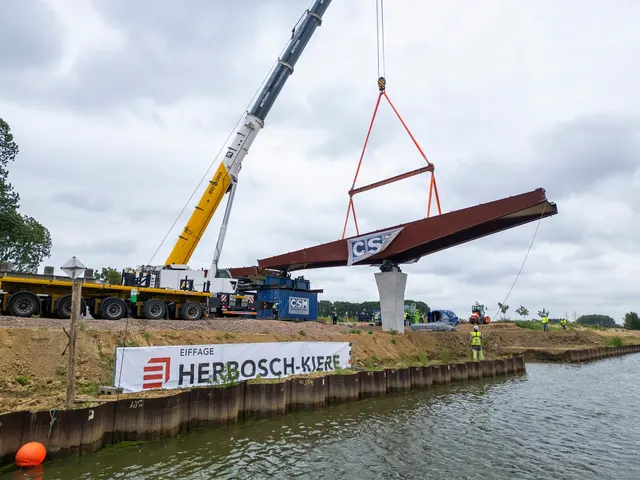
At the initiative of Flemish Minister for Mobility and Public Works Lydia Peeters, the Flemish government is stepping up efforts to tackle ageing bridges. In the first phase, around 50 fixed bridges across Flanders will be replaced by 2030 through extensive public-private partnerships. The Flemish government is launching a market consultation to present its approach to the sector before starting the procurement procedure next year to appoint a DBFM contractor.
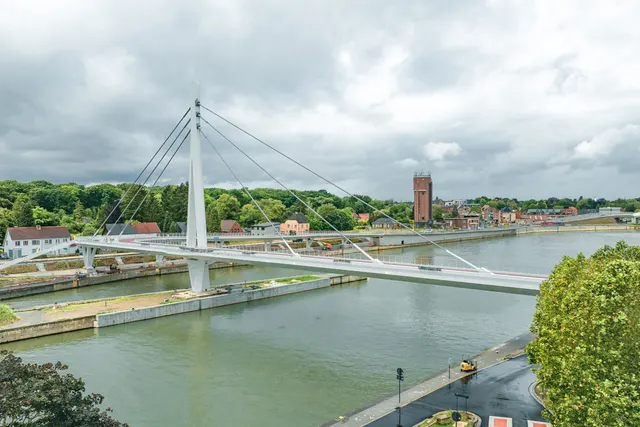
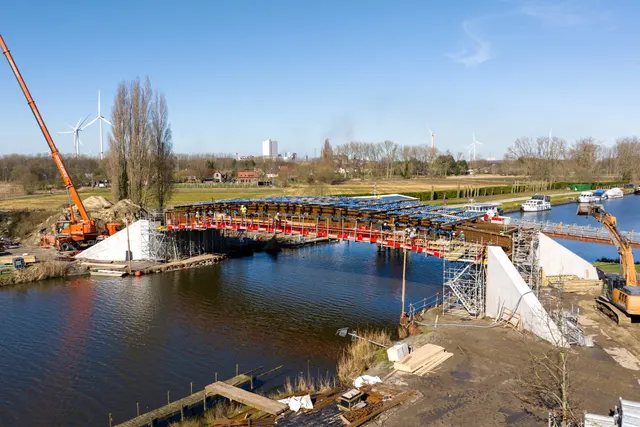
Flanders has around 200 bridges in poor condition. The Flemish government aims to improve their condition by 2030. About half can be repaired or renovated; the remaining bridges will need to be completely renewed or replaced. A large-scale public-private partnership (PPP) is now being rolled out for the latter, complementing the existing approach to bridges on the List of Priority Structures (LPK). Alongside this PPP programme for around 50 fixed bridges, the Flemish government will also establish a similar partnership with the private sector to replace around 30 movable bridges.
Flemish Minister for Mobility and Public Works Lydia Peeters: “This legislative term, we are investing no less than 1.6 billion euros in the renovation and renewal of our infrastructure. This PPP will enable us to step up efforts to tackle the maintenance backlog in our infrastructure. We are drawing on the market’s know-how and innovation to accelerate work on crucial bridges over roads and waterways.”
How does a PPP work?
Unlike a conventional public tender, in which the government designs and specifies everything, a public-private partnership brings together the public and private sectors to deliver a successful outcome. The contractor is responsible for the design, construction, financing and maintenance. This type of PPP is known as DBFM, which stands for Design, Build, Finance & Maintain. Involving the contractor at a very early stage of the project can offer several benefits.
During the concept development stage, it may be possible to take certain constraints into account from the outset, allowing the work to be carried out more quickly or with less disruption to the surrounding area. This form of collaboration also gives contractors an added incentive to pursue high quality in the design and construction, since they will be responsible for maintenance over an extended period.
Not new
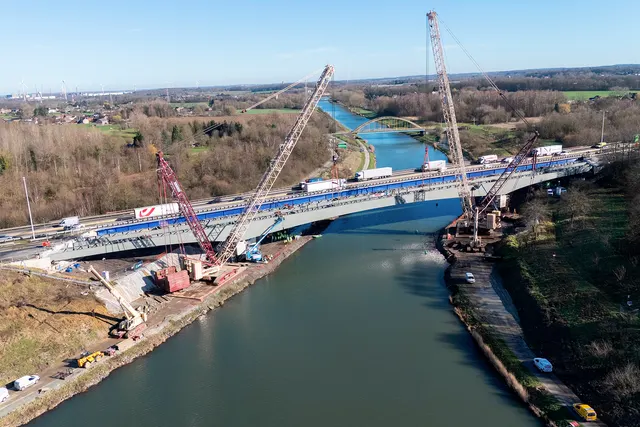
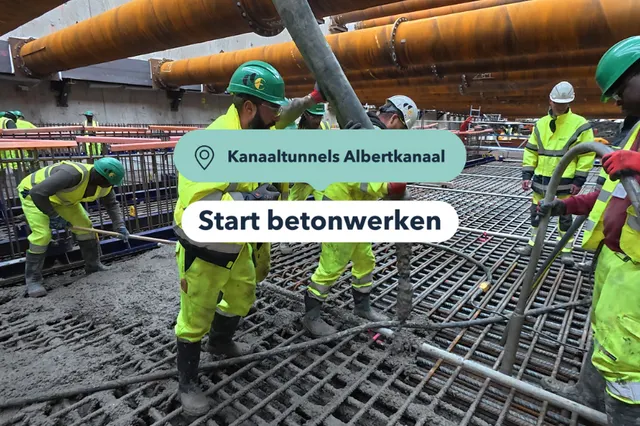
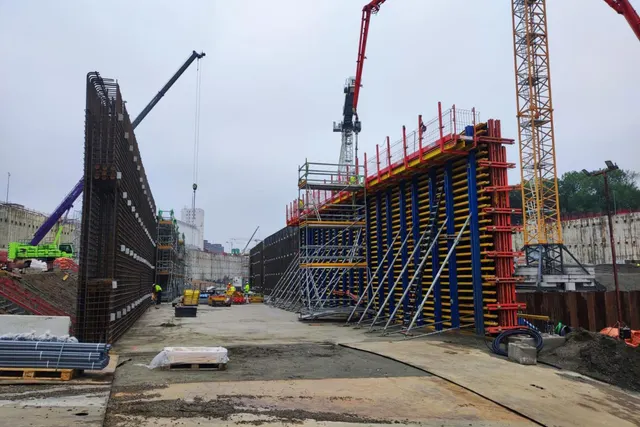
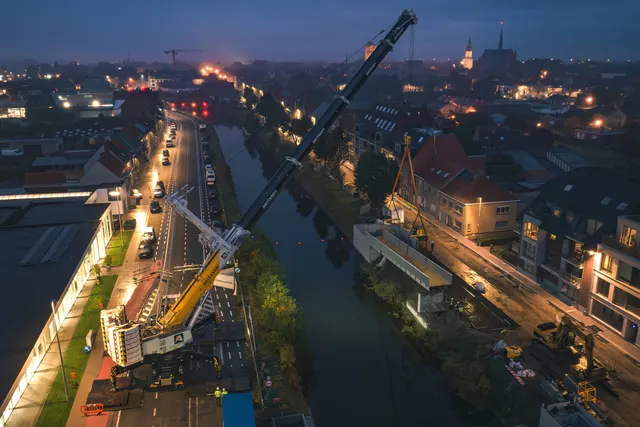
Public-private partnerships for infrastructure renewal are not new, as demonstrated by the construction of the A11 in Bruges and the raising of the bridges over the Albert Canal. However, this is the first public-private partnership in Flanders specifically aimed at tackling the maintenance backlog. It is also the first PPP to cover such a large geographical area. In the first phase, around 50 fixed bridges will be renewed, at an estimated construction cost of 300 million euros. The bridges are spread across Flanders and are managed by the Agentschap Wegen en Verkeer (AWV) and De Vlaamse Waterweg nv.
In addition to the bridges in poor condition being addressed through the PPP, there is also the List of Priority Structures (LPK). These bridges are in very poor condition and, given the urgent need to address them in the coming years, will be repaired, renovated or renewed through conventional procurement.
Co-operation within the Flemish government
The PPP for Structures is co-ordinated by the Department of Mobility and Public Works, in collaboration with the Agentschap Wegen en Verkeer and De Vlaamse Waterweg nv. The available budget of 300 million euros will be used to renew as many bridges as possible. The Department of Mobility and Public Works is currently conducting a market consultation to present its approach to the sector before starting the procurement procedure next year to appoint a PPP contractor. A preliminary dossier is now being prepared for each bridge, to coordinate with all stakeholders and provide the basis for the public-private partnership. The contract award will be submitted to the Flemish Government for approval during this legislative term.
Question about this story? Ask your question
Keep following this
Get an email when a new story is published. No account needed.
- ThemeExtending the life of bridges and tunnels
- SubjectBridges & tunnels