









Sector backs Flemish Government’s future plan
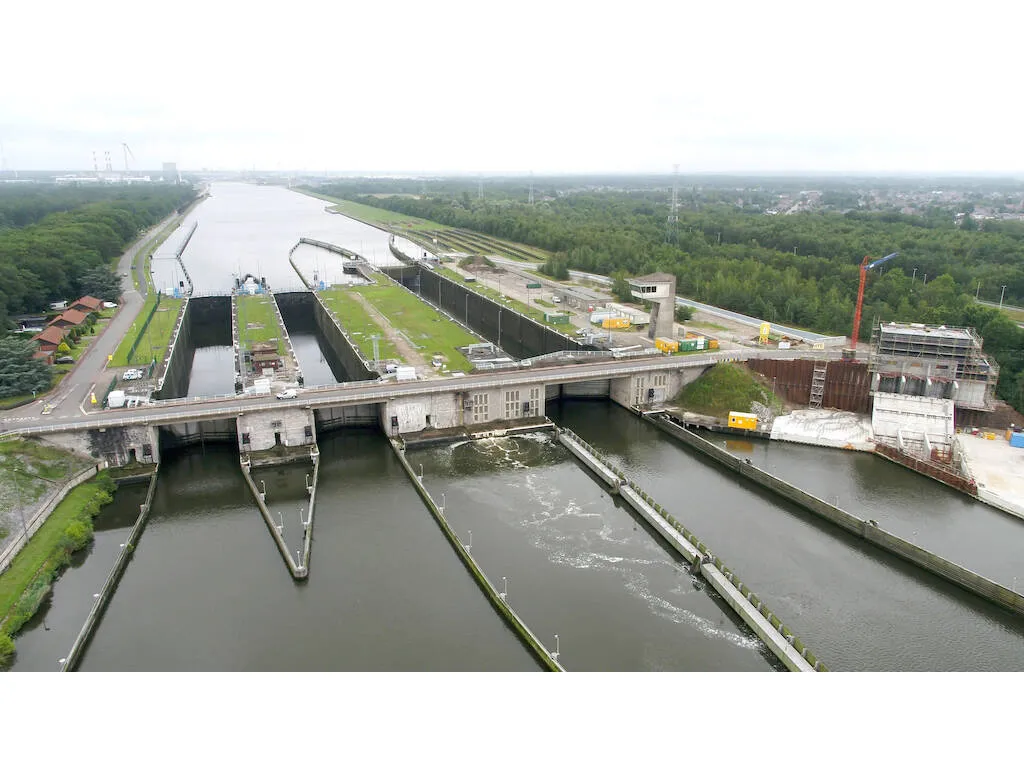
Flemish Minister for Mobility and Public Works Lydia Peeters recently announced plans to develop ‘what-if scenarios’ for extreme flooding. Tackling the historic backlog of water management projects in the short term is also a key priority. De Vlaamse Waterbouwers, the sector organisation for consulting and engineering firms ORI, and the Flemish Construction Confederation (VCB) are joining forces and fully supporting this initiative. They are offering their specialised expertise to help strengthen both the plans and their implementation. This is urgently needed, as Flanders, like Wallonia in mid-July, could face heavy rainfall and serious consequences.
Multidisciplinary advice
Flemish Minister Peeters will bring together an (international) multidisciplinary panel to define water safety and provide advice. De Vlaamse Waterbouwers, ORI and VCB are keen to make their specific expertise in construction and hydraulic engineering available. This is part of Minister Peeters’ plans to ensure our region is optimally prepared for extreme rainfall such as that which battered Wallonia in mid-July and, to a lesser extent, affected eastern Flanders. She is planning not only impact analyses and simulations to identify where additional investment is urgently needed, including in water infrastructure, but is also fast-tracking water management projects that have been in the pipeline for some time. The cost of these works is currently estimated at 1.3 billion euros. They include the implementation of the Sigmaplan.
Protecting existing residential areas According to the Flemish Environment Agency, more than 32,000 ha of land zoned for development lies in flood-prone areas. This is almost 12% of the total flood-sensitive area in Flanders, estimated at around 277,000 ha. This land is predominantly occupied by existing buildings, workplaces and roads. Many town centres and settlements, or parts of them, lie in flood-sensitive zones. The province of Flemish Brabant recently indicated that more than a quarter of its residents live in an area at increased risk of flooding. Since a ‘water bomb’ like the one in the province of Liège could also have dramatic consequences in Flanders, we must prepare carefully, thoroughly and without delay. A wake-up call.
Question about this story? Ask your question
Keep following this
Get an email when a new story is published. No account needed.
- SubjectHydraulic engineering







