Flood protection that respects agriculture and nature
Text Joris Hendrickx Beeld Herbosch-Kiere
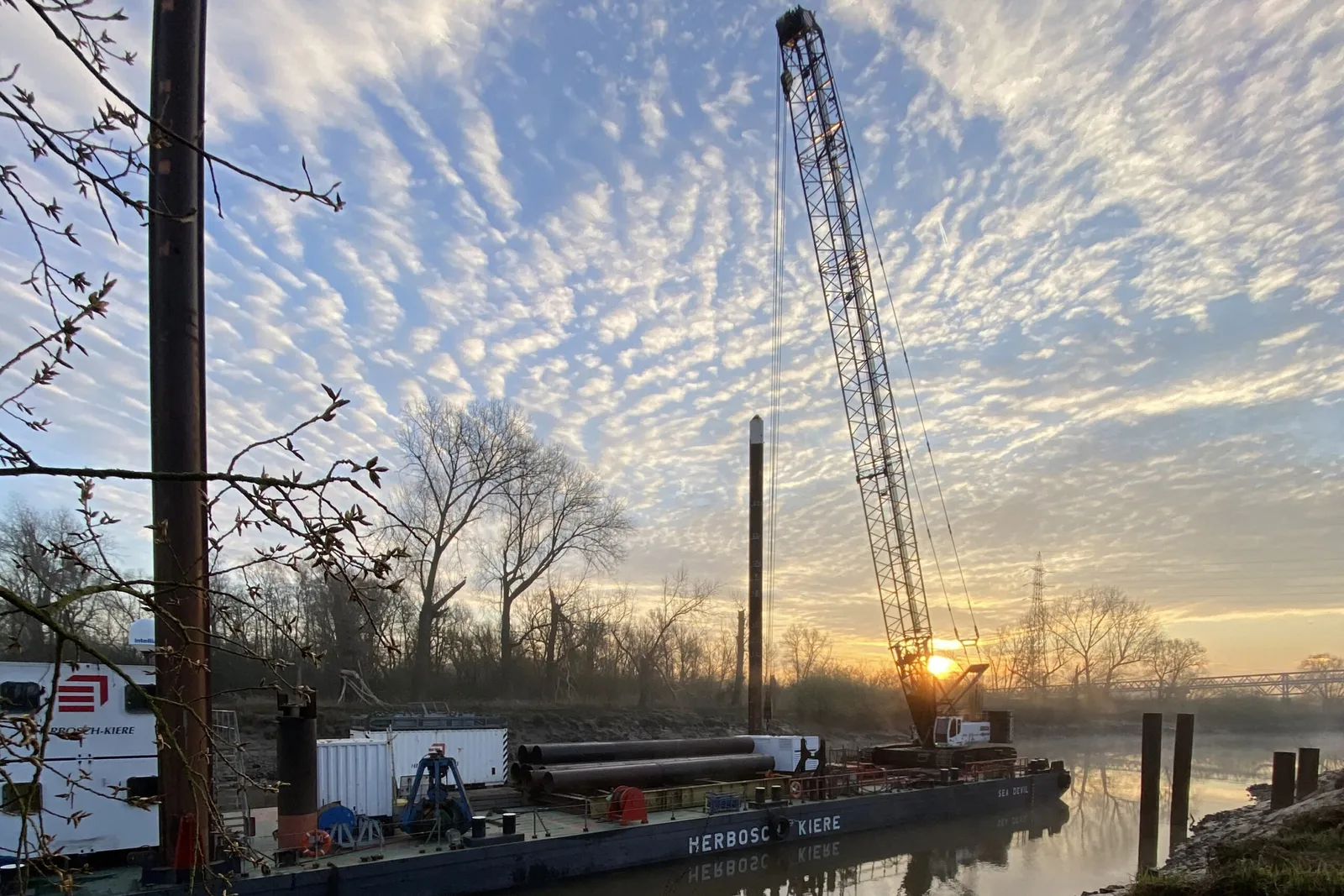
At the mouth of the Dijle, in the Heindonk polder (Willebroek), Herbosch-Kiere is working as main contractor on the Tien Vierendelen controlled flood area (GOG). It is one of four sub-projects under the Sigmaplan involving the company. The new infrastructure is designed to protect the region from extreme storm tides without disrupting existing agricultural activity.
“Tien Vierendelen will only be flooded if the capacity of the other nearby areas, Bovenzanden, Zennegat and Grote Vijver Noord, is exceeded,” explains project manager Hans Busschots. “As flooding here will be rare, farmers will be able to continue working the land. This is how we combine protection with economic land use, recreation and nature conservation.”
A 1,600-metre dyke and 200,000 m³ of imported soil
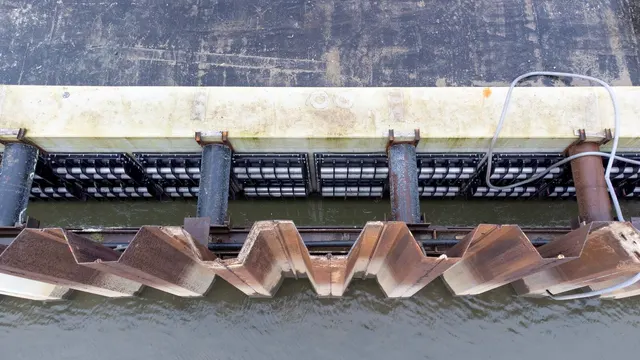
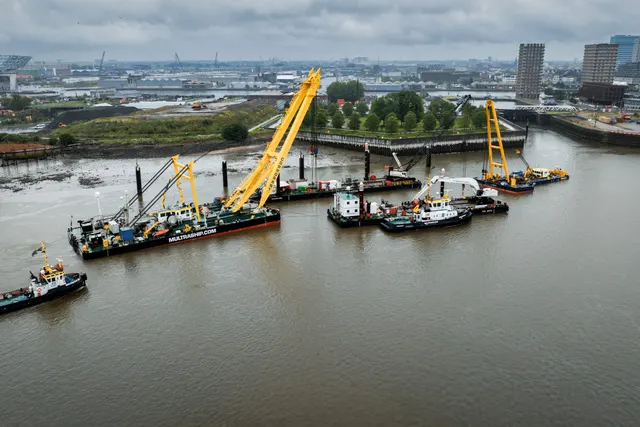
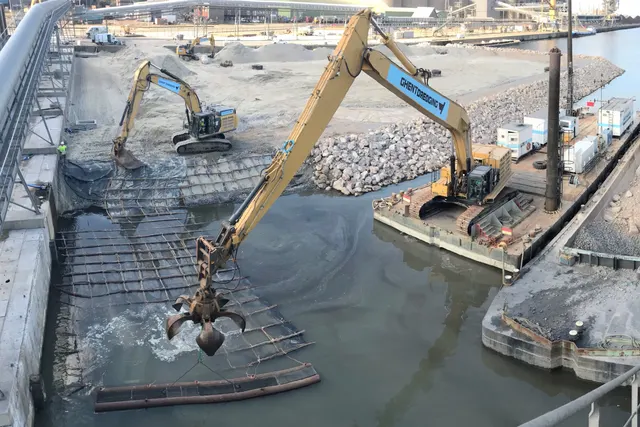
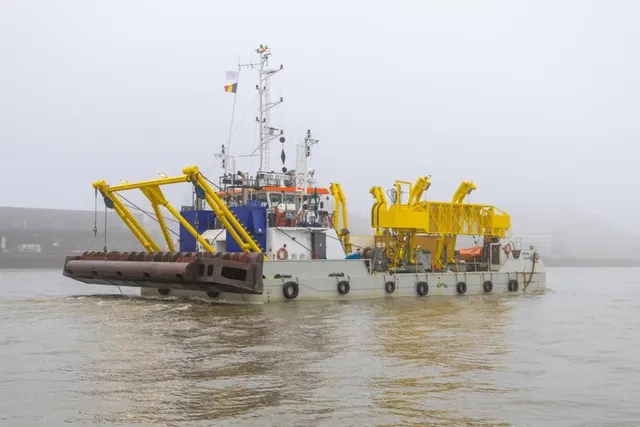
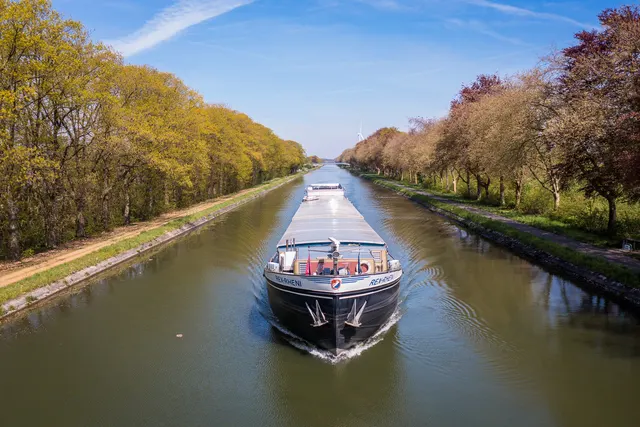
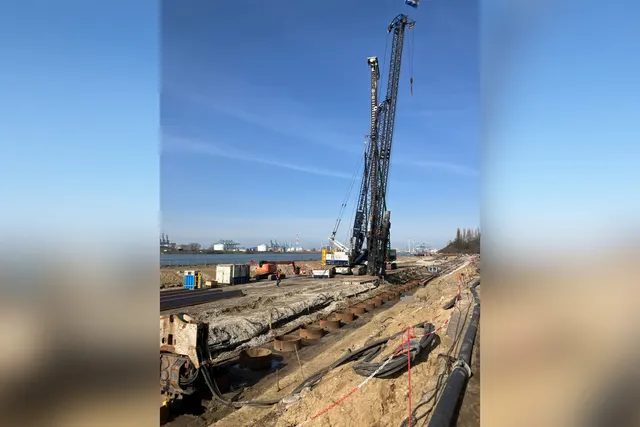
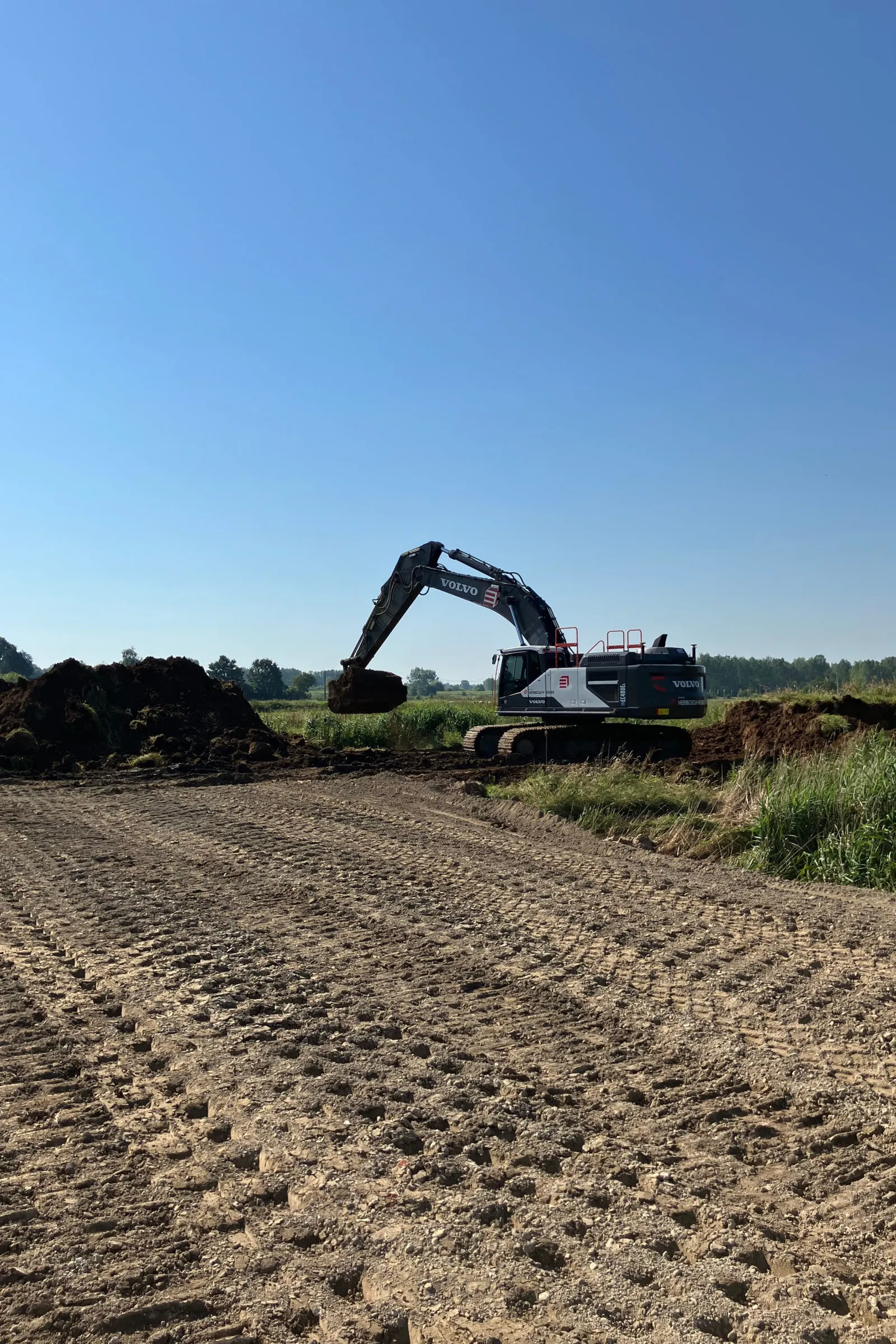
The controlled flood area covers around 37 hectares. In the first phase, Herbosch-Kiere is building a 1,600-metre ring dyke to hold back the water when necessary. “We need around 200,000 cubic metres of soil for the dyke,” says Busschots. “That sounds like a lot, and it is. We are transporting all of it by water, on barges along the Dijle. To make this possible, we first built a temporary unloading jetty in March 2024.”
Choosing to transport the soil by water was no coincidence. In a flood-prone polder, transporting soil must cause as little disruption as possible. At the same time, the earthworks require close monitoring. “We pay close attention to the compaction and load-bearing capacity of the dyke, as well as the quality of the imported soil,” Busschots emphasises.
Thousands of tonnes of soil delivered every day
The earthworks proceeded remarkably smoothly between April and October 2024, despite the area's wet conditions. “We were able to work almost continuously, with an average of 2,000 to 3,000 tonnes of soil delivered each day. This was only possible thanks to good cooperation with our subcontractor and flexible planning around the weather.”
After a mandatory winter break, work resumed in spring 2025. Herbosch-Kiere aims to have the ring dyke completed by autumn, with finishing works to follow.
New recreational cycle path and lowered river dyke
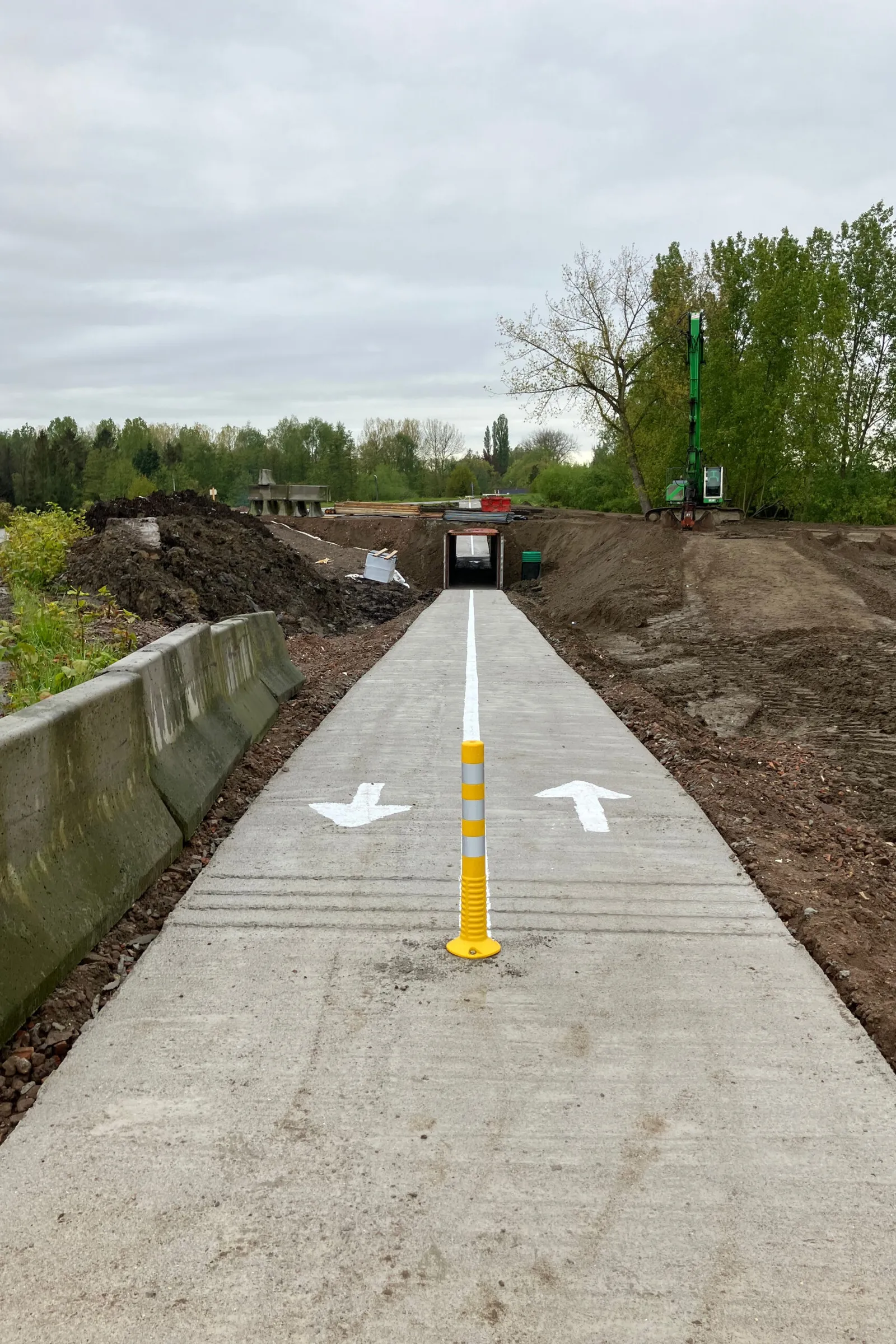
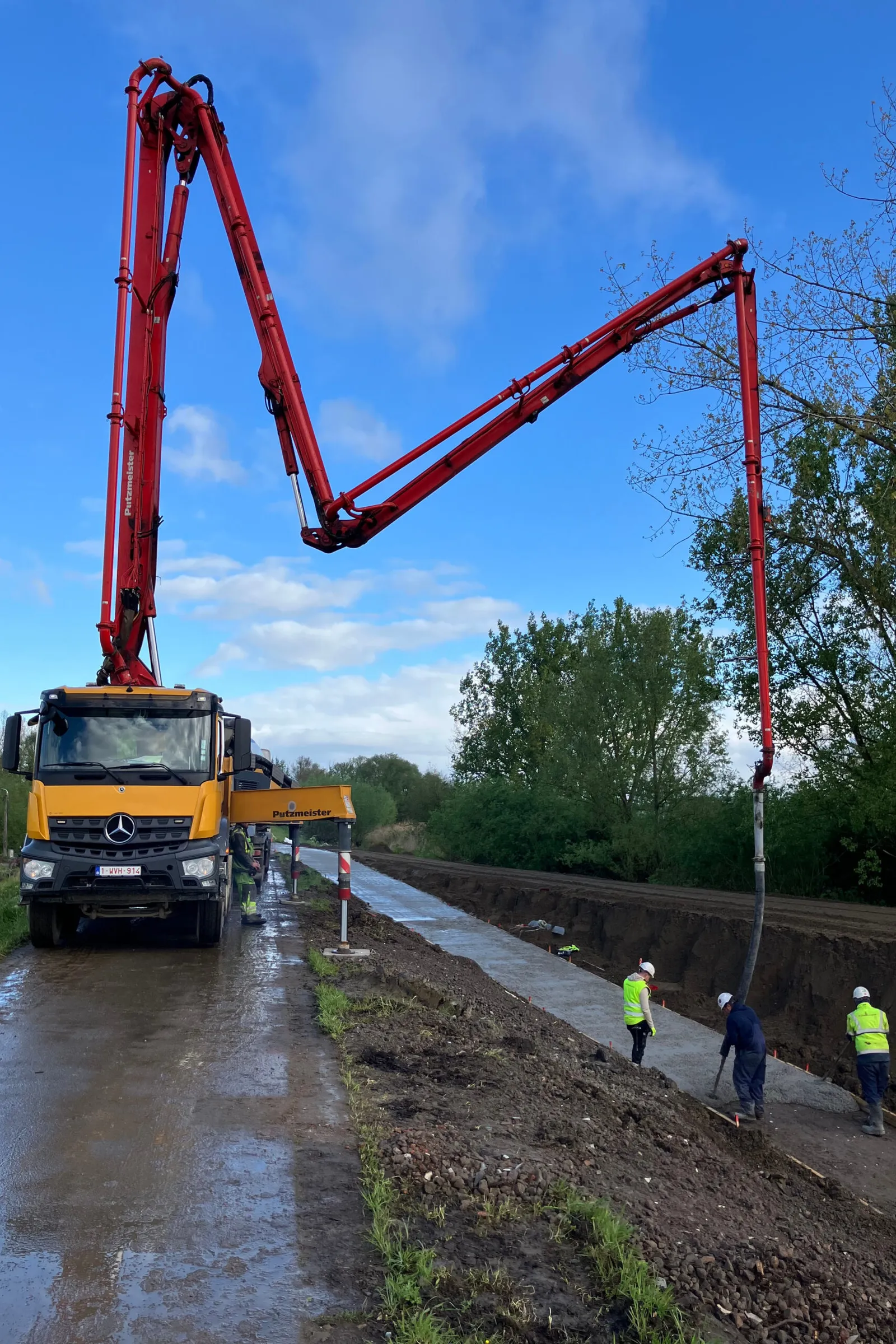
“Once the ring dyke has stabilised sufficiently, we will lay road foundations and build an asphalt cycle path on top,” says Busschots. “We will then lower the existing river dyke along the Dijle so it can act as an overflow dyke.” The new infrastructure is due to be fully completed by the end of 2026. By then, the area will have not only a dyke to hold back storm tides, but also an attractive setting for cycling and walking in an open landscape.
Modified ditch network ensures effective drainage
The worksite is in an area with an extensive ditch network, making water management complex. Herbosch-Kiere is addressing the issue by reorganising the system. “Before work began, we disconnected the external ditches from the area inside the ring dyke,” explains Busschots. “We are now connecting them to the Gentvlietloop, a large new drainage ditch outside the area. This will ensure that water continues to drain smoothly into the Dijle.”
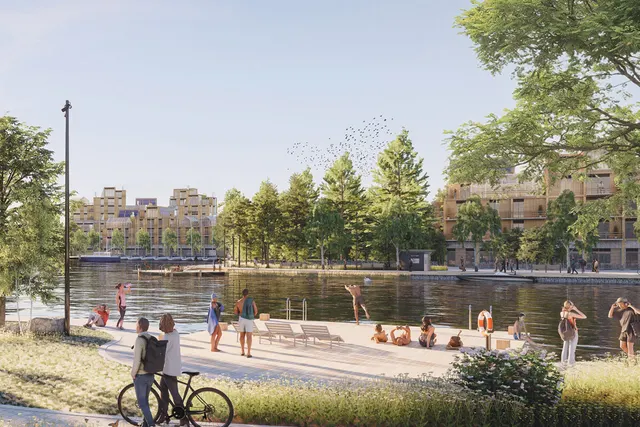
Tien Vierendelen shows how flood protection and spatial quality can reinforce one another. “Here, we are building not only a robust buffer against storm tides, but also an open landscape that makes space for agriculture, nature and recreation,” concludes Busschots. “This balance between protection and liveability makes the project particularly valuable.”
Een zakelijke vraag aan Herbosch-Kiere? Get in touch
Who worked on it
Tien Vierendelen in Willebroek
- main contractor
 Herbosch-Kiere
Keep following this
Get an email when a new story is published. No account needed.
- ProjectTien Vierendelen
- SubjectHydraulic engineering
- CompanyHerbosch-Kiere