Cross-border mega-polder project successfully completed through combined efforts
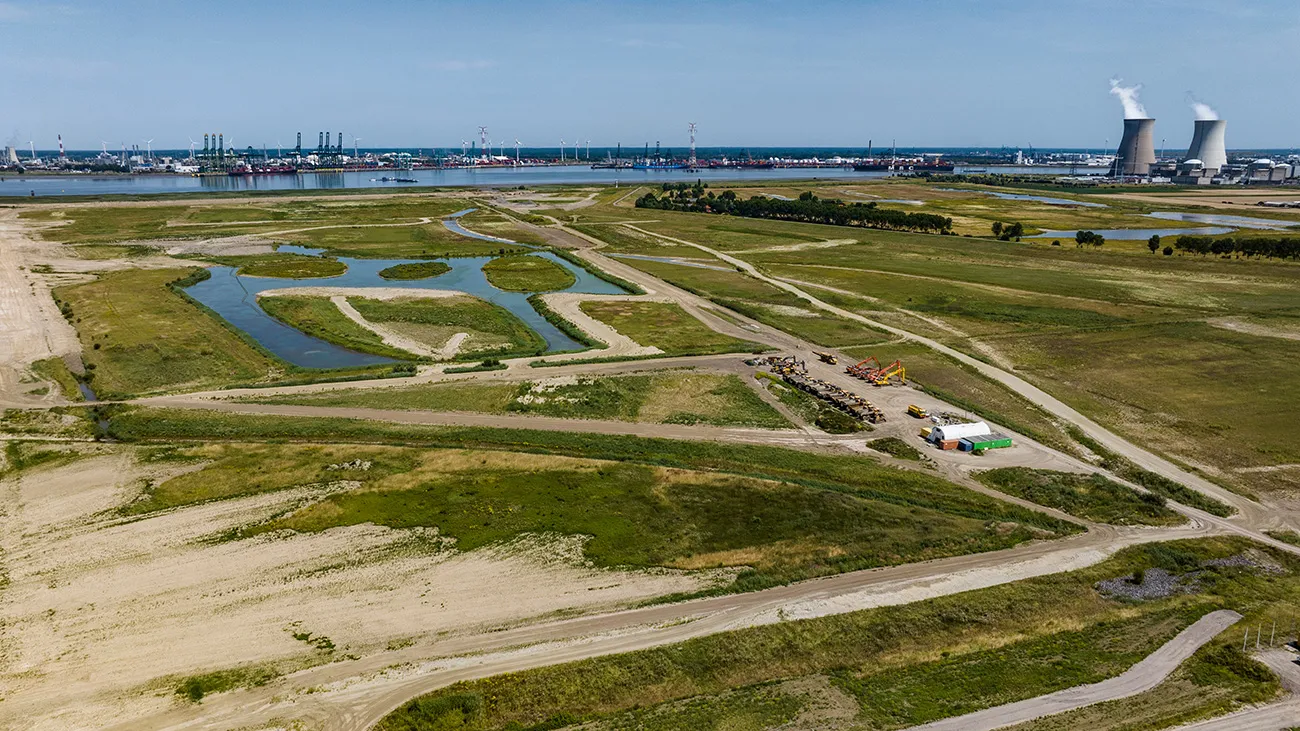
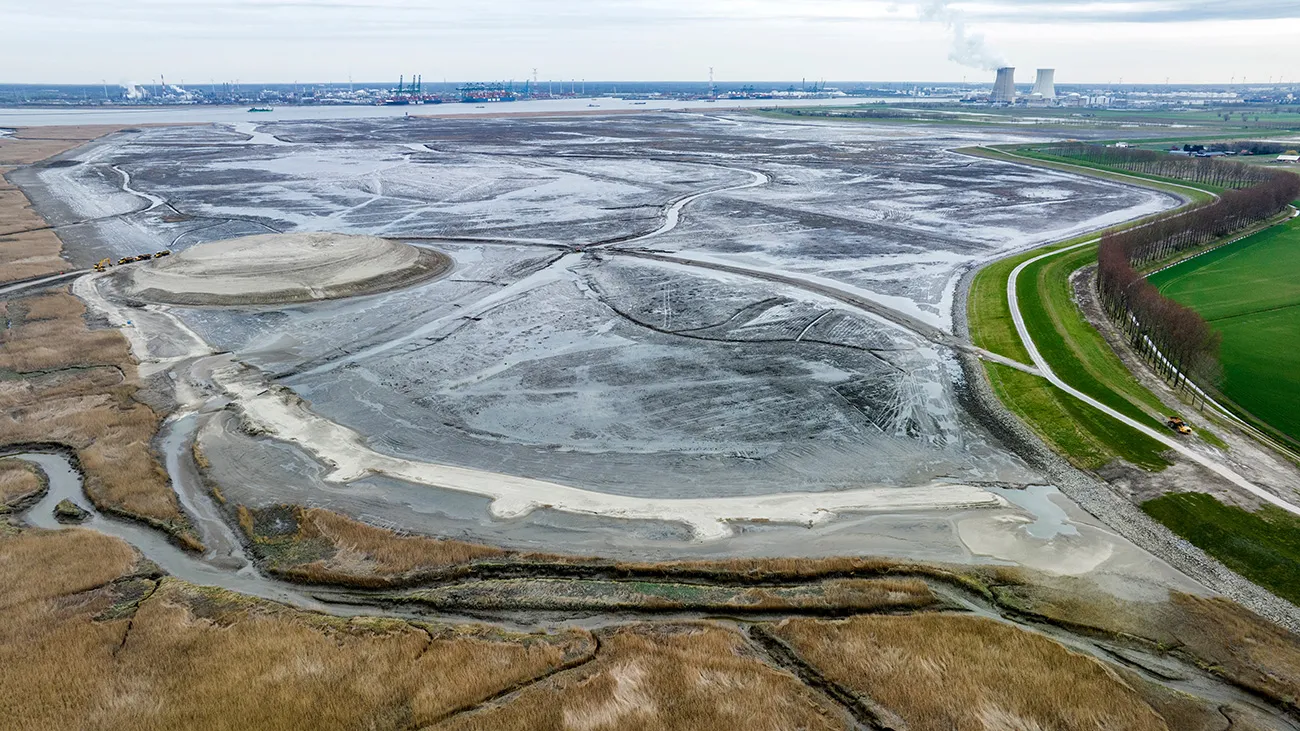
One of Europe’s largest tidal areas lies on the border between Flanders and the Netherlands. The future international Grenspark Groot Saeftinghe is home to the Verdronken Land van Saeftinghe, and the Hedwige-Prosperproject has added a further 500 ha of nature. The nature reserve now covers no less than 4,500 ha in total. On the Flemish side, the project formed part of the Sigmaplan, with De Vlaamse Waterweg nv and Agentschap voor Natuur en Bos as the implementing bodies. On the Dutch side, the expansion of the tidal nature area falls under the Natuurpakket Westerschelde. The entire project, on both Flemish and Dutch territory, was successfully completed by a temporary partnership (TM) comprising Jan De Nul Group, DEME Group and Aertssen Group.
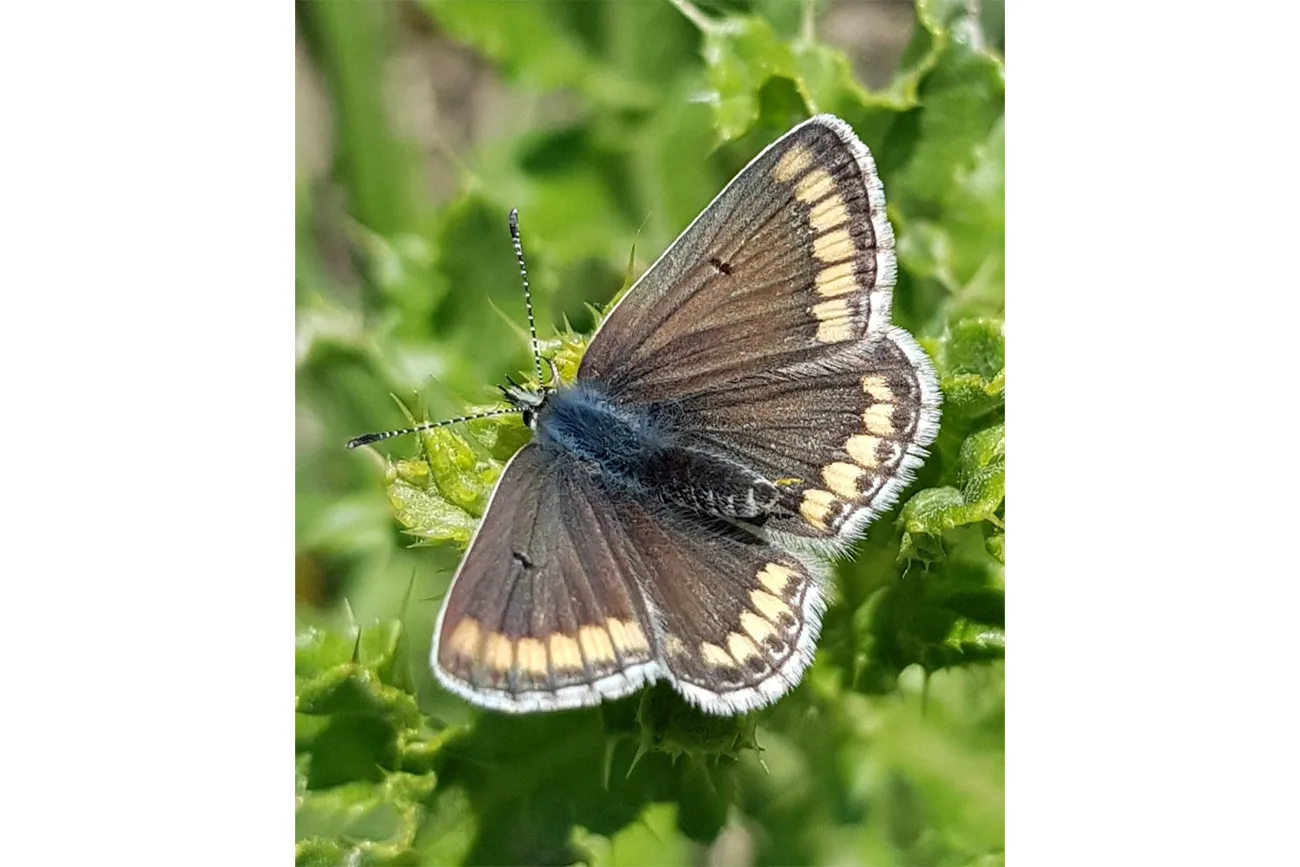
Thanks to the Hedwige-Prosperproject, almost-forgotten species such as the marsh harrier, avocet, spoonbill, common tern, redshank, brown argus, grey partridge and many others have new opportunities. By returning the border area to the Scheldt, nature is being restored and the region is being protected against flooding. Both polders are in the Flanders-Netherlands border region, within the municipalities of Beveren and Hulst. By decision of 2 July 2005, the Flemish Government gave De Vlaamse Waterweg the explicit task of delivering and preparing projects under the updated Sigmaplan, including the project to develop estuarine nature in the Hertogin Hedwigepolder and the northern part of the Hertog Prosperpolder. On the Dutch side, the project forms part of the Natuurpakket Westerschelde.
Restoring nature
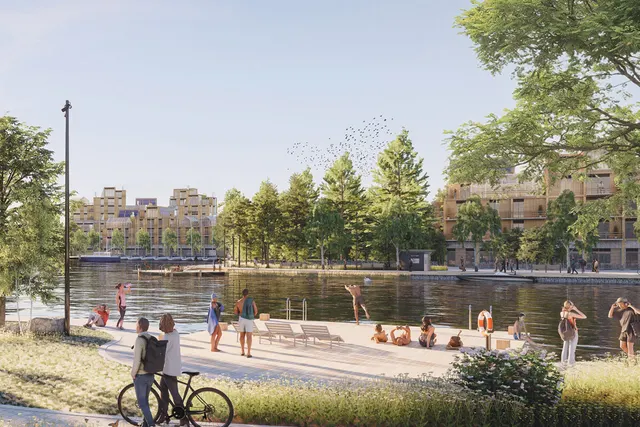
The project was launched to restore nature that had been lost over recent decades through land reclamation. People have continually reclaimed more land from the water, leaving the Scheldt constrained by an overly tight straitjacket. “The nature we are restoring is not only good for the ecosystem, it also contributes to better flood protection,” explains Hans Quaeyhaegens, project engineer at De Vlaamse Waterweg. “Depoldering effectively moves the dike inland. A number of mudflats and salt marshes have been recreated to help dissipate tidal energy. During a storm, this creates a very large area of shallow water with vegetation that also dampens the waves. As a result, the dikes behind it are better protected and face less wave impact. The project also fits neatly alongside the Verdronken Land van Saeftinghe, already Europe’s largest brackish-water salt marsh, which has now grown by a further 500 hectares.”
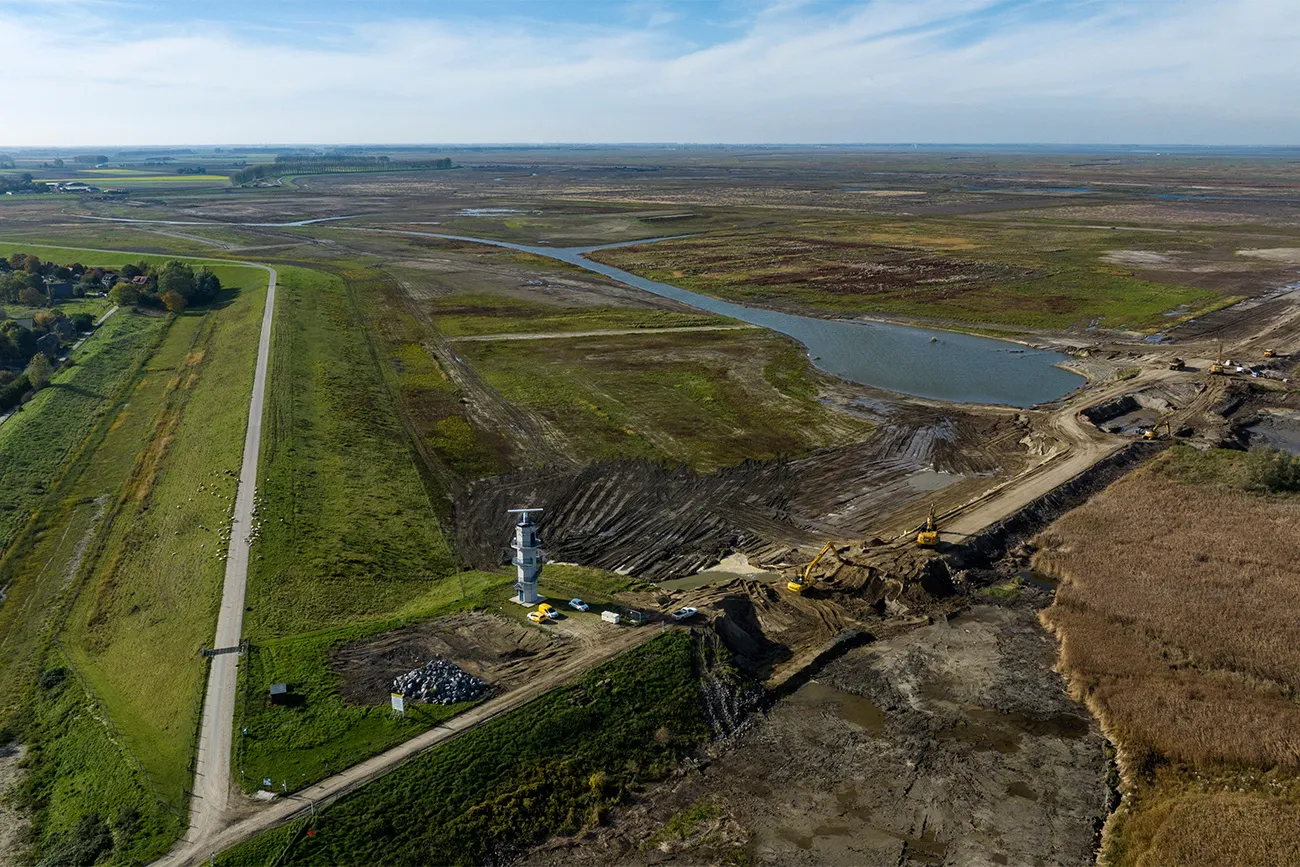
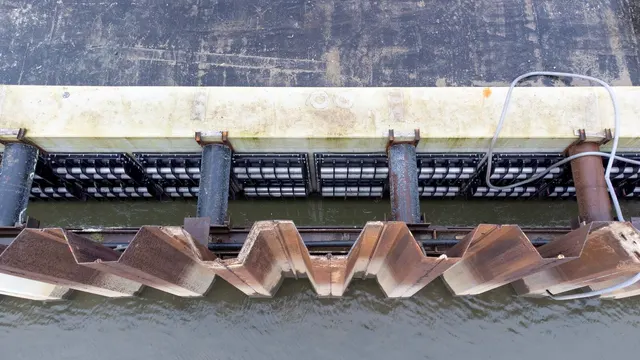
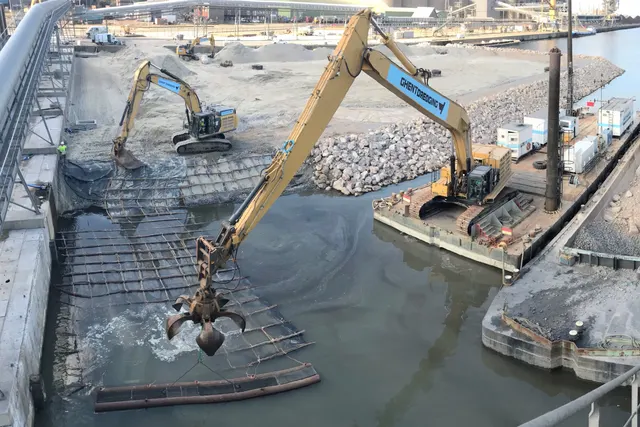
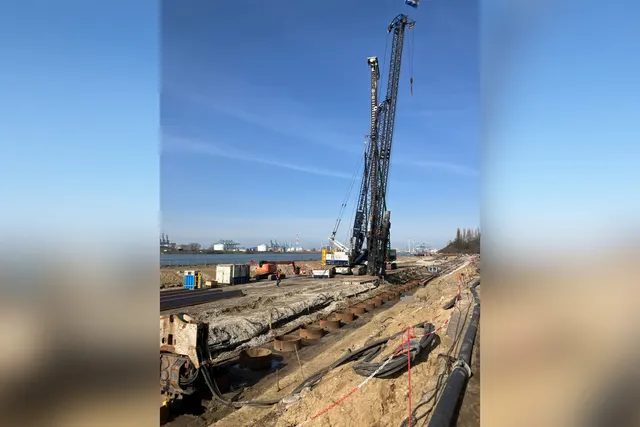
Work on the Flemish side began in 2008. A new ring dike was built in phases, along with a pumping station. The ring dike’s slope was reinforced with open stone asphalt, and a layer of rock armour was laid at its toe. The ‘Flemish project’ was successfully delivered by the TM Jan De Nul Group, DEME Group and Aertssen Group. Work on the Dutch side did not get under way until 2019. Hans Quaeyhaegens explains: “Why did it take so long for work to start in the Netherlands? Decision-making there was extremely difficult because of strong political and public opposition to the project. The Netherlands is a country of water engineers, and people are generally reluctant to return land to the water. In fact, they would rather do the opposite: reclaim land from the water. A huge amount of time was therefore spent in the Netherlands looking for alternatives. Is it really necessary to return the Hedwigepolder to the Scheldt? Could this not be done somewhere else or in a different way? These questions were studied in detail, but eventually it was concluded that depoldering was the best option. This also led to extensive debate in the Dutch House of Representatives. Public support was therefore rather limited.”
Two tenders, the same TM
The Dutch Supreme Court gave the green light in 2018. Flanders immediately set about tendering the works and then carrying them out, with work starting in October 2019. As with the work on Flemish soil, the TM Jan De Nul Group, DEME Group and Aertssen Group won the contract for the work on Dutch territory. To clarify, the treaty stipulated that Flanders would coordinate and finance the entire project, including the work on Dutch territory. This is quite unusual, since Flemish government agencies normally focus solely on projects in Flanders. The cross-border nature of the project is therefore quite unique. “The same TM won two separate tenders,” says Jorgen Hubrechts, deputy area manager at DEME Group. “Not many contractors or contractor consortia are able to deliver a project of this scale within the specified timeframe. In this case, three parties with the necessary expertise, manpower and equipment joined forces enthusiastically.
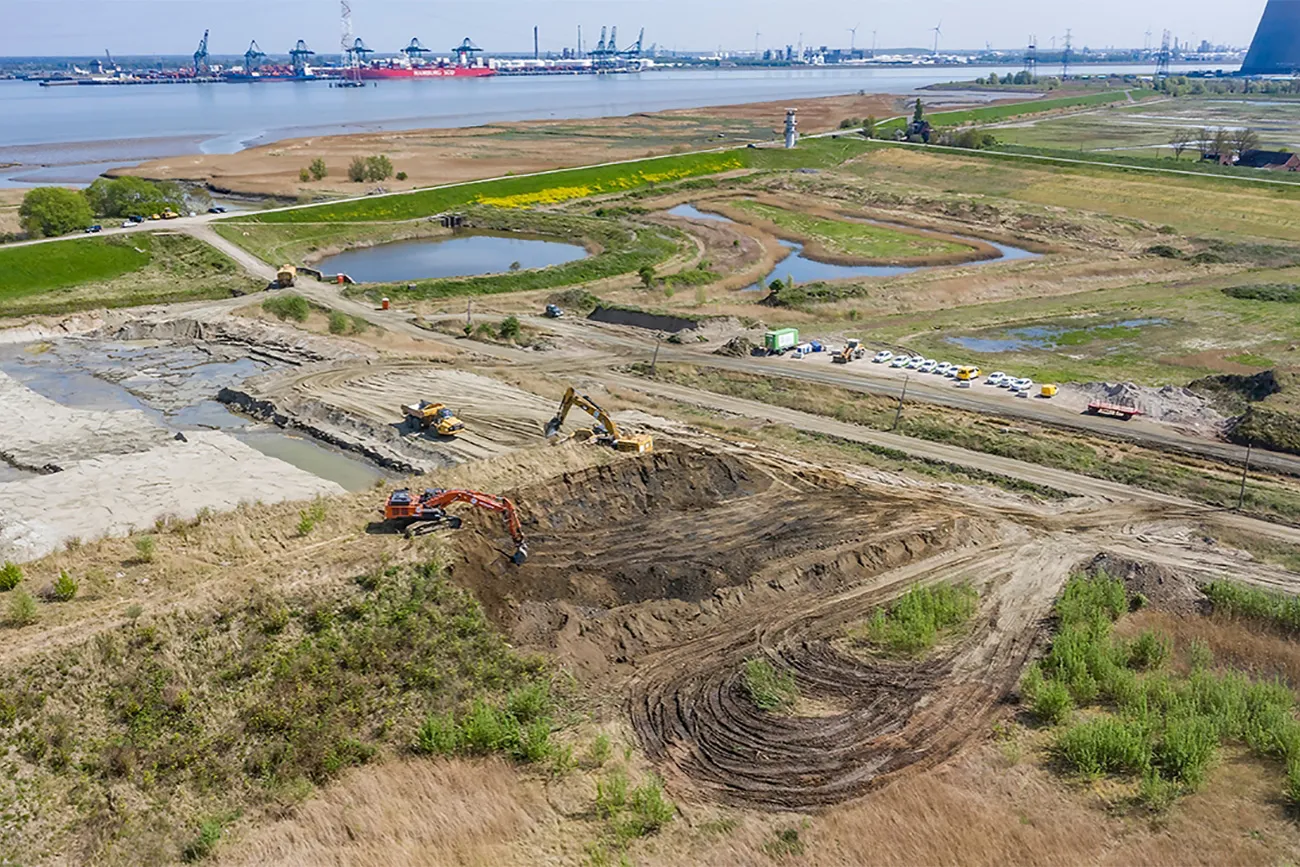
What I found particularly unique was the integrated way of working together. Each partner made people and equipment available, which were then deployed wherever needed. This combination worked exceptionally smoothly. There was a high level of mutual trust, both between the contractors and between the TM and the client.”
Earthworks plus
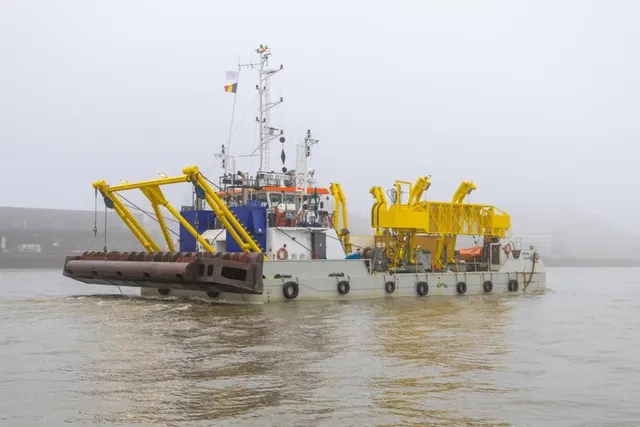
During the works, the TM faced a number of important considerations: the cross-border nature of the work; ensuring flood defences remained secure at all times; protecting the pipelines in the Leidingendam; complying with the ecological work protocol; maximising the reuse of excavated soil and soil stockpiled on site; avoiding any disruption to shipping on the Beneden-Zeeschelde; the mandatory reuse of surplus soil, which remained the property of the contracting authority; transporting contaminated dredged material by water; and archaeological supervision during excavation and dredging works …
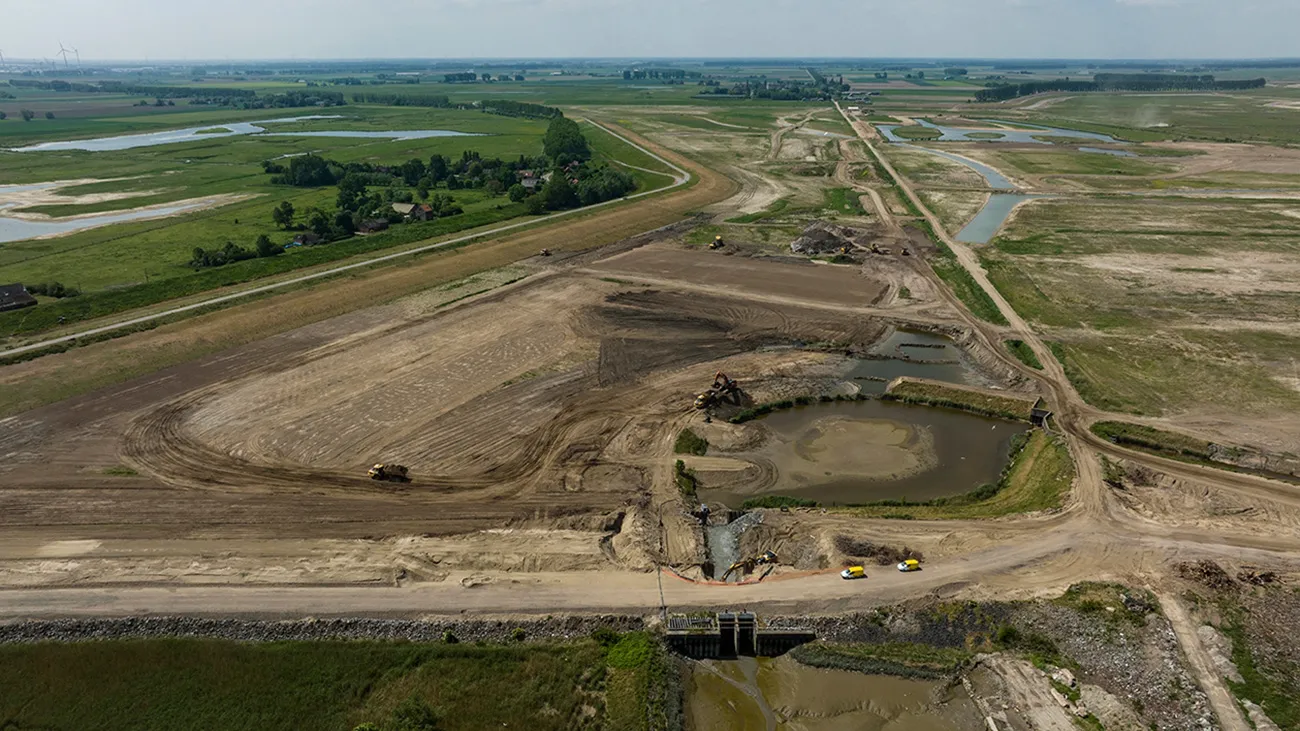
The works themselves were also highly varied. In addition to preparatory work such as felling trees, clearing vegetation and demolishing houses and other buildings, the project involved digging channels and creeks, constructing a new primary flood defence, building a paved berm alongside the Leidingendam, gradually converting temporary nature compensation areas into breeding islands for birds in Prosperpolder-Noord, regrading the interior of Prosperpolder-Noord, removing the Scheldedijk and Sieperdadijk, lowering the Scheldt salt marsh on the Dutch side to allow water to flow in and out, building a clay berm to protect pipelines and cables, removing dikes to inundate the polders, and raising the ground for the Panoramaheuvel …
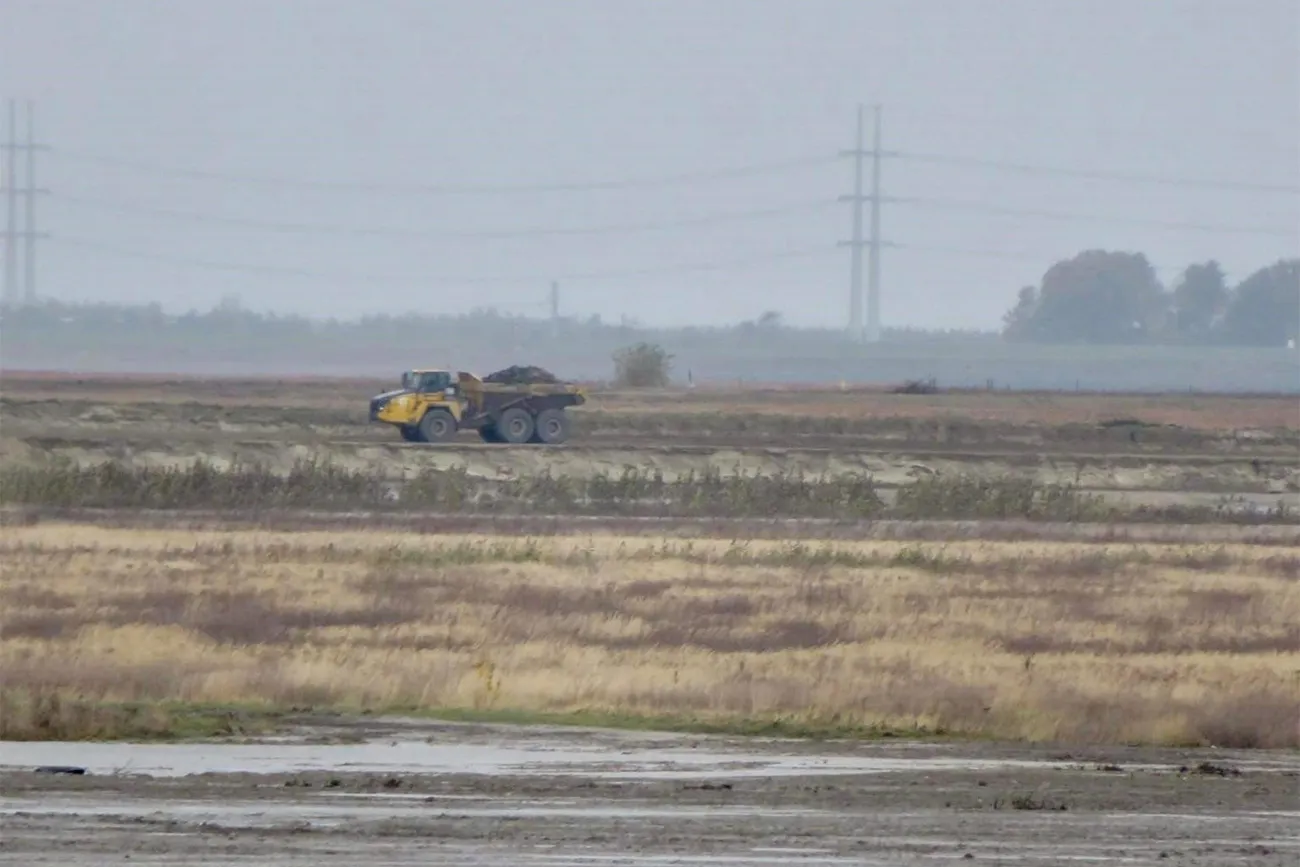
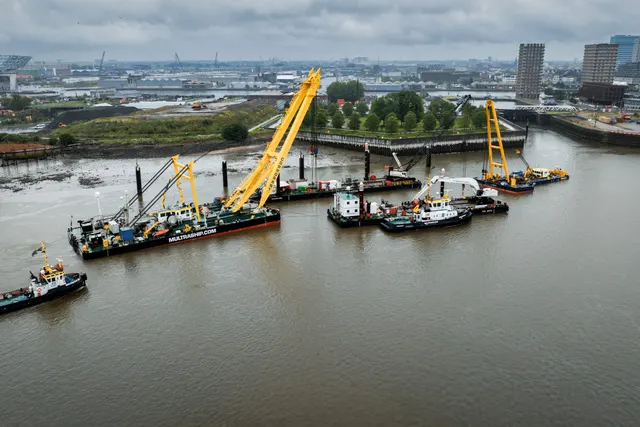
“I would therefore describe the whole project as ‘earthworks plus’, because it clearly involved much more than earthworks alone,” says Geert Vanwesenbeeck, project manager at Jan De Nul Group. “The most important result is that we have created 500 hectares of high-quality nature. To do so, we moved around 3 million cubic metres of soil. At the peak of earthmoving activity in 2022, around 40 machines were deployed: 20 dump trucks, 13 excavators, 6 bulldozers, 1 wheel loader and several support vehicles, including a forklift, water bowser and tanker.
A total of 35,000 tonnes of new rock armour was also placed, and 30,000 m² of new roads were built. But scale was certainly not the only challenge. The key condition for the earthworks was strict compliance with the rules in Flanders and the Netherlands. Much of the earthmoving was also carried out under archaeological supervision. We also had to take the ecological calendar into account when carrying out the work. The main species requiring attention were various bird species, bats, the common vole and the natterjack toad. When widening the berm alongside the Leidingendam, we also encountered several high-pressure gas and water distribution pipelines. So there was quite a lot to contend with.”
Sustainability
The reuse of materials was also a major focus during the works. Of the 3 million cubic metres of soil moved, only a small quantity of contaminated material was ultimately taken off site. The rest was reused on site, including in the construction of a permanent panorama hill. There are also several soil stockpiles in the interior of Prosperpolder. These stockpiles, together with soil excavated during the works, were reused as much as possible to build a new primary flood defence, reinforce the Leidingendam and regrade the interior of Prosperpolder-Noord. On Dutch territory, around 10.5 ha of Scheldt salt marsh had to be excavated. The material produced included partially contaminated sludge, which was transported by ship to the Hollands Diep national disposal site in the Netherlands. The reuse of materials was, of course, subject to the quality requirements and regulations in both the Netherlands and Flanders. One good example is the reuse of crushed concrete as sub-base for the new roads.
Successfully completed
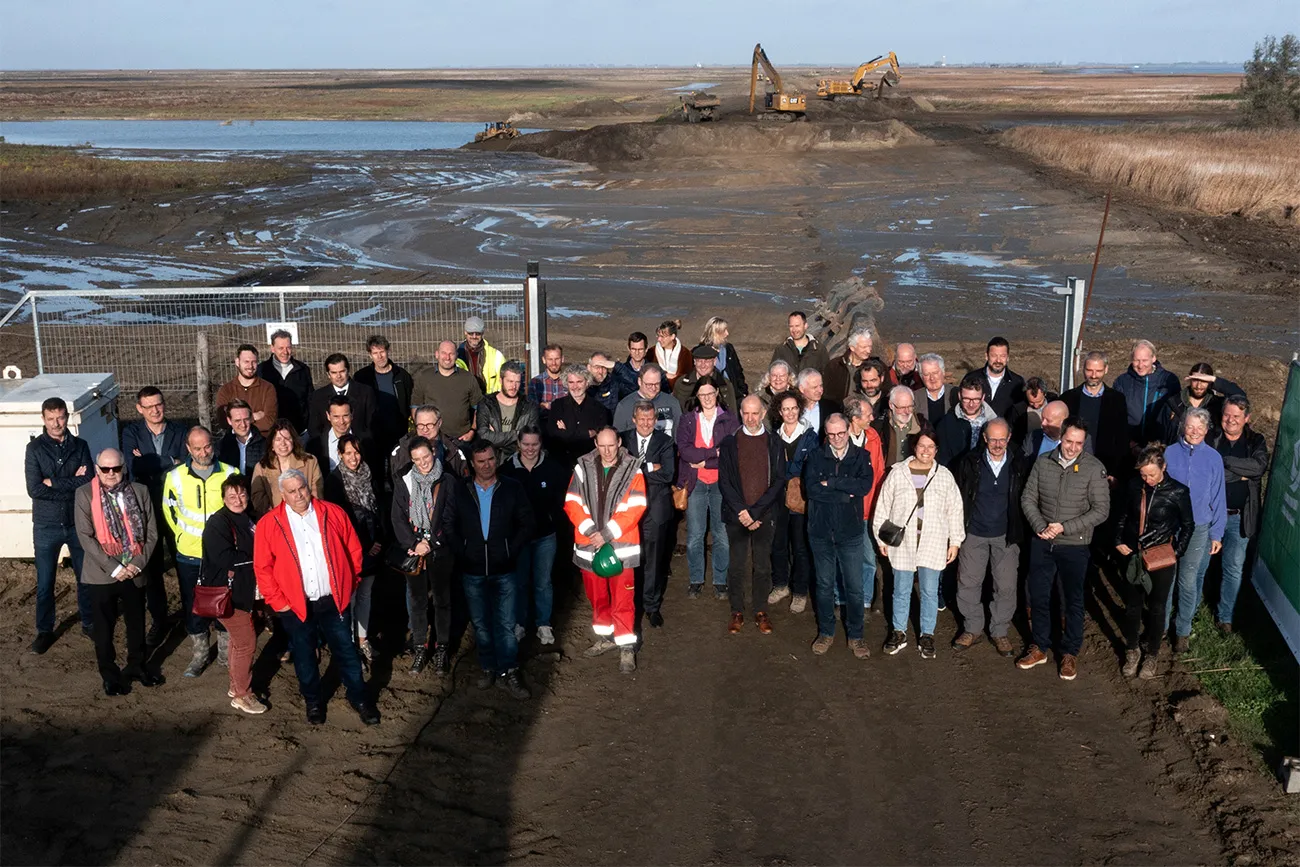
The project was completed successfully just four years after work began on the Dutch side. “I think it is important to stress that the three partners proved to be the ideal combination for carrying out works on this scale,” says Walter Van den Block, project manager at Aertssen Group. “Cooperation with the client also went very smoothly. It is a huge project, and we faced a number of ecological, archaeological and legislative obstacles. For example, we had to carry out the explosives survey required in the Netherlands, and we encountered the current PFAS issue in both the Netherlands and Flanders. But by pooling our strengths, people and equipment, we still managed to deliver the project successfully. All the pieces fell into place, allowing the project to move forward at full speed. The cross-border nature of the work was also something that suited all three parties down to the ground.”
As the client, De Vlaamse Waterweg is extremely pleased with how the project has progressed. “We certainly did not rush the preparation of the specifications. We deliberately drew them up entirely ourselves, calling on a consultancy only to produce the drawings. We took plenty of time over the technical plans, and that certainly paid off in practice, as we were able to put forward specifications tailored specifically to the project. Given its cross-border nature, we could not simply take standard provisions off the shelf, as that would undoubtedly have led to disputes. Thanks to this meticulous preparation, we completed the project on time, and in fact well ahead of schedule. We cut through it like a knife through butter, and the TM certainly deserves credit too,” concludes Hans Quaeyhaegens.
Question about this story? Ask your question
Who worked on it
Hedwige-Prosperproject
- clientDe Vlaamse Waterweg
- site managerAgentschap voor Natuur en Bos
- tijdelijke maatschap (TM)Jan De Nul Group
- tijdelijke maatschap (TM)DEME Group
- tijdelijke maatschap (TM)Aertssen Group
Keep following this
Get an email when a new story is published. No account needed.
- ProjectHedwige-Prosperproject
- SubjectHydraulic engineering
- CompanyDe Vlaamse Waterweg
- CompanyAgentschap voor Natuur en Bos
- CompanyJan De Nul Group
- CompanyDEME Group
- CompanyAertssen Group