









Sewerage & underground infrastructure
Too dry, too wet: Mayor, how well prepared are you?
Text Niels Rouvrois / VLARIO Beeld VLARIO
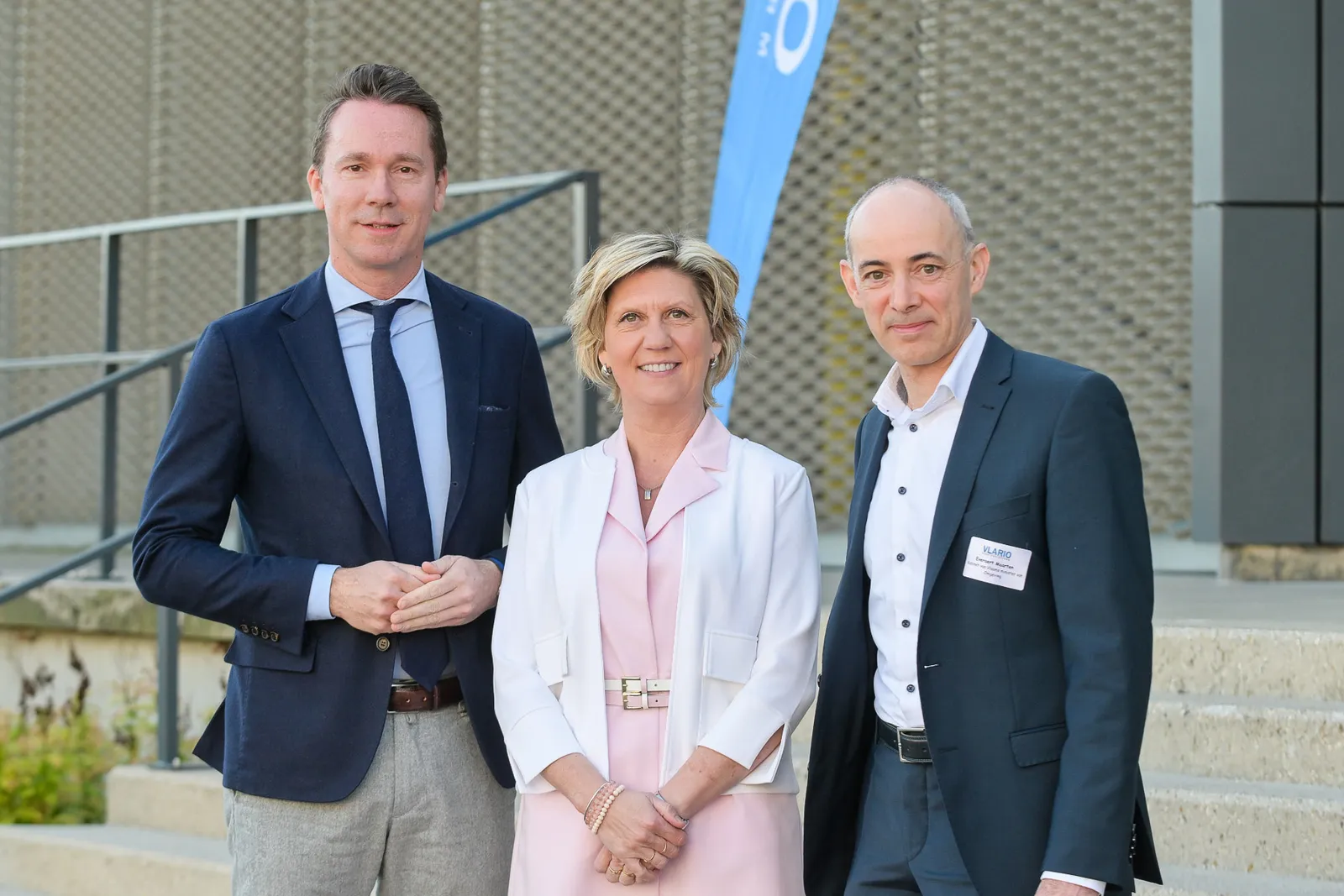
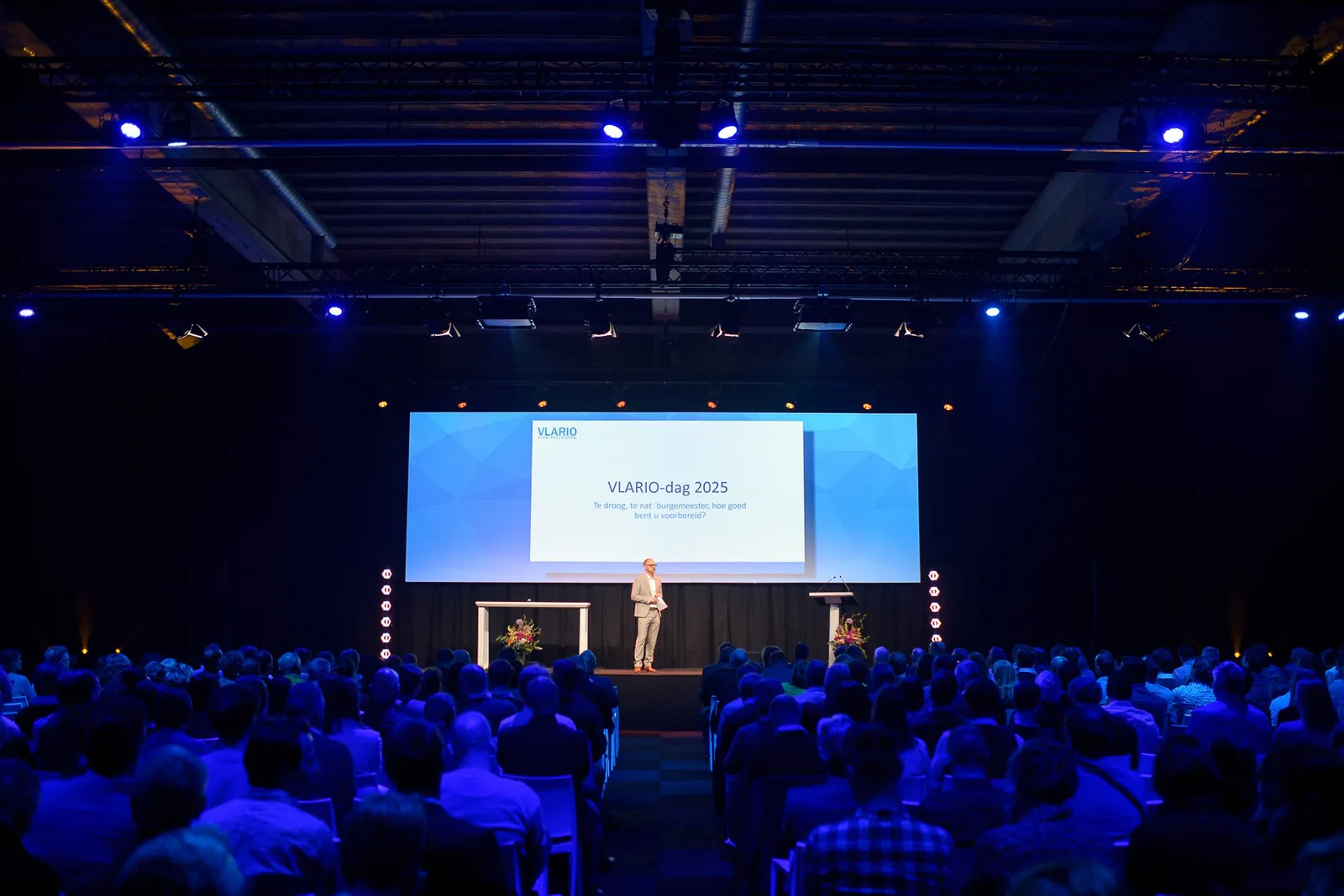
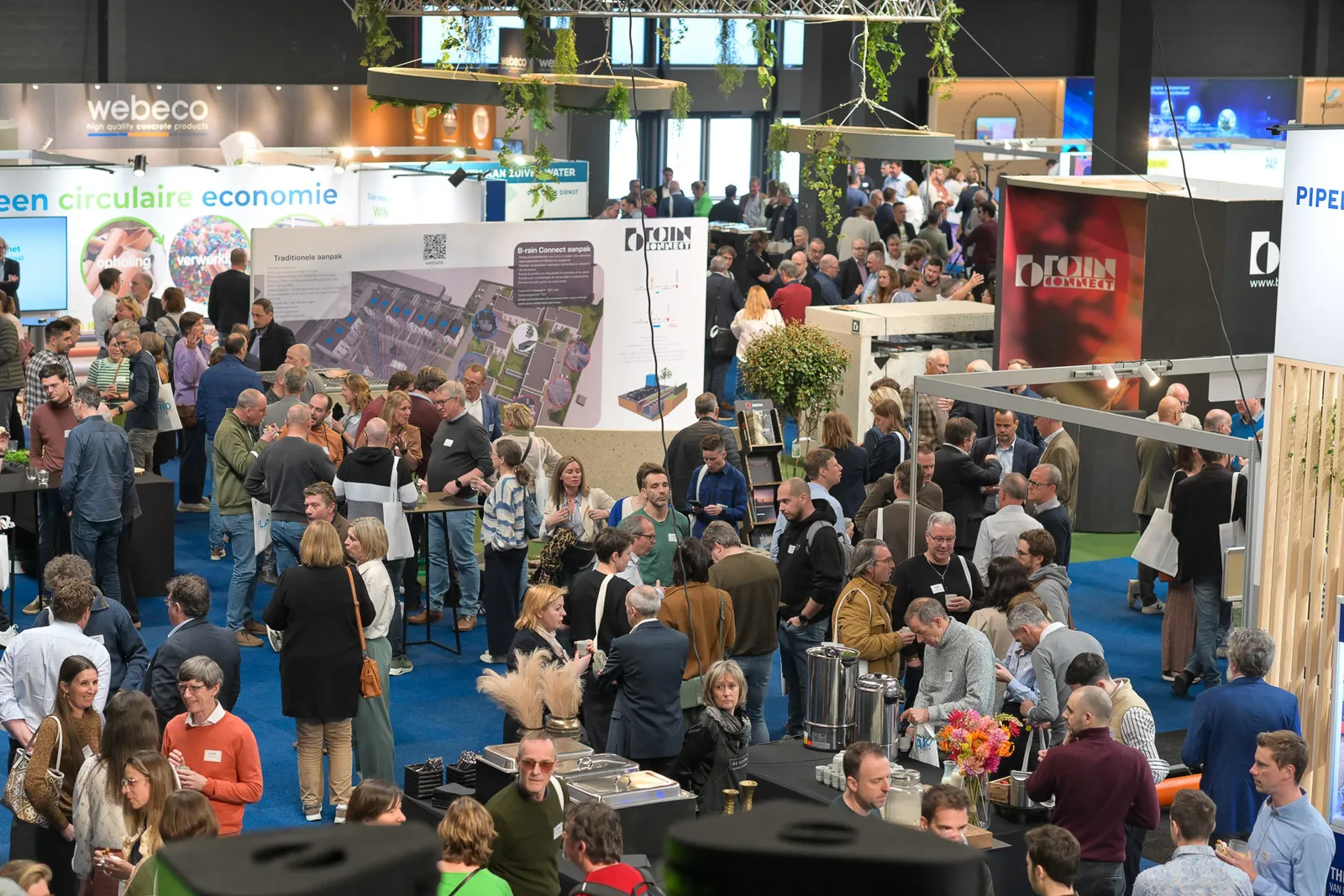
Water was once again centre stage on Tuesday 1 April at the annual VLARIO Day at Antwerp Expo. The tried-and-tested formula, an inspiring morning of talks combined with an engaging exhibition, clearly went down well with the many visitors and exhibitors. GWW followed the presentations closely and came away with one clear message: collaboration and funding will be crucial to meeting the many challenges in water management.
VLARIO supports all stakeholders in their pursuit of quality and highlights at every level the need for sustainable investment in the management of rainwater and wastewater. The annual VLARIO Day is the ideal opportunity both to examine the challenges in detail and to look back at achievements, alongside a networking event at the sewerage exhibition.
The morning programme opened with an address by Minister Jo Brouns, Flemish Minister for the Environment and Agriculture. In his speech, the minister emphasised water’s ability to bring people together and the importance of collaboration. He congratulated VLARIO on the strong turnout and thanked the organisation for its practical contribution to collaboration. Minister Brouns announced that the Blue Deal would focus on area-based initiatives and continued financial support for local authorities. More attention will be given to rural areas and decentralised treatment. The phased targets in water quality policy must also strike a balance between costs and benefits. The agricultural sector, too, will need to use water more efficiently. In addition, the Soil Decree will be amended to address PFAS cost-effectively, and permit procedures will be accelerated.
Outcome-focused and flexible design
Prof. Patrick Willems, chair of VLARIO, in turn shed light on the impact of climate change on hydrological extremes in Flanders. He reviewed the precipitation deficits and surpluses of recent years, along with the associated uncertainties. Willems introduced the design principles of ‘no regret’, sustainability, flexibility and adaptability, which should be effective under all climate scenarios. The aim is to update the 2012 Code of Good Practice to enable more outcome-focused and flexible design, provided the objectives are met.
This should result in robust designs that minimise the effects of climate uncertainty and extreme weather. Examples from Aquafin, Fluvius, PIDPA and Farys showed how these principles are already being applied and how this experience can inform new regulations.
Municipal sanitation obligation
Ingeborg Barrez of the Flemish Environment Agency discussed the municipal sanitation obligation and the 2024-2027 multi-year plan. She presented the reduction targets for each municipality and water body, and highlighted the backlog in the construction of individual wastewater treatment plants (IBA’s). Many projects are delayed, often because of coordination with third parties and budget shortfalls. Feedback on the 2024-2027 multi-year plan will provide the basis for the next plan, which should cover more topics such as IBA’s, asset management and overflows, supported by a fully funded financial plan. Finally, she announced the 2025 subsidy call, with a webinar scheduled for 22 April.
Climate-resilient Flanders
Riet Lismont (VLARIO) also took the floor. She gave an informative overview of a range of projects and tools for a climate-resilient Flanders, and looked ahead to the Green Deal Klimaatbestendige Omgeving and the Waterwijzer project, which is still seeking water-efficient projects. Robin De Smedt of the Department of Environment then unveiled the soil module for groenblauwpeil for the first time. More information is available at groenblauwpeil.be.
Sound farming sense
Joris Relaes (ILVO) also strongly emphasised the importance of healthy soil, both for water management and for farmers. He outlined the key challenges in water quality and quantity and presented potential solutions based on ILVO research. These must, however, always be applied in a targeted way and in the right context. Finally, he called for a greater focus on understanding behaviour, more investment in consultation and efforts to build trust.
Funding the water chain
Finally, Wendy Francken, director of VLARIO, discussed the challenges and solutions involved in funding the water chain. An additional approximately 250 million euros per year is needed to achieve all ambitions for municipal sewer management. She stressed the need for secure funding and called for a roadmap towards ‘light-touch tariff regulation’. VLARIO also continues to call for the introduction of an infiltration bonus, and wants the procedures for RIO subsidies to be simplified quickly.
VLARIO Innovation Award
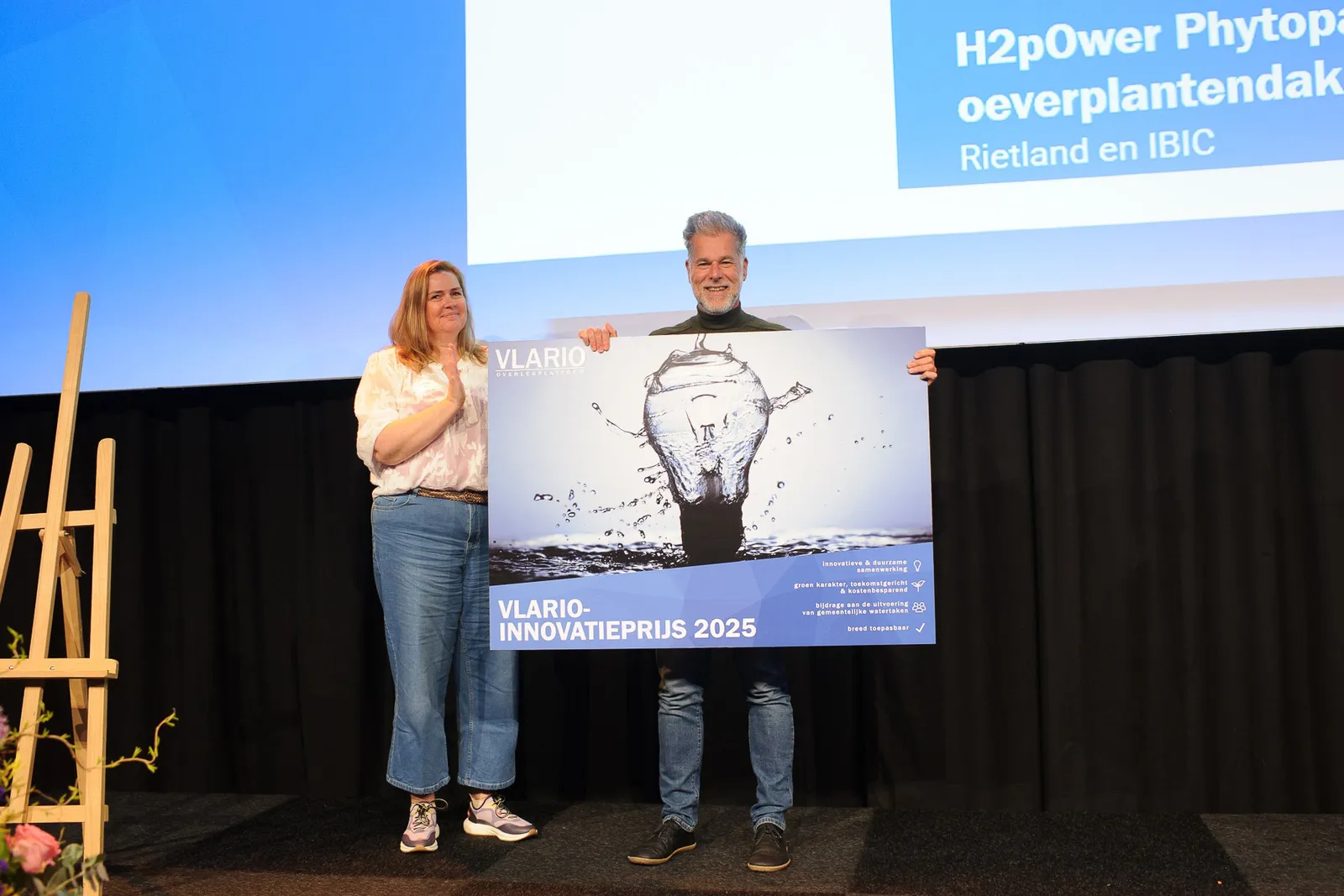
As tradition dictates, the VLARIO Innovation Award was also presented. Those in the audience used their smartphones to choose the winner. Rietland and IBIC took the top prize with their H2pOwer Phytoparking + oeverplantendak.
Question about this story? Ask your question
Keep following this
Get an email when a new story is published. No account needed.
- SubjectSewerage & underground infrastructure







