









Sewerage & underground infrastructure
The Pen | Wendy Francken, Director of VLARIO
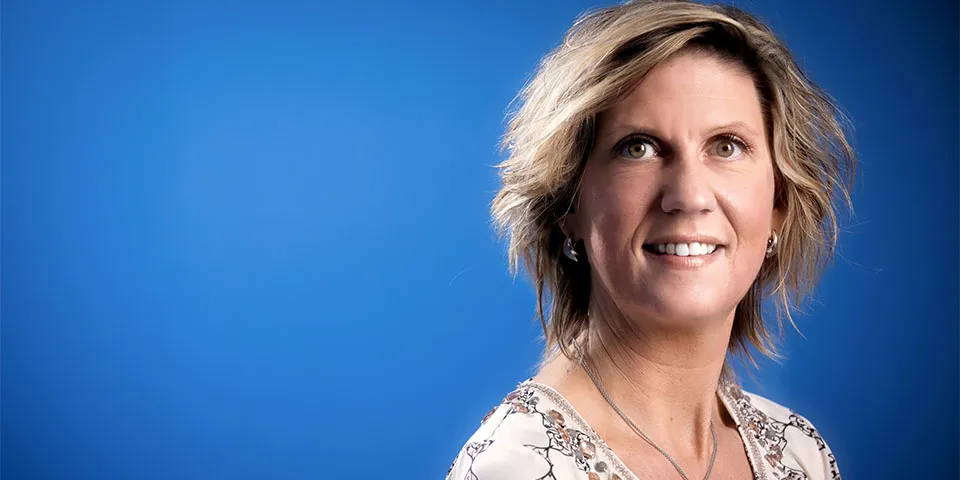
Co-author: Patrick Willems, chair of VLARIO
Investing together in Flanders’ blue capital
Good water management seems self-evident: clean water always flows from the tap and homes are protected from flooding. But climate change, with its longer periods of drought and more intense downpours, presents us with unprecedented challenges and substantial costs. VLARIO is calling for full investment in this blue capital.
Good water management is not a luxury. It means dry cellars and clean water from your tap. And although most citizens do not give it much thought, in Flanders this is far from self-evident. The main challenges are dispersed development, a strict European deadline for achieving good water quality (2027) and, of course, climate change, which is bringing both more periods of drought and more intense thunderstorms.
The solutions to these challenges are well known and achievable. First and foremost, we need to tackle the amount of impermeable surface. As our water reserves dwindle, much of the rainwater is lost because it flows straight into our sewers from paved surfaces. Discharging all that rainwater also drives up sewer maintenance costs. The solution: more infiltration into the soil and more reuse. This is a shared responsibility. Sewer managers need to take action, but every citizen can also contribute. To encourage this, VLARIO is calling for an infiltration bonus. Those who collect their rainwater and keep it on site are rewarded. This encourages people to use water more wisely.
Vulnerable Flanders
Calculations indicate that sewer flooding will become more frequent in the coming decades, potentially increasing by a factor of five to ten by 2100 if no measures are taken to adapt to the changing climate. The number of homes at risk of flooding could rise to around one million, and in cities such as Antwerpen, Leuven, Dendermonde, Diest and Tienen, as many as one in five homes could be affected. Groundwater reserves are also declining, and water quality is deteriorating as a result of longer dry periods. By 2100, dry summers like those of 1976 and 2018 could occur once every 4 to 5 years in Flanders. The number of heatwave days could even increase tenfold. With its high population density and extensive paved surfaces, Flanders is the most vulnerable region in north-western Europe and one of the most vulnerable in the world.
From climate challenge to opportunity
Our ability to adapt is key to the solution. The Flemish Government has a central responsibility for climate adaptation planning, through investment in sustainable infrastructure and smart technologies, well-considered spatial planning, awareness-raising and behavioural change. But local authorities and stakeholders also play a key role. Cities and municipalities that make space for water and greenery in a climate adaptation plan are best placed for the future. This not only reduces the risk of flooding, but also ensures adequate water reserves, improves water quality and keeps heat stress under control.
Every city and municipality should include a climate adaptation budget in its multi-year plan so that plans can be put into action. This will address not only the negative effects of climate change. At the same time, municipalities can deliver a range of unpopular but essential measures by incorporating them into a positive narrative about opportunities, such as making the municipality more attractive. It can also help speed up action on Flanders’ urgent need to maintain municipal sewers and increase sewer connection rates. Sewers are not a glamorous topic that municipal representatives can use to win votes. But when sewer infrastructure is integrated into making the urban environment climate-resilient and water-resilient, it becomes a different story: clean waterways, fewer floods, less heat stress, better air quality, more biodiversity, attractive blue-green recreational areas and a higher quality of life.
Over the next 15 years, 90 trillion dollars will be invested in infrastructure worldwide. The billions we need are part of that total, if we invest in a climate-resilient way from the outset. Investing in innovation, including smart technologies, and exporting this expertise can also generate enormous returns. In this way, the climate challenges we have to tackle anyway can be turned into a positive story of opportunity.
Question about this story? Ask your question
Keep following this
Get an email when a new story is published. No account needed.
- ThemeSpace for water and green infrastructure
- SubjectSewerage & underground infrastructure







