









Sewerage & underground infrastructure
Sustainable water management in Oudsbergen thanks to porous pipes
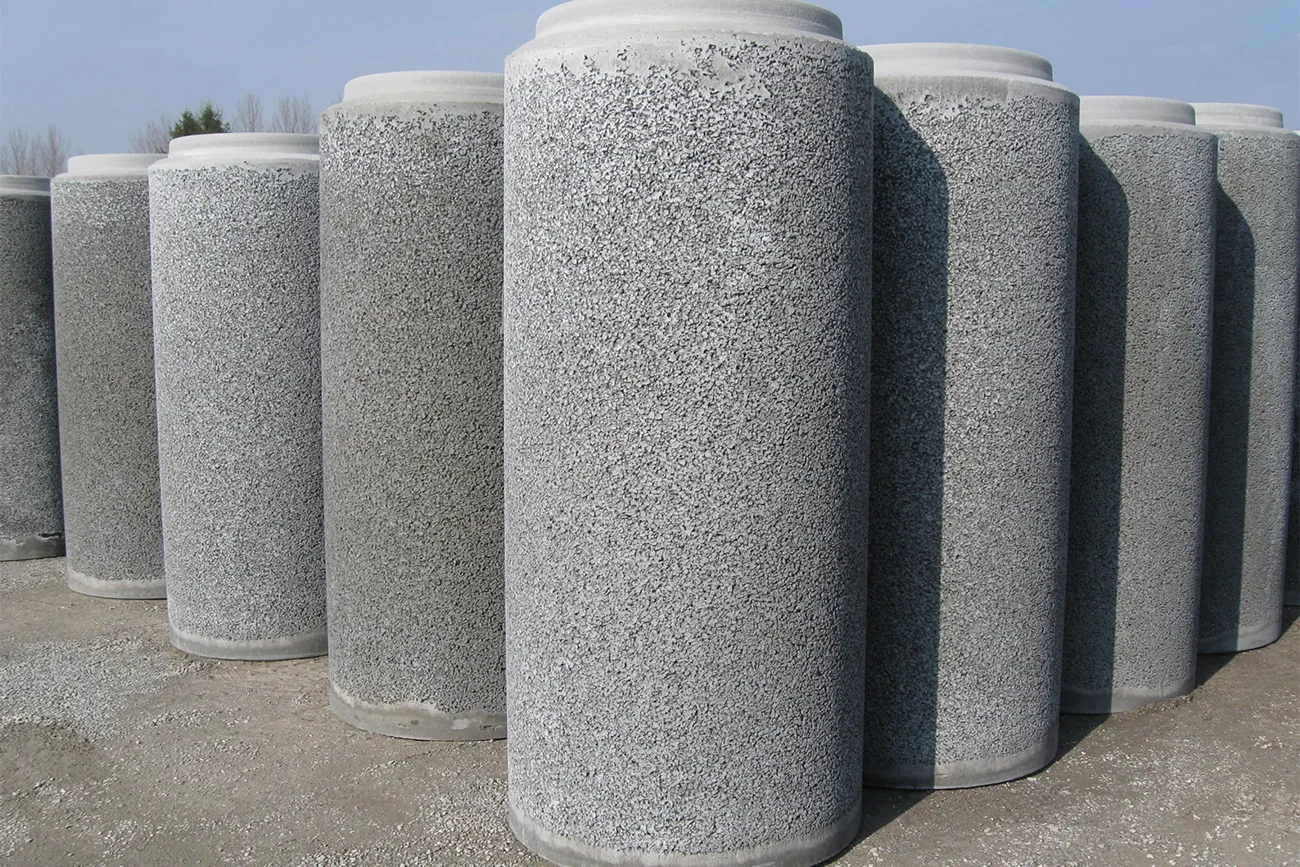
The importance of proper, sustainable water management continues to grow. This was also evident in a sewerage project in Oudsbergen, where the focus was on maximising water storage and infiltration using porous pipes. Main contractor Willemen Infra commissioned TUBOBEL, a FEBELCO member and specialist in precast concrete sewerage products, to manufacture and supply the porous concrete pipes. “We are, of course, proud to play our part in more sustainable water management,” says Evert Lemmens, chairman of FEBELCO and co-CEO of TUBOBEL Group.
FEBE is the recognised trade association for manufacturers of precast concrete products and represents the interests of the sector. Within FEBE, FEBELCO brings together manufacturers of concrete pipes and accessories. The trade association represents manufacturers of concrete products used for the collection, transport, treatment, storage and infiltration of water. The latter is a key focus of the sewerage project in Oudsbergen.
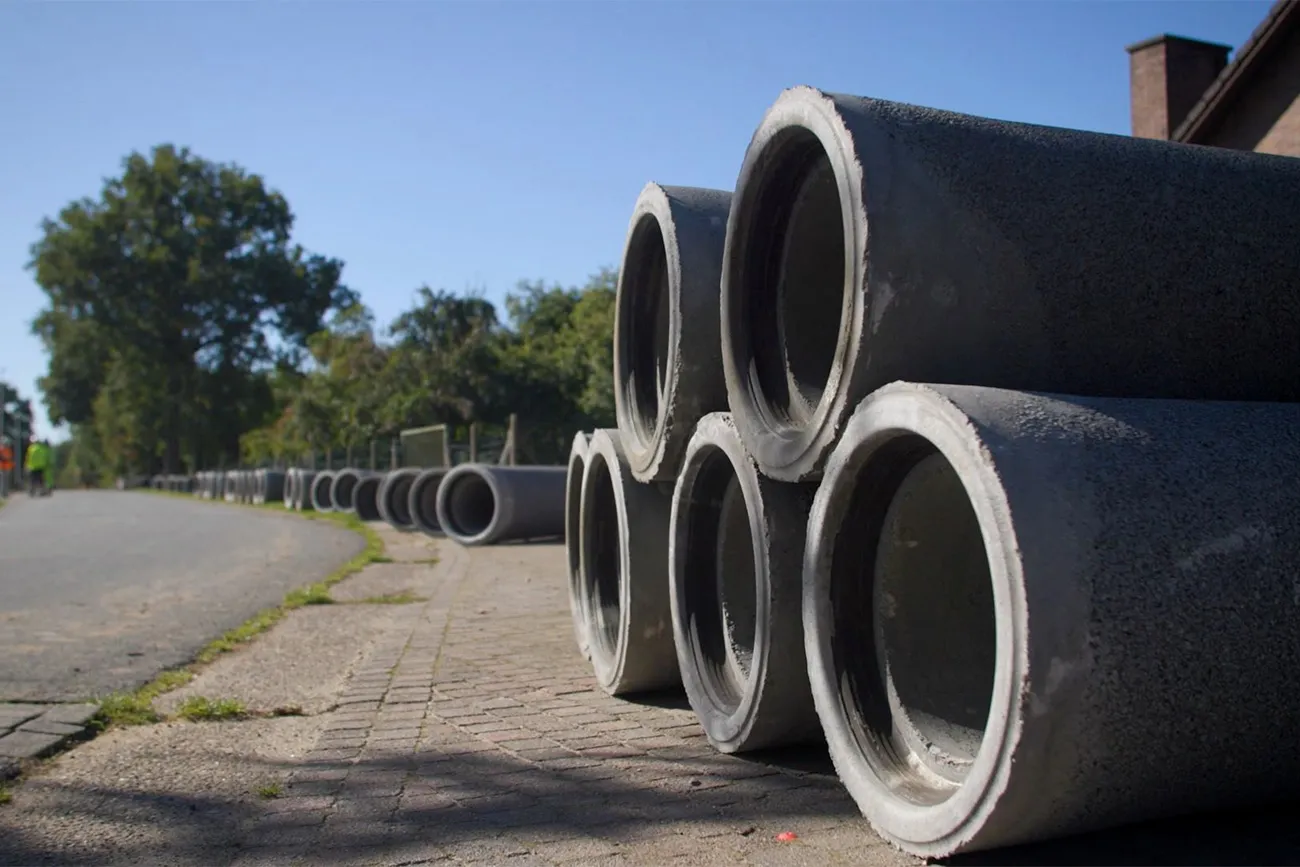
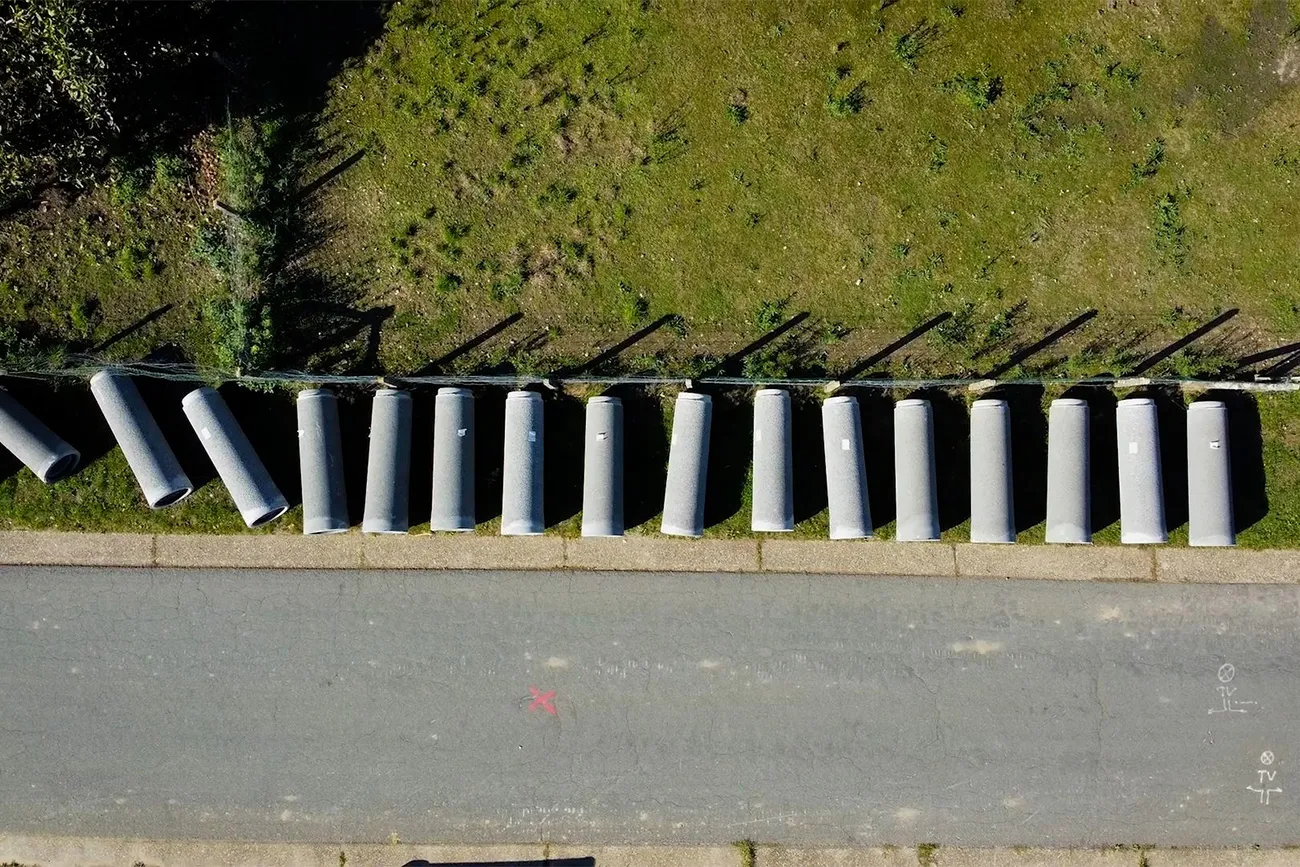
TUBOBEL supplied a total of 3.7 km of porous pipes. Evert Lemmens explains: “The pipes are used to store as much groundwater as possible and allow it to infiltrate slowly, keeping groundwater levels stable. If excess water cannot be stored in the sewer, it is channelled to a wadi via an overflow structure. Choosing porous pipes instead of an open ditch has a number of advantages. It frees up public space, since a ditch would make the street narrower and traffic conditions more dangerous. The precast pipes provide more favourable temperature conditions, reducing water loss through evaporation. They are also a financially attractive solution, as the maintenance costs of porous pipes are many times lower than those of an open ditch. Better for the environment, society and the wallet, then.”
The new regional rainwater regulations, which come into force in October for private land and later for public land, require as much surface infiltration as possible wherever feasible, for example by means of ditches. “Unless the client can provide sound reasons for deciding that underground storage is the better solution. Given the limited space, that was certainly the case in this project in Oudsbergen,” concludes Evert Lemmens.
New: cement-free pipe made with a geopolymer binder
Tubobel group is introducing a new product range, ‘Climate Concrete’. “This range reflects our mission and vision of actively contributing to improved water and climate management,” says co-CEO Evert Lemmens. The Climate Concrete range consists of cement-free concrete products with minimal CO2 emissions.
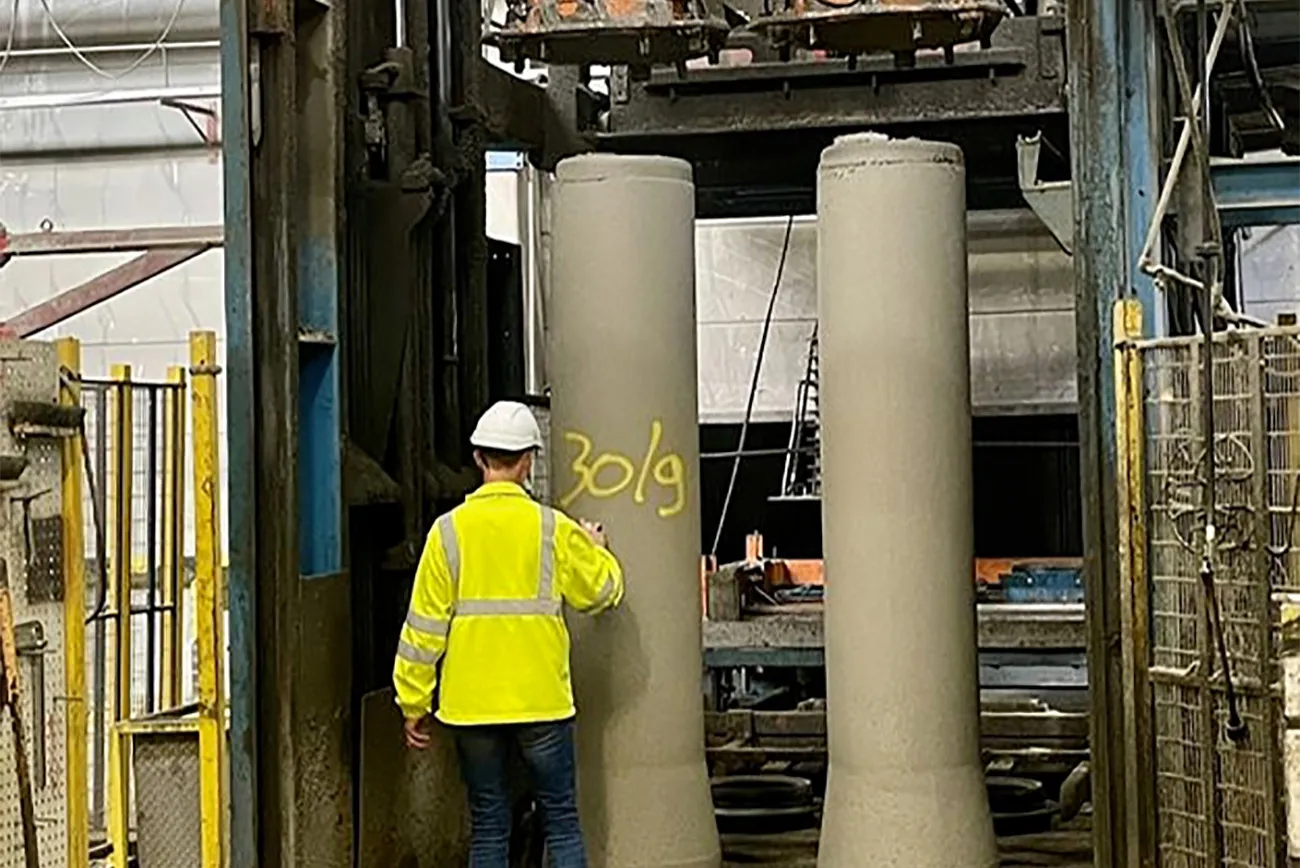
Evert Lemmens says: “The first product we are launching in this range is Geoprime® pipes: unreinforced circular pipes for transporting and storing wastewater or rainwater. With CO² reductions of up to 80%, this product has a significant positive impact on the environmental footprint. Geoprime pipes are also as strong as conventional concrete pipes and have enhanced chemical resistance, which is currently being investigated and quantified. The properties of the Geoprime® binder are equivalent to those of cement.”
Geoprime® pipes meet all standard product test requirements under EN1916 and NBN B 21-106. “Certification is not yet in place, but that will soon change. A working group has now been set up within BUtgb, with Aquafin, Farys, Fluvius and Pidpa represented, to consider the certification parameters for Geoprime® pipes,” says Evert Lemmens.
At the VLARIO day in late March, TUBOBEL presented the Climate Concrete range and the new Geoprime® pipe to the general public.
Question about this story? Ask your question
Keep following this
Get an email when a new story is published. No account needed.
- ThemeSpace for water and green infrastructure
- SubjectSewerage & underground infrastructure







