









Sewerage & underground infrastructure
Controlled drainage, the future of water management
Text Kris VandekerckhoveImage De Ceuster
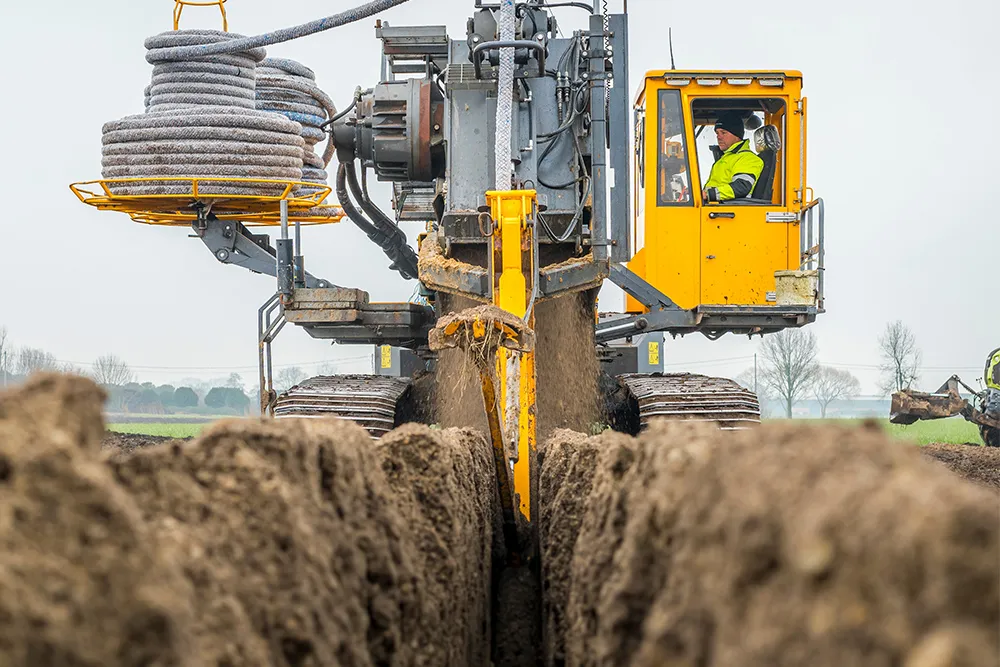
Water management 2.0
Water management has always been an essential part of agriculture and urban planning. With climate change and increasingly frequent extremes in precipitation, from droughts to floods, the need for effective water management is growing. Controlled drainage is one innovative solution emerging to address these challenges.
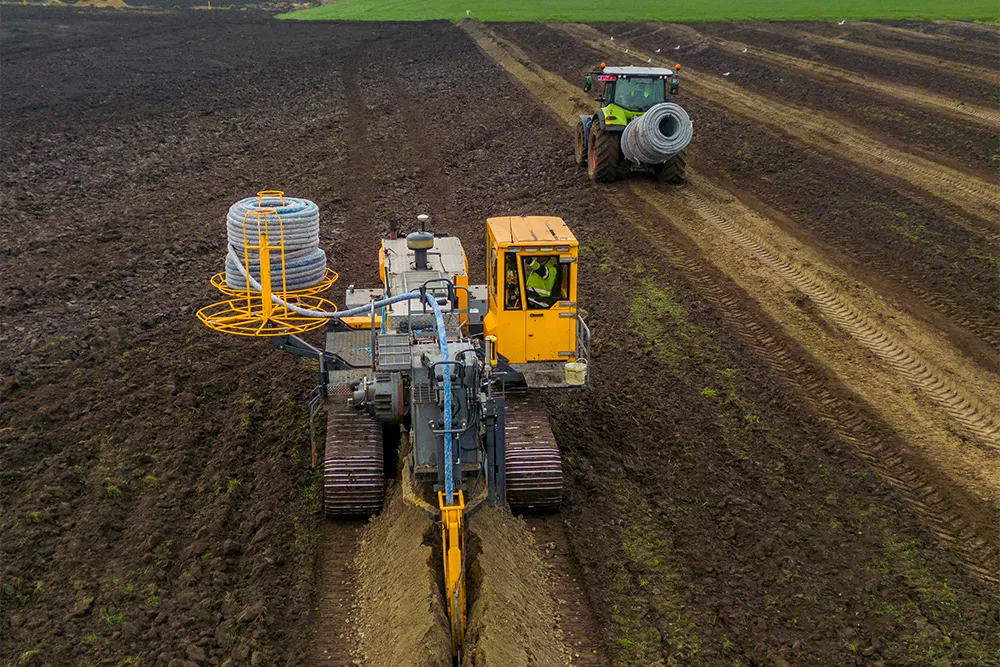
Earlier this year, De Ceuster of Sint-Katelijne-Waver brought the drainage activities of Christiaenen, Van Looveren under its wing. It is therefore determined to play a major role in this sector.
Geert Van Meensel, project manager at De Ceuster: “We are a service company that carries out contract work. We cover a broad range of activities, with divisions such as ‘Horti’, ‘Sport’ and ‘Infra’. Now ‘Drainage’ is being added to the mix. We have always worked very closely with drainage company Christiaenen, Van Looveren. This year, Louis Christiaenen and Yvonne Van Looveren passed their life’s work on to us, and we are very proud of that. We had already been carrying out contract work for their trial station in Meerle for many years, so for Louis, who has now retired, this was a logical step. And as water-level management becomes increasingly important, we will be focusing heavily on controlled drainage in the future. This will include comprehensive advice, because we have built up a great deal of expertise, including through our extensive experience in other areas such as levelling and related work.”
Active groundwater level management
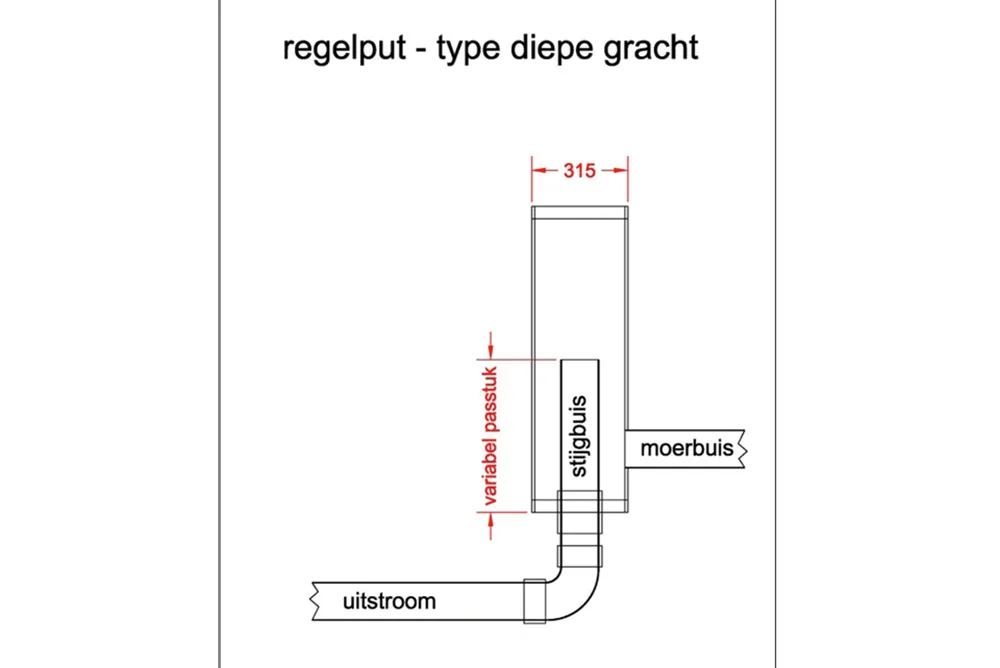
Jan De Roye, head of infrastructure at De Ceuster: “Controlled drainage is an advanced form of traditional agricultural drainage. Rather than allowing water to drain constantly from the soil, this technique enables the operator to actively regulate the groundwater level by creating a controlled water buffer. This is made possible by using valves and control devices that can be adjusted to meet current needs and conditions.”
Benefits of controlled drainage
Although controlled drainage is promising, it also presents challenges. The technique requires careful monitoring and management to be effective. Farmers and operators also need time to learn how to get the most out of the systems. However, these challenges are outweighed by the clear benefits:
Flexibility: The main benefit of controlled drainage is the ability to adjust water levels to suit changing conditions. During dry periods, the water level can be kept higher to provide crops with the moisture they need, while in wet periods it can be lowered to prevent waterlogging.
Sustainability: Regulating the water level can reduce the flow of nutrients and crop protection products into surface water. This helps improve water quality and protect aquatic ecosystems.
Cost savings: Although the initial installation costs of controlled drainage may be higher than those of traditional drainage, long-term benefits such as reduced irrigation requirements and improved crop yields can result in significant cost savings.
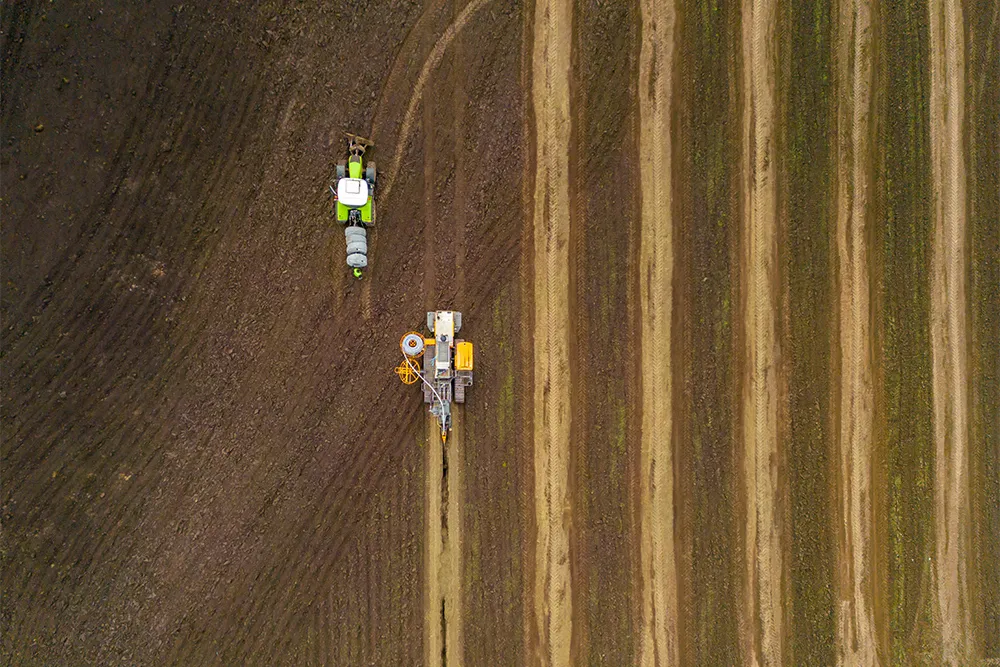
Drainage and irrigation
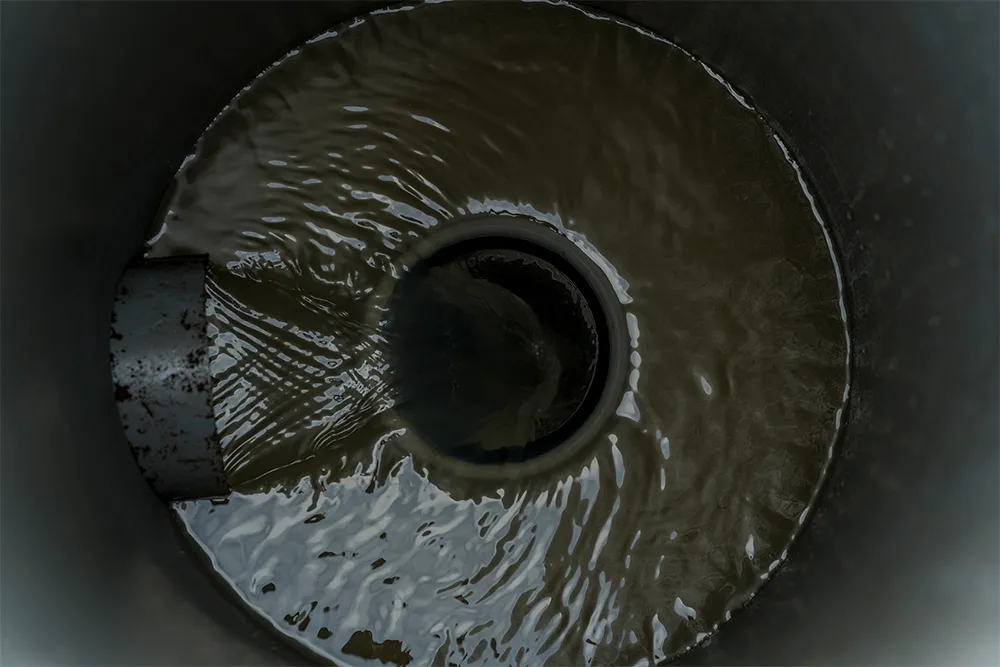
“The system is controlled via a control chamber/pipe,” Jan continues. “The desired water levels are set in the chamber. You can operate it manually, but it can also be fully automated. We even have an app that keeps you constantly updated on water levels in the monitored soil. And, importantly, we already have projects underway where the system controls not only drainage but also irrigation, using those same drainage pipes.”
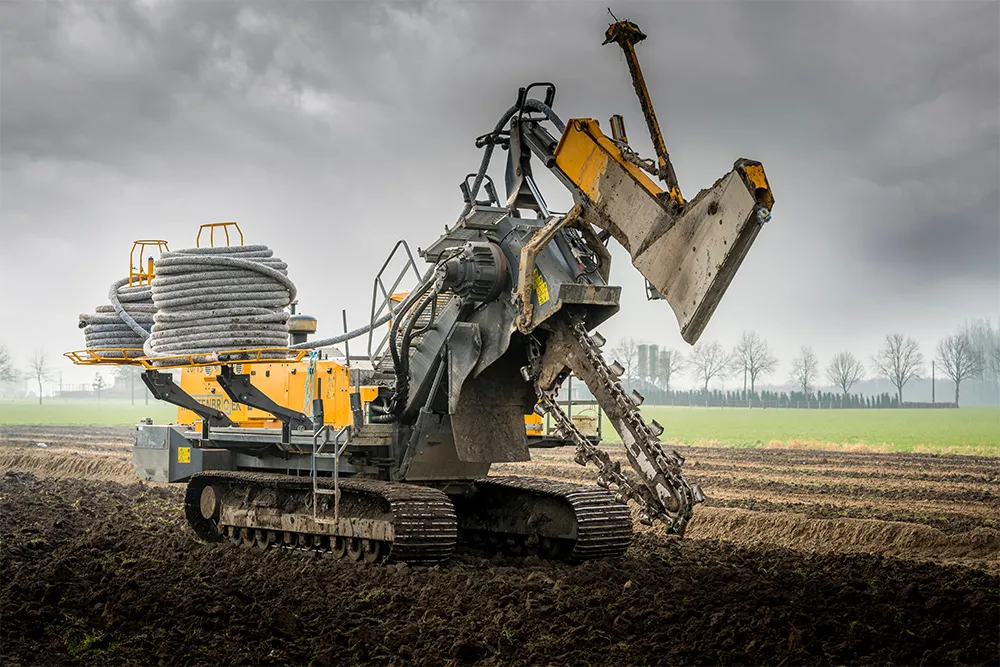
Promoting research and training
“Controlled drainage offers a forward-looking solution to the challenges of modern water management. The ability to actively manage the groundwater level using a control chamber with sensors can help farmers and urban planners adapt to changing climate conditions while protecting water quality. As with any new technology, ongoing research and training are essential to realise the full benefits of controlled drainage,” concludes Geert Van Meensel.
Question about this story? Ask your question
Keep following this
Get an email when a new story is published. No account needed.
- SubjectSewerage & underground infrastructure







