









Sewerage & underground infrastructure
Are we heading for another dry summer?
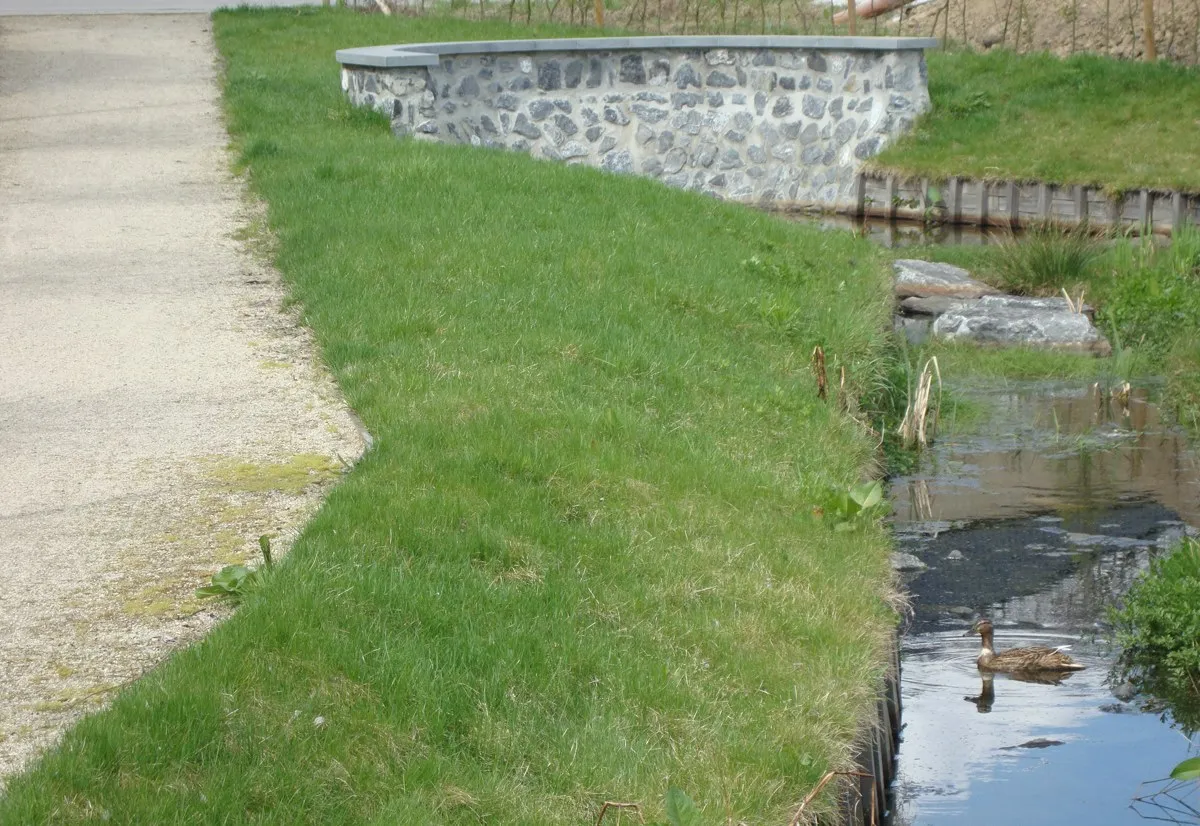
Groundwater levels remained at historically low levels for a long time. Rainwater can no longer infiltrate into the soil, and that is a problem.
“At present, 16% of Flanders is paved over. That is enormous,” says Professor Patrick Willems.
Good water management is not a luxury. It means dry cellars and clean water from your tap. And although most people do not give it much thought, that is far from a given in Flanders. The main challenges are dispersed development, a strict European deadline for
achieving good water quality (2027) and, of course, climate change, which brings both longer periods of drought and more intense thunderstorms.
Some solutions to these challenges are well known and achievable. First and foremost, we need to tackle the amount of paved surface. As our water reserves dwindle, much of the rainwater is lost because it runs directly into our sewers from paved surfaces. Discharging all this rainwater also drives up sewer maintenance costs. The solution: more infiltration into the soil and more reuse. This is a shared responsibility. Sewer managers need to take action, but every citizen can also play their part. To encourage this, VLARIO is calling for an infiltration bonus. People who collect rainwater and keep it on site will be rewarded. This will encourage smarter use of water. Sewer maintenance is also falling behind. Rather than waiting for new subsidence, it would be wiser to take preventive action.
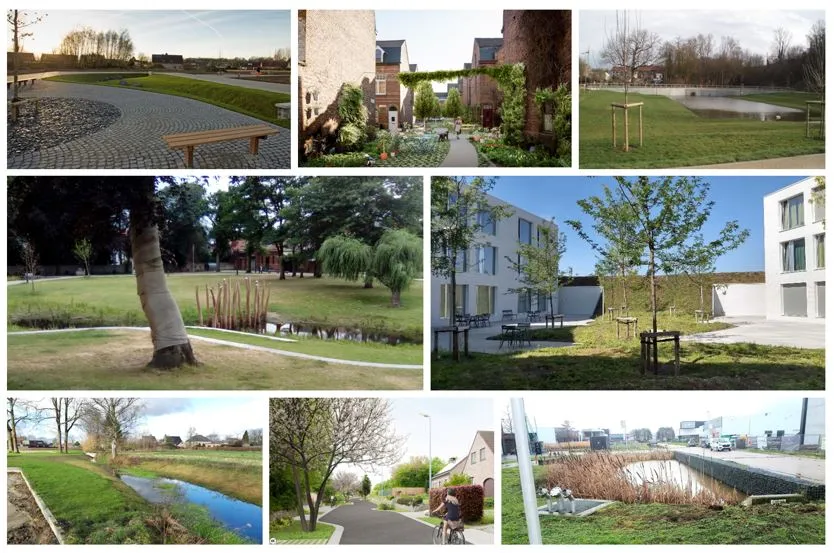
Current budgets are also insufficient, and that is a political responsibility. The current Flemish Government, the last government with a full term before the 2027 European deadline, must do everything possible to secure the necessary investment. How can it do this? Water bills could be increased, provided that appropriate social adjustments are made. But Flanders must also put more money on the table itself. Finally, an infiltration bonus could improve Flemish water policy without increasing the overall budget. In 2016, the total cost of water damage to insurers reached no less than €305 million. It is high time, then, to view our water systems as crucial ‘natural capital’ and invest in making them climate-resilient.
What is the infiltration bonus?
Anyone who discharges rainwater directly into the public domain pays for the infrastructure, discharge and treatment of that rainwater. Those who keep rainwater on their own property are therefore rewarded.
Why an infiltration bonus?
As more and more of the landscape is paved over, rainwater runs off in greater volumes and more quickly, while less infiltrates into the soil. This further increases both the risk of flooding along sewers and watercourses and the risk of drought. It disrupts the water cycle.
Key elements of sustainable, climate-resilient water management include retaining more water, replenishing groundwater, reducing demand for drinking water and reducing peak loads on sewers. Rainwater plays an important role in each of these areas.
In short, we particularly need to collect, use and infiltrate more rainwater. Discharging unused rainwater into a combined sewer increases the volume of wastewater. The mixture of wastewater and unused rainwater is, after all, considered wastewater. In addition, discharging rainwater causes storm overflows to operate, increases pollutant loads and peak flows in watercourses, raises transport costs and makes wastewater treatment less efficient.
Those who discharge rainwater into a combined sewer can therefore be held responsible for these additional costs and negative environmental impacts.
Even where a separate sewer system is already in place, discharging unused rainwater increases rainwater flows and therefore the cost of installing rainwater systems. Sufficient capacity must then be provided for rainwater pipes, storage basins and pumping stations. At present, more than half (50 to 60%) of the total cost of sewer construction is caused by rainwater drainage.
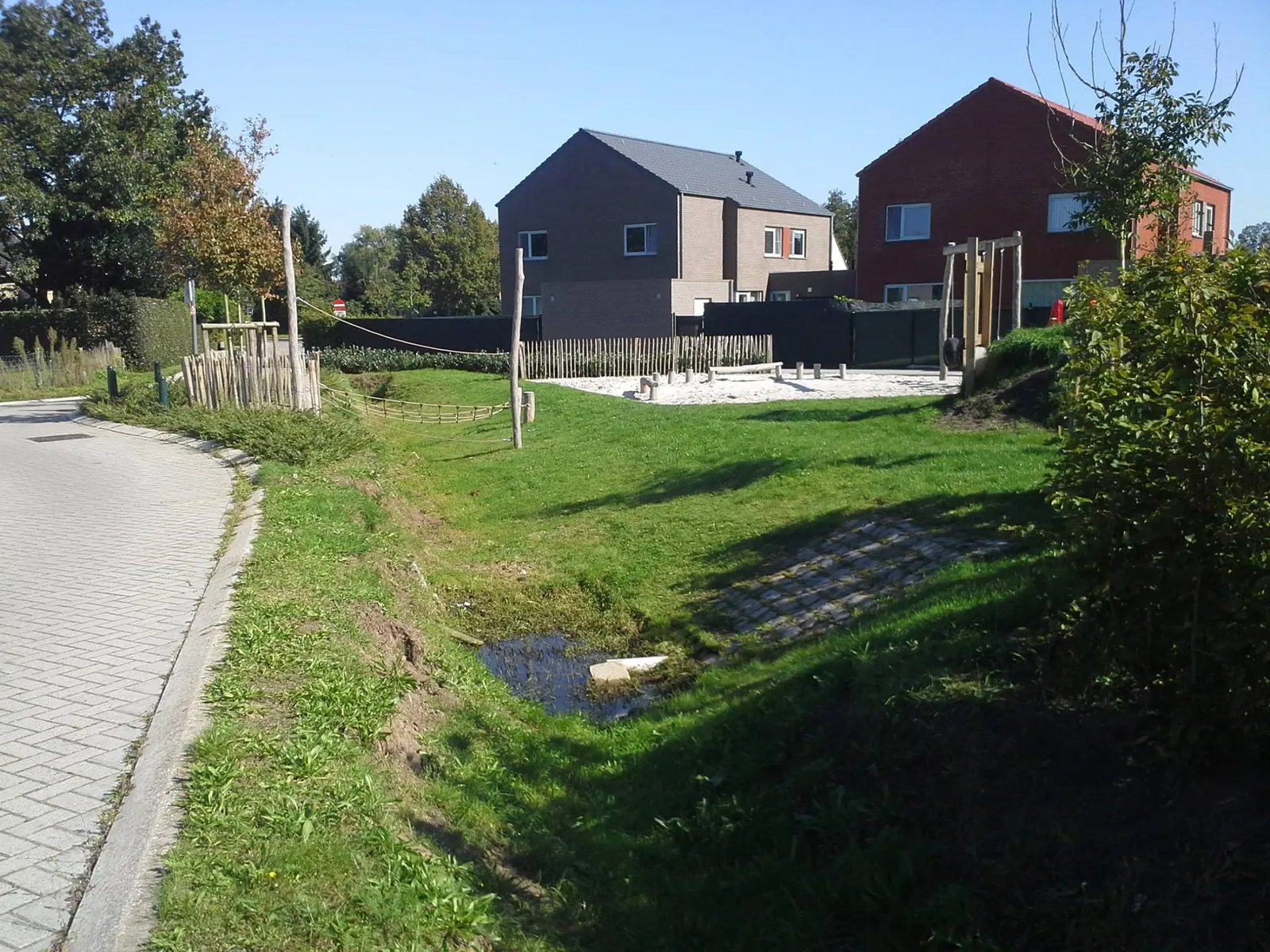
These costs are currently paid for through the municipal and supra-municipal sanitation charge on water bills.
Under Article 9 of the Water Framework Directive and Article 6, 6° of the Decree on Integrated Water Policy, the costs of water services must be recovered from the consumer/user in accordance with the cost recovery principle.
The use of rainwater is relevant to cost recovery for the following water services:
- Public (drinking) water production and distribution;
- Public wastewater collection and treatment.
Citizens and businesses that make an effort to do this should also receive a financial benefit. This could be achieved by separating the costs of rainwater drainage from the costs of wastewater transport and treatment on water bills.
This applies the ‘polluter pays’ principle laid down in the Water Framework Directive. At present, this principle is only partially implemented, because the costs of wastewater treatment (drainage and cleaning) are linked entirely to drinking water consumption.
Using rainwater more efficiently halves the drinking water bill and helps solve drought problems. An infiltration bonus could encourage this.
Together for clean water: this is what VLARIO is calling for!
Question about this story? Ask your question
Keep following this
Get an email when a new story is published. No account needed.
- ThemeSpace for water and green infrastructure
- SubjectSewerage & underground infrastructure







